prairie wildflower
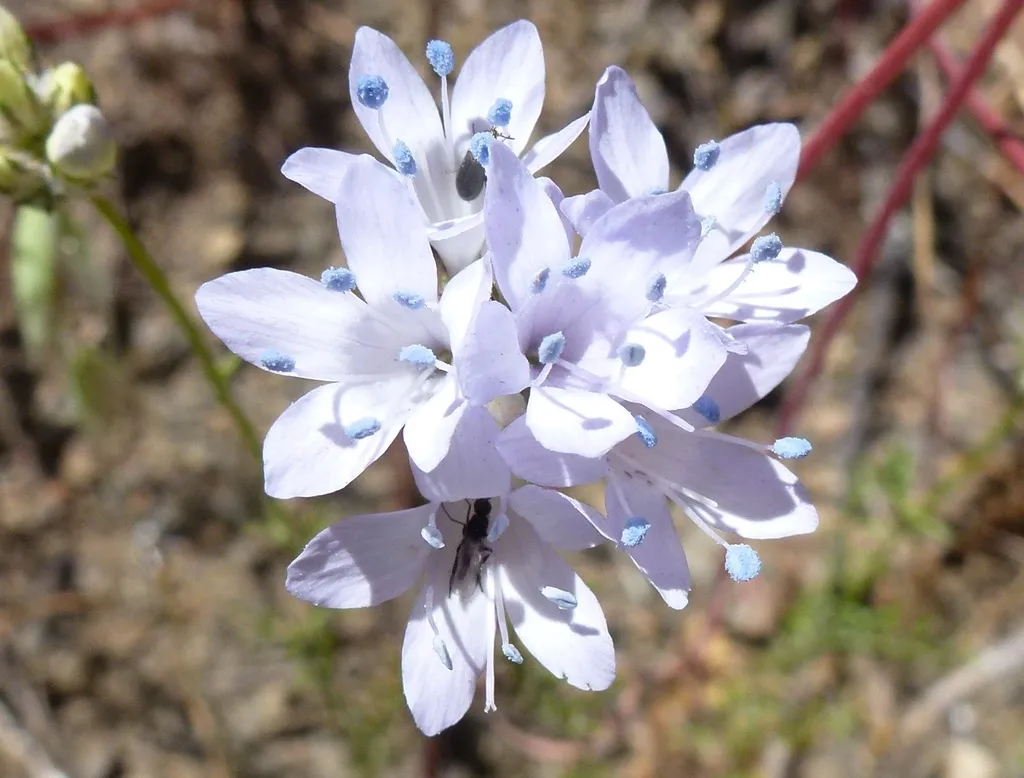
California gilia
Gilia achilleifolia
Also known as California Gily-flower, Showy Gilia
 1 of 2
Native to California
Coast Ranges from northern Santa Barbara county to Marin and Contra Costa counties
- Light Full sun Sun tolerance
- Moisture Moisture preference
- Zones 7–10 Cold to heat range
- Bloom Mar–May Flowering time
- Height up to 28 in to 71 cm
- Life cycle Annual Annual to perennial
In the garden
A prairie wildflower for full sun. Its blue and purple flowers peak in April. At up to 28 in, it suits meadows and sunny borders. Hardy in USDA zones 7–10.
Growing conditions
Light
Full sun Partial shade Full shade
Moisture
Dry Moist Wet
Hardiness zones
Find your zone:
When it blooms
The California gilia's blue and purple flowers bloom March to May, peaking in April. This spring display draws butterflies and bees.
California gilia blooms blue & purpleFoliage
Pollinators & wildlife
- Butterflies Variable Checkerspot also Large Marble
- Bees Black-tailed Bumble Bee also Western Honey Bee, Micralictoides mojavensis
- Flower flies Greater Bee Fly
Full plant details
Where it grows
- Habitat
- PrairieThe wild plant community it grows in.
- Native range
- CaliforniaUnited States (1): CA. Where it grows wild on its own, by state and province.
- Native distribution
- Coast Ranges from northern Santa Barbara county to Marin and Contra Costa countiesThe same native range, usually more exact than the state list, and often noting where it has spread beyond it.
Growing conditions
- Light
- Full sunHow much sun it takes, from full sun to full shade.
- Hardiness zones
- USDA 7–10The cold-to-heat climate range it survives.
- Soil
- Loose soilsThe soils it grows in naturally.
Growth & form
- Height
- up to 28 in (to 71 cm)Typical mature height.
- Life cycle
- AnnualWhether it lives a single season (annual), two (biennial), or returns for years (perennial).
Flowers, foliage & fruit
- Type
- WildflowerWhat kind of plant it is.
- Bloom
- Mar–MayWhen it flowers.
- Flower color
- Blue, PurpleThe bloom color, or colors.
- Toxicity
- None knownWhether any part is poisonous to people or pets.