prairie wildflower
Desert Mariposa Lily
Calochortus kennedyi
Also known as Desert Mariposa, Red Mariposa-lily, Flame Mariposa
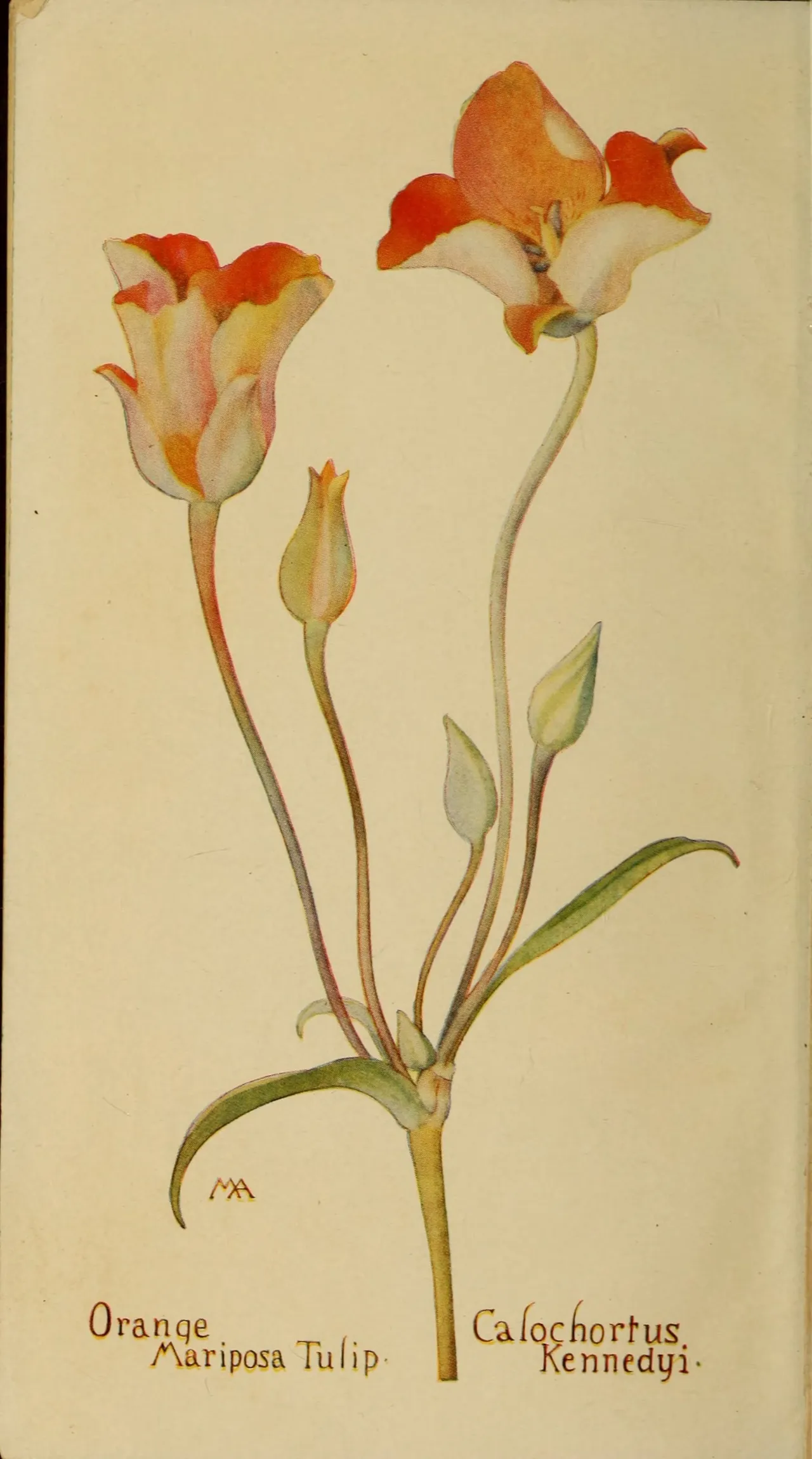 1 of 3
Native to Arizona, California, Nevada, and Utah
Arizona, Nevada, Kane county, Utah, southern California and adjacent Mexico
- Light Full sun Sun tolerance
- Moisture Dry Moisture preference
- Zones n/a Cold to heat range
- Bloom Mar–May Flowering time
- Height up to 20 in to 51 cm
- Life cycle Perennial Annual to perennial
In the garden
A prairie wildflower for full sun and lean, dry soil. At up to 20 in, it suits meadows and sunny borders.
Growing conditions
Light
Full sun Partial shade Full shade
Moisture
Dry Moist Wet
Full plant details
Where it grows
- Habitat
- PrairieThe wild plant community it grows in.
- Native range
- Arizona, California, Nevada, and UtahUnited States (4): AZ, CA, NV, UT. Where it grows wild on its own, by state and province.
- Native distribution
- Arizona, Nevada, Kane county, Utah, southern California and adjacent MexicoThe same native range, usually more exact than the state list, and often noting where it has spread beyond it.
Growing conditions
- Light
- Full sunHow much sun it takes, from full sun to full shade.
- Moisture
- DryThe soil dampness it prefers, from dry to wet.
- Soil
- Dry, heavy or rocky, well-drained soilsThe soils it grows in naturally.
- Soil texture
- Light to medium (sandy to loamy)The soil grade it prefers, from sand to clay.
- Soil pH
- Neutral to alkalineThe acidity to alkalinity it tolerates (7 is neutral).
- Soil quality
- Low (tolerates poor soil)How rich a soil it needs. Many natives prefer lean soil and flop in rich beds.
Growth & form
- Height
- up to 20 in (to 51 cm)Typical mature height.
- Spread
- ~0 ft (0.1 m)How wide one plant gets, a guide to spacing.
- Life cycle
- PerennialWhether it lives a single season (annual), two (biennial), or returns for years (perennial).
- Growth rate
- ModerateA relative ranking versus other plants of the same type (USDA), not an absolute rate.
Flowers, foliage & fruit
- Type
- WildflowerWhat kind of plant it is.
- Bloom
- Mar–MayWhen it flowers.
- Flower color
- OrangeThe bloom color, or colors.
- Toxicity
- None knownWhether any part is poisonous to people or pets.