woodland wildflower
Lilac Penstemon
Penstemon gracilis
Also known as Lilac Beardtongue, Slender Penstemon, Slender Beardtongue
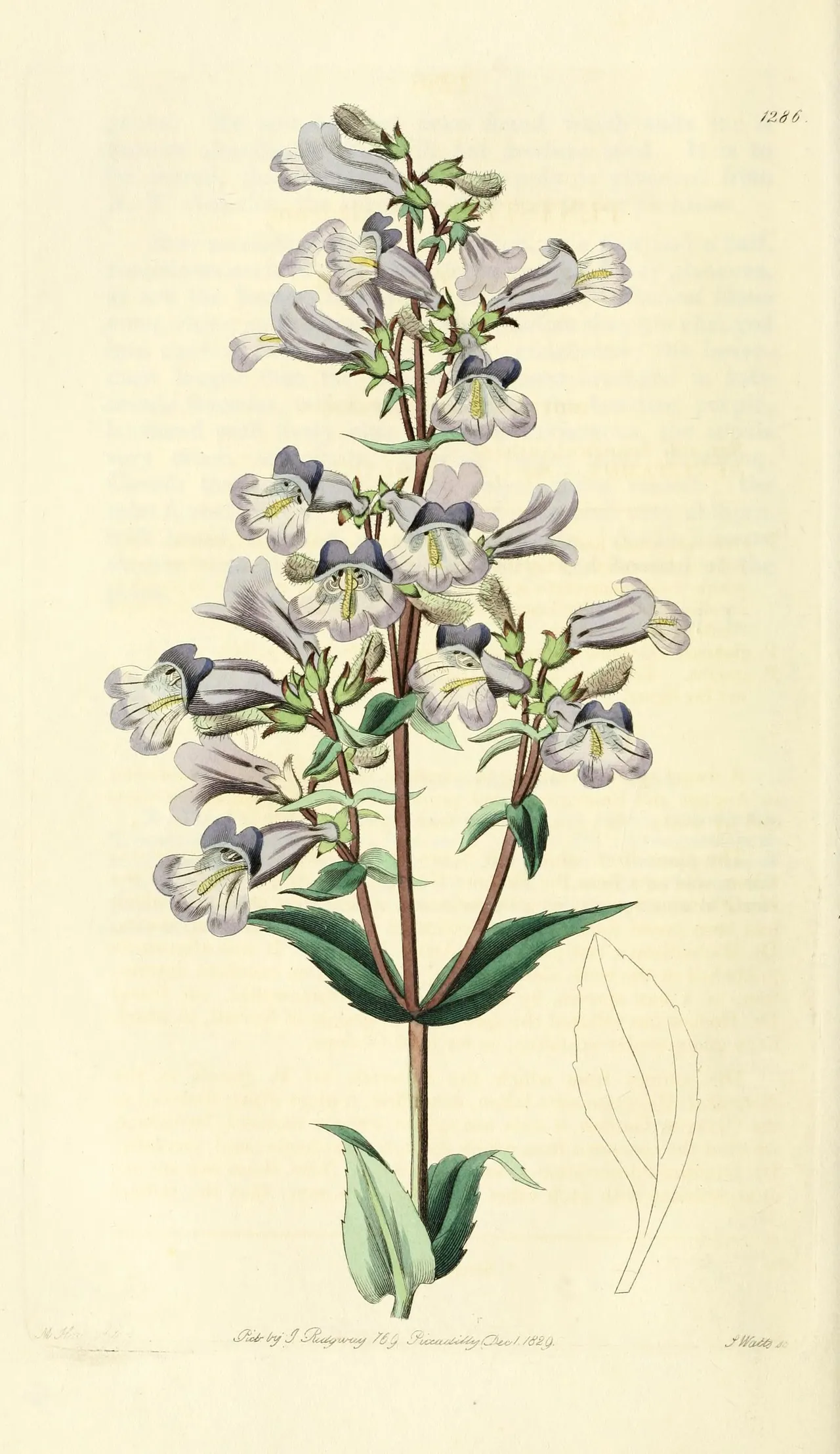 1 of 2
Native to the Rockies, the Great Plains, and the Midwest and southern Canada
Southwestern Ontario to northeastern British Columbia, south to Wisconsin, northwestern Iowa, southern Nebraska and along the eastern slope of Rockies from Montana to New Mexico
- Light Partial shade Sun tolerance
- Moisture Moist Moisture preference
- Zones 2–7 Cold to heat range
- Bloom Jun–Jul Flowering time
- Height up to 2 ft to 0.6 m
- Life cycle Perennial Annual to perennial
In the garden
A woodland wildflower for partial shade and evenly moist soil. Its purple flowers peak in June. At up to 2 ft, it suits shade gardens and woodland edges. Hardy in USDA zones 2–7.
Growing conditions
Hardiness zones
When it blooms
The Lilac Penstemon's purple flowers bloom June to July, peaking in June. This early-summer display draws bees and flower flies.
Lilac Penstemon blooms purpleFoliage
Pollinators & wildlife
- Bees Black-tailed Bumble Bee
also Red-belted Bumble Bee, Hunt's Bumble Bee, Two-form Bumble Bee +22 more
Great Basin Bumble Bee, Orange-tipped Wood-digger, White-shouldered Bumble Bee, Western Bumble Bee, Morrison's Bumble Bee, Black-and-gray Leafcutter Bee, Bumblebee-like Digger Bee, White-fronted Small-Mason, Annulate Masked Bee, Anthophora ursina, Kincaid's Cellophane Bee, Osmia proxima, Osmia bruneri, Osmia tristella, Osmia densa, Osmia nanula, Heriades gracilior, Osmia pentstemonis, Washington Miner Bee, Cinquefoil Masked Bee, Ashmeadiella pronitens, Melecta fulgida - Flower flies Margined Calligrapher also Long-tailed Aphideater, Black-margined Flower Fly, grasshopper bee fly
- Wasps Euodynerus foraminatus also Pseudomasaris vespoides
- Also visited by
- Hummingbirds: Broad-tailed Hummingbird
- Butterflies: Papilio andronicus
Butterflies that use this plant
Documented host and nectar records. Each links to a planting guide for that butterfly.
- Baltimore checkerspotcaterpillar host
Full plant details
Where it grows
- Habitat
- WoodlandThe wild plant community it grows in.
- Native range
- The Rockies, the Great Plains, and the Midwest and southern CanadaUnited States (11): CO, IA, MI, MN, MT, ND, NE, NM, SD, WI, WY. Canada (2): MB, SK. Where it grows wild on its own, by state and province.
- Native distribution
- Southwestern Ontario to northeastern British Columbia, south to Wisconsin, northwestern Iowa, southern Nebraska and along the eastern slope of Rockies from Montana to New MexicoThe same native range, usually more exact than the state list, and often noting where it has spread beyond it.
Growing conditions
- Light
- Partial shadeHow much sun it takes, from full sun to full shade.
- Moisture
- MoistThe soil dampness it prefers, from dry to wet.
- Hardiness zones
- USDA 2–7 · Canadian 2–5The cold-to-heat climate range it survives.
- Soil
- Sandy or gravelly soilsThe soils it grows in naturally.
Growth & form
- Height
- up to 2 ft (to 0.6 m)Typical mature height.
- Life cycle
- PerennialWhether it lives a single season (annual), two (biennial), or returns for years (perennial).
Flowers, foliage & fruit
- Type
- WildflowerWhat kind of plant it is.
- Bloom
- Jun–JulWhen it flowers.
- Flower color
- PurpleThe bloom color, or colors.
- Fruit/Seeds
- Capsule; ripens Jun–AugThe seed or fruit it sets after flowering.
- Toxicity
- None knownWhether any part is poisonous to people or pets.