woodland wildflower
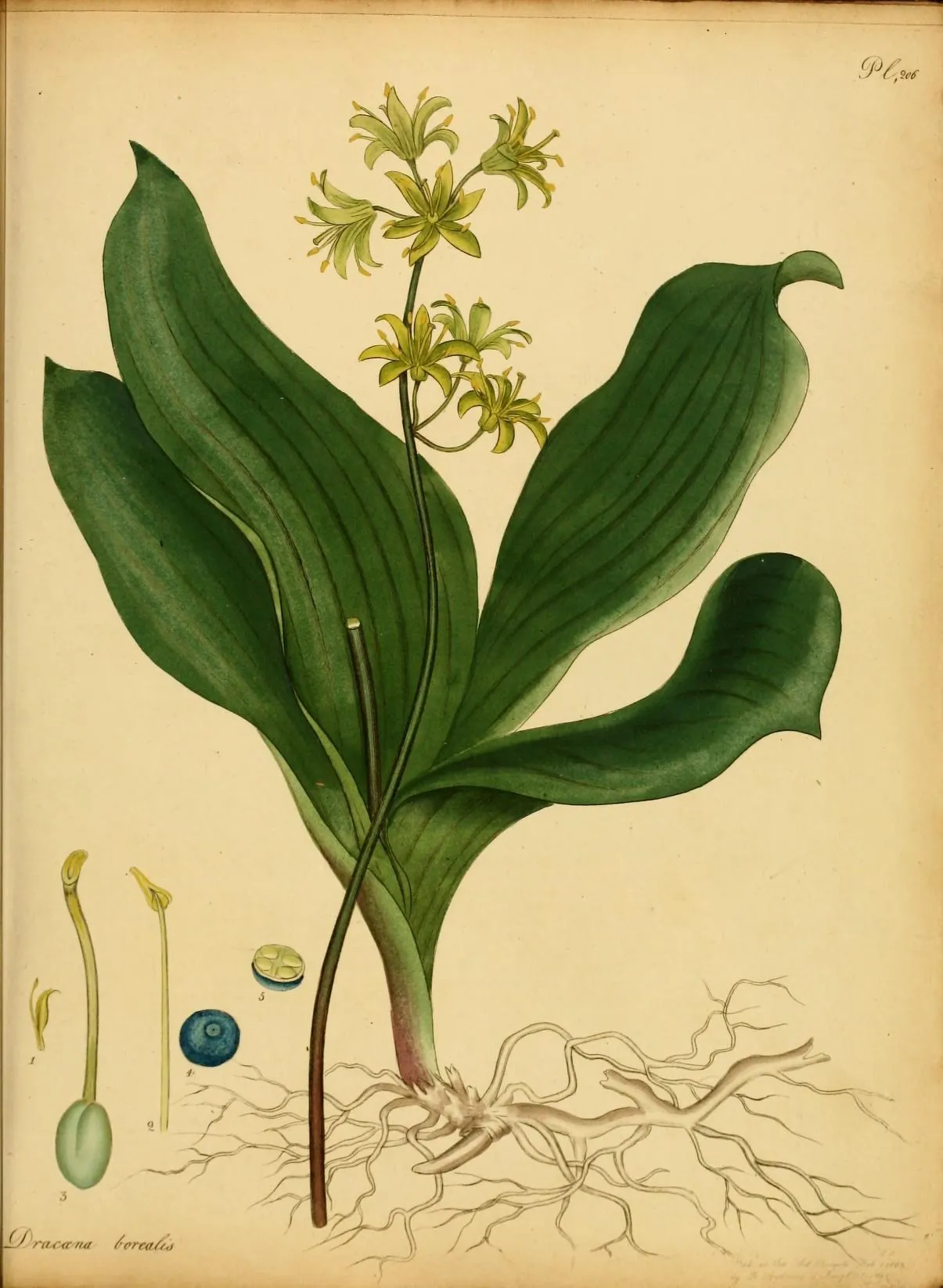
Bluebead lily
Clintonia borealis
Also known as Bluebead, Yellow Bluebead-lily, Clintonia, Blue-bead Lily
 1 of 3
Native to much of the USA and southern Canada
Labrador to Manitoba, south to New England, mountains of Georgia and Tennessee, Michigan and Minnesota
- Light Full shade Sun tolerance
- Moisture Moist Moisture preference
- Zones 2–7 Cold to heat range
- Bloom May–Jun Flowering time
- Height up to 20 in to 51 cm
- Life cycle Perennial Annual to perennial
In the garden
A woodland wildflower for full shade and evenly moist soil. Its yellow flowers peak in June. At up to 20 in, it suits shade gardens and woodland edges. Hardy in USDA zones 2–7.
Growing conditions
Light
Full sun Partial shade Full shade
Moisture
Dry Moist Wet
Hardiness zones
Find your zone:
When it blooms
The Bluebead lily's yellow flowers bloom May to June, peaking in June. This early-summer display draws bees and butterflies.
Bluebead lily blooms yellow, green & brownFoliage
Pollinators & wildlife
- Bees Two-spotted Bumble Bee
also Tricolored Bumble Bee, Perplexing Bumble Bee, Half-black Bumble Bee +6 more
Yellow-banded Bumble Bee, Blue Orchard Bee, Wilke's Mining Bee, Sanderson's Bumble Bee, Bristle Sweat Bee, Cresson's Sweat Bee - Butterflies Canadian Tiger Swallowtail
also Hobomok Skipper, Northern Azure, Atlantis Fritillary +3 more
Mustard White, Amblyscirtes hegon, Poanes hobomok - Flower flies American Snout Fly also Boreal Bristleside, Carposcalis confusa
- Also visited by
- Beetles: Stripe-legged Long-horned Beetle
- Moths: White-striped Black
Butterflies that use this plant
Documented host and nectar records. Each links to a planting guide for that butterfly.
- American snoutnectar
- Canadian tiger swallowtailnectar
- Eastern tiger swallowtailnectar
Full plant details
Where it grows
- Habitat
- WoodlandThe wild plant community it grows in.
- Native range
- Much of the USA and southern CanadaUnited States (21): CT, GA, IL, IN, MA, MD, ME, MI, MN, NC, NH, NJ, NY, OH, PA, RI, TN, VA, VT, WI, WV. Canada (5): NB, NL, NS, ON, PE. Where it grows wild on its own, by state and province.
- Native distribution
- Labrador to Manitoba, south to New England, mountains of Georgia and Tennessee, Michigan and MinnesotaThe same native range, usually more exact than the state list, and often noting where it has spread beyond it.
Growing conditions
- Light
- Full shadeHow much sun it takes, from full sun to full shade.
- Moisture
- MoistThe soil dampness it prefers, from dry to wet.
- Hardiness zones
- USDA 2–7 · Canadian 0–7The cold-to-heat climate range it survives.
- Soil
- Deep, damp, cold leafmoldThe soils it grows in naturally.
- Soil texture
- Light to medium (sandy to loamy)The soil grade it prefers, from sand to clay.
- Soil pH
- 5.0–6.8The acidity to alkalinity it tolerates (7 is neutral).
- Soil quality
- MediumHow rich a soil it needs. Many natives prefer lean soil and flop in rich beds.
- Water use
- MediumHow thirsty it is, a rough guide to how often to water.
- Salinity tolerance
- NoneHow well it copes with salty soil, near roads or the coast.
- Lime (CaCO₃) tolerance
- MediumHow well it copes with chalky, lime-rich soil.
Growth & form
- Height
- up to 20 in (to 51 cm)Typical mature height.
- Spread
- ~1 ft (0.3 m)How wide one plant gets, a guide to spacing.
- Life cycle
- PerennialWhether it lives a single season (annual), two (biennial), or returns for years (perennial).
- Growth rate
- ModerateA relative ranking versus other plants of the same type (USDA), not an absolute rate.
- Shape
- ErectIts overall silhouette.
- Root depth
- 8+ in (20+ cm)How far the roots reach, a guide to drought resilience and transplanting.
Flowers, foliage & fruit
- Type
- WildflowerWhat kind of plant it is.
- Bloom
- May–JunWhen it flowers.
- Flower color
- Yellow, Green, BrownThe bloom color, or colors.
- Fruit/Seeds
- ripens Jun–SepThe seed or fruit it sets after flowering.
- Toxicity
- Poisonous if eatenWhether any part is poisonous to people or pets.
Propagation & seed
- Cold stratification
- Not requiredWhether seed needs a cold, moist spell before it will germinate.
- Propagation
- Seed, sprigsHow to start new plants.
- Seed spread rate
- SlowHow readily it self-sows. Slow or none means well-behaved, not a spreader.
- Seedling vigor
- LowHow strongly young seedlings establish.
- Vegetative spread
- SlowWhether it creeps outward or stays put in a clump.