Pollinator
Eastern tiger swallowtail
Papilio glaucus
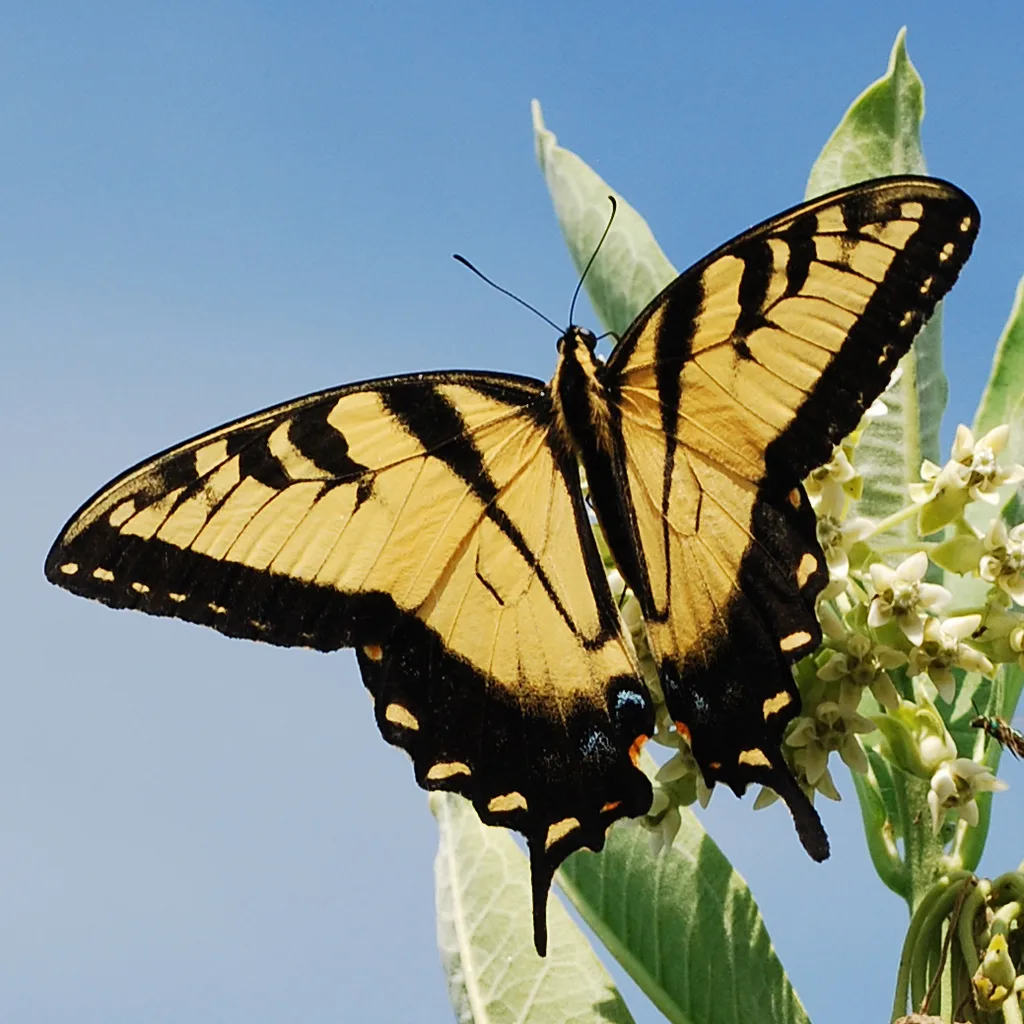
A big, gliding butterfly of eastern woodlands, unmistakable in bright tiger yellow.
- Family
- Papilionidae (swallowtails)
- Wingspan
- 3.1 to 5.5 in (7.9 to 14 cm)
- Flight season
- Spring to fall (two or three broods)
- Range
- Eastern North America
- Caterpillar food
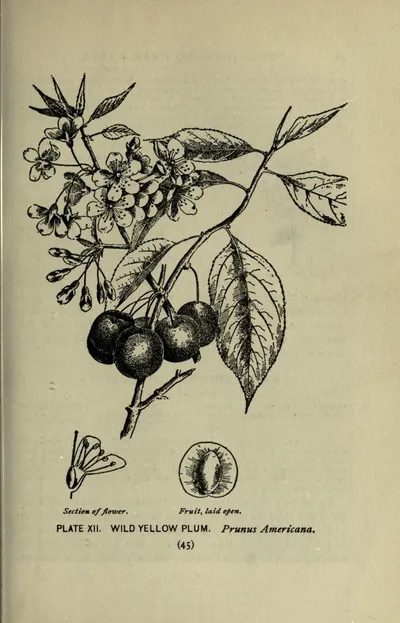
- Wild cherry, tulip tree, ash and other trees
- Conservation
- Secure and widespread
One of the largest and most familiar butterflies of eastern North America, the tiger swallowtail is unmistakable: bright yellow wings crossed by four black tiger stripes, edged in black, with a tail on each hindwing. Females come in two forms, the yellow type and a dark, nearly black morph that mimics the poisonous pipevine swallowtail.
Adults are strong fliers of woodland edges, gardens, and streamsides, gliding high through the canopy and dropping to nectar on large flowers. Males gather at damp ground and puddle edges to sip minerals.
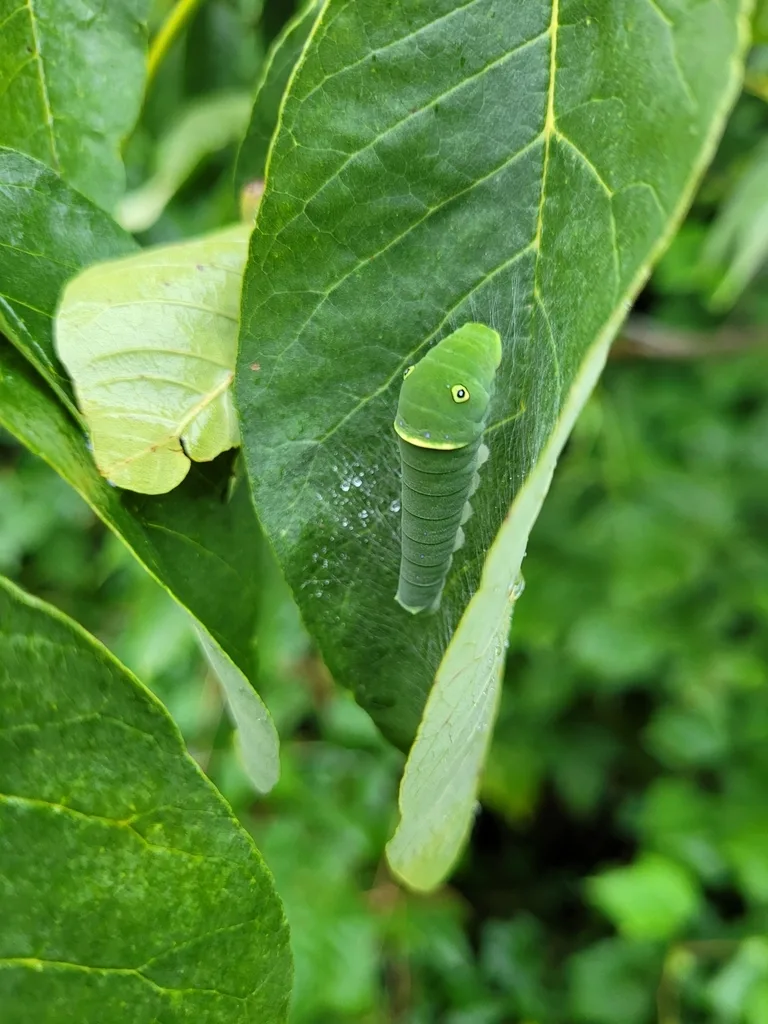
Caterpillars feed on the leaves of trees, wild cherry, tulip tree, ash, and cottonwood, resting on silk pads that draw the leaf around them. Young caterpillars mimic bird droppings; older ones turn green with a pair of large false eyespots.
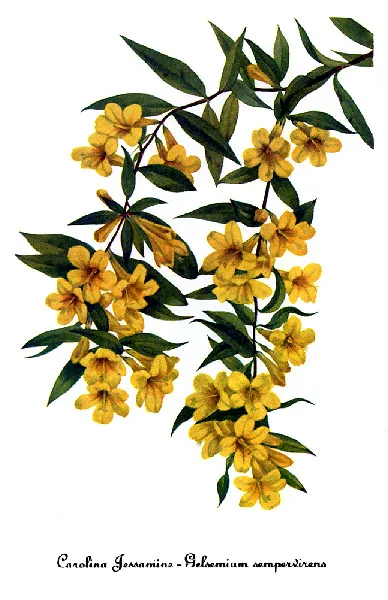
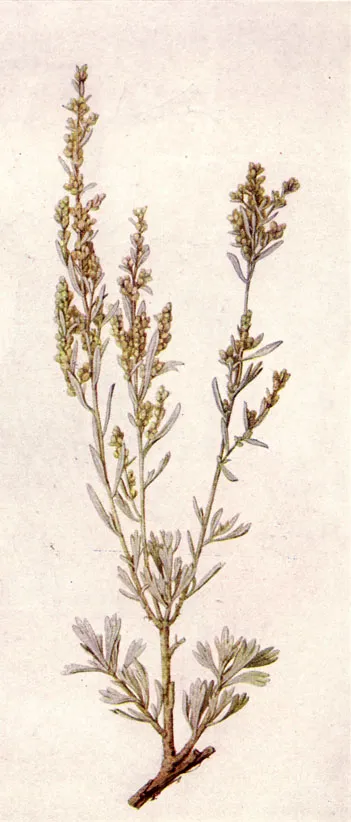
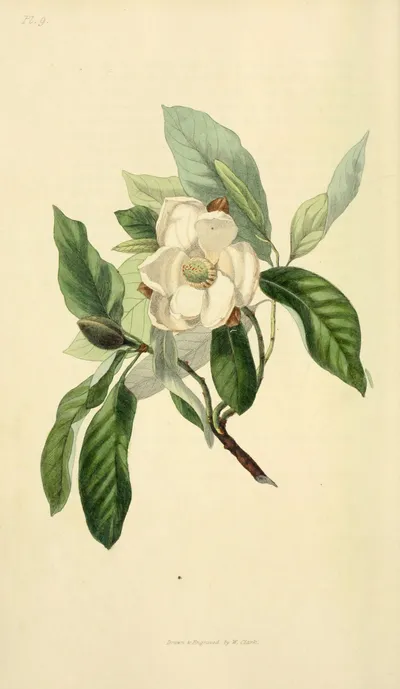
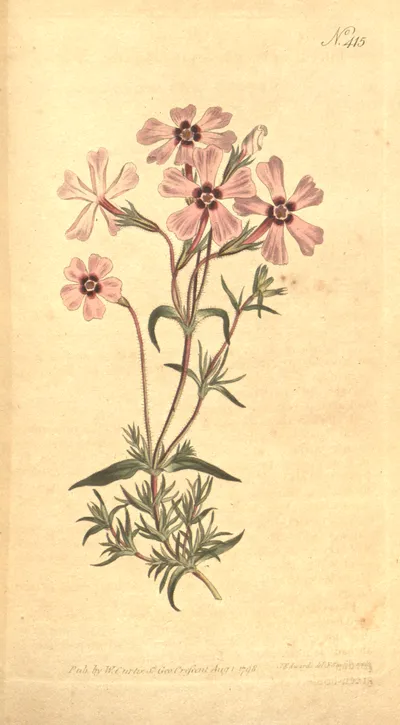
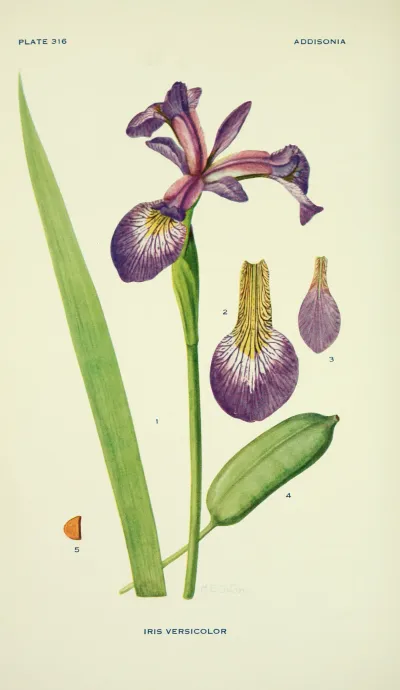
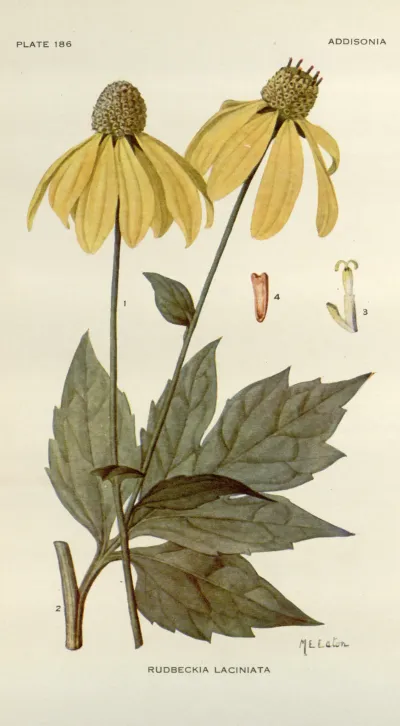
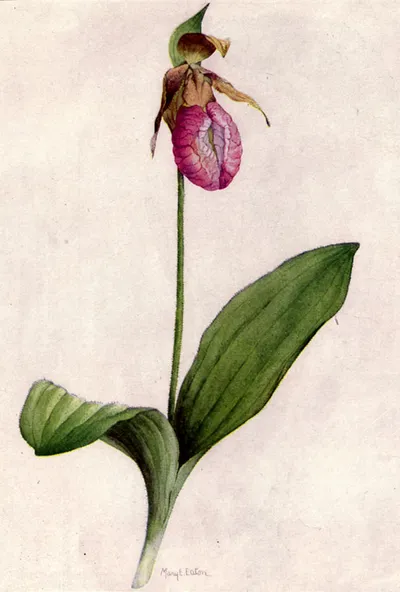
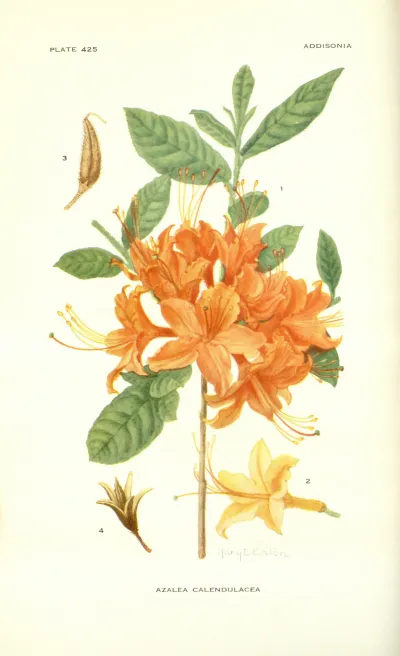
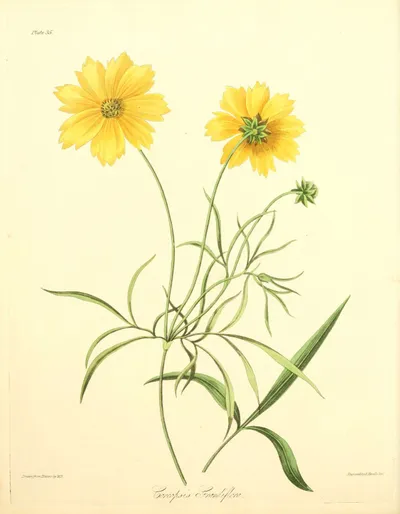
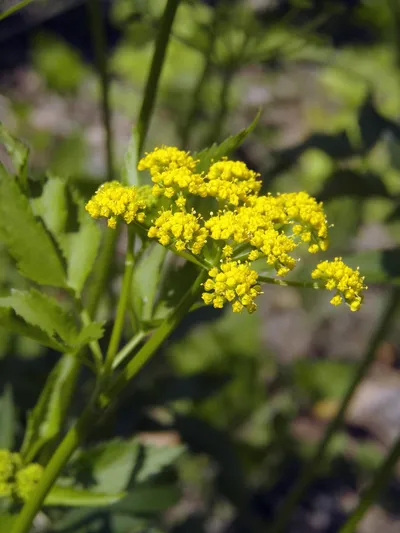
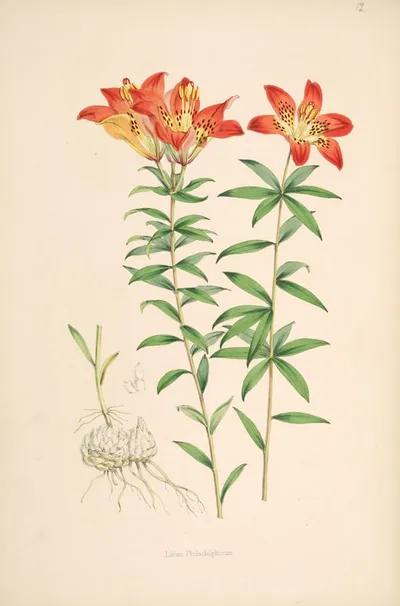
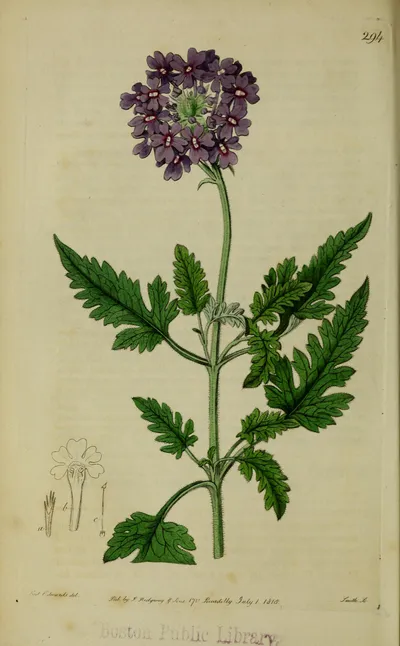
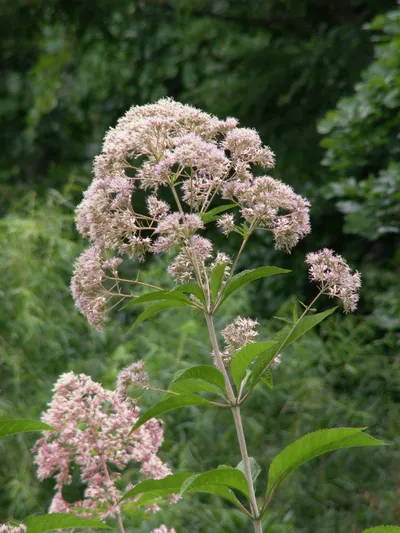
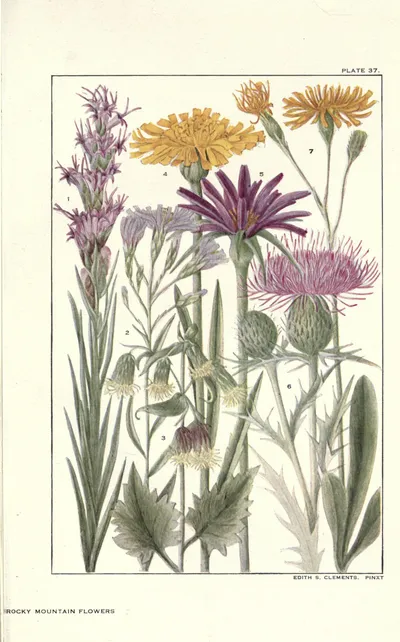
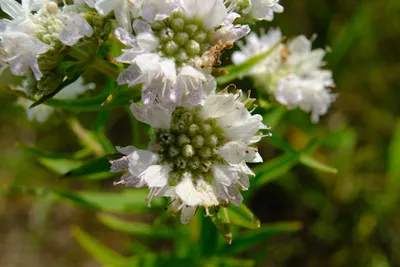
The butterfly is widespread and secure. A garden with nectar-rich flowers through the season, near native trees, will draw them in. The plants below carry documented tiger swallowtail flower-visit records.
Plants for the eastern tiger swallowtail
6 caterpillar host plants and 118 documented nectar plants. Pick a role, then narrow with the filters below.
120 plants
 1 of 2
 1 of 2
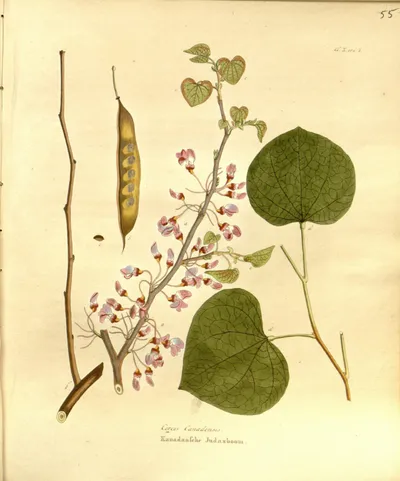 1 of 3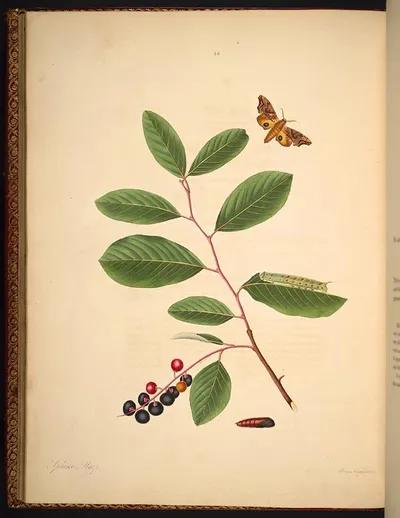
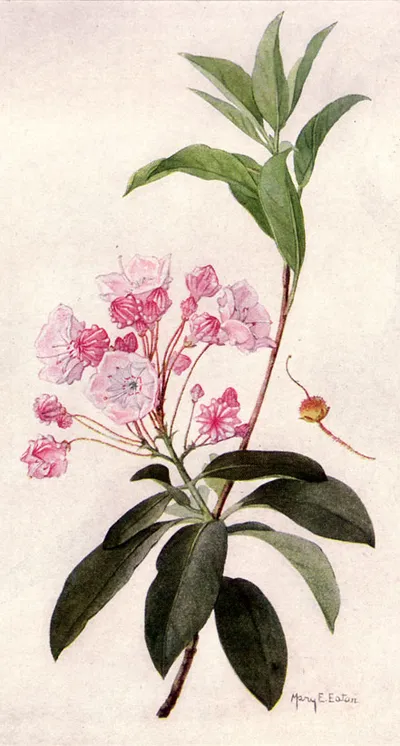 1 of 3
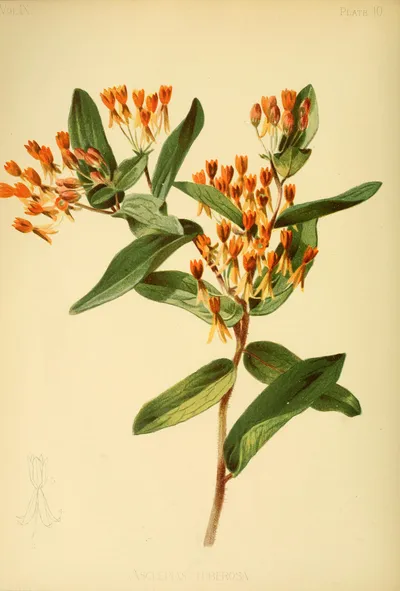 1 of 2
 1 of 2
 1 of 3
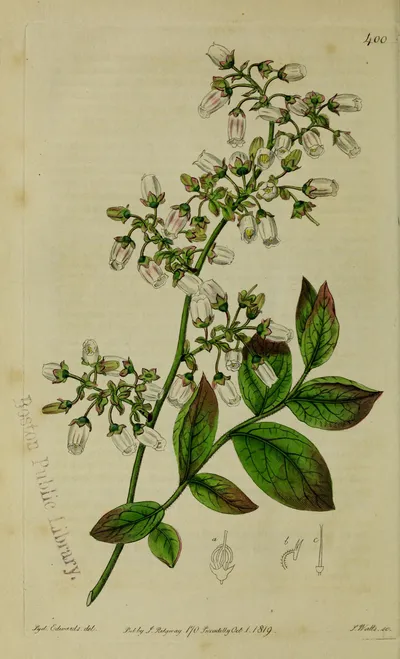 1 of 2
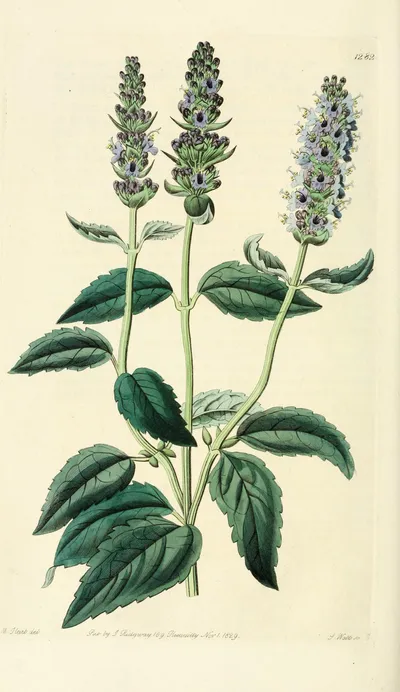 1 of 3
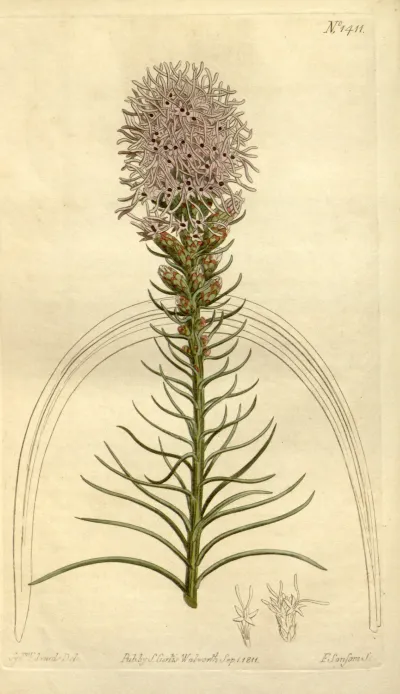 1 of 2
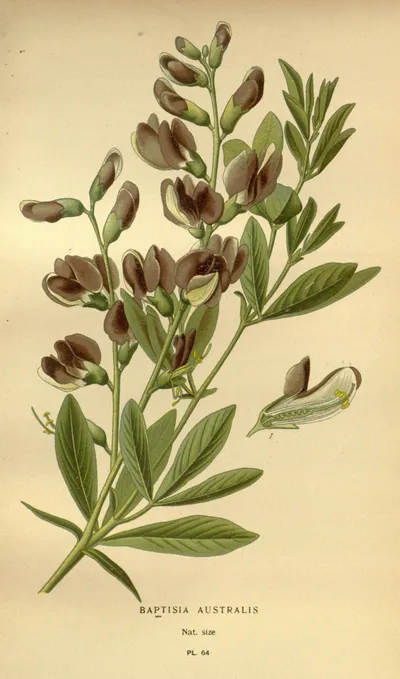 1 of 3
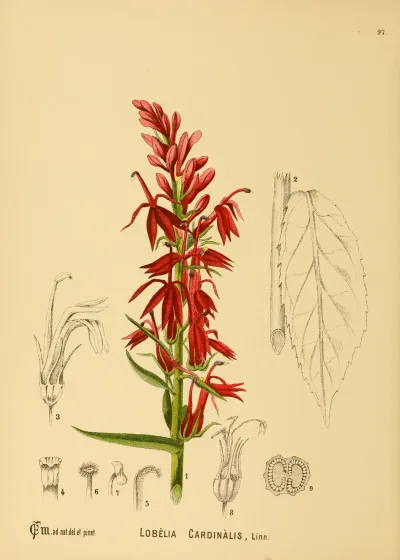 1 of 2
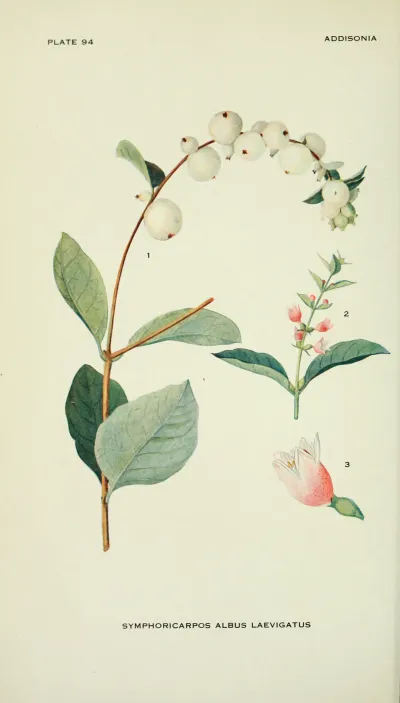 1 of 2
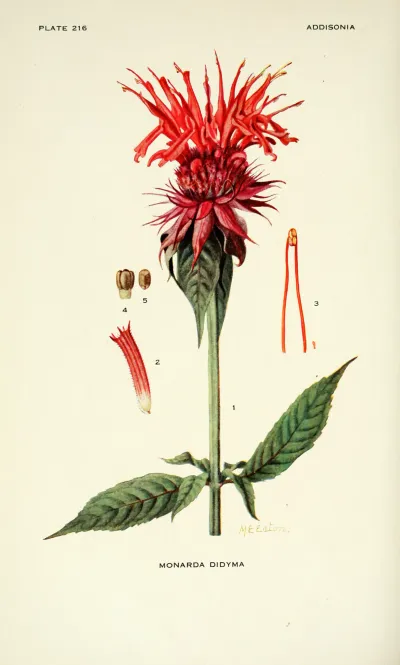 1 of 2
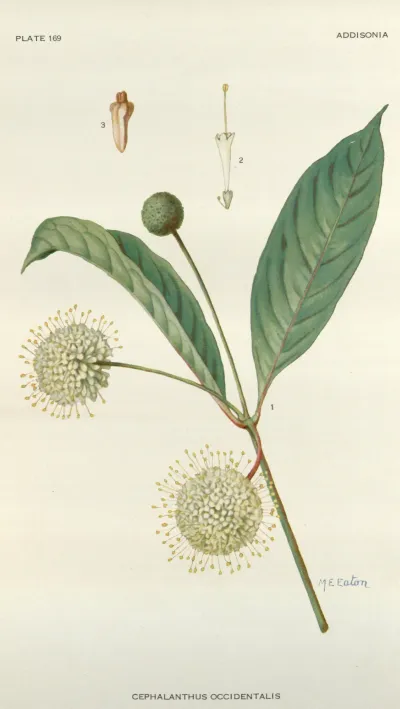 1 of 2
 1 of 2
 1 of 2
 1 of 3
 1 of 3
 1 of 2
 1 of 2
 1 of 3
 1 of 2
 1 of 3
 1 of 3
 1 of 2
 1 of 2
 1 of 3
 1 of 2
 1 of 2
 1 of 2
 1 of 2
 1 of 2
 1 of 2
 1 of 2
 1 of 2
 1 of 3
 1 of 3
 1 of 3
 1 of 3
 1 of 2
 1 of 2
 1 of 2
 1 of 2
 1 of 2
 1 of 2
 1 of 2
 1 of 2
 1 of 3
 1 of 2
 1 of 3
 1 of 2
 1 of 2
 1 of 3
 1 of 3
 1 of 2
 1 of 2
 1 of 2
 1 of 2
 1 of 2
 1 of 2
 1 of 2
 1 of 3
 1 of 2
 1 of 2
 1 of 2
 1 of 3
 1 of 2
 1 of 2
 1 of 2
 1 of 2
 1 of 2
 1 of 2
 1 of 3
 1 of 2
 1 of 2
 1 of 2
 1 of 2
 1 of 2
 1 of 2
 1 of 3
 1 of 2
 1 of 3
 1 of 3
 1 of 2
 1 of 3
 1 of 2
 1 of 2
 1 of 3
 1 of 2
 1 of 2
 1 of 3
 1 of 2
 1 of 2
 1 of 2
 1 of 2
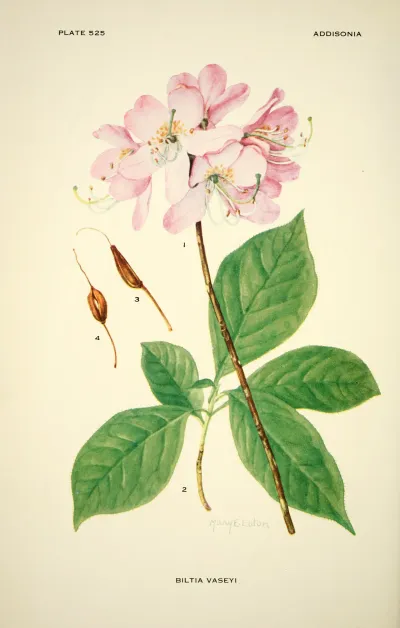 1 of 2
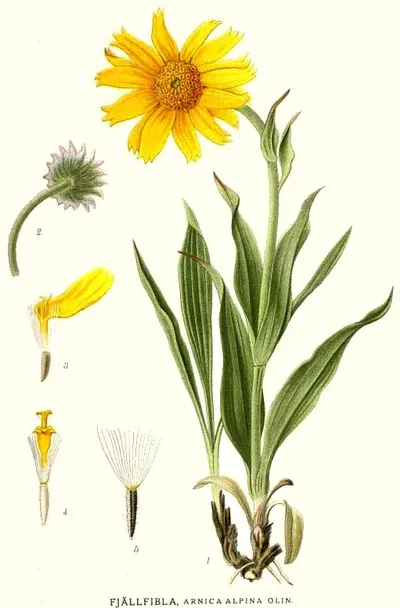 1 of 3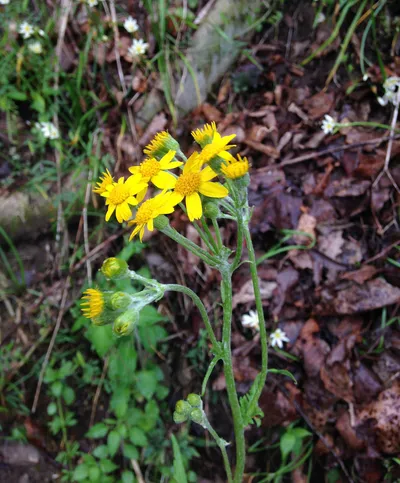
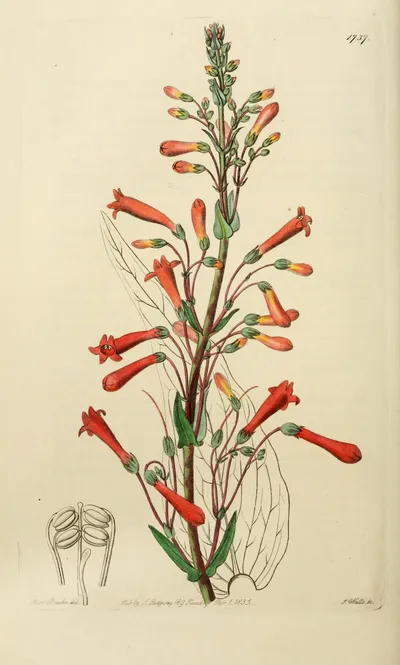 1 of 3
No plants match those filters.
Sources
- Butterflies and Moths of North America ↗
- iNaturalist ↗
- Plant associations from GloBI flower-visit records and NPIN larval-host data. Butterfly photographs via iNaturalist (CC BY).