woodland wildflower
Fireweed
Chamerion angustifolium
Also known as Willow Herb, Great Willow Herb
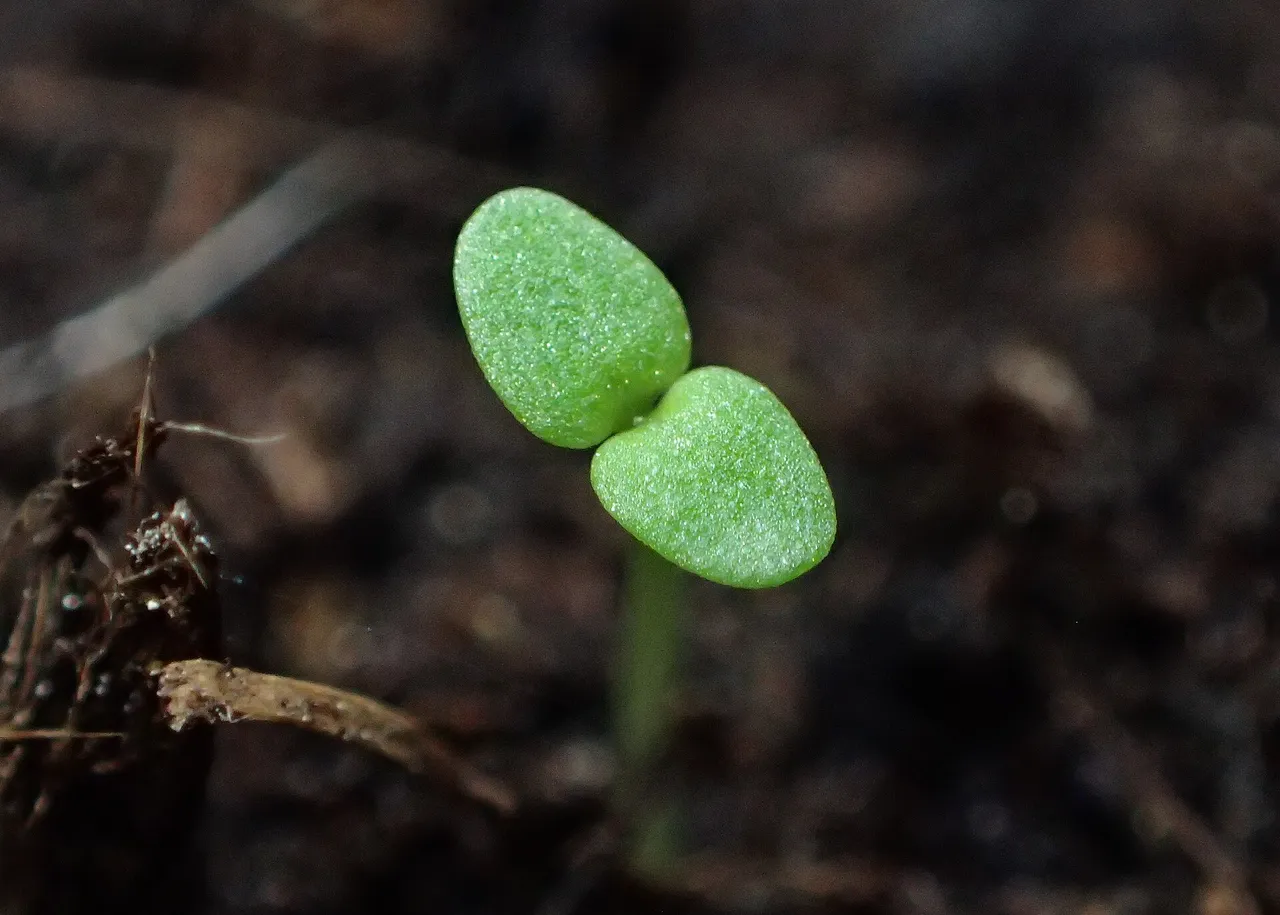
Native to much of the USA and Canada
Throughout most of western North America; from British Columbia east to Newfoundland, south to North Carolina, west to Tennessee, and northwest to Illinois, Iowa, and North Dakota. Southwest from California north to Washington. In the far north from Alaska to Nunavit.
- Light Full sun to part shade Sun tolerance
- Moisture Dry to moist Moisture preference
- Zones 2–6 Cold to heat range
- Bloom Jun–Sep Flowering time
- Height up to 6 ft to 1.8 m
- Life cycle Perennial Annual to perennial
In the garden
A woodland wildflower for full sun to part shade and dry to moist soil. At up to 6 ft, it needs room in shade gardens and woodland edges. Hardy in USDA zones 2–6.
Growing conditions
Light
Full sun Partial shade Full shade
Moisture
Dry Moist Wet
Hardiness zones
Find your zone:
Pollinators & wildlife
- Bees Common Eastern Bumble Bee
also Western Honey Bee, Brown-belted Bumble Bee, Two-spotted Bumble Bee +129 more
Yellow-faced Bumble Bee, Tricolored Bumble Bee, Black-tailed Bumble Bee, Bicolored Striped Sweat Bee, Pure Green Sweat bee, Bombus fervidus, Red-belted Bumble Bee, Hunt's Bumble Bee, Perplexing Bumble Bee, Fuzzy-Horned Bumble Bee, Two-form Bumble Bee, Half-black Bumble Bee, Orange-legged Furrow Bee, Yellow-fronted Bumble Bee, Vancouver Bumble Bee, California Bumble Bee, Northern Amber Bumble Bee, Nevada Bumble Bee, Yellow-banded Bumble Bee, Sculptured Resin Bee, Great Basin Bumble Bee, Modest Masked Bee, Confusing Furrow Bee, Nearctic Bumble Bee, Spurred Ceratina, Western Leafcutter Bee, Urbane Digger Bee, Yellowish Cuckoo Bumble bee, Sitka Bumble Bee, Indiscriminate Cuckoo Bumble Bee, broad-handed leafcutter bee, Orange-tipped Wood-digger, Pugnacious Leafcutter Bee, White-shouldered Bumble Bee, Tansy Mustard Sweat Bee, Western Bumble Bee, Texas Leafcutter Bee, Van Dyke's Bumble Bee, Unarmed Leafcutter Bee, Lucorum-group Bumble Bees, Cryptic Bumble Bee, Forest Bumble Bee, Black-and-gray Leafcutter Bee, Sanderson's Bumble Bee, Ceratina acantha, frigid bumble bee, Golden-tailed Leafcutter Bee, Silver-tailed Petalcutter, Frigid Leafcutter Bee, Golden-belted Bumble Bee, White-fronted Small-Mason, Ashton's Cuckoo Bumble Bee, Agile Longhorn Bee, Small-handed Leaf-cutter Bee, Annulate Masked Bee, Black-and-green Metallic-Sweat bee, Heath Bumble Bee, Tiny Small carpenter, Anthidium mormonum, Common Masked Bee, Silver-fronted Small-Mason, Osmia proxima, Buff-tailed Bumble Bee, Cactus Mason Bee, Megachile lapponica, Marin County Sweat Bee, Episcopal Masked Bee, Coelioxys porterae, Osmia atrocyanea, Common Furrow Bee, Osmia tristella, Osmia juxta, White-sided Mason Bee, Red-tailed Bumble Bee, Osmia ednae, Miteless Sweat Bee, Willughby's Leafcutter Bee, Osmia pusilla, Yellow-legged Mining Bee, Peaceful Sweat Bee, Osmia paradisica, Osmia densa, Coelioxys mesae, Osmia grindeliae, Hoplitis fulgida fulgida, Osmia montana montana, Coelioxys sodalis, Lasioglossum zonulum, Osmia dolerosa, Coelioxys moesta, Singular Miner Bee, Lasioglossum sp.F2, Osmia aff.paradisica, Lasioglossum sp.M4, Stelis sp.F6, Lasioglossum sp.F4, Lasioglossum sp.M1, Colletes hyalinus hyalinus, Bombus flavidus flavidus, McKay's Western Bumble Bee, Shrill Carder-Bumble bee, Early Bumble Bee, Melissodes microsticta, Brown-banded Carder-Bumble bee, Fog-belt Bumble Bee, Bombus ruderarius, Great Yellow Bumble Bee, Barbut's Cuckoo Bumble bee, Furry-claspered Furrow Bee, Bloomed Furrow Bee, Northern White-tailed Bumble Bee, Bohemian Cuckoo Bumble bee, Forest Cuckoo Bumble bee, Common Carder Bumble Bee, Tree Bumble Bee, Mountain Mason Bee, Smeathman's Furrow Bee, Osmia nanula, Osmia pentstemonis, Cinquefoil Masked Bee, Hill Cuckoo Bumble bee, Garden Bumble Bee, Bombus ruderatus, Vestal Cuckoo Bumble bee, Osmia subaustralis, Anthophora occidentalis, Sphecodes sophiae, Anthophora montana, European Yellow Loosestrife Bee - Butterflies Monarch
also Red Admiral, Red-spotted Admiral, Clouded Sulphur +38 more
Western Tiger Swallowtail, Woodland Skipper, Wild Indigo Duskywing, Pale Swallowtail, Northern Azure, Green Comma, Polyommatus icarus, Aphrodite Fritillary, Western White, Melissa Blue, Broad-winged Skipper, American Branded Skipper, Arctic Skipper, Arctic Fritillary, Pacific Fritillary, Purple Lesser Fritillary, Mottled Duskywing, Large White, Silver-washed Fritillary, European Comma, Ringlet, Map, Meadow Brown, White-letter Hairstreak, Mariposa Copper, Holly Blue, Northern Blue, Thymelicus sylvestris, Green-veined White, Occidryas editha, Speckled Wood, European Peacock Butterfly, Heath Fritillary, Speyeria atlantis, Common Zebra Blue, Plebejus glandon, Strymon sylvinus, Poanes taxiles - Flower flies Common Drone Fly
also Long-tailed Aphideater, Thick-legged Hover Fly, Large-tailed Aphideater +30 more
Orange-legged Drone Fly, Common Loopwing Aphideater, American Snout Fly, Black-horned Smoothtail, Common Flower Fly, Broad-banded Aphideater, Woolly-tailed Marsh Fly, Northwestern Marsh Fly, Platycheirus peltatus Group, Systoechus oreas, Black-kneed Fen Fly, Common Globetail, Systoechus fumipennis, Onion Bulb Fly, Asymmetric Globetail, Marmalade Hover Fly, Mundane Sedgesitter, Ladder-backed Hover Fly, Eurasian Smoothwing, Heineken Fly, Platycheirus melanistic sp.complx, Variable Globetail, Western Pond Fly, Black-legged Gossamer, Sphegina clunipes, Sun Fly, Yellow-barred Peat Hover Fly, Pellucid Hover Fly, Yellow-bowed Smoothwing, Eupeodes lapponicus - Also visited by
- Moths:
White-lined Sphinx, Virginian Tiger Moth +19 more
Virginia Ctenucha Moth, Hummingbird Clearwing, Bedstraw Hawkmoth, Police Car Moth, Fireweed Clearwing Moth, Langton's Forester, Smoky Gesneria, White-banded Carpet Moth, Northern Carpet, Lesser Peachtree Borer Moth, Eurasian Hummingbird Hawkmoth, flax bollworm, Square-Spot Dart, Middle-barred Minor, Mottled Beauty, Syngrapha ain, Burnet Companion, Hyles vespertilio, Bright-line Brown-eye - Wasps:
Common Aerial Yellowjacket, Blackjacket +9 more
Parasitic Aerial Yellowjacket, Cross Potter Wasp, White-bordered Potter Wasp, Arctic Yellowjacket, Northern Aerial Yellowjacket, Tree Wasp, German Yellowjacket, Dolichovespula adulterina arctica, Saxon Wasp - Beetles:
Seven-spotted Lady Beetle, Banded Longhorn Beetle +9 more
Common Red Soldier Beetle, Yellow Velvet Beetle, Bee-mimic Beetle, Gnathacmaeops pratensis, Western Grape Rootworm, Judolia montivagans, Altica tombacina, four-banded longhorn beetle, Black-striped Longhorn Beetle - Hummingbirds: Ruby-throated Hummingbird
- Moths:
Butterflies that use this plant
Documented host and nectar records. Each links to a planting guide for that butterfly.
- American snoutnectar
- Aphrodite fritillarynectar
- Clouded sulphurnectar
- Common ringletnectar
- Eastern tiger swallowtailnectar
- Melissa bluenectar
- Monarch butterflynectar
- Pale swallowtailnectar
- Red admiralnectar
- Western tiger swallowtailnectar
Full plant details
Where it grows
- Habitat
- WoodlandThe wild plant community it grows in.
- Native range
- Much of the USA and CanadaUnited States (39): AK, AL, AZ, CA, CO, CT, DC, DE, IA, ID, IL, IN, MA, MD, ME, MI, MN, MT, NC, ND, NE, NH, NJ, NM, NV, NY, OH, OR, PA, RI, SD, TN, UT, VA, VT, WA, WI, WV, WY. Canada (13): AB, BC, MB, NB, NL, NS, NT, NU, ON, PE, QC, SK, YT. Where it grows wild on its own, by state and province.
- Native distribution
- Throughout most of western North America; from British Columbia east to Newfoundland, south to North Carolina, west to Tennessee, and northwest to Illinois, Iowa, and North Dakota. Southwest from California north to Washington. In the far north from Alaska to Nunavit.The same native range, usually more exact than the state list, and often noting where it has spread beyond it.
Growing conditions
- Light
- Full sun to part shadeHow much sun it takes, from full sun to full shade.
- Moisture
- Dry to moistThe soil dampness it prefers, from dry to wet.
- Hardiness zones
- USDA 2–6 · Canadian 0–5The cold-to-heat climate range it survives.
Growth & form
- Height
- up to 6 ft (to 1.8 m)Typical mature height.
- Life cycle
- PerennialWhether it lives a single season (annual), two (biennial), or returns for years (perennial).
Flowers, foliage & fruit
- Type
- WildflowerWhat kind of plant it is.
- Bloom
- Jun–SepWhen it flowers.
- Flower color
- PinkThe bloom color, or colors.
- Toxicity
- None knownWhether any part is poisonous to people or pets.