Pollinator
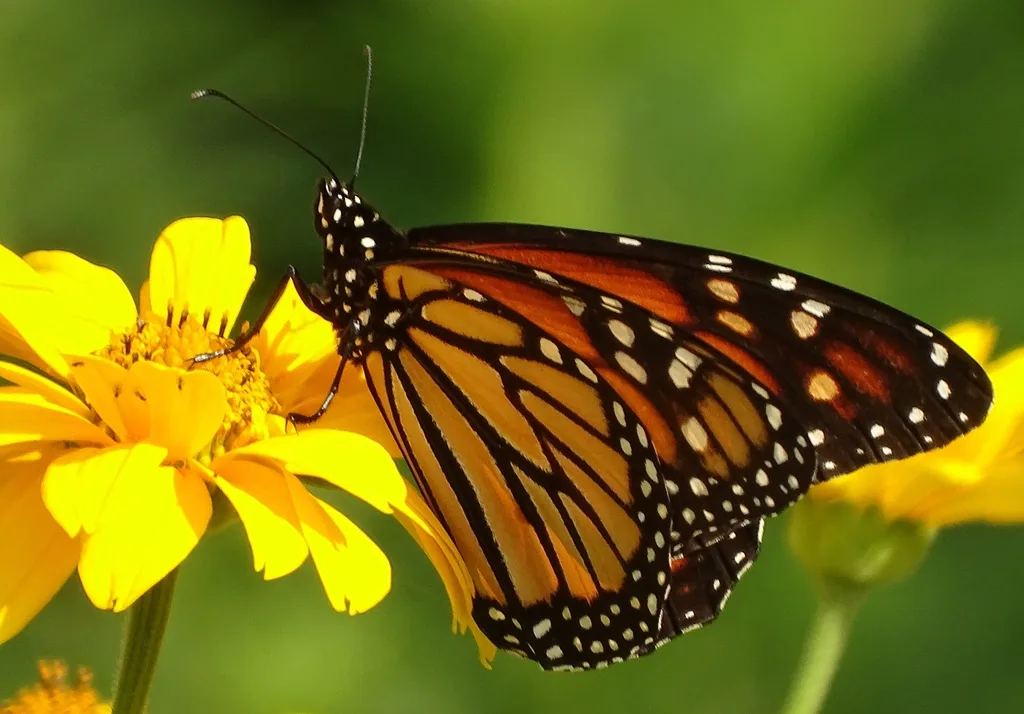
Monarch butterfly
Danaus plexippus
North America's most recognizable butterfly, and one of the animal world's great migrants.
- Family
- Nymphalidae (milkweed butterflies)
- Wingspan
- 3.5 to 4 in (8.9 to 10.2 cm)
- Flight season
- Spring to fall (several broods)
- Range
- Across North America; migratory
- Caterpillar food
- Milkweeds (Asclepias) only
- Conservation
- IUCN Vulnerable; proposed for U.S. ESA listing (2024)
The monarch is North America's most familiar butterfly: deep orange wings laced and bordered with black, dotted with white along the edges, spanning three and a half to four inches. It belongs to the milkweed butterflies, a group whose members store plant toxins as a chemical defense.
Monarchs are famous for a migration unmatched among insects. Each autumn, butterflies east of the Rockies travel as far as 3,000 miles to overwinter in the oyamel fir forests of central Mexico, while western monarchs gather along the California coast. No single butterfly completes the round trip; it takes three to four generations to move north each year, and a final long-lived generation to make the journey south.
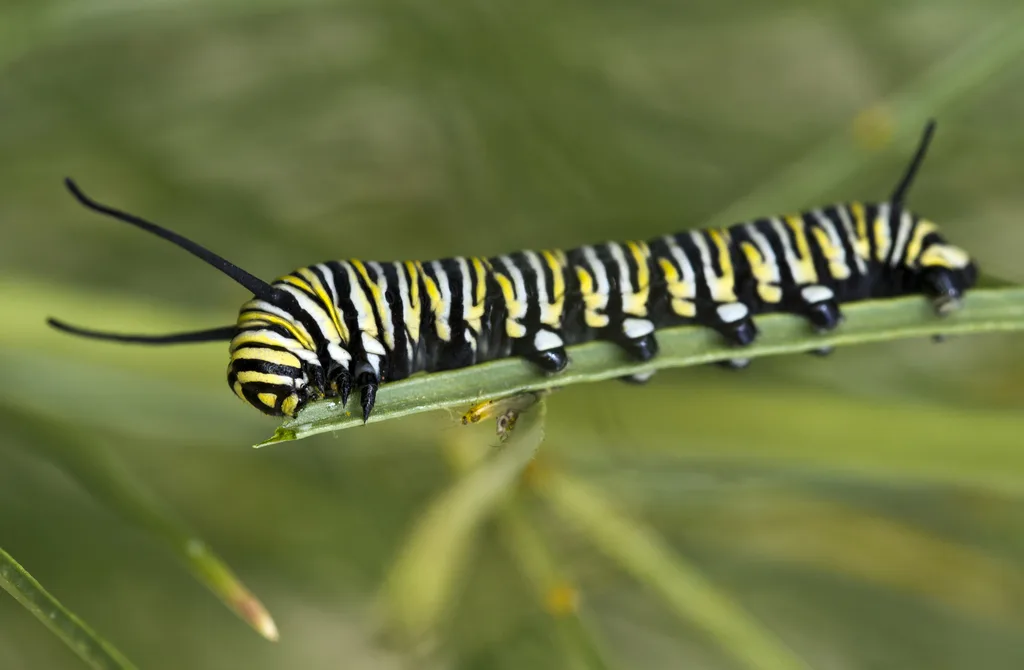
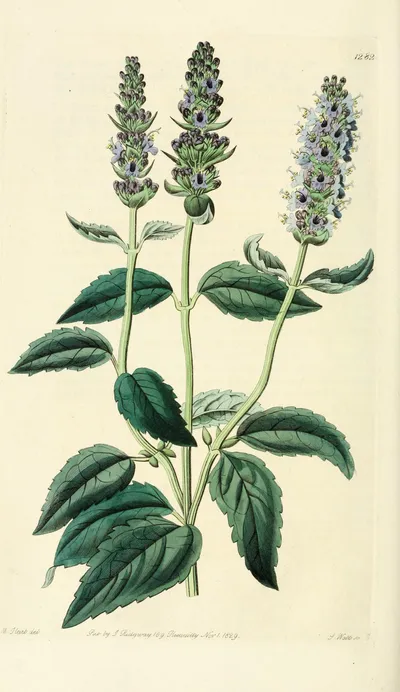
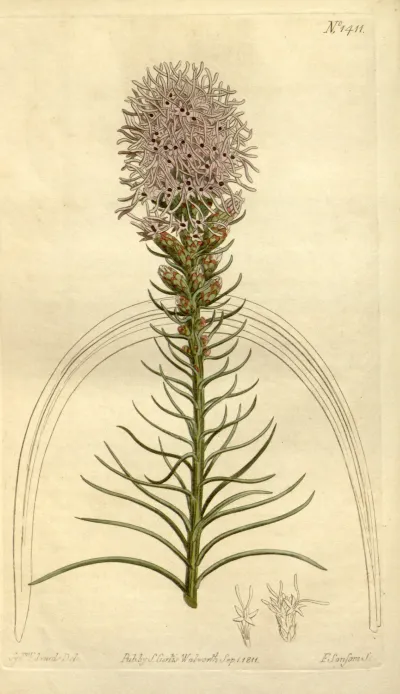
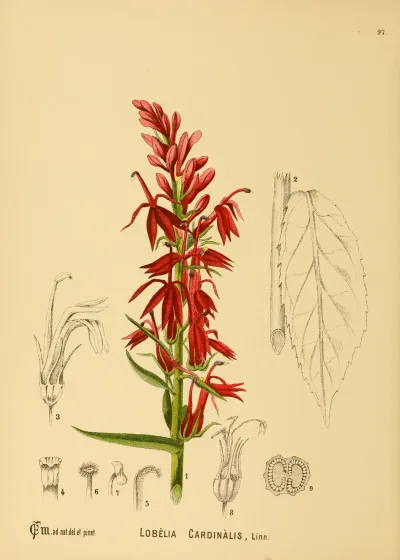
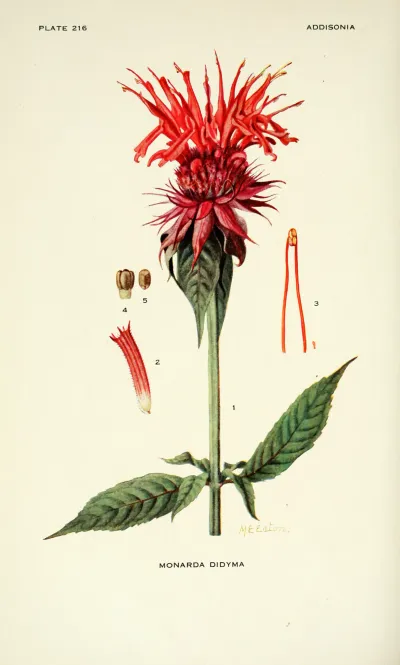
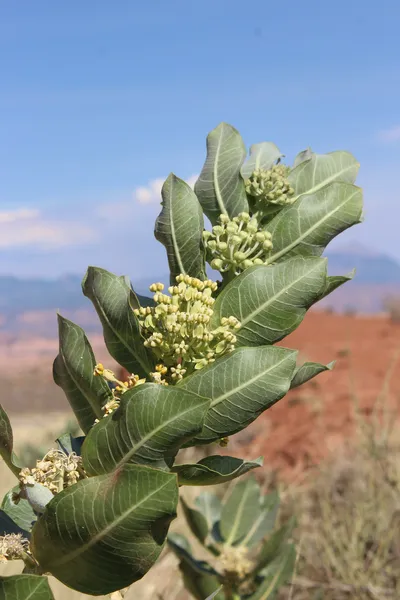
The link to milkweed is absolute. Female monarchs lay their eggs only on milkweed (Asclepias), the sole food of their caterpillars. Toxins from the plant pass into the caterpillar and the adult, making both distasteful to birds, an unpalatability advertised by bold warning colors. Adults feed far more widely, sipping nectar from many flowers to fuel flight and migration.
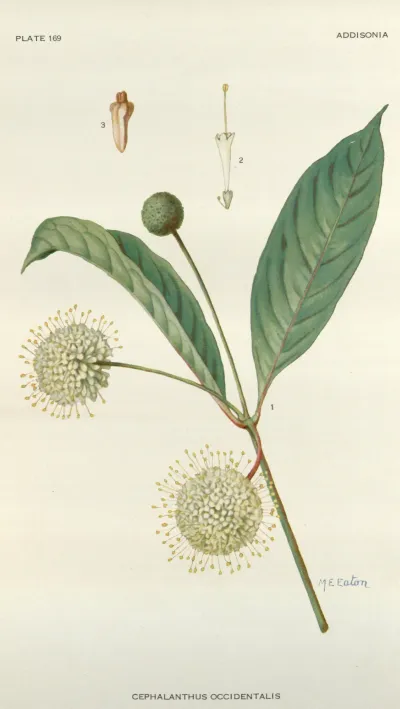
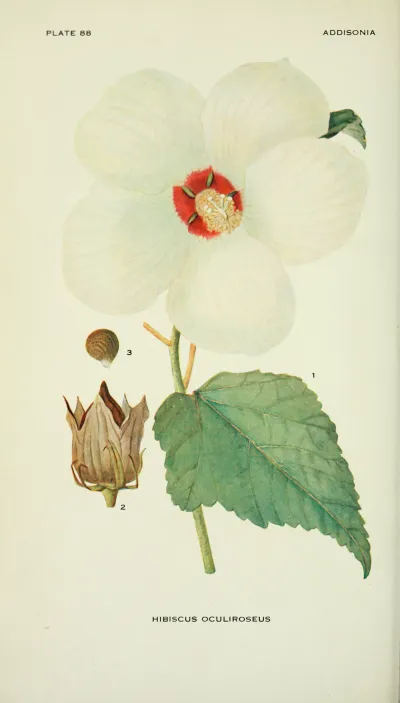
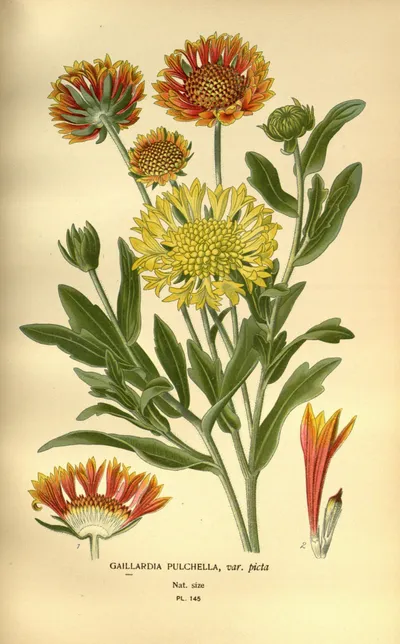
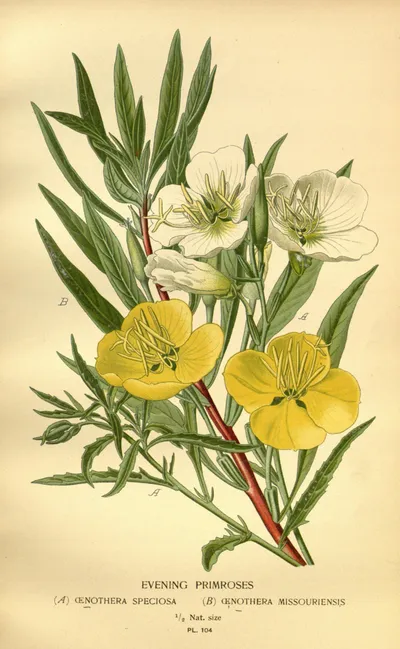
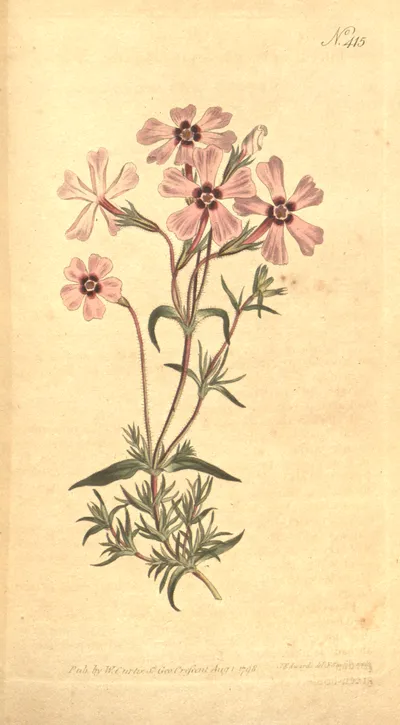
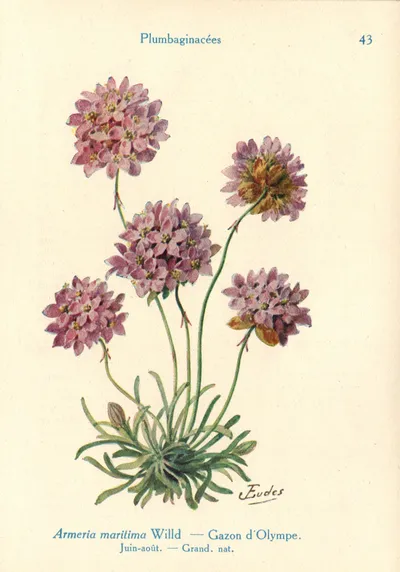
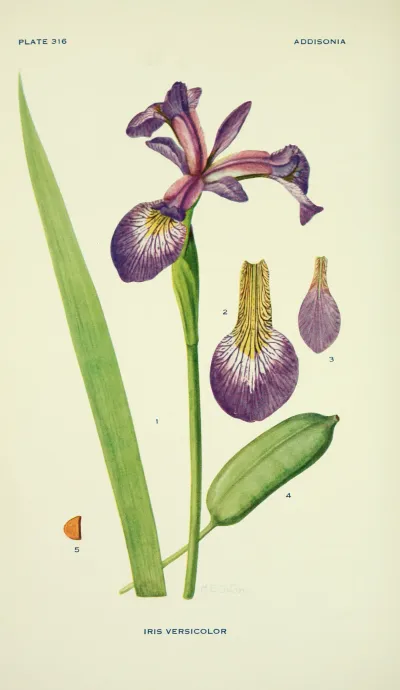
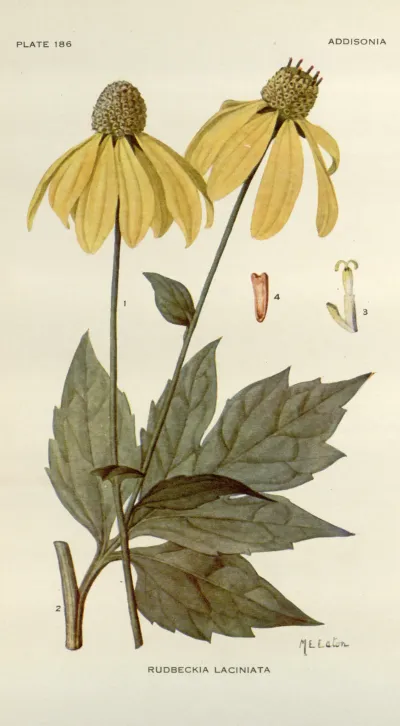
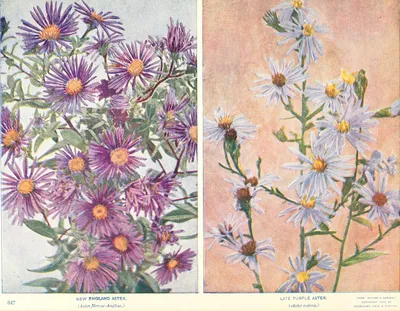
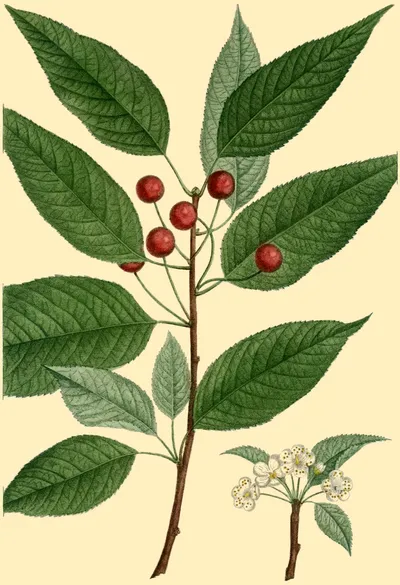
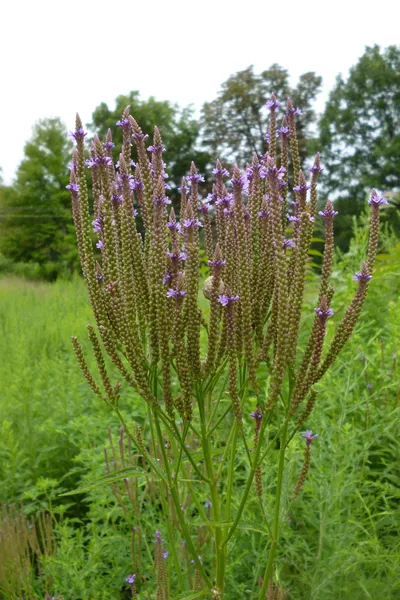
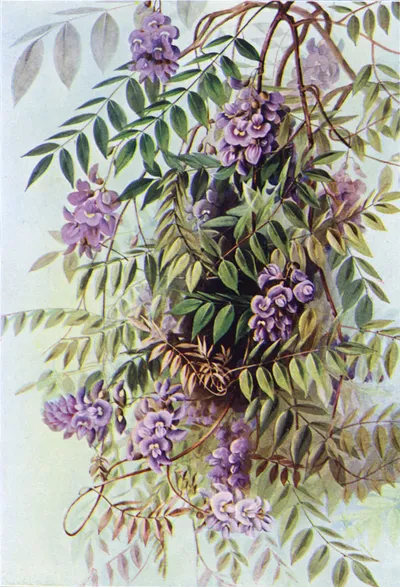
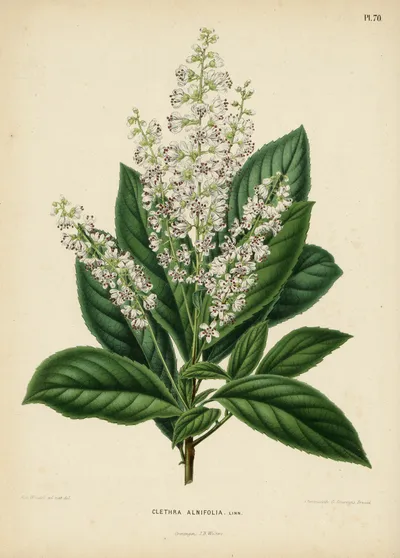
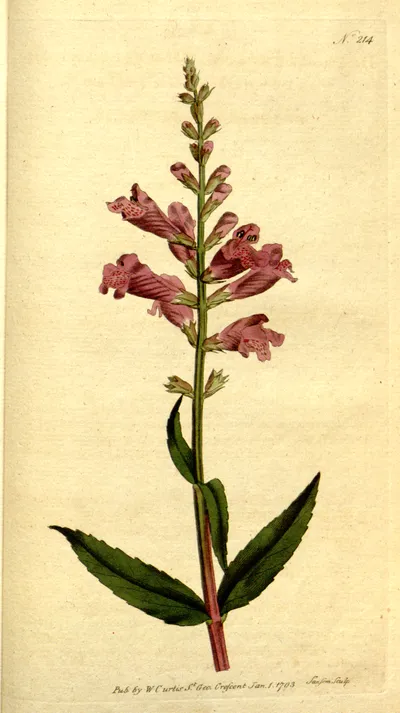
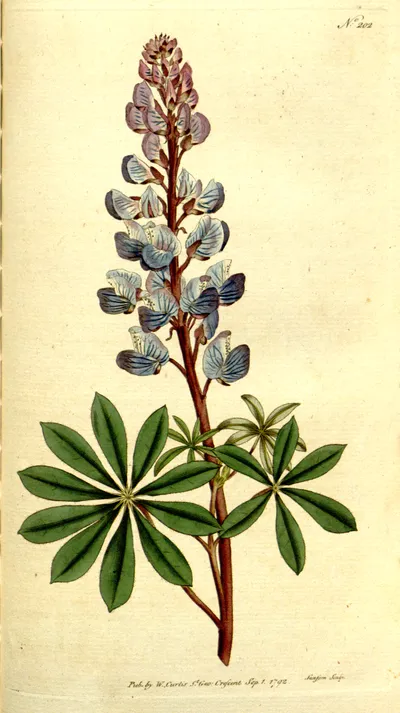
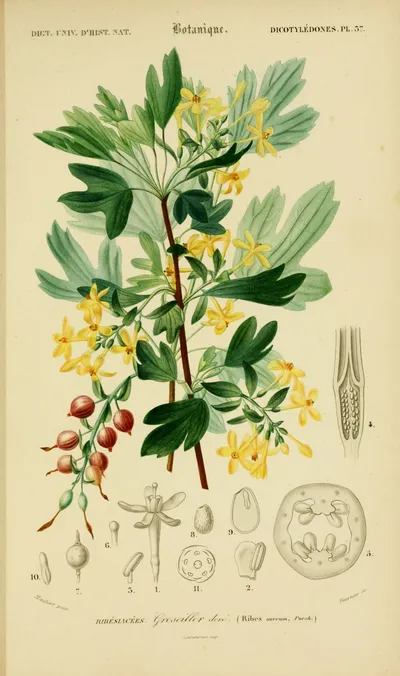
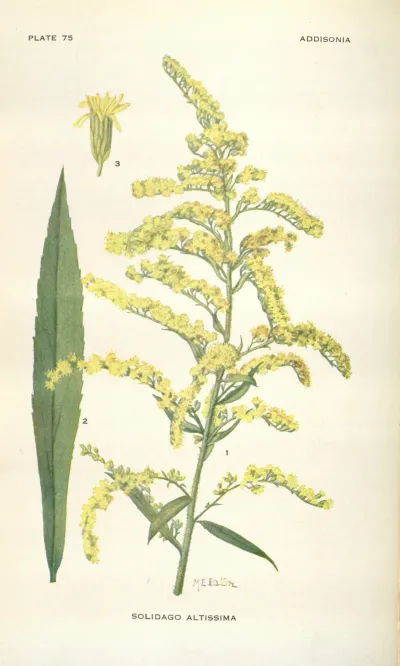
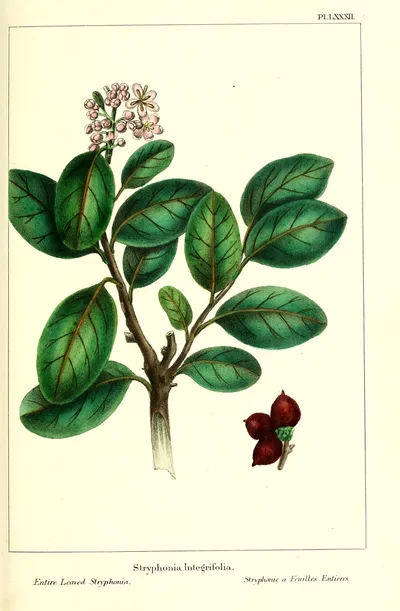
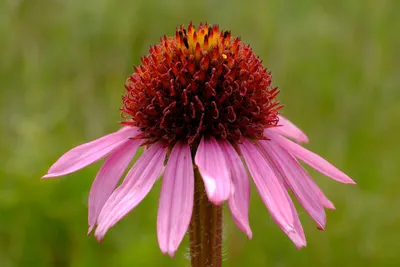
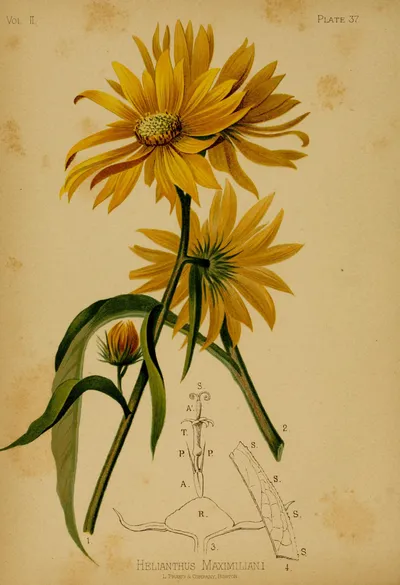
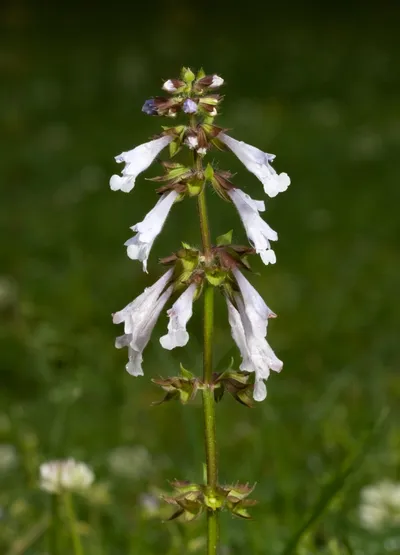
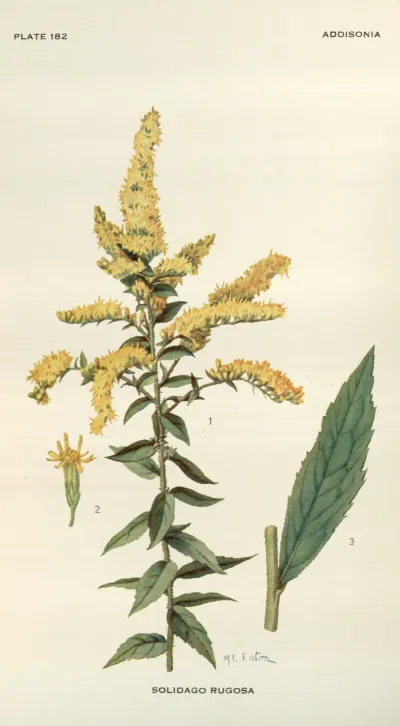
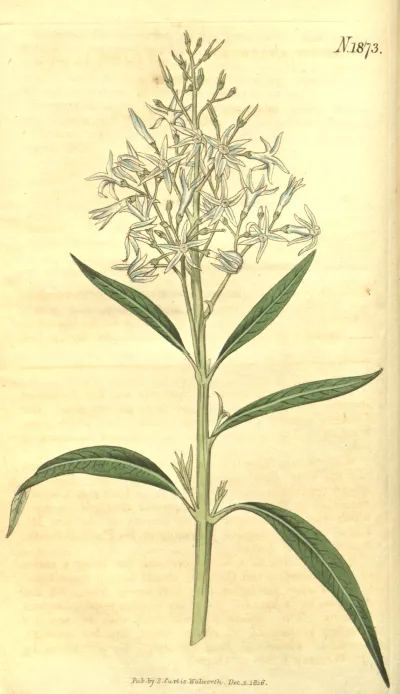
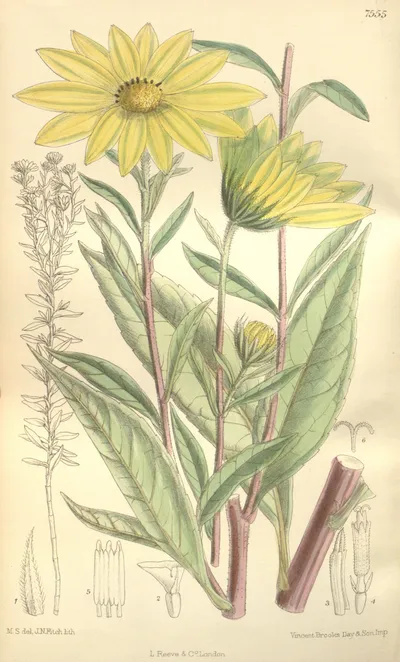
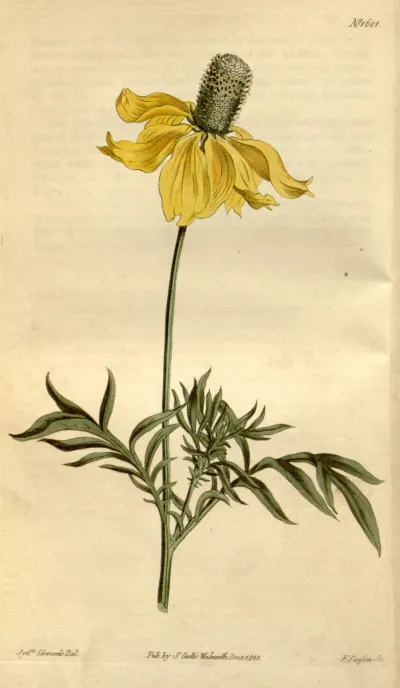
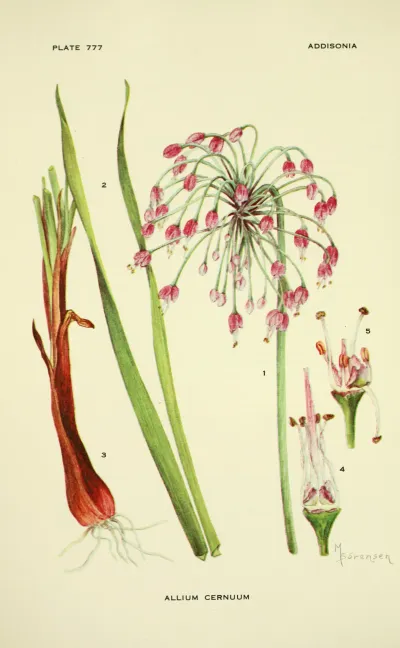
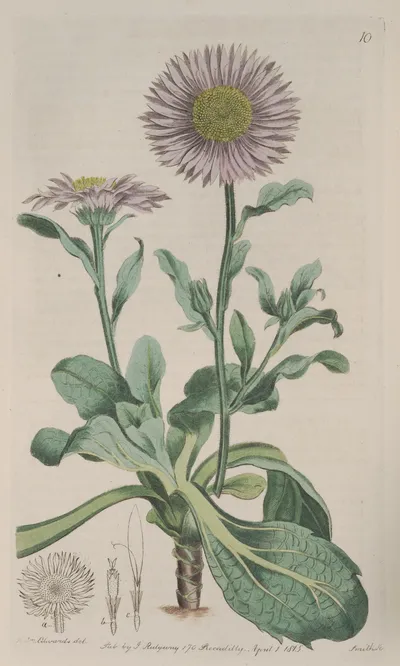
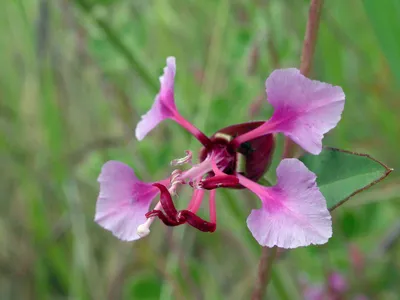
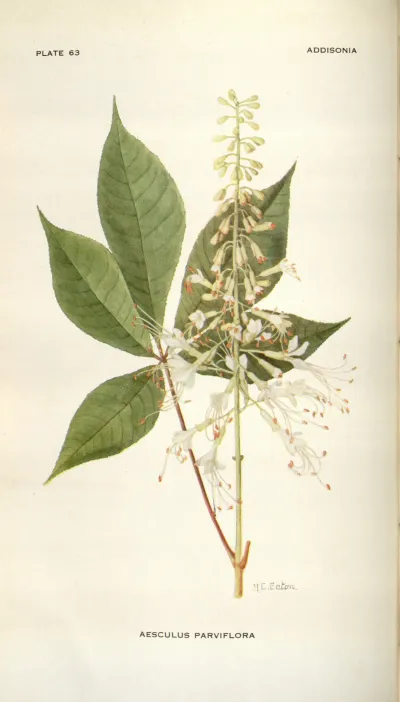
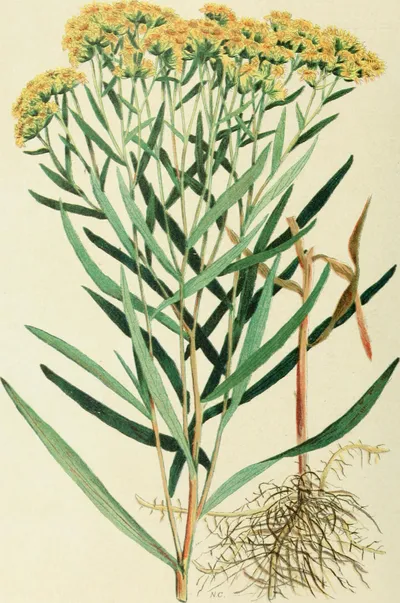
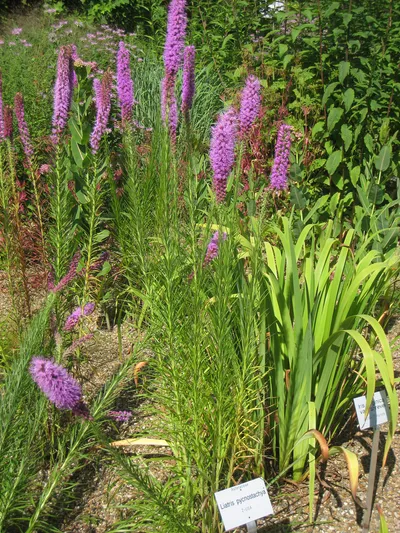
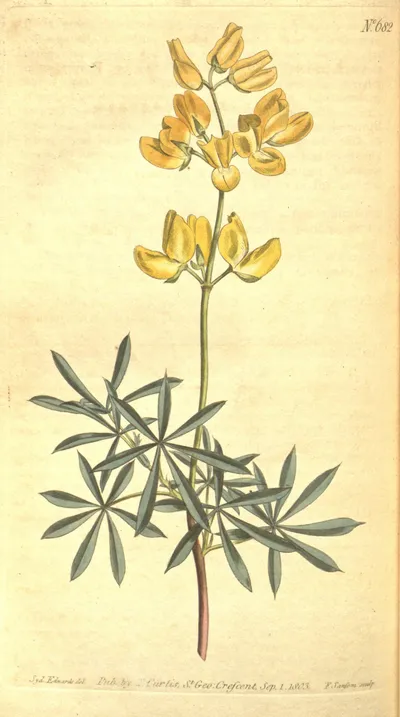
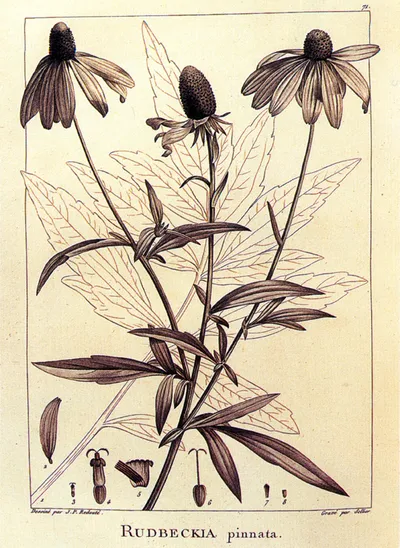
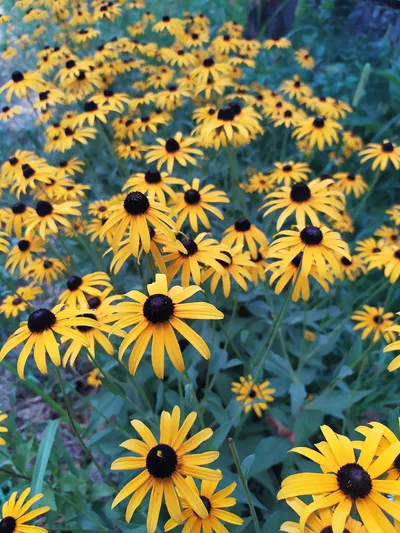
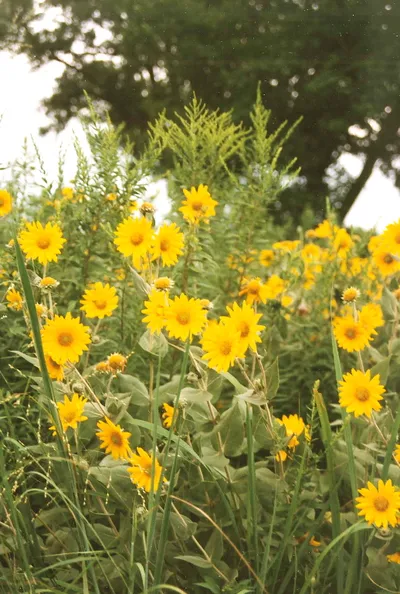
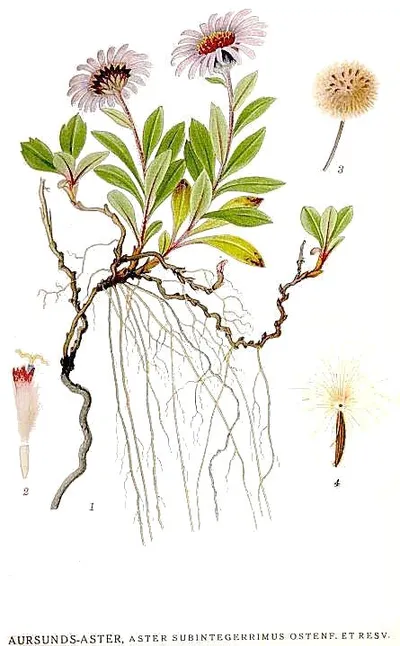
Supporting monarchs means providing both halves of their diet: native milkweed for the caterpillars, and a succession of nectar-rich flowers from spring through fall for the adults. The plants below are drawn from documented monarch records.
Plants for the monarch butterfly
6 caterpillar host plants and 115 documented nectar plants. Pick a role, then narrow with the filters below.
116 plants
 1 of 2
 1 of 2
 1 of 2
 1 of 3
 1 of 3
 1 of 2
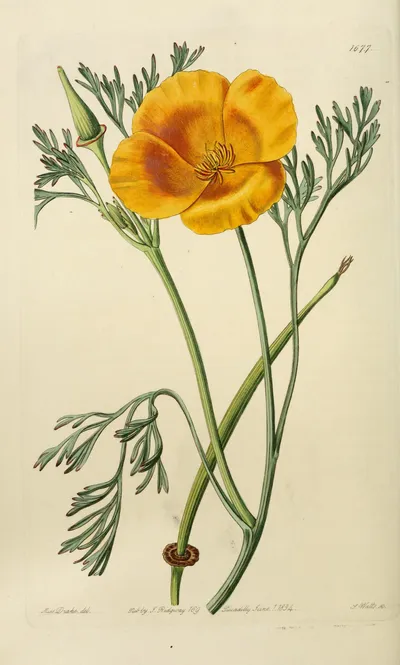 1 of 2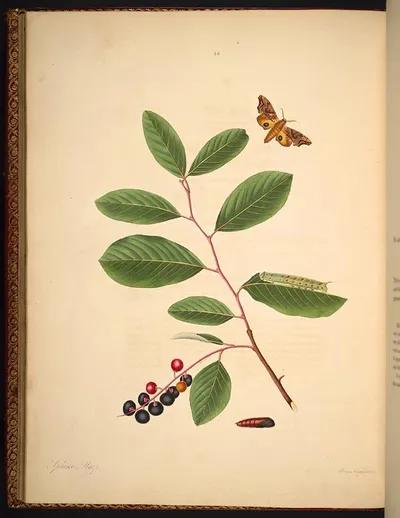
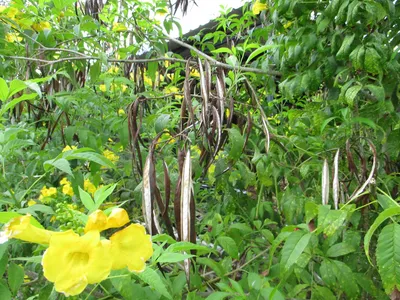
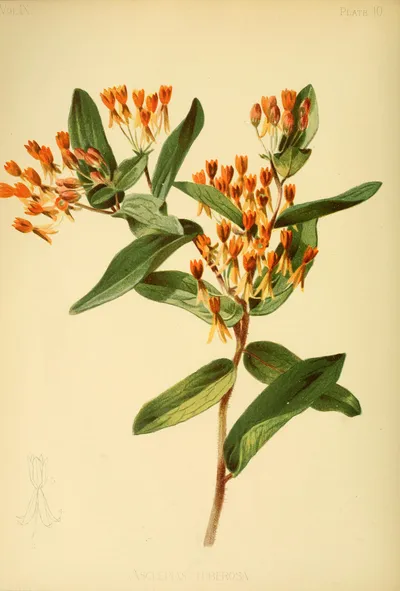 1 of 2
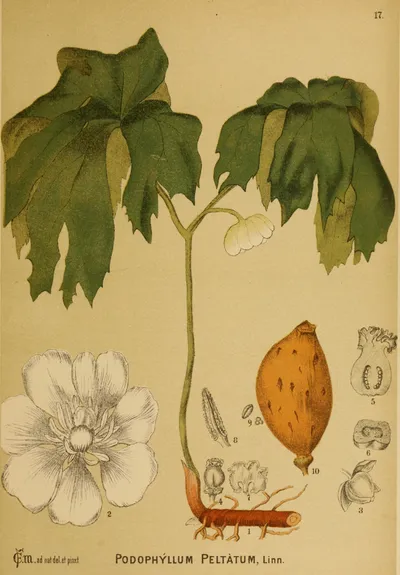 1 of 2
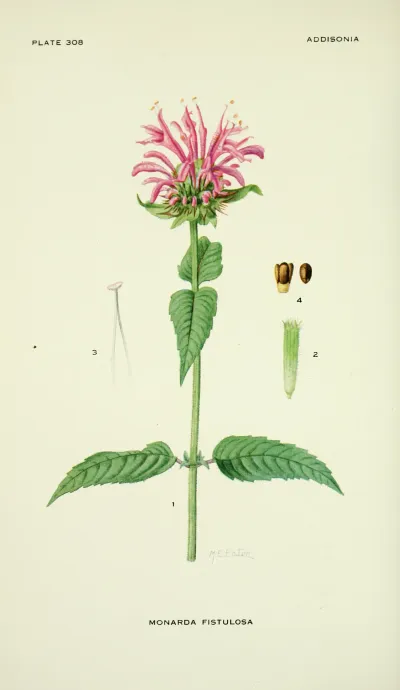 1 of 3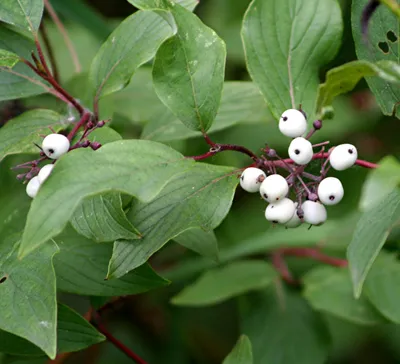
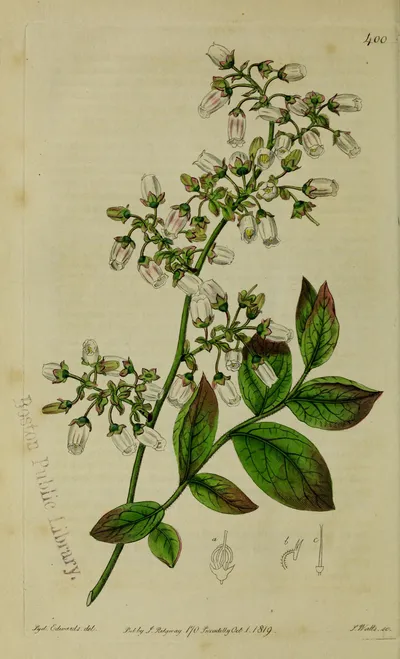 1 of 2
 1 of 3
 1 of 2
 1 of 2
 1 of 2
 1 of 2
 1 of 2
 1 of 3
 1 of 2
 1 of 3
 1 of 2
 1 of 2
 1 of 3
 1 of 3
 1 of 3
 1 of 2
 1 of 3
 1 of 2
 1 of 2
 1 of 2
 1 of 2
 1 of 2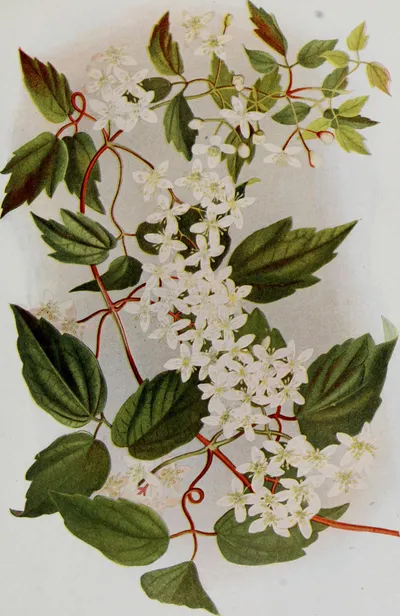
 1 of 2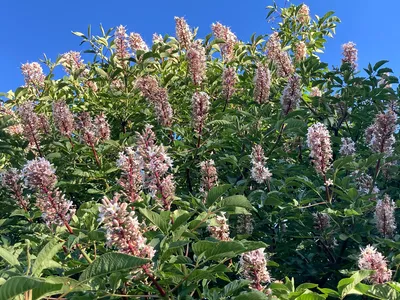
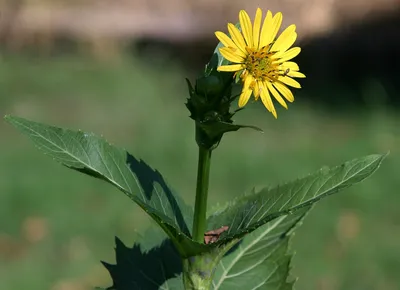
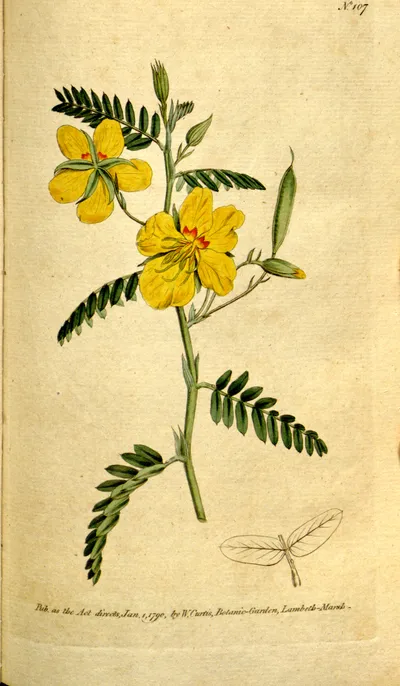 1 of 2
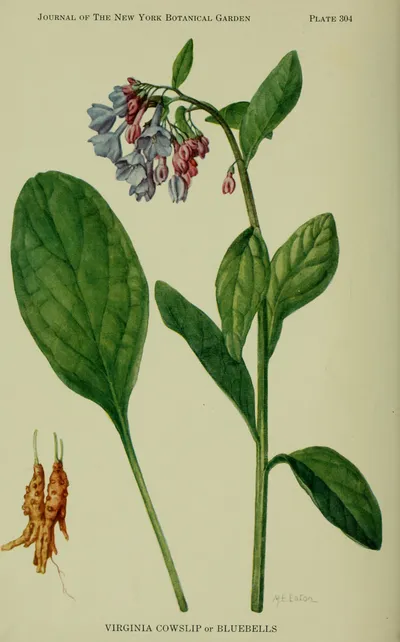 1 of 3
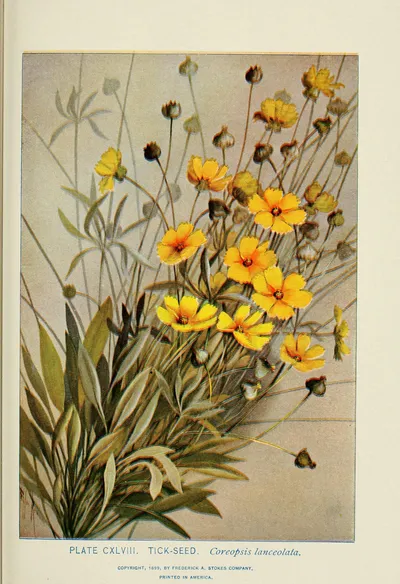 1 of 3
 1 of 3
 1 of 2
 1 of 2
 1 of 2
 1 of 3
 1 of 2
 1 of 2
 1 of 2
 1 of 2
 1 of 3
 1 of 2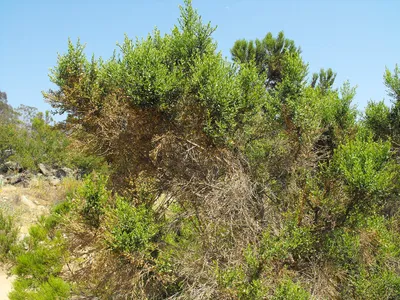
 1 of 2
 1 of 2
 1 of 2
 1 of 2
 1 of 3
 1 of 2
 1 of 2
 1 of 2
 1 of 2
 1 of 3
 1 of 3
 1 of 2
 1 of 2
 1 of 2
 1 of 3
 1 of 4
 1 of 2
 1 of 2
 1 of 2
 1 of 2
 1 of 3
 1 of 3
 1 of 2
 1 of 2
 1 of 2
 1 of 2
 1 of 2
 1 of 2
 1 of 2
 1 of 2
 1 of 2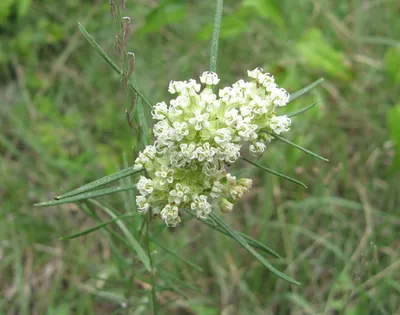
 1 of 2
 1 of 2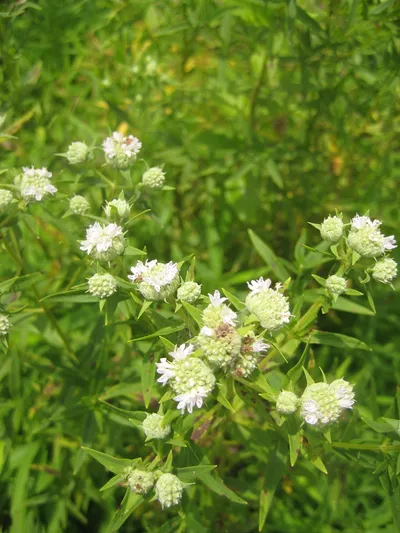
 1 of 2
 1 of 2
 1 of 2
 1 of 3
 1 of 3
 1 of 3
 1 of 2
 1 of 2
 1 of 2
 1 of 2
 1 of 2
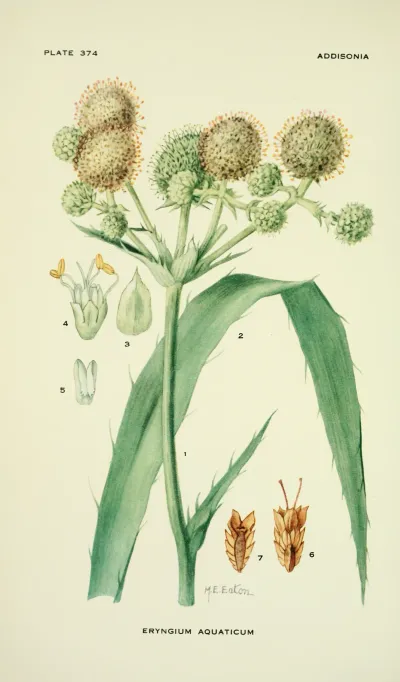 1 of 2
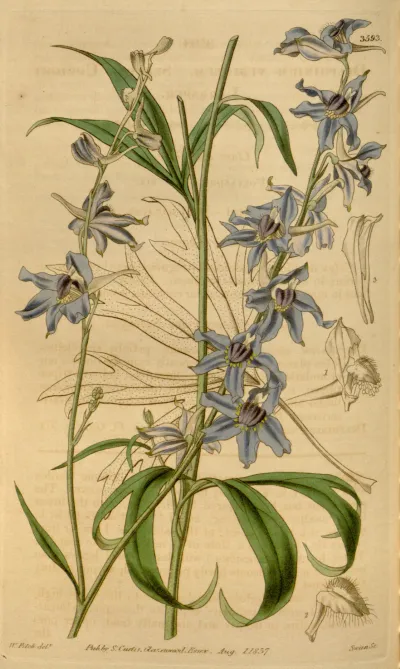 1 of 3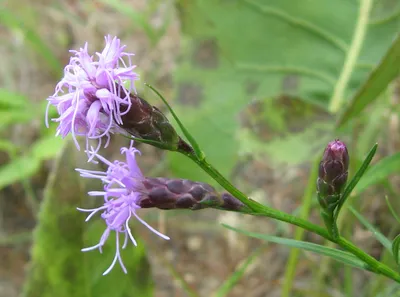
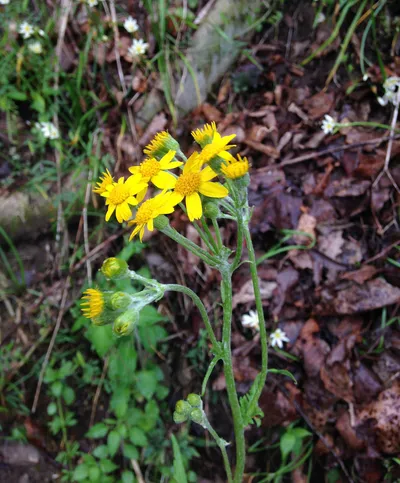
 1 of 2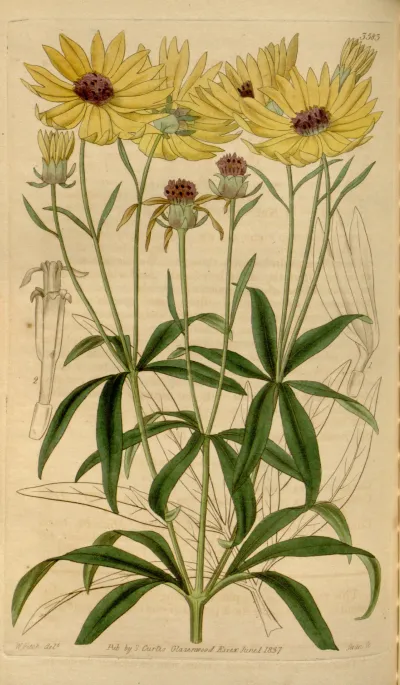
 1 of 2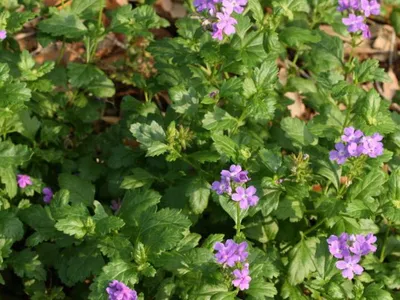
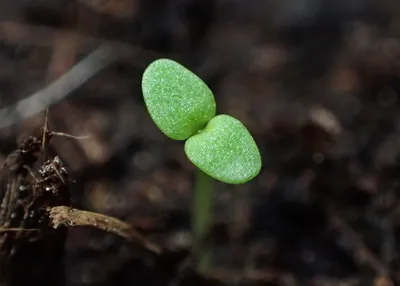
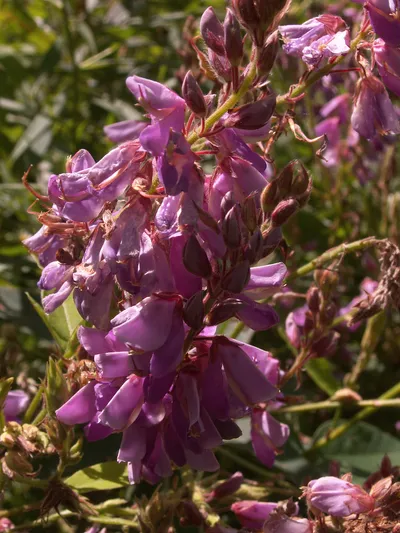 1 of 2
No plants match those filters.
Sources
- Xerces Society for Invertebrate Conservation ↗
- Monarch Watch ↗
- Butterflies and Moths of North America ↗
- Plant associations from GloBI flower-visit records and NPIN larval-host data. Butterfly photographs via iNaturalist (CC BY).