prairie wildflower
Narrow-leaved purple coneflower
Echinacea angustifolia
Also known as Black Samson, Black Samson Echinacea, Narrow-leaf Coneflower, narrowleaf purple coneflower
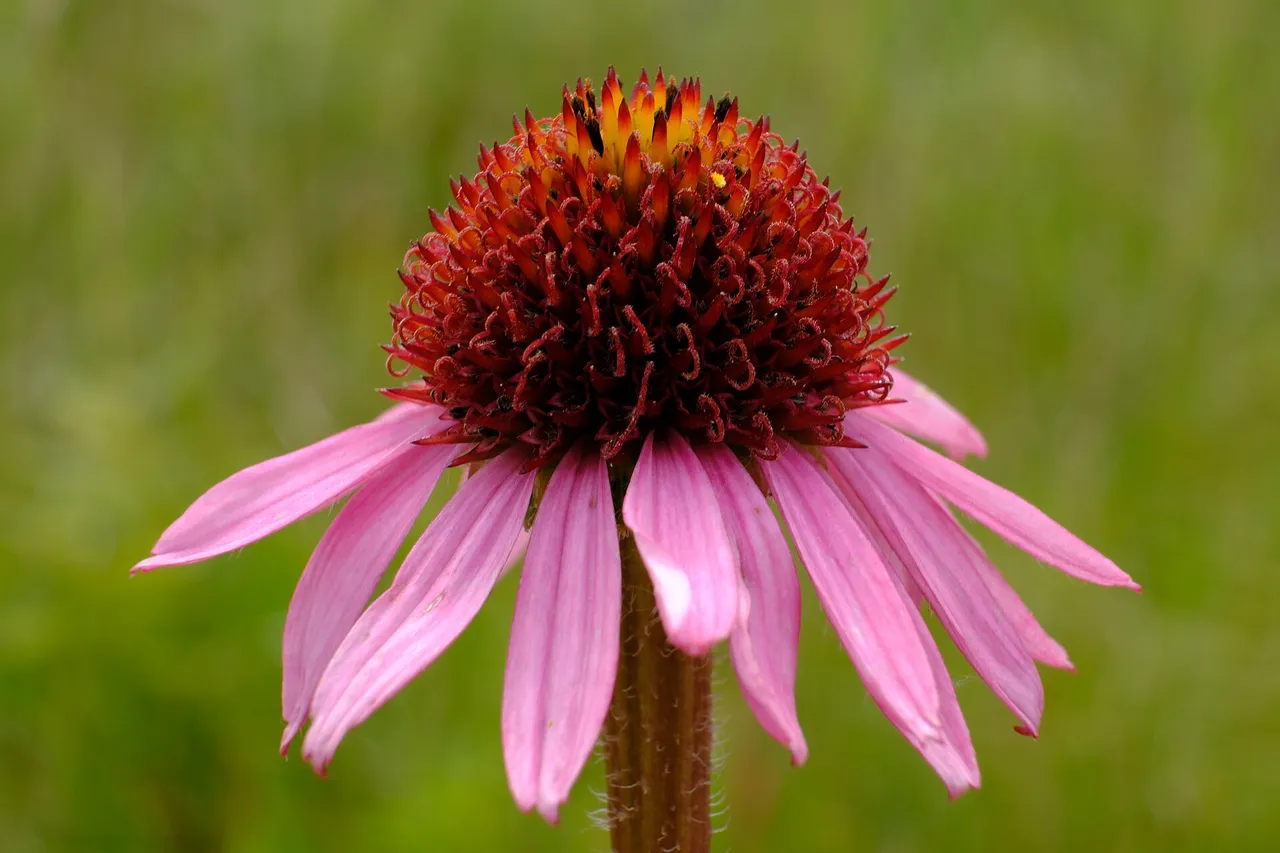 1 of 2
Native to the Great Plains, the Rockies, and the Midwest and southern Canada
Western Minnesota to Saskatchewan and Montana, south to Texas and New Mexico
- Light Full sun to part shade Sun tolerance
- Moisture Dry Moisture preference
- Zones 3–9 Cold to heat range
- Bloom Apr–Jul Flowering time
- Height up to 28 in to 71 cm
- Life cycle Perennial Annual to perennial
In the garden
A prairie wildflower for full sun to part shade and lean, dry soil. Its pink and purple flowers peak in May. At up to 28 in, it suits meadows and sunny borders. Hardy in USDA zones 3–9.
Growing conditions
Hardiness zones
When it blooms
The Narrow-leaved purple coneflower's pink and purple flowers bloom April to July, peaking in May. This late-spring display draws bees and butterflies.
Narrow-leaved purple coneflower blooms pink & purpleFoliage
Pollinators & wildlife
- Bees Common Eastern Bumble Bee
also Western Honey Bee, Brown-belted Bumble Bee, American Bumble Bee +14 more
Tricolored Bumble Bee, Bicolored Striped Sweat Bee, Red-belted Bumble Bee, Black-and-gold Bumble Bee, Half-black Bumble Bee, Nevada Bumble Bee, Golden Sweat Bee, Dark-veined Longhorn Bee, Southern Plains Bumble Bee, Cresson's Mining Bee, Big-cheeked Angled-Mason, Tickseed Longhorn Bee, Pseudopanurgus albitarsis, Melissodes subillata - Butterflies Monarch
also Red Admiral, Pearl Crescent, Common Buckeye +12 more
Queen, Viceroy, Clouded Sulphur, Common Wood-Nymph, Tawny-edged Skipper, Arogos Skipper, Anatrytone logan lagus, Atrytone delaware, Ottoe Skipper, Polites origenes, Cynthia cardui, Speyeria idalia - Flower flies Long-tailed Aphideater also grasshopper bee fly
Butterflies that use this plant
Documented host and nectar records. Each links to a planting guide for that butterfly.
- Clouded sulphurnectar
- Common buckeyenectar
- Common wood-nymphnectar
- Monarch butterflynectar
- Pearl crescentnectar
- Queennectar
- Red admiralnectar
- Viceroynectar
Full plant details
Where it grows
- Habitat
- PrairieThe wild plant community it grows in.
- Native range
- The Great Plains, the Rockies, and the Midwest and southern CanadaUnited States (13): CO, IA, KS, MN, MO, MT, ND, NE, NM, OK, SD, TX, WY. Canada (2): MB, SK. Where it grows wild on its own, by state and province.
- Native distribution
- Western Minnesota to Saskatchewan and Montana, south to Texas and New MexicoThe same native range, usually more exact than the state list, and often noting where it has spread beyond it.
Growing conditions
- Light
- Full sun to part shadeHow much sun it takes, from full sun to full shade.
- Moisture
- DryThe soil dampness it prefers, from dry to wet.
- Hardiness zones
- USDA 3–9 · Canadian 3–7The cold-to-heat climate range it survives.
- Soil
- Clay Loam, Medium Loam, Sandy Loam, Clay, SandyThe soils it grows in naturally.
- Soil texture
- Light to heavy (sandy to clay)The soil grade it prefers, from sand to clay.
- Soil pH
- Mildly acid to mildly alkalineThe acidity to alkalinity it tolerates (7 is neutral).
- Water use
- LowHow thirsty it is, a rough guide to how often to water.
Growth & form
- Height
- up to 28 in (to 71 cm)Typical mature height.
- Spread
- ~2 ft (0.5 m)How wide one plant gets, a guide to spacing.
- Life cycle
- PerennialWhether it lives a single season (annual), two (biennial), or returns for years (perennial).
- Growth rate
- ModerateA relative ranking versus other plants of the same type (USDA), not an absolute rate.
Flowers, foliage & fruit
- Type
- WildflowerWhat kind of plant it is.
- Bloom
- Apr–JulWhen it flowers.
- Flower color
- Pink, PurpleThe bloom color, or colors.
- Fruit/Seeds
- Achene; ripens Aug–OctThe seed or fruit it sets after flowering.
- Toxicity
- None knownWhether any part is poisonous to people or pets.