Pollinator
Viceroy
Limenitis archippus
The monarch look-alike of wet meadows, told by a line across the hindwing.
- Family
- Nymphalidae (admirals)
- Wingspan
- 2.5 to 3.4 in (6.3 to 8.6 cm)
- Flight season
- Spring to fall
- Range
- Across the United States and southern Canada
- Caterpillar food
- Willows and poplars
- Conservation
- Secure and widespread
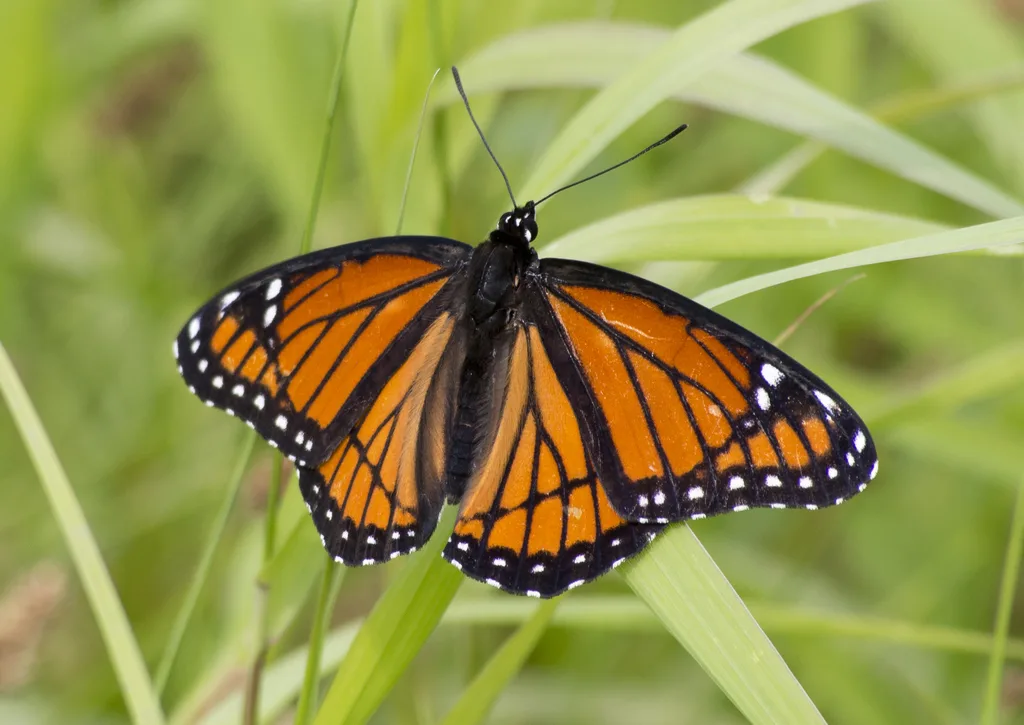
Orange and black and famous for its resemblance to the monarch, the viceroy is told apart by a black line crossing each hindwing. Once thought a harmless mimic, it is now known to be distasteful in its own right.
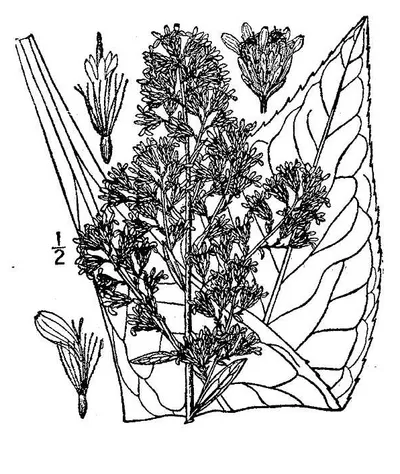
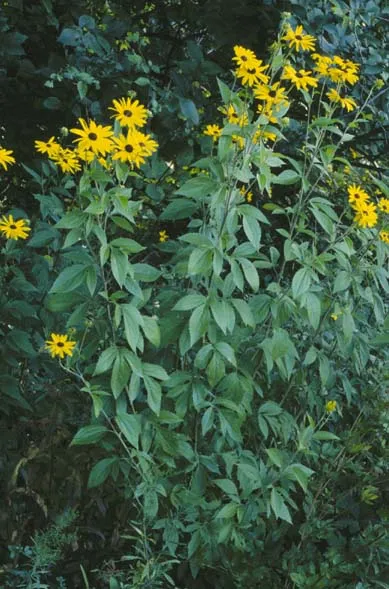
It is a butterfly of wet meadows, streamsides, and marsh edges, where its willow and poplar hosts grow. Adults nectar on asters, goldenrods, and other flowers.
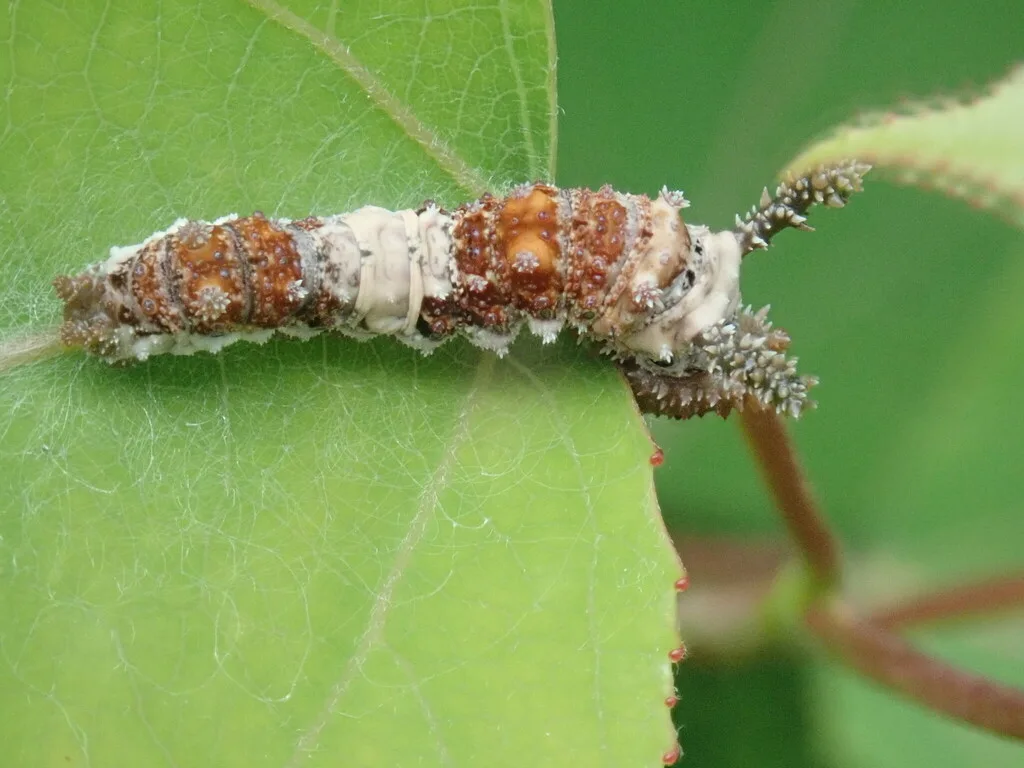
Caterpillars, which also mimic bird droppings, feed on willows and poplars and overwinter as young larvae rolled in a leaf.
Plants for the viceroy
46 native plants with documented flower-visit records. Narrow with the filters below.
46 plants
 1 of 2
 1 of 2
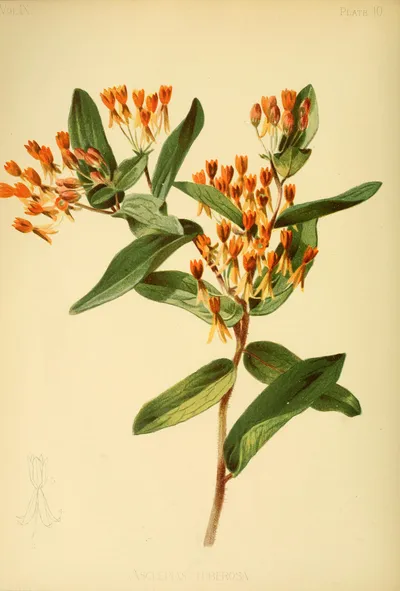 1 of 2
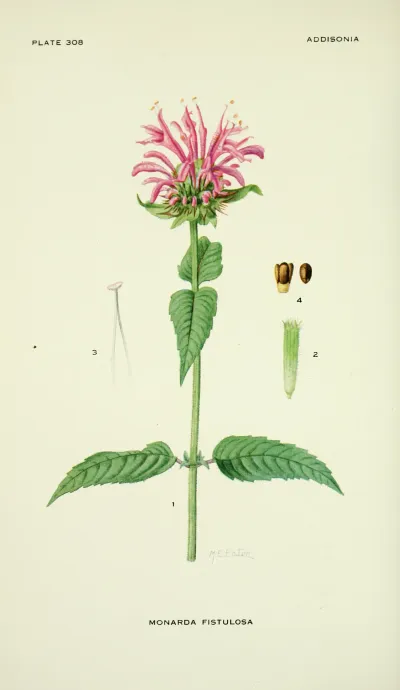 1 of 3
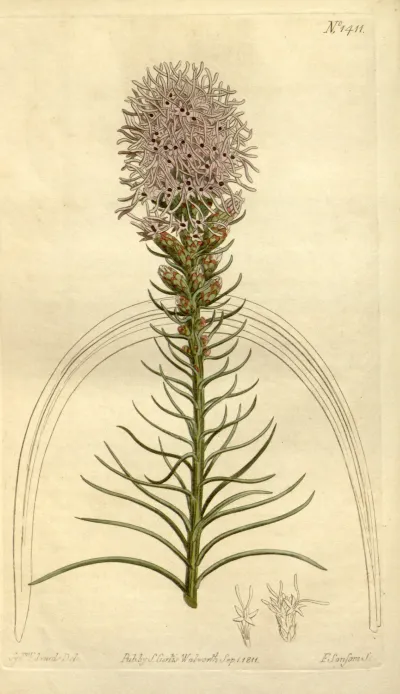 1 of 2
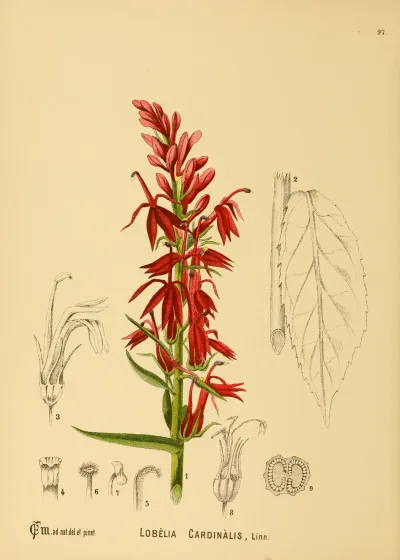 1 of 2
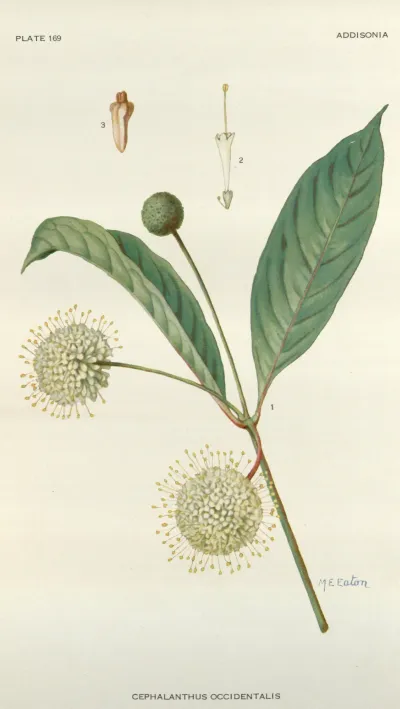 1 of 2
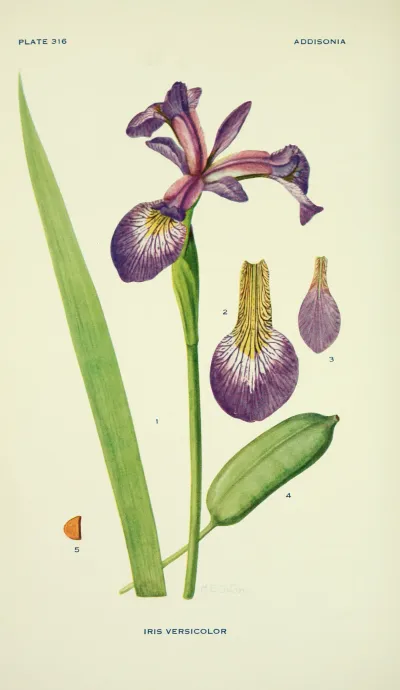 1 of 2
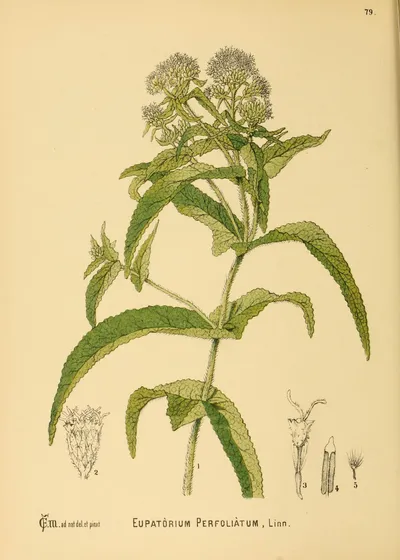 1 of 2
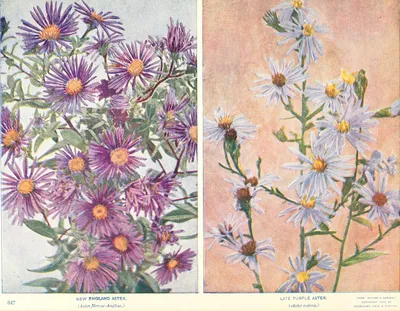 1 of 2
 1 of 2
 1 of 2
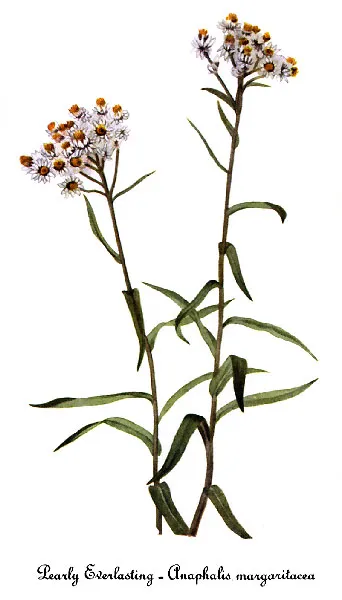 1 of 3
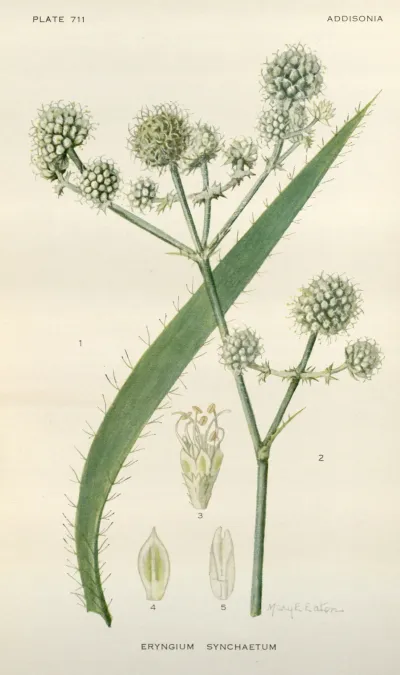 1 of 2
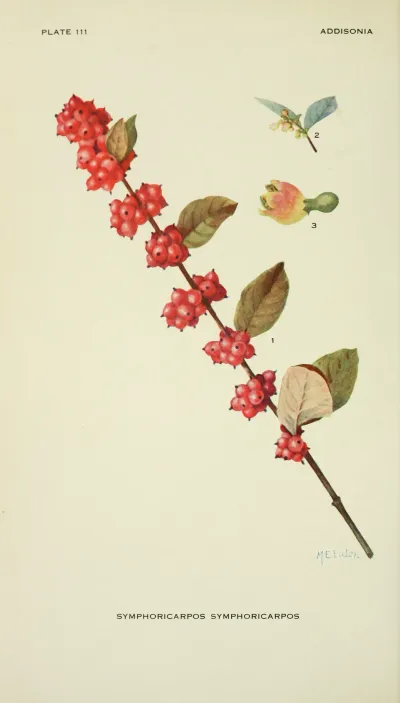 1 of 2
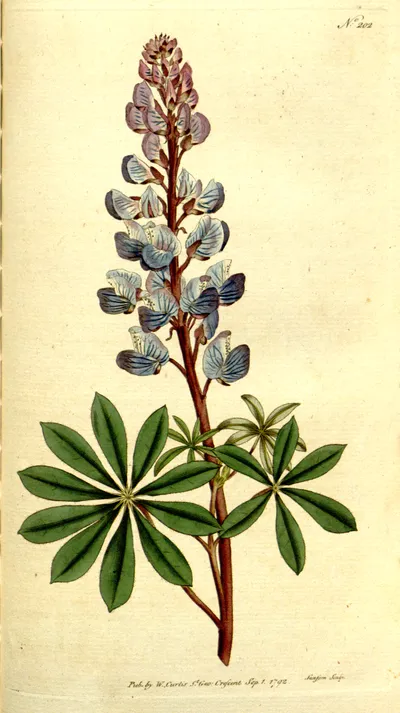 1 of 2
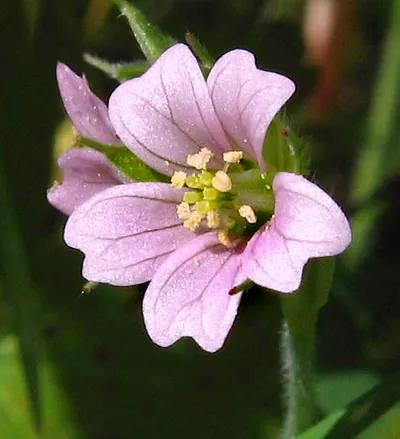 1 of 3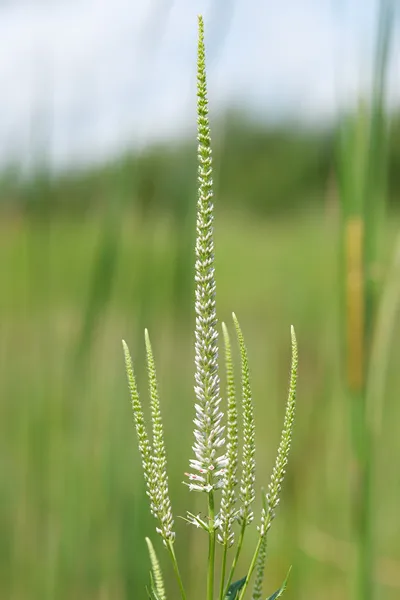
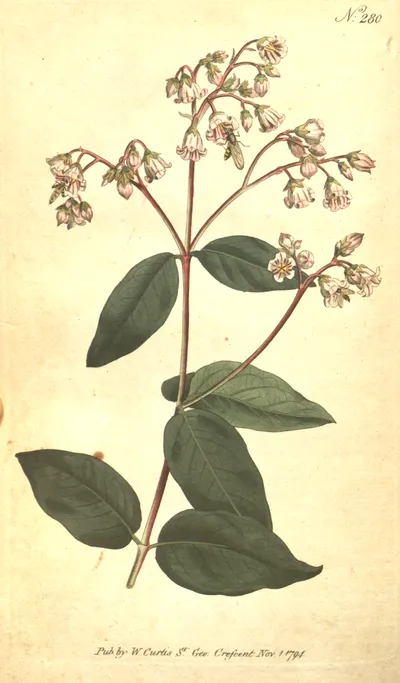 1 of 2
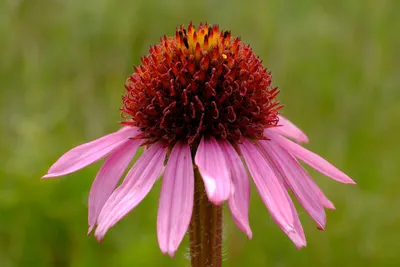 1 of 2
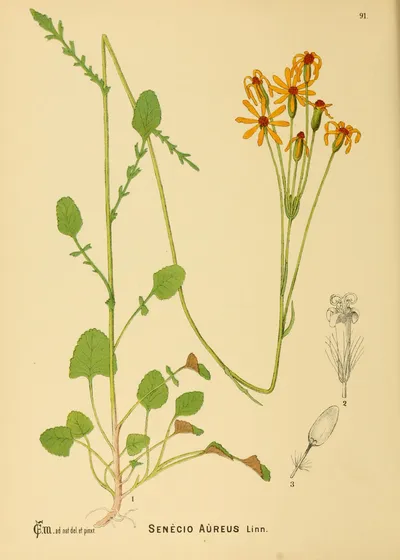 1 of 2
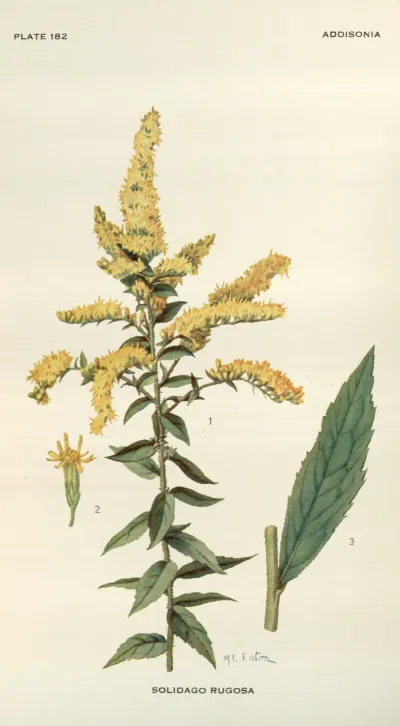 1 of 2
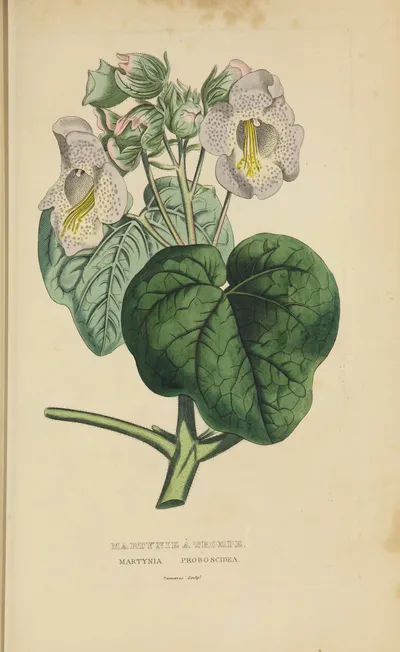 1 of 3
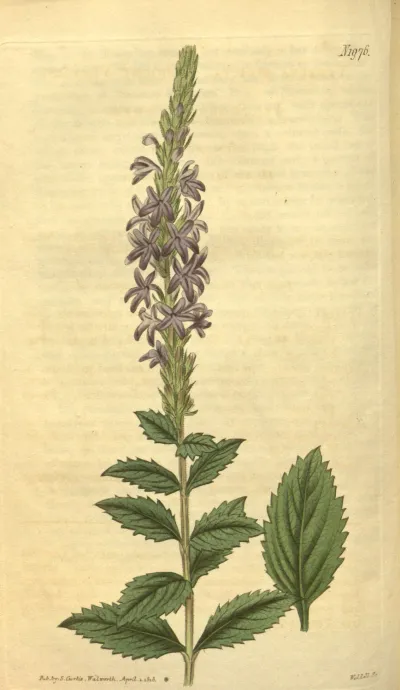 1 of 2
 1 of 3
 1 of 3
 1 of 3
 1 of 2
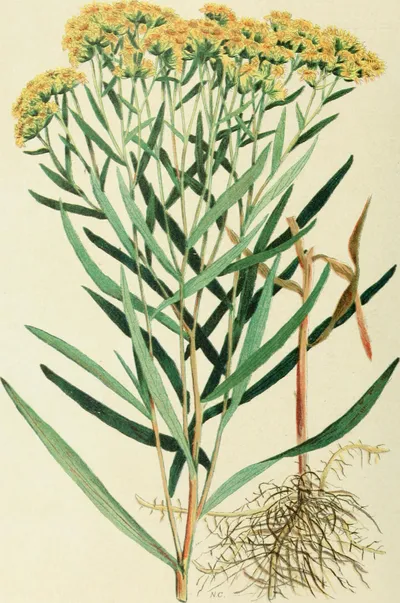 1 of 2
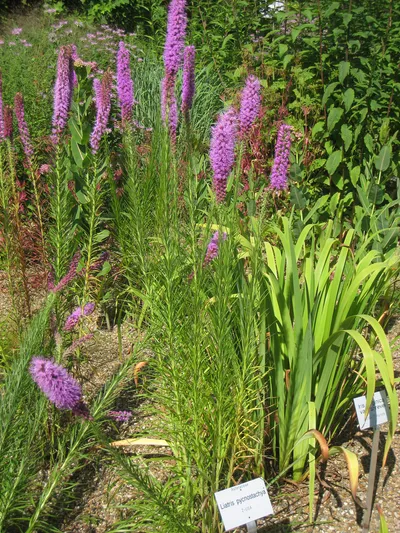 1 of 2
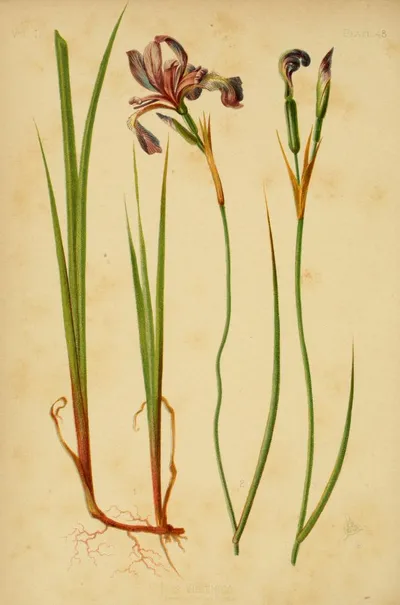 1 of 2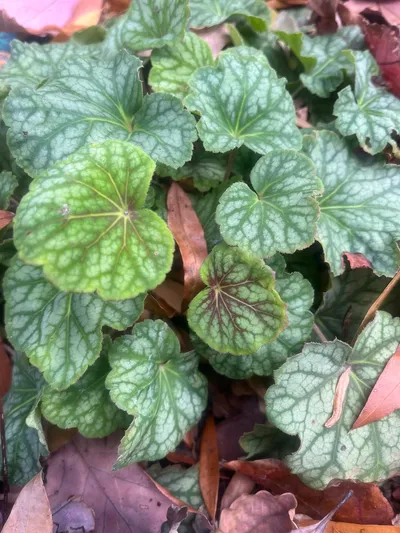
 1 of 2
 1 of 2
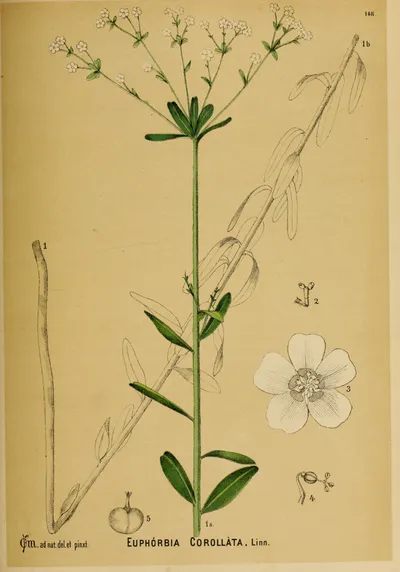
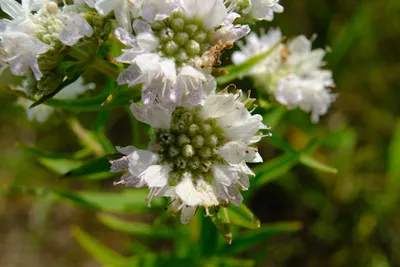 1 of 2
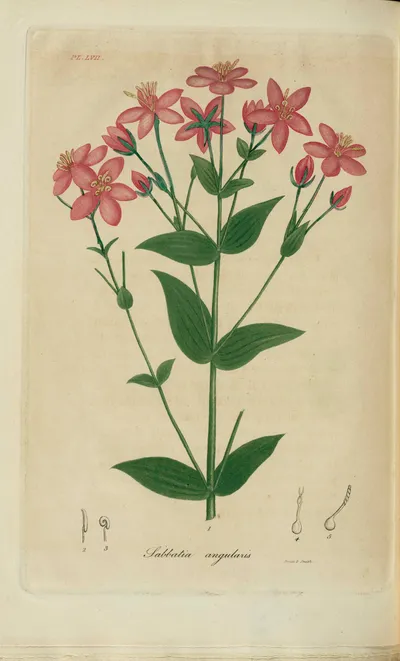 1 of 2
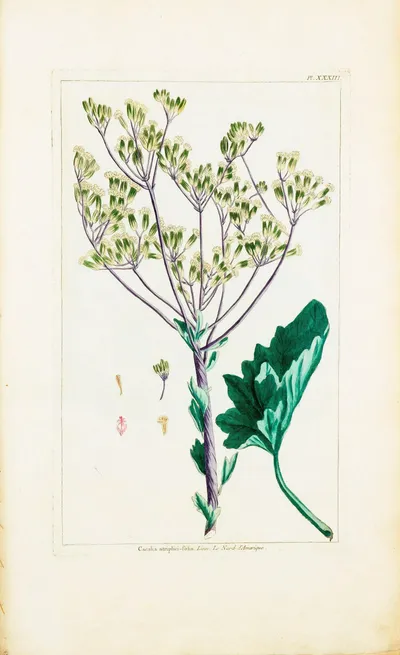 1 of 3
 1 of 2
 1 of 3
 1 of 3
 1 of 2
No plants match those filters.
Sources
- Butterflies and Moths of North America ↗
- iNaturalist ↗
- Plant associations from GloBI flower-visit records and NPIN larval-host data. Butterfly photographs via iNaturalist (CC BY).