woodland wildflower
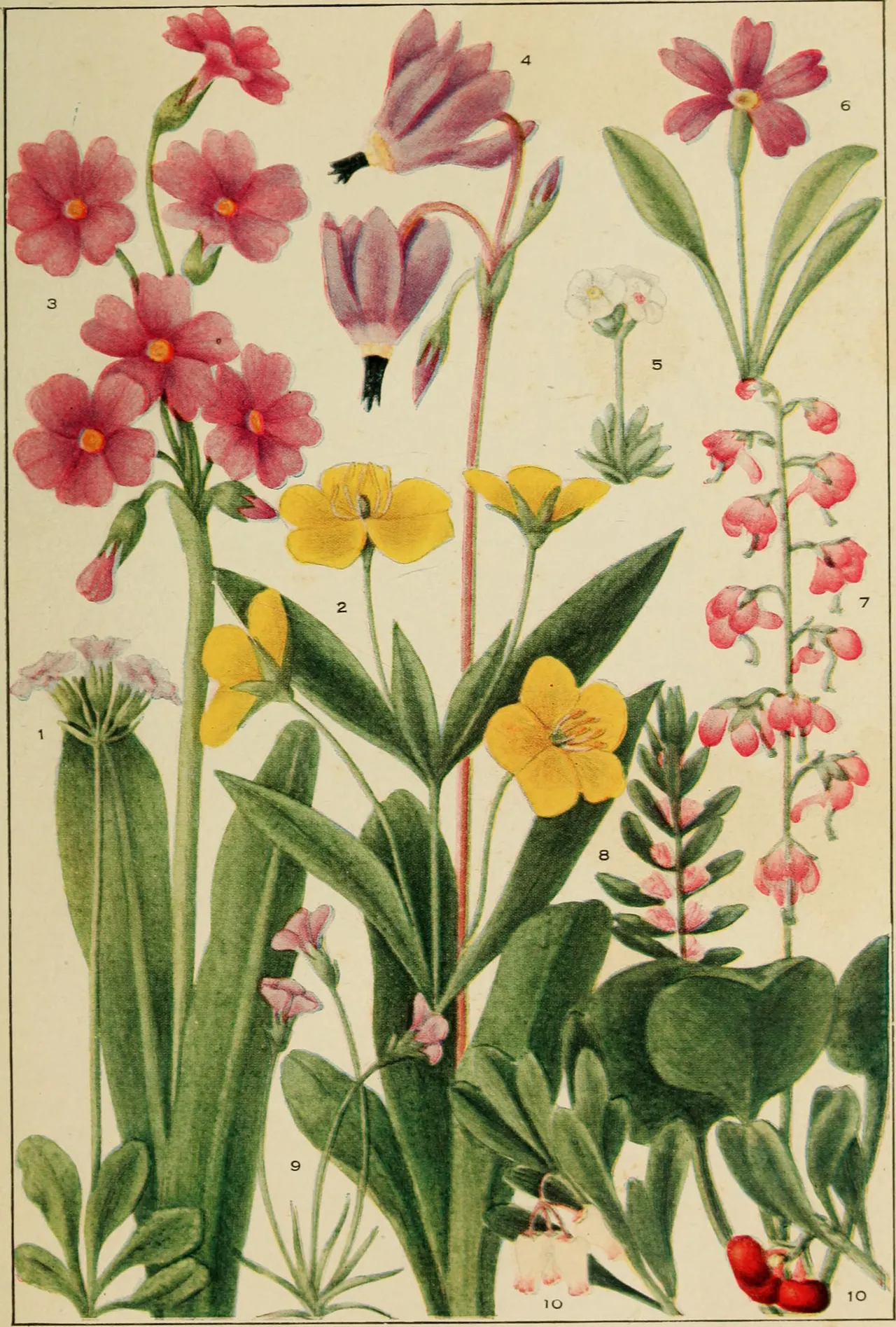
Fringed loosestrife
Lysimachia ciliata
Also known as Fringed Yellow Loosestrife
 1 of 3
Native to most of the USA and Canada
Quebec to British Columbia, south to Florida, Texas and Colorado, mostly east of the Rocky Mountains, Zones 4 to 8
- Light Part shade to shade Sun tolerance
- Moisture Moist to wet Moisture preference
- Zones 3–8 Cold to heat range
- Bloom Jun–Aug Flowering time
- Height up to 4 ft to 1.2 m
- Life cycle Perennial Annual to perennial
In the garden
A woodland wildflower for part to full shade and consistently moist to wet soil. Its yellow flowers peak in July. At up to 4 ft, it suits shade gardens and woodland edges. Hardy in USDA zones 3–8.
Growing conditions
Light
Full sun Partial shade Full shade
Moisture
Dry Moist Wet
Hardiness zones
Find your zone:
When it blooms
The Fringed loosestrife's yellow flowers bloom June to August, peaking in July. This midsummer display draws bees and flower flies.
Fringed loosestrife blooms yellowFoliage
Pollinators & wildlife
- Bees Common Eastern Bumble Bee
also Orange-legged Furrow Bee, Black-and-yellow Nomad Bee, Dark-footed Yellow Loosestrife Bee +9 more
Orange-legged Miner Bee, Experienced Sweat Bee, Megachile pyrrhothorax, Eastern Cuckoo Sweat Bee, Melissodes dentiventris, Macropis patellata, Fringed Loosestrife Oil Bee, Lasioglossum lineatulum, Macropis steironematis - Flower flies Margined Calligrapher also Eastern Calligrapher, Yellow-thighed Thick-leg Fly, Short-haired Wrinklehead
- Butterflies Viceroy also Appalachian Brown, Sleepy Duskywing
Butterflies that use this plant
Documented host and nectar records. Each links to a planting guide for that butterfly.
- Viceroynectar
Full plant details
Where it grows
- Habitat
- WoodlandThe wild plant community it grows in.
- Native range
- Most of the USA and CanadaUnited States (44): AL, AR, CO, CT, DC, DE, FL, GA, IA, ID, IL, IN, KS, KY, MA, MD, ME, MI, MN, MO, MS, MT, NC, ND, NE, NH, NJ, NM, NY, OH, OK, OR, PA, RI, SC, SD, TN, UT, VA, VT, WA, WI, WV, WY. Canada (9): AB, BC, MB, NB, NS, NU, ON, QC, SK. Where it grows wild on its own, by state and province.
- Native distribution
- Quebec to British Columbia, south to Florida, Texas and Colorado, mostly east of the Rocky Mountains, Zones 4 to 8The same native range, usually more exact than the state list, and often noting where it has spread beyond it.
Growing conditions
- Light
- Part shade to shadeHow much sun it takes, from full sun to full shade.
- Moisture
- Moist to wetThe soil dampness it prefers, from dry to wet.
- Hardiness zones
- USDA 3–8 · Canadian 2–7The cold-to-heat climate range it survives.
- Soil
- Rich, organic, acid soilsThe soils it grows in naturally.
- Water use
- Medium to highHow thirsty it is, a rough guide to how often to water.
Growth & form
- Height
- up to 4 ft (to 1.2 m)Typical mature height.
- Life cycle
- PerennialWhether it lives a single season (annual), two (biennial), or returns for years (perennial).
Flowers, foliage & fruit
- Type
- WildflowerWhat kind of plant it is.
- Bloom
- Jun–AugWhen it flowers.
- Flower color
- YellowThe bloom color, or colors.
- Fruit/Seeds
- ripens Jul–OctThe seed or fruit it sets after flowering.
- Toxicity
- None knownWhether any part is poisonous to people or pets.