prairie wildflower
Pinkladies
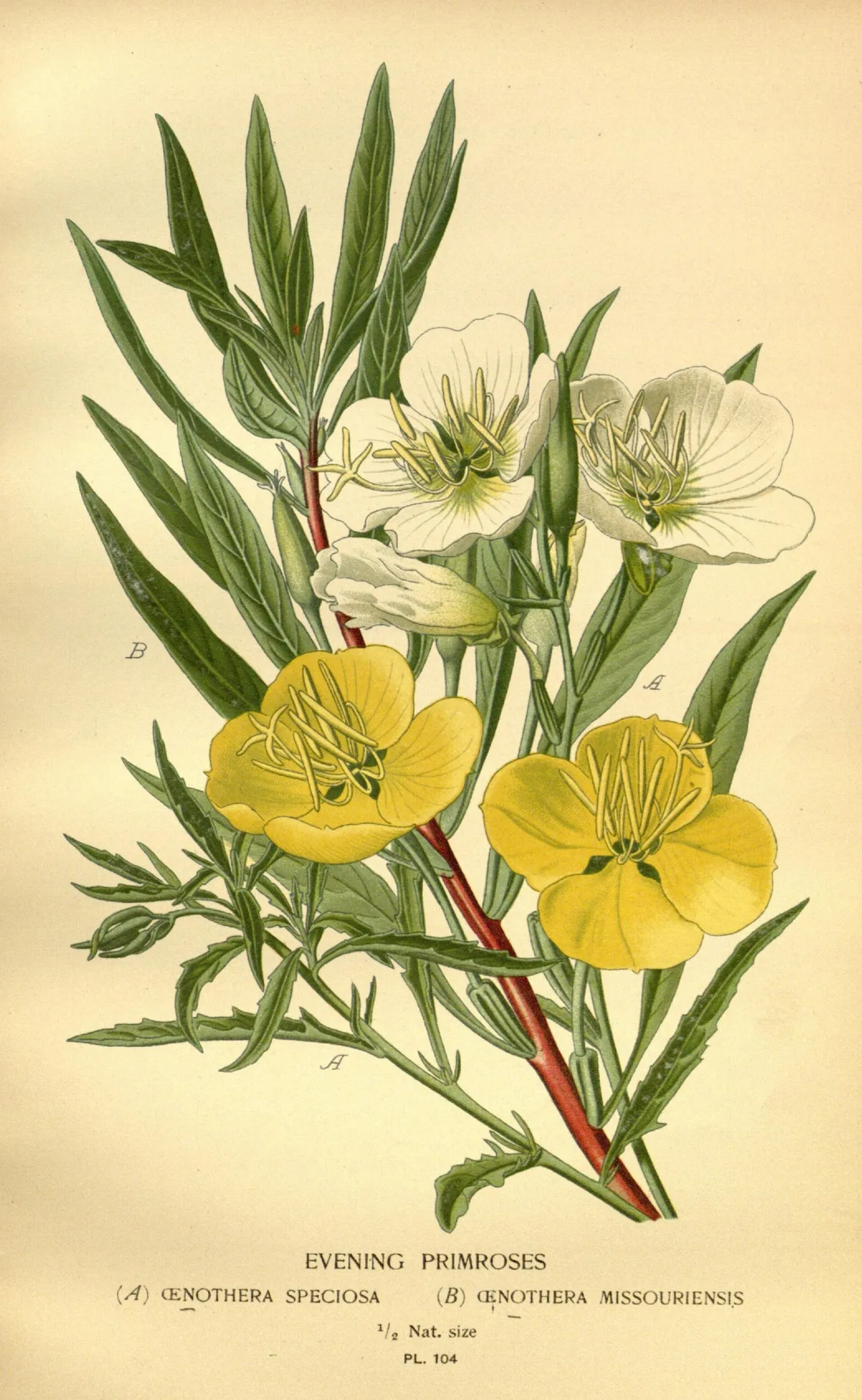
Oenothera speciosa
Also known as Pink Evening Primrose, Showy Evening Primrose, Mexican Evening Primrose, Showy Primrose, Pink Ladies, Buttercups, Pink Buttercups
 1 of 2
Native to Kansas, Missouri, Nebraska, Oklahoma, and Texas
Originally native only to grasslands of Nebraska, Kansas, Missouri, Oklahoma, Texas, and northeastern Mexico. Naturalized elsewhere.
- Light Full sun Sun tolerance
- Moisture Dry to moist Moisture preference
- Zones 5–10 Cold to heat range
- Bloom Mar–Jun Flowering time
- Height up to 2 ft to 0.6 m
- Life cycle Perennial Annual to perennial
In the garden
A prairie wildflower for full sun and dry to moist soil. Its white and pink flowers peak in April. At up to 2 ft, it suits meadows and sunny borders. Hardy in USDA zones 5–10.
Growing conditions
Hardiness zones
When it blooms
The Pinkladies's white and pink flowers bloom March to June, peaking in April. This spring display draws bees and butterflies.
Pinkladies blooms white & pinkFoliage
Pollinators & wildlife
- Bees Common Eastern Bumble Bee
also Western Honey Bee, Eastern Carpenter Bee, Brown-belted Bumble Bee +16 more
Two-spotted Bumble Bee, American Bumble Bee, Yellow-faced Bumble Bee, Ligated Furrow Bee, Bicolored Striped Sweat Bee, Pure Green Sweat bee, Southern Plains Bumble Bee, Neighborly Mining Bee, Slender-faced Masked Bee, Parallel-striped Sweat Bee, Evening Primrose Sweat Bee, Xylocopa virginica virginica, Sonoran Bumble Bee, Valley Carpenter Bee, Green Furrow Bee, Garden Bumble Bee - Butterflies Monarch
also Red Admiral, Black Swallowtail, Fiery Skipper +13 more
Pipevine Swallowtail, Orange Sulphur, Zabulon Skipper, Eastern Black Swallowtail, Clouded Skipper, Red-banded Hairstreak, Eufala Skipper, Southern Dogface, Whirlabout, Confused Cloudywing, Dotted Roadside-Skipper, Scarce Swallowtail, Abaeis nicippe - Beetles Asian Lady Beetle
also Spotted Cucumber Beetle, Margined Leatherwing Beetle, Fourteen-spotted Lady Beetle +7 more
Texas Flower Scarab, Zebra Longhorn Beetle, Emerald Flower Scarab, Acmaeodera ornatoides, Sand Chafer, Fire-necked Longhorn Beetle, Euphoria kernii - Also visited by
- Moths:
White-lined Sphinx, Exposed Bird Dropping Moth +4 more
Pawpaw Sphinx, Eurasian Hummingbird Hawkmoth, Juanita Sphinx, Mournful Sphinx - Flower flies:
Margined Calligrapher, Oblique Streaktail +2 more
Thick-legged Hover Fly, The Merodon equestris Group - Wasps:
Toltec Potter Wasp, Euodynerus foraminatus +1 more
Euodynerus hidalgo boreoorientalis - Hummingbirds: Ruby-throated Hummingbird
- Moths:
Butterflies that use this plant
Documented host and nectar records. Each links to a planting guide for that butterfly.
- Banded hairstreaknectar
- Black swallowtailnectar
- Fiery skippernectar
- Monarch butterflynectar
- Orange sulphurnectar
- Pipevine swallowtailnectar
- Red admiralnectar
- Red-banded hairstreaknectar
- Sleepy orangenectar
Full plant details
Where it grows
- Habitat
- PrairieThe wild plant community it grows in.
- Native range
- Kansas, Missouri, Nebraska, Oklahoma, and TexasUnited States (5): KS, MO, NE, OK, TX. Where it grows wild on its own, by state and province.
- Native distribution
- Originally native only to grasslands of Nebraska, Kansas, Missouri, Oklahoma, Texas, and northeastern Mexico. Naturalized elsewhere.The same native range, usually more exact than the state list, and often noting where it has spread beyond it.
Growing conditions
- Light
- Full sunHow much sun it takes, from full sun to full shade.
- Moisture
- Dry to moistThe soil dampness it prefers, from dry to wet.
- Hardiness zones
- USDA 5–10 · Canadian 4–7The cold-to-heat climate range it survives.
- Soil
- Readily colonizes in open areas in a variety of well-drained soils, rich or poor, dry or moist, disturbed or not: loams, clays, sand, caliche, rocky, or gravellyThe soils it grows in naturally.
- Water use
- Low to mediumHow thirsty it is, a rough guide to how often to water.
Growth & form
- Height
- up to 2 ft (to 0.6 m)Typical mature height.
- Life cycle
- PerennialWhether it lives a single season (annual), two (biennial), or returns for years (perennial).
Flowers, foliage & fruit
- Type
- WildflowerWhat kind of plant it is.
- Bloom
- Mar–JunWhen it flowers.
- Flower color
- White, PinkThe bloom color, or colors.
- Fruit/Seeds
- ripens Mar–MayThe seed or fruit it sets after flowering.
- Toxicity
- None knownWhether any part is poisonous to people or pets.