Pollinator
Black swallowtail
Papilio polyxenes
An elegant dark swallowtail of meadows and gardens, the classic parsleyworm.
- Family
- Papilionidae (swallowtails)
- Wingspan
- 2.75 to 3.5 in (7 to 9 cm)
- Flight season
- Spring to fall (two or three broods)
- Range
- Eastern and central North America
- Caterpillar food
- Carrot family (golden alexanders, dill, parsley)
- Conservation
- Secure and widespread
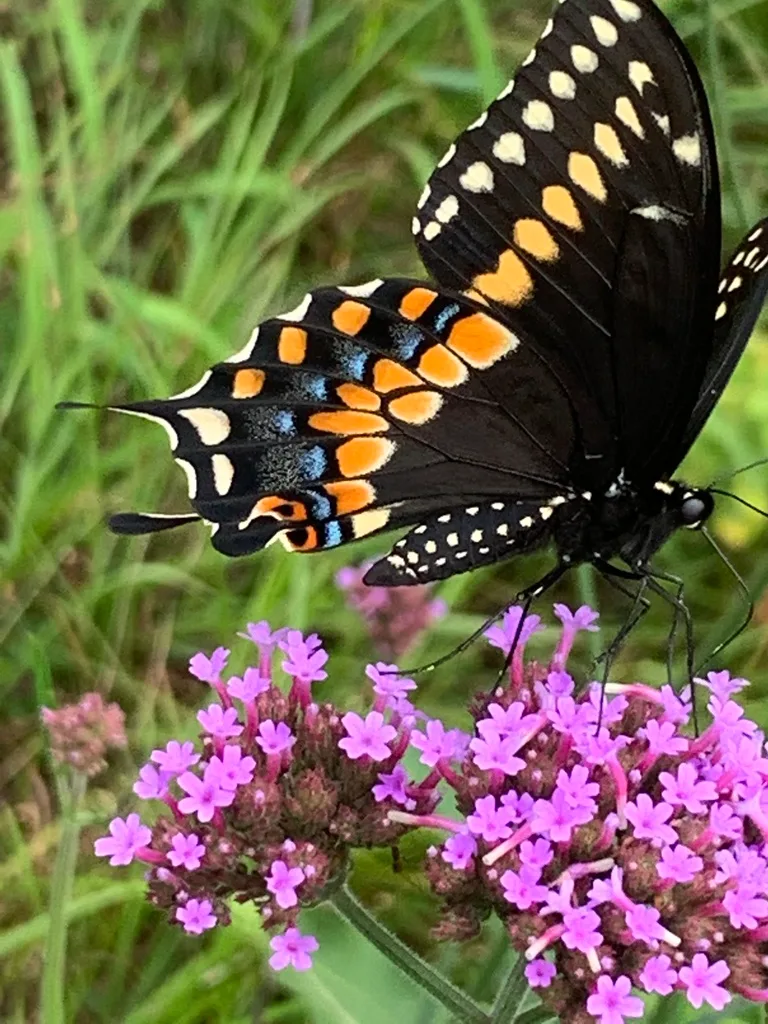
The black swallowtail is a dark, graceful butterfly marked with two rows of yellow spots and a wash of iridescent blue, with an orange eyespot near each tail. It is common in open country, meadows, fields, and gardens.
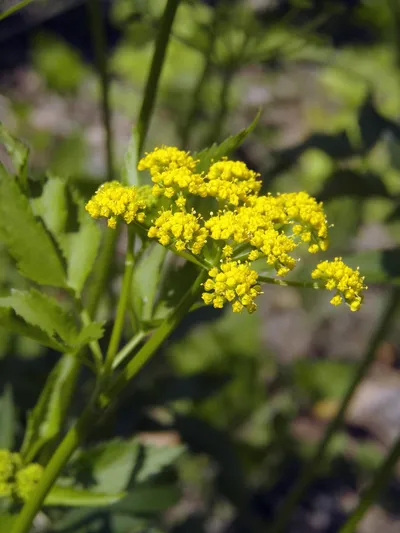
Females lay their eggs on plants in the carrot family. In gardens the caterpillars famously feed on parsley, dill, and fennel, earning the name parsleyworm; in the wild they turn to native relatives such as golden alexanders.
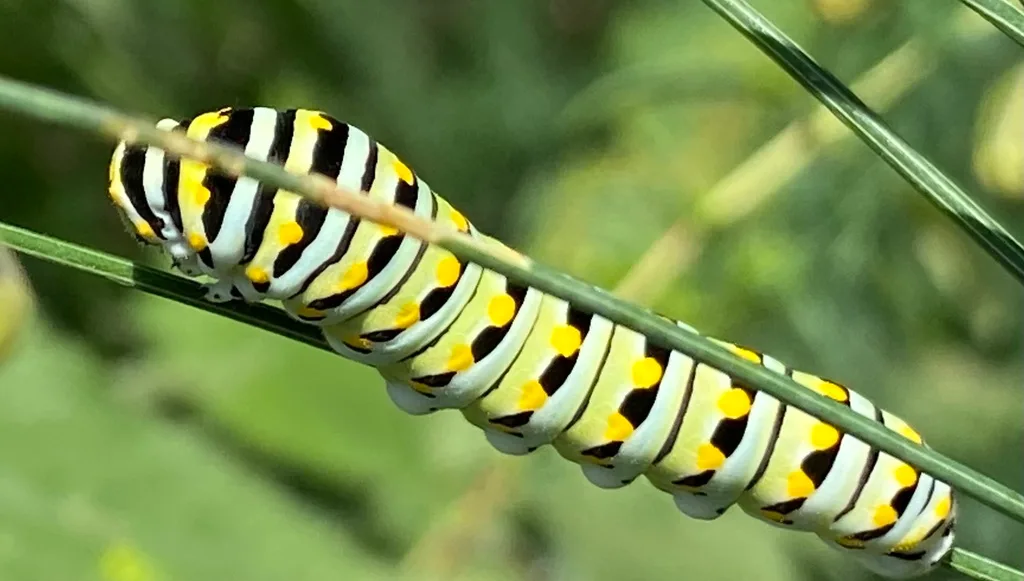
The caterpillar is a showpiece, banded green, black, and yellow, and when threatened it everts a bright orange forked gland, the osmeterium, that gives off a sharp, protective scent.
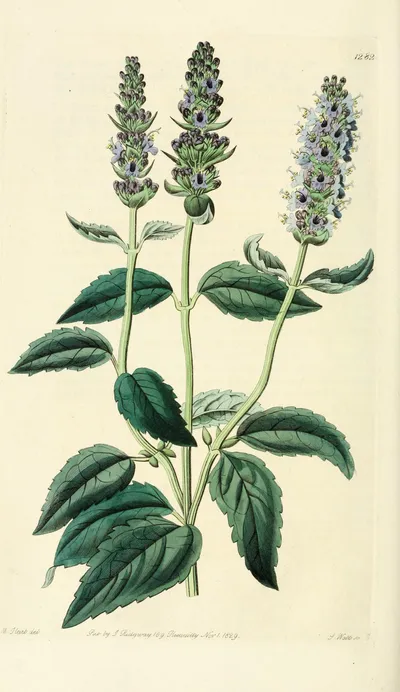
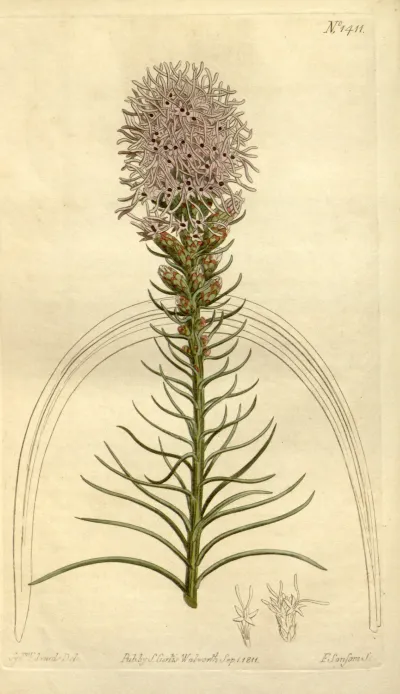
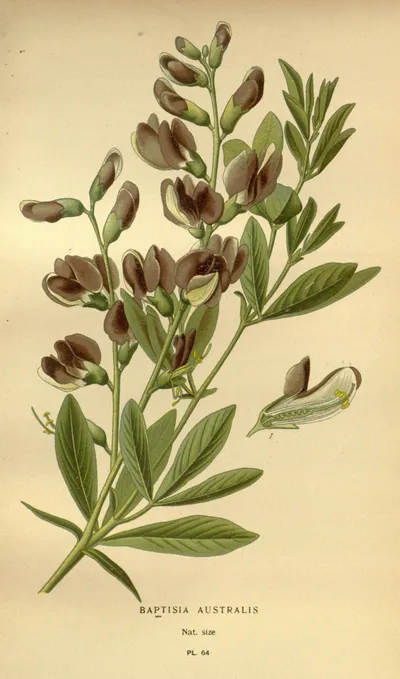
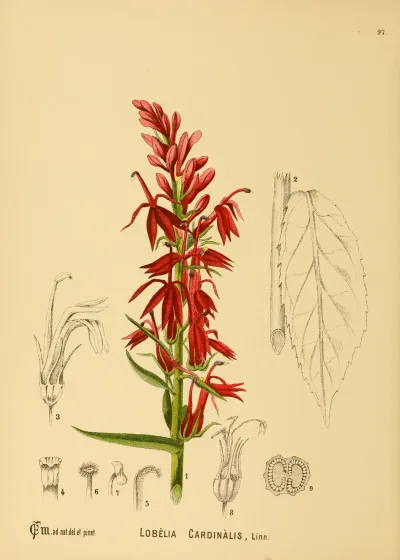
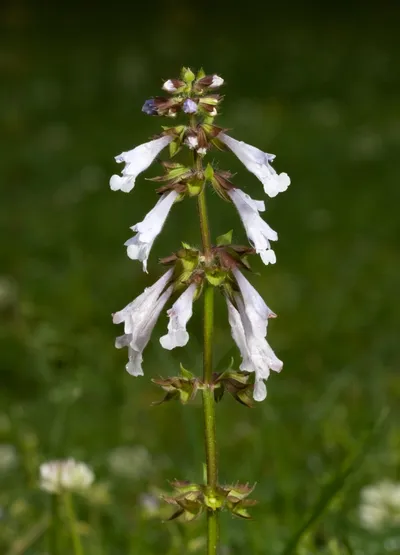
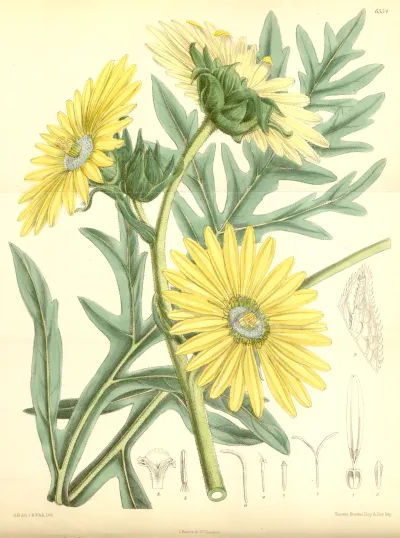
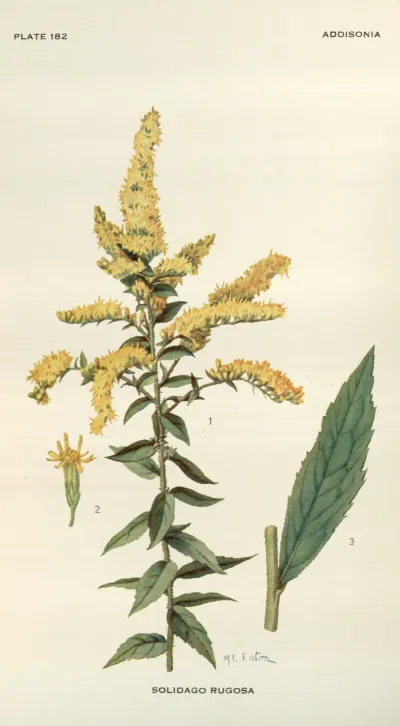
It is one of the easiest butterflies to attract: grow members of the carrot family for the caterpillars and a range of nectar flowers for the adults. The plants below carry documented black swallowtail records.
Plants for the black swallowtail
2 caterpillar host plants and 65 documented nectar plants. Pick a role, then narrow with the filters below.
66 plants
 1 of 2
 1 of 2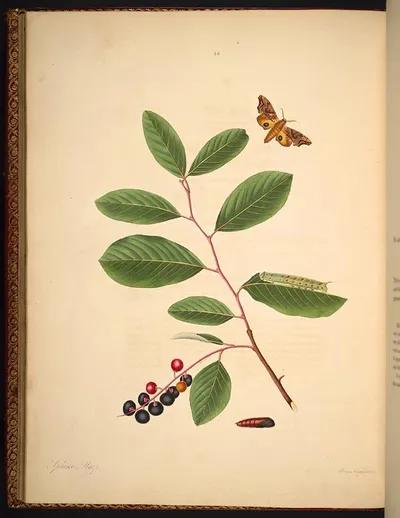
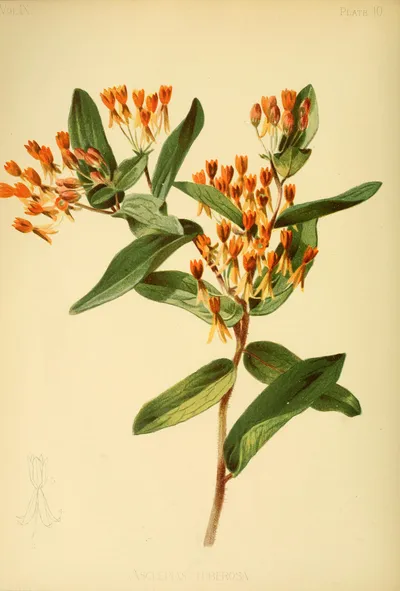 1 of 2
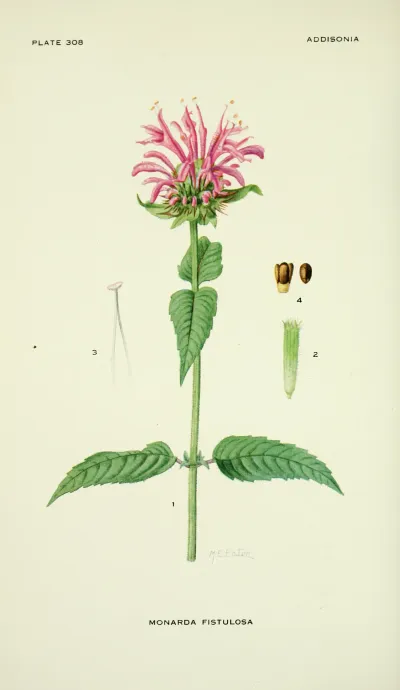 1 of 3
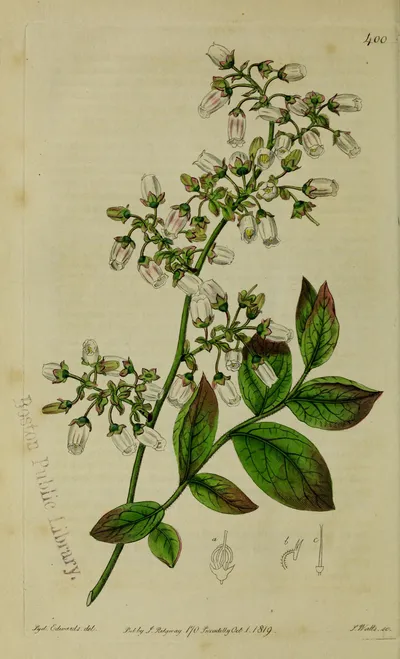 1 of 2
 1 of 3
 1 of 2
 1 of 3
 1 of 2
 1 of 2
 1 of 2
 1 of 3
 1 of 2
 1 of 3
 1 of 3
 1 of 3
 1 of 2
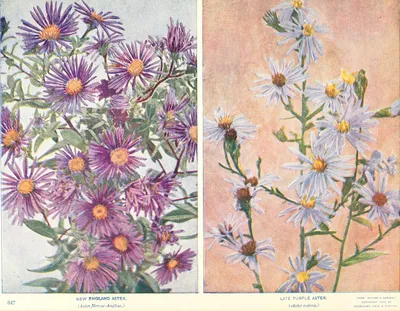 1 of 2
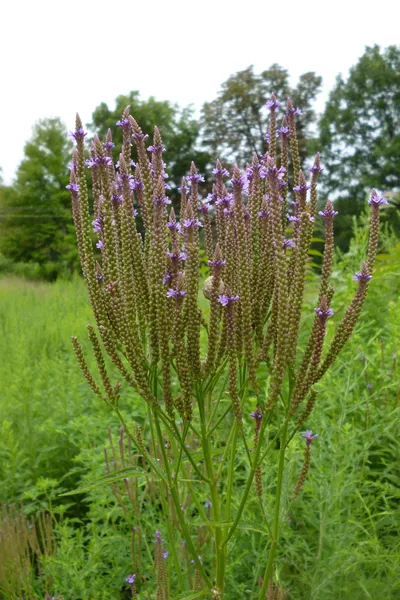 1 of 2
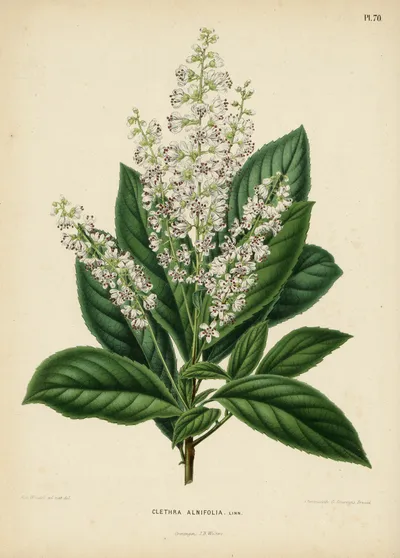 1 of 2
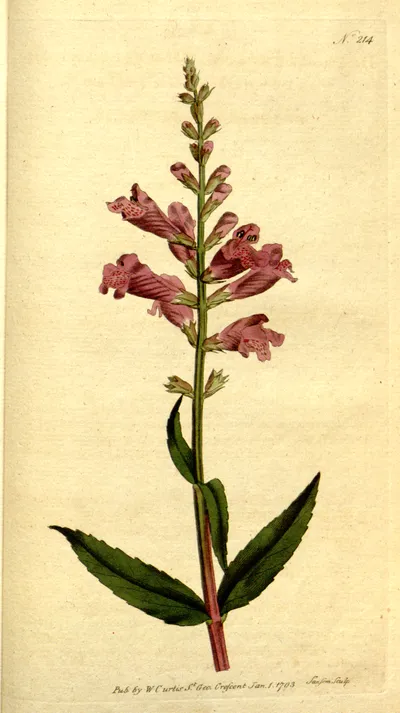 1 of 2
 1 of 3
 1 of 2
 1 of 3
 1 of 2
 1 of 2
 1 of 2
 1 of 2
 1 of 2
 1 of 2
 1 of 3
 1 of 2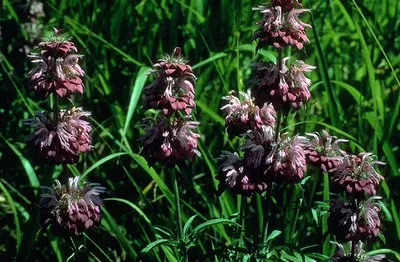
 1 of 3
 1 of 2
 1 of 2
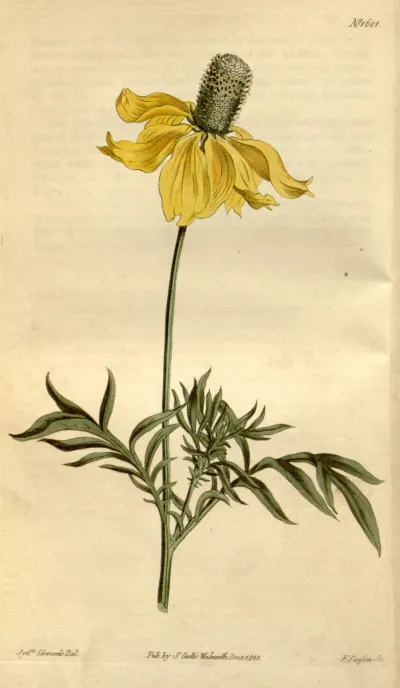 1 of 3
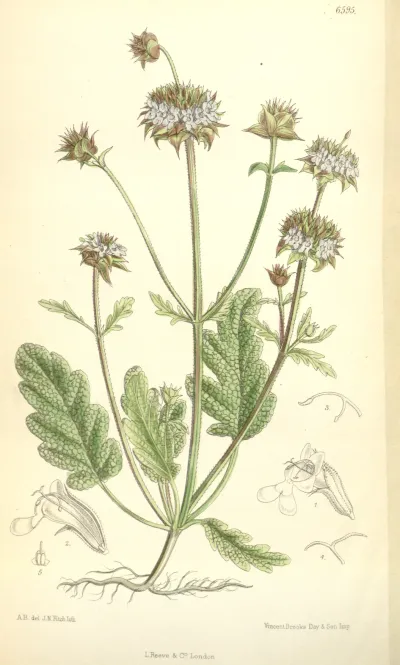 1 of 2
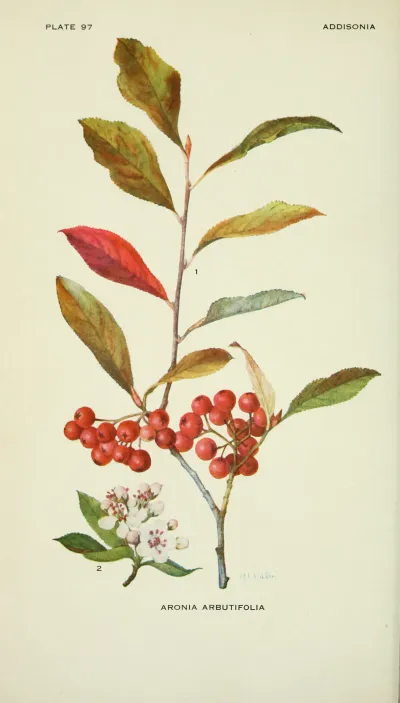 1 of 2
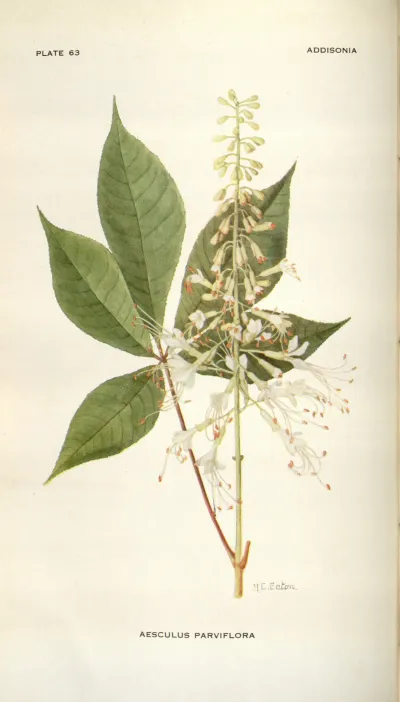 1 of 2
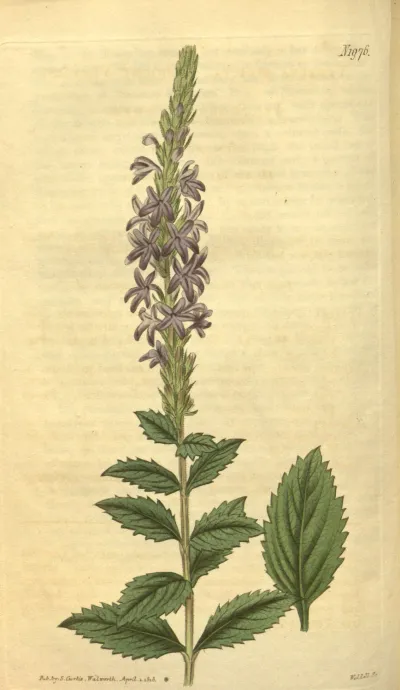 1 of 2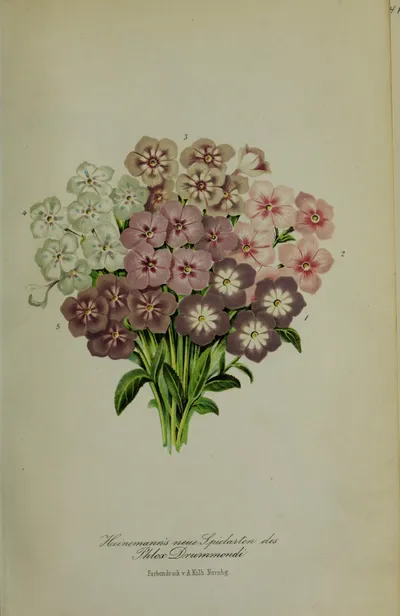
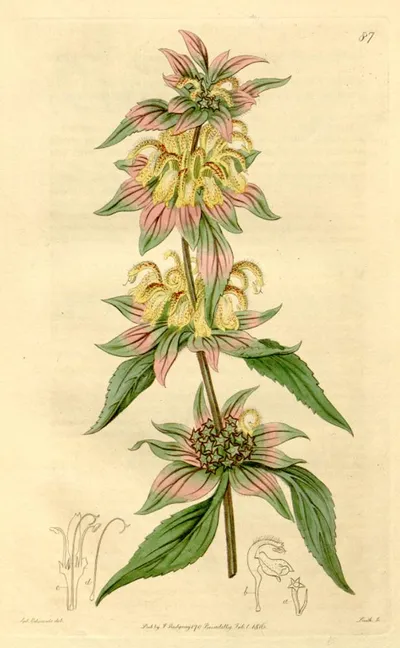 1 of 3
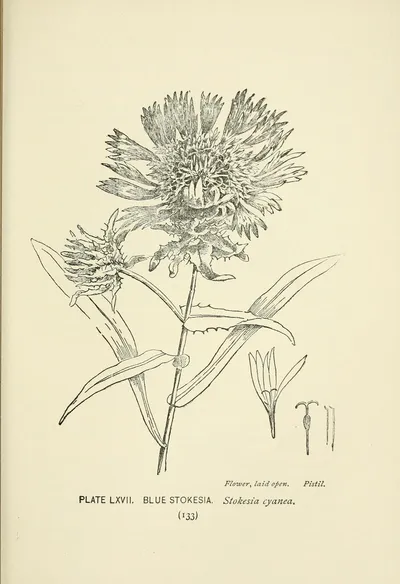 1 of 2
 1 of 2
 1 of 2
 1 of 2
 1 of 2
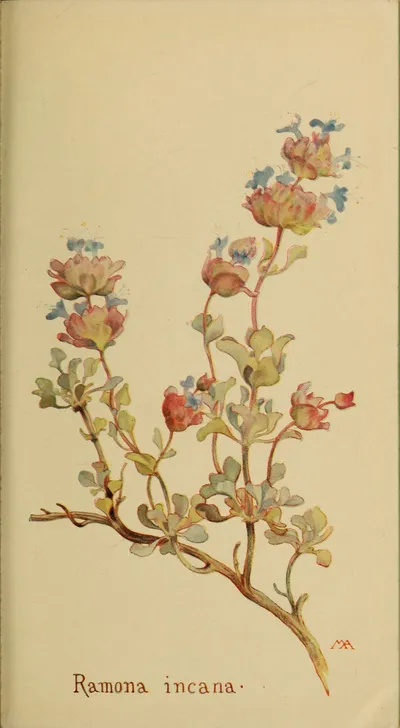 1 of 2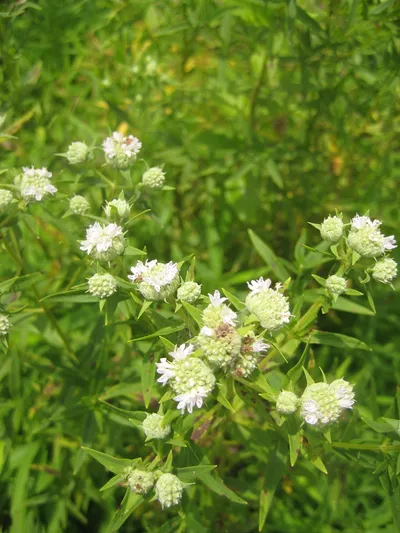
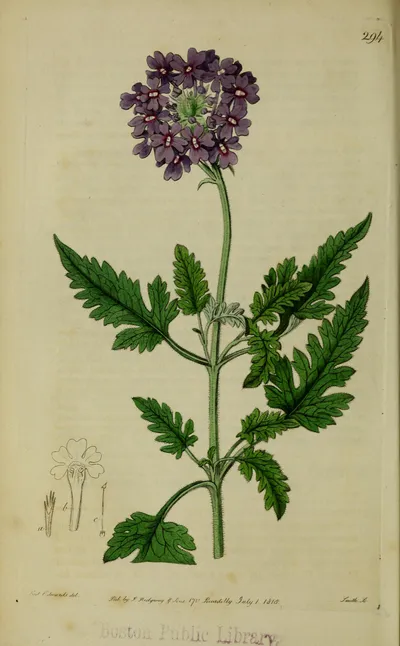 1 of 2
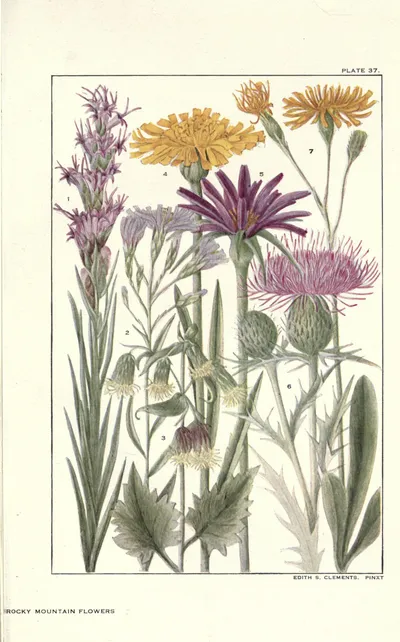 1 of 2
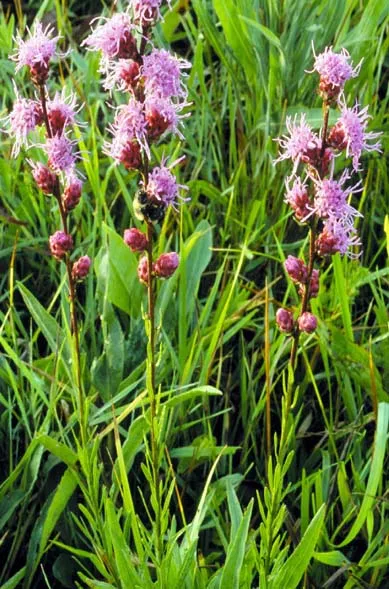 1 of 3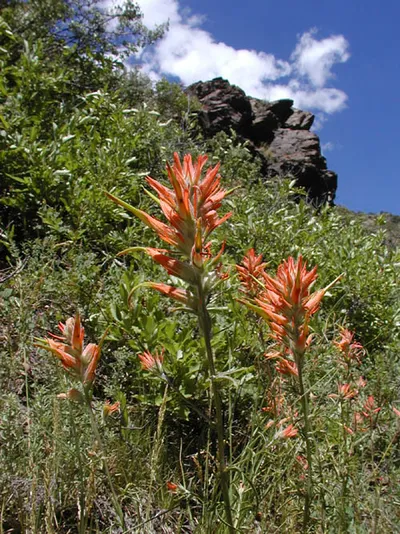
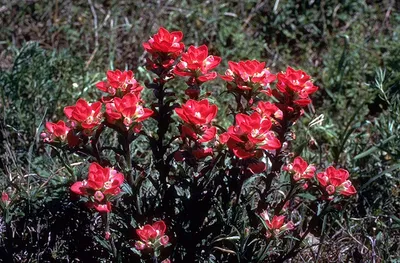 1 of 2
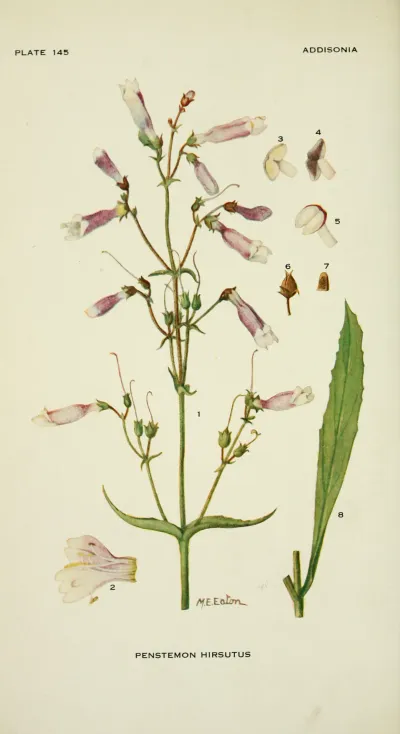 1 of 2
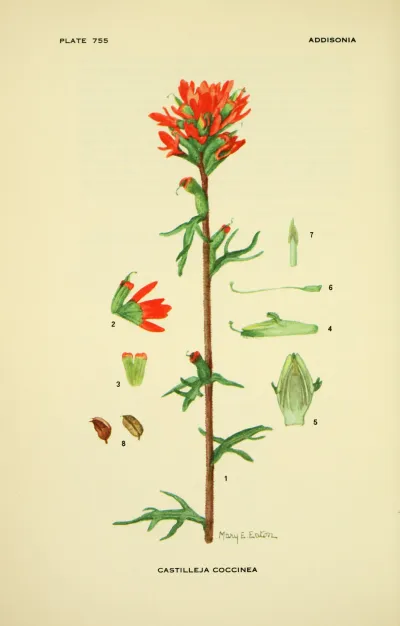 1 of 2
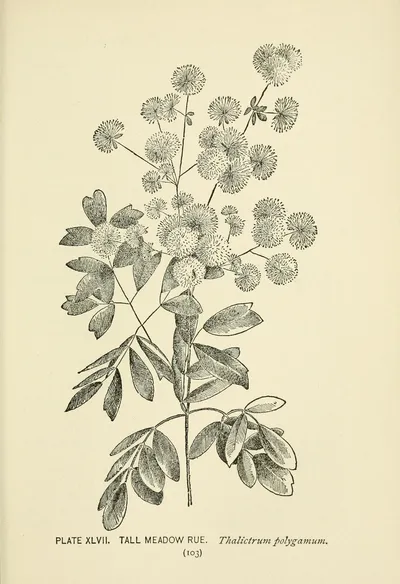 1 of 2
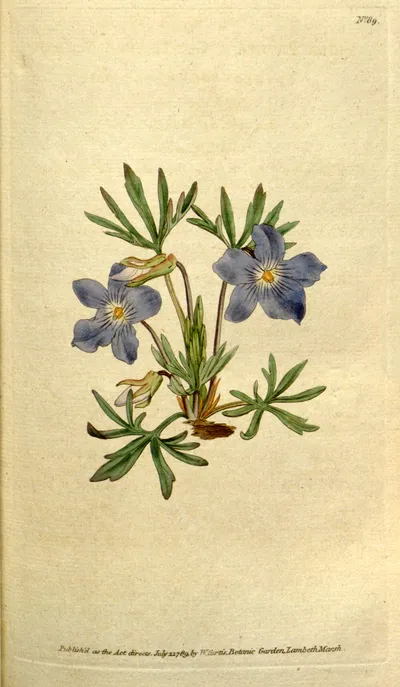 1 of 2
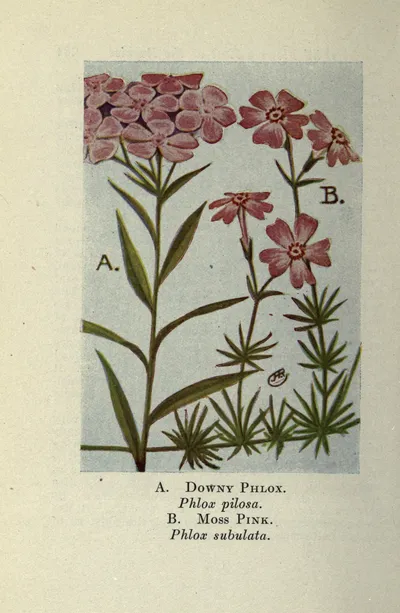 1 of 2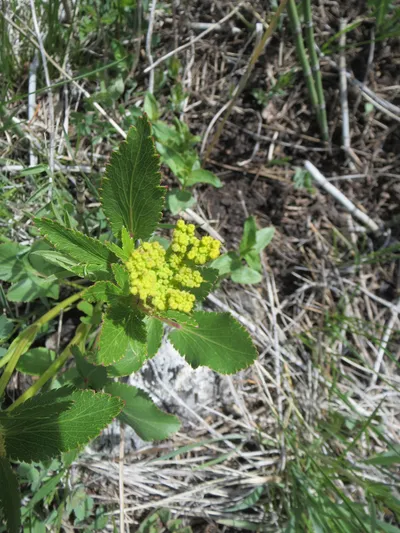
 1 of 2
 1 of 2
 1 of 2
No plants match those filters.
Sources
- Butterflies and Moths of North America ↗
- iNaturalist ↗
- Plant associations from GloBI flower-visit records and NPIN larval-host data. Butterfly photographs via iNaturalist (CC BY).