prairie wildflower
Chia
Salvia columbariae
Also known as California Sage, Chia Sage, Golden Chia, Desert Chia
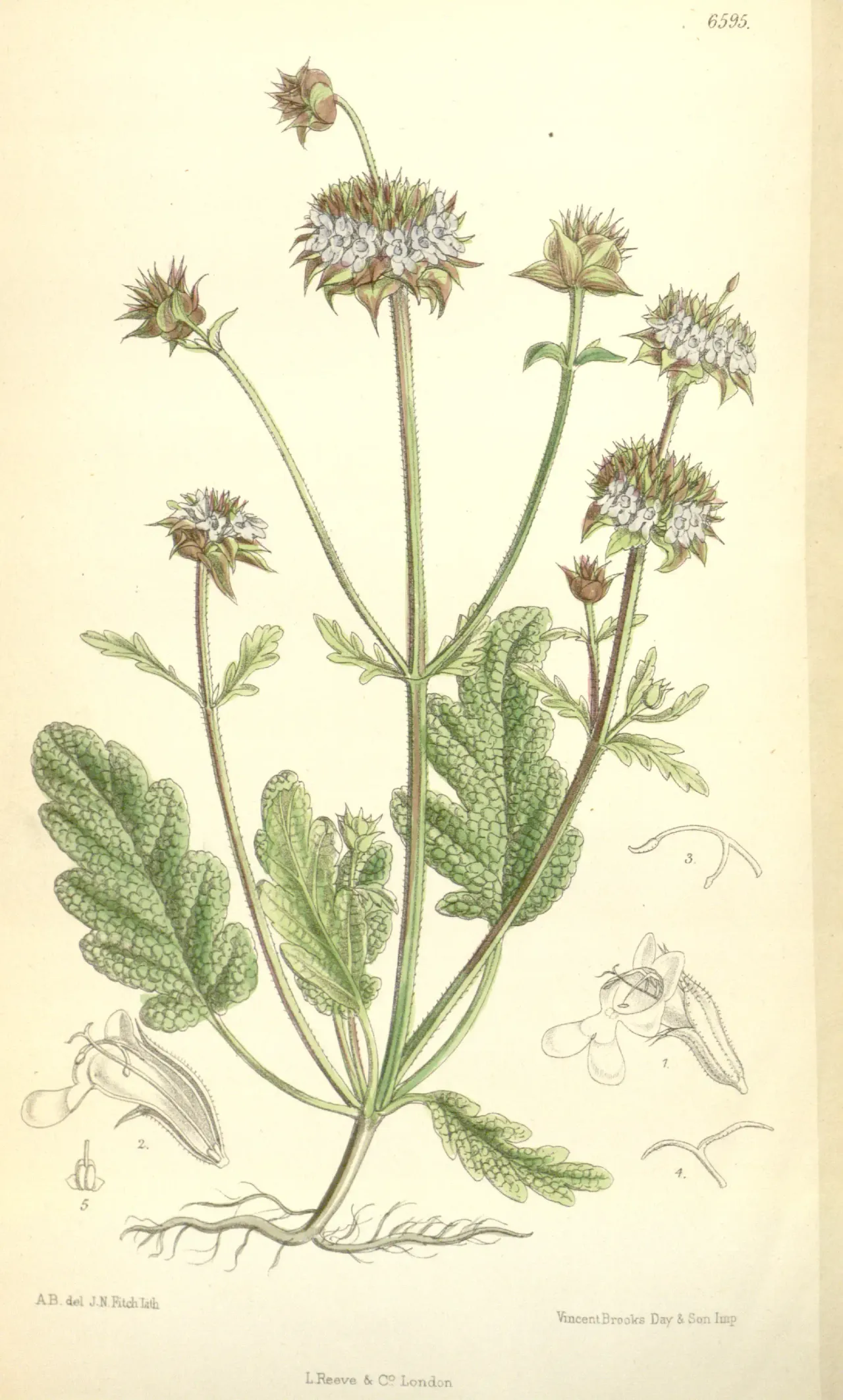 1 of 2
Native to Arizona, California, Nevada, and Utah
Southern California to extreme southwestern Utah, Arizona and Sonoran Desert
- Light Full sun Sun tolerance
- Moisture Dry Moisture preference
- Zones n/a Cold to heat range
- Bloom Feb–May Flowering time
- Height up to 2 ft to 0.6 m
- Life cycle Annual Annual to perennial
In the garden
A prairie wildflower for full sun and lean, dry soil. Its blue flowers peak in March. At up to 2 ft, it suits meadows and sunny borders.
Growing conditions
Light
Full sun Partial shade Full shade
Moisture
Dry Moist Wet
When it blooms
The Chia's blue flowers bloom February to May, peaking in March. This early-spring display draws butterflies and bees.
Chia blooms blueFoliage
Pollinators & wildlife
- Butterflies Fiery Skipper
also Painted Lady, Variable Checkerspot, Ceraunus Blue +15 more
Acmon Blue, Funereal Duskywing, Behr's Metalmark, Callippe Fritillary, Sleepy Duskywing, Spring White, Desert Orangetip, Desert Mexican Metalmark, Henne's Chalcedon Checkerspot, Dymasia dymas, White Checkered-Skipper, Heliopetes ericetorum, Desert Black Swallowtail, Zerene eurydice, Sara Orangetip - Bees Yellow-faced Bumble Bee
also Western Honey Bee, Black-tailed Bumble Bee, California Digger Bee +2 more
Andrena prolixa, Micralictoides mojavensis - Moths White-lined Sphinx also Alfalfa Looper, Pyrausta lethalis
Butterflies that use this plant
Documented host and nectar records. Each links to a planting guide for that butterfly.
- Acmon bluenectar
- Black swallowtailnectar
- Fiery skippernectar
- Painted ladynectar
Full plant details
Where it grows
- Habitat
- PrairieThe wild plant community it grows in.
- Native range
- Arizona, California, Nevada, and UtahUnited States (4): AZ, CA, NV, UT. Where it grows wild on its own, by state and province.
- Native distribution
- Southern California to extreme southwestern Utah, Arizona and Sonoran DesertThe same native range, usually more exact than the state list, and often noting where it has spread beyond it.
Growing conditions
- Light
- Full sunHow much sun it takes, from full sun to full shade.
- Moisture
- DryThe soil dampness it prefers, from dry to wet.
- Soil
- Dry, well-drained soilsThe soils it grows in naturally.
- Soil texture
- Light to medium (sandy to loamy)The soil grade it prefers, from sand to clay.
- Soil pH
- Mildly acid to mildly alkalineThe acidity to alkalinity it tolerates (7 is neutral).
Growth & form
- Height
- up to 2 ft (to 0.6 m)Typical mature height.
- Spread
- ~2 ft (0.5 m)How wide one plant gets, a guide to spacing.
- Life cycle
- AnnualWhether it lives a single season (annual), two (biennial), or returns for years (perennial).
Flowers, foliage & fruit
- Type
- WildflowerWhat kind of plant it is.
- Bloom
- Feb–MayWhen it flowers.
- Flower color
- BlueThe bloom color, or colors.
- Fruit/Seeds
- Nutlets; ripens Jan–DecThe seed or fruit it sets after flowering.
- Toxicity
- None knownWhether any part is poisonous to people or pets.