woodland wildflower
Fivespot
Nemophila maculata
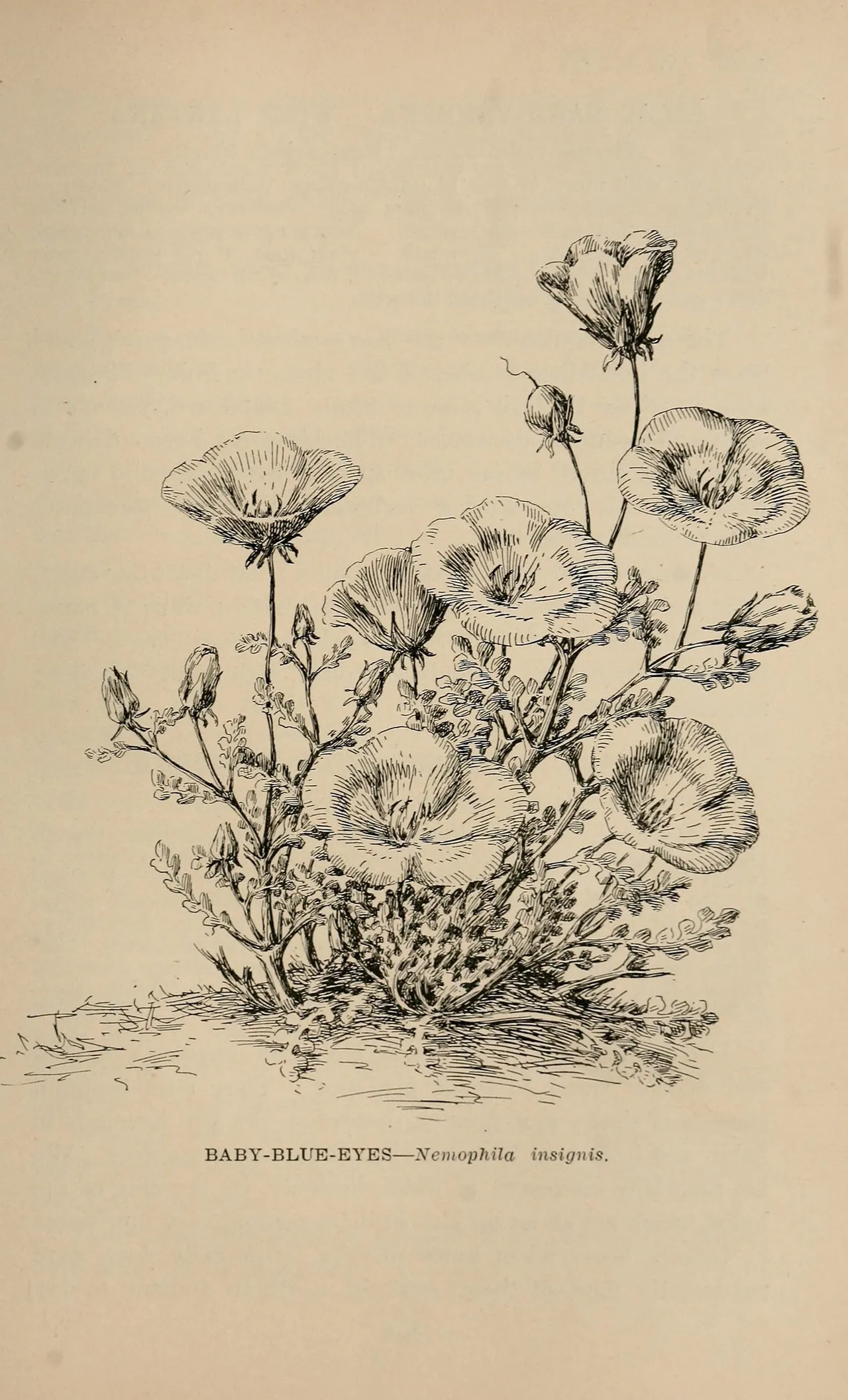 1 of 2
Native to California
In California, western base of the Sierra Nevada from Plumas county to Kern county
- Light Partial shade Sun tolerance
- Moisture Moist Moisture preference
- Zones n/a Cold to heat range
- Bloom Apr–Jul Flowering time
- Height
- Life cycle Annual Annual to perennial
In the garden
A woodland wildflower for partial shade and evenly moist soil.
Growing conditions
Light
Full sun Partial shade Full shade
Moisture
Dry Moist Wet
Pollinators & wildlife
- Bees Common Eastern Bumble Bee
also Western Honey Bee, Eastern Carpenter Bee, Brown-belted Bumble Bee +38 more
Two-spotted Bumble Bee, American Bumble Bee, Ligated Furrow Bee, Bicolored Striped Sweat Bee, Pure Green Sweat bee, Bombus fervidus, Two-spotted Longhorn Bee, Perplexing Bumble Bee, Orange-legged Furrow Bee, Tripartite Sweat Bee, Northern Amber Bumble Bee, Brown-winged Striped Sweat Bee, Sculptured Resin Bee, Modest Masked Bee, Confusing Furrow Bee, Spurred Ceratina, Hawthorn Mining Bee, Orange-tipped Wood-digger, Unarmed Leafcutter Bee, Black-and-gray Leafcutter Bee, Bumblebee-like Digger Bee, Cresson's Mining Bee, Silver-tailed Petalcutter, Small-handed Leaf-cutter Bee, Oenothera Miner, Lasioglossum cembrilacus, W-labrum Miner, Green-bellied Miner Bee, Evening Primrose Sweat Bee, Mock-orange Scissor Bee, Xylocopa virginica virginica, Sonoran Bumble Bee, Truncate Sweat Bee, Lasioglossum pilosum, Andrena foxii, Knuth's Miner Bee, Andrena linsleyi, Crested Miner Bee - Butterflies Monarch
also Eastern Tiger Swallowtail, Gulf Fritillary, Black Swallowtail +19 more
Silver-spotted Skipper, Pipevine Swallowtail, American Lady, Spicebush Swallowtail, Cloudless Sulphur, Peck's Skipper, Western Tiger Swallowtail, Canadian Tiger Swallowtail, Hobomok Skipper, American Copper, Little Glassywing, Long Dash, Cassius Blue, Nelson's Hairstreak, Swarthy Skipper, Abaeis nicippe, Incisalia niphon, Brazilian Skipper, Euptychia cymela - Moths White-lined Sphinx
also Virginia Ctenucha Moth, Carolina Sphinx, Hummingbird Clearwing +6 more
Arcigera Flower Moth, California Pyrausta Moth, Small Heliothodes Moth, Small Elephant Hawkmoth, Sphinx ligustri, Primrose Moth - Also visited by
- Flower flies:
Eastern Calligrapher, Common Drone Fly +7 more
Long-tailed Aphideater, Black-shouldered Drone Fly, The Merodon equestris Group, Variable Duskyface Fly, Oblique-banded Pond Fly, American Snout Fly, Marmalade Hover Fly - Beetles:
Asian Lady Beetle, Spotted Cucumber Beetle +4 more
Goldenrod Soldier Beetle, Margined Leatherwing Beetle, Spotted Pink Lady Beetle, Euphoria kernii - Wasps: Common Aerial Yellowjacket, Perennial Mason Wasp
- Birds: American Goldfinch
- Flower flies:
Butterflies that use this plant
Documented host and nectar records. Each links to a planting guide for that butterfly.
- American coppernectar
- American ladynectar
- American snoutnectar
- Black swallowtailnectar
- Canadian tiger swallowtailnectar
- Cloudless sulphurnectar
- Eastern pine elfinnectar
- Eastern tiger swallowtailnectar
- Gulf fritillarynectar
- Monarch butterflynectar
- Pipevine swallowtailnectar
- Silver-spotted skippernectar
- Sleepy orangenectar
- Spicebush swallowtailnectar
- Western tiger swallowtailnectar
Full plant details
Where it grows
- Habitat
- WoodlandThe wild plant community it grows in.
- Native range
- CaliforniaUnited States (1): CA. Where it grows wild on its own, by state and province.
- Native distribution
- In California, western base of the Sierra Nevada from Plumas county to Kern countyThe same native range, usually more exact than the state list, and often noting where it has spread beyond it.
Growing conditions
- Light
- Partial shadeHow much sun it takes, from full sun to full shade.
- Moisture
- MoistThe soil dampness it prefers, from dry to wet.
- Soil
- Mesic to dry soilsThe soils it grows in naturally.
- Soil pH
- 6.5–7.9The acidity to alkalinity it tolerates (7 is neutral).
- Soil quality
- LowHow rich a soil it needs. Many natives prefer lean soil and flop in rich beds.
- Water use
- MediumHow thirsty it is, a rough guide to how often to water.
- Salinity tolerance
- NoneHow well it copes with salty soil, near roads or the coast.
- Lime (CaCO₃) tolerance
- MediumHow well it copes with chalky, lime-rich soil.
Growth & form
- Life cycle
- AnnualWhether it lives a single season (annual), two (biennial), or returns for years (perennial).
- Growth rate
- RapidA relative ranking versus other plants of the same type (USDA), not an absolute rate.
- Shape
- ProstrateIts overall silhouette.
- Root depth
- 6+ in (15+ cm)How far the roots reach, a guide to drought resilience and transplanting.
Flowers, foliage & fruit
- Type
- WildflowerWhat kind of plant it is.
- Bloom
- Apr–JulWhen it flowers.
- Flower color
- White, PurpleThe bloom color, or colors.
- Toxicity
- None knownWhether any part is poisonous to people or pets.
Propagation & seed
- Cold stratification
- Not requiredWhether seed needs a cold, moist spell before it will germinate.
- Propagation
- SeedHow to start new plants.
- Seed
- ~0.1 million seeds per poundNotes on the seed and how to sow it.
- Seed spread rate
- ModerateHow readily it self-sows. Slow or none means well-behaved, not a spreader.
- Seedling vigor
- MediumHow strongly young seedlings establish.
- Vegetative spread
- NoneWhether it creeps outward or stays put in a clump.