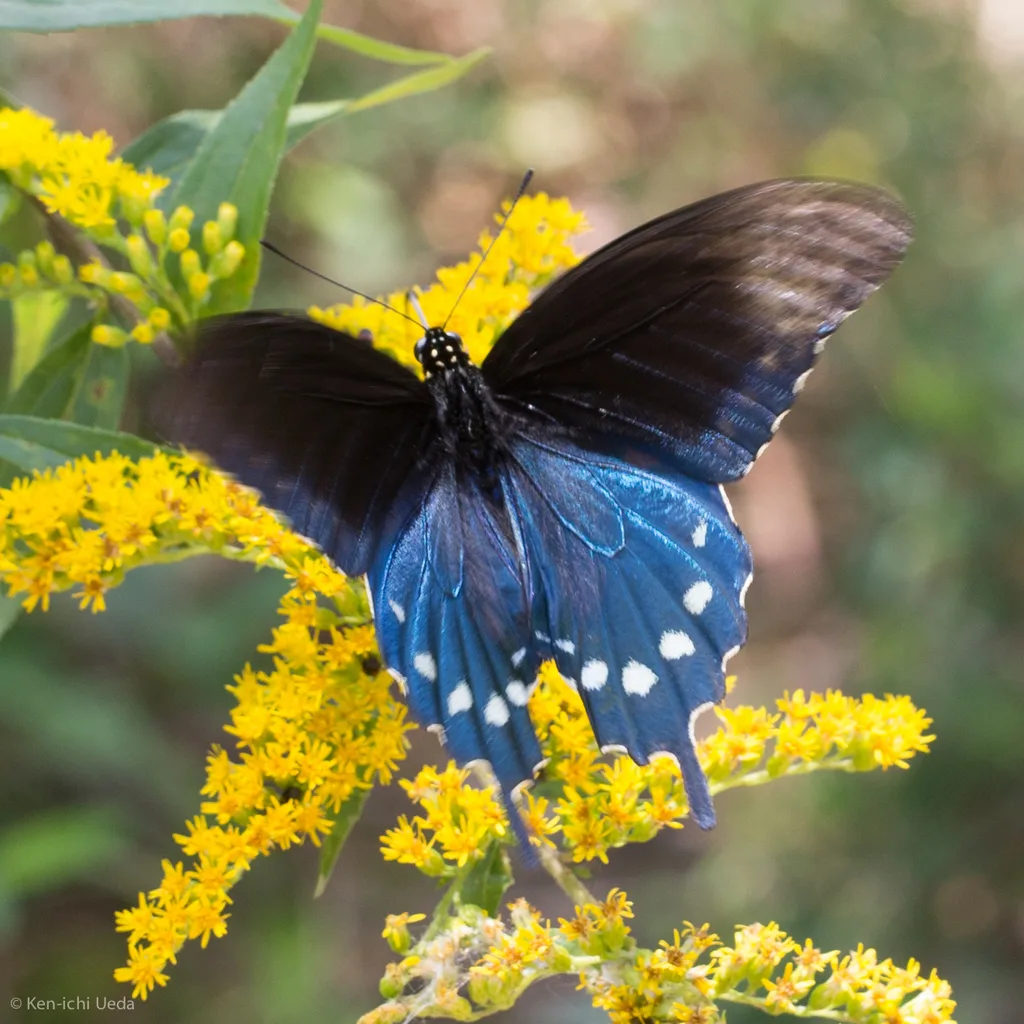
Pollinator
Pipevine swallowtail
Battus philenor
Iridescent blue-black, poisonous, and the model many other butterflies mimic.
- Family
- Papilionidae (swallowtails)
- Wingspan
- 2.75 to 5 in (7 to 13 cm)
- Flight season
- Spring to fall
- Range
- Eastern and southwestern United States
- Caterpillar food
- Pipevines (Aristolochia)
- Conservation
- Secure and widespread
Iridescent blue-black above and marked below with a curved arc of orange spots, the pipevine swallowtail is one of the most beautiful, and best-defended, of North American butterflies.
It is a model for mimicry: several other butterflies, including the dark female tiger swallowtail and the red-spotted purple, copy its warning colors. Adults are strong fliers of woodland edges and gardens.
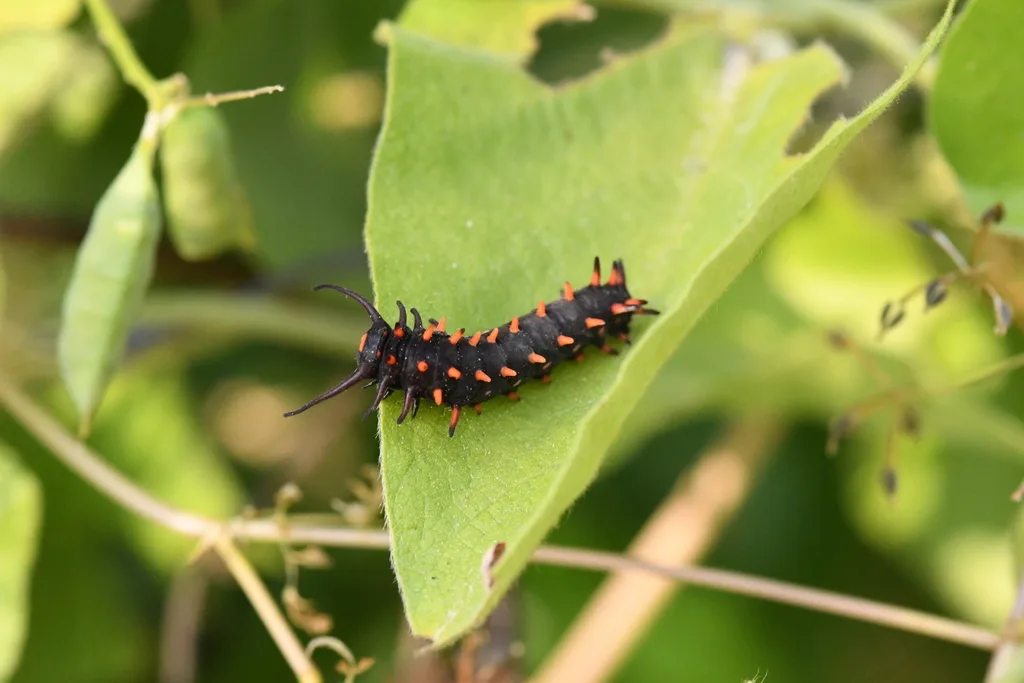
Caterpillars feed only on pipevines (Aristolochia), taking up the plant toxins to become poisonous themselves. Grow a native pipevine to host them.
Plants for the pipevine swallowtail
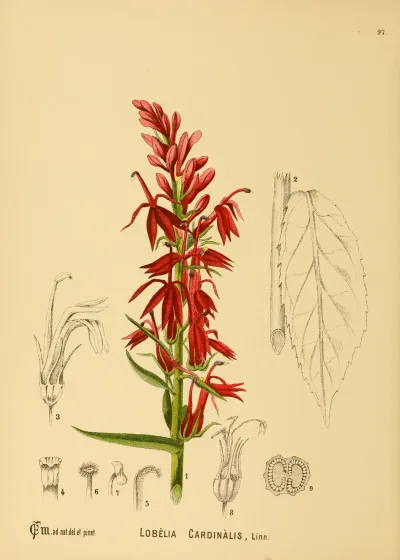
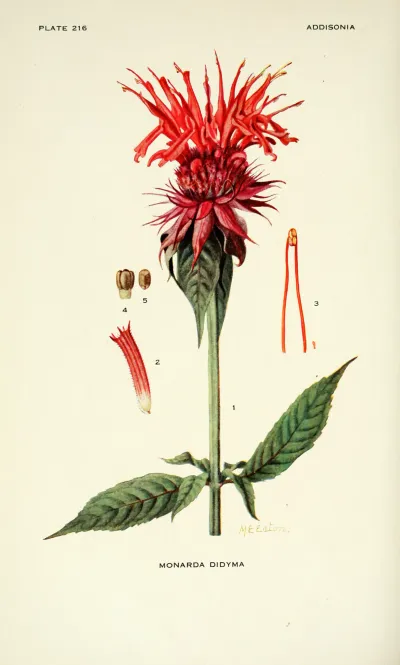
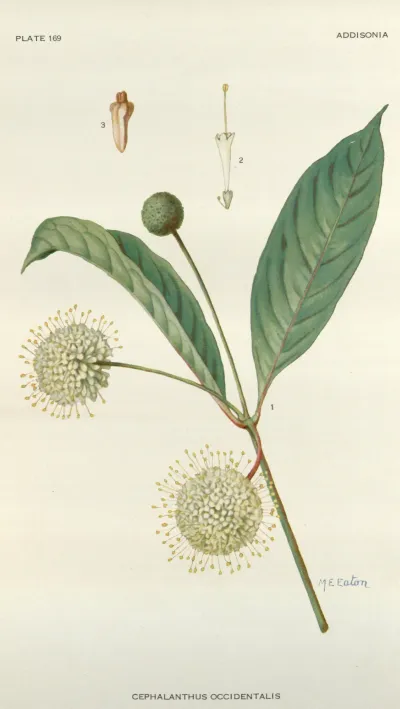
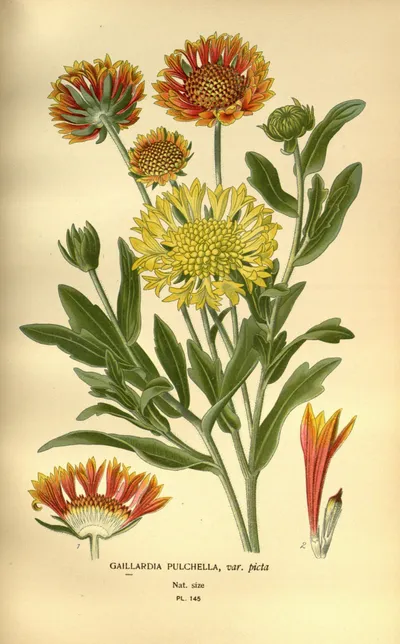
1 caterpillar host plant and 52 documented nectar plants. Pick a role, then narrow with the filters below.
52 plants
 1 of 2
 1 of 2
 1 of 2
 1 of 2
 1 of 3
 1 of 2
 1 of 2
 1 of 2
 1 of 2
 1 of 3
 1 of 2
 1 of 3
 1 of 3
 1 of 3
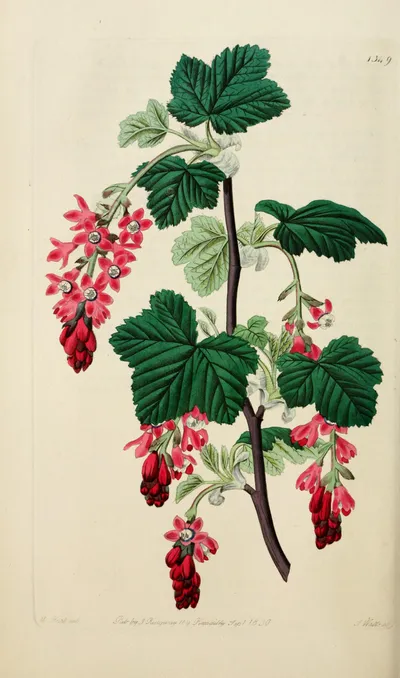 1 of 2
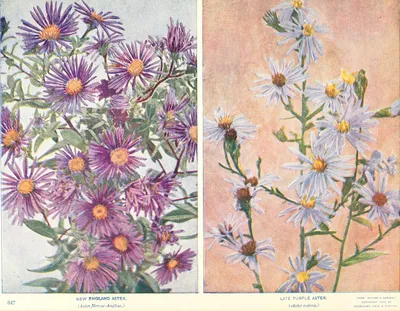 1 of 2
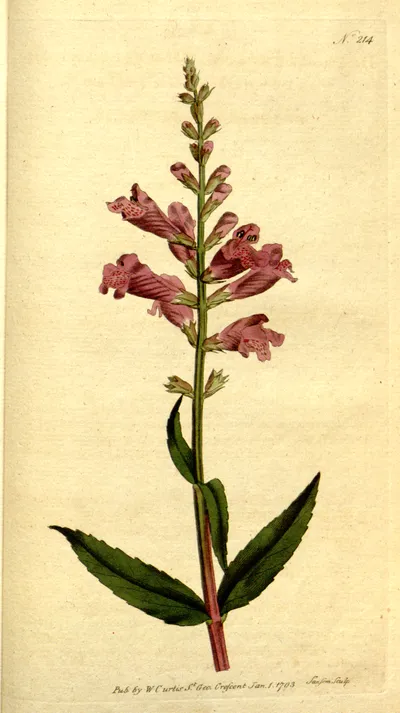 1 of 2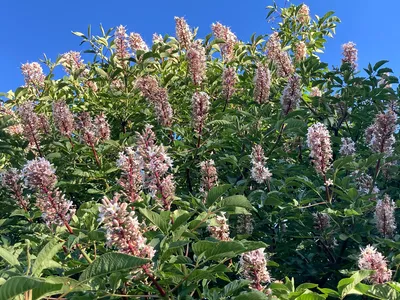
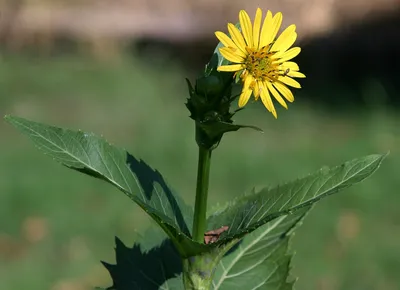
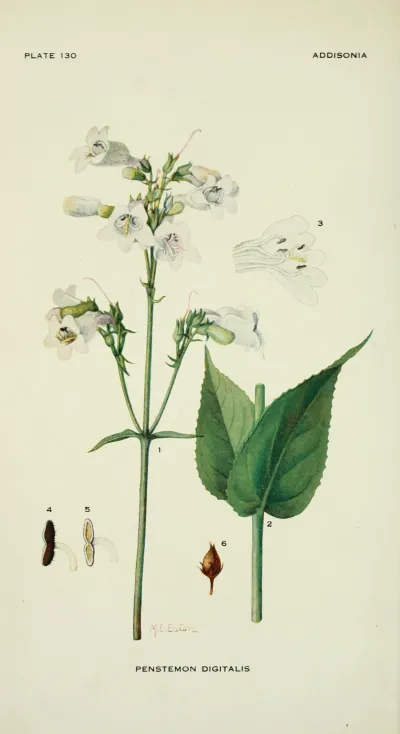 1 of 2
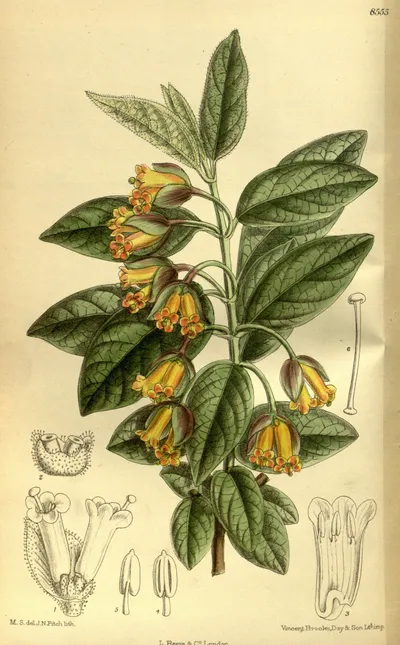 1 of 2
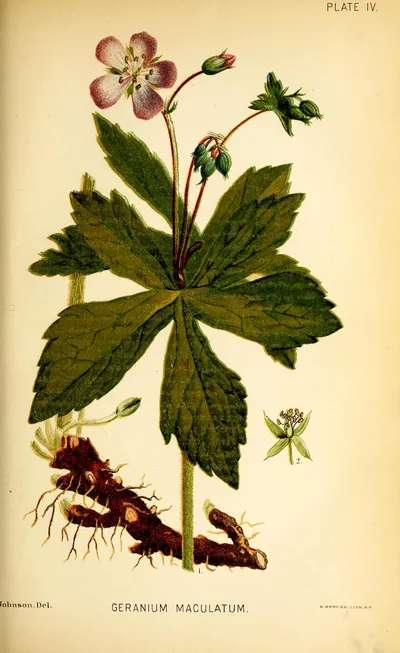 1 of 3
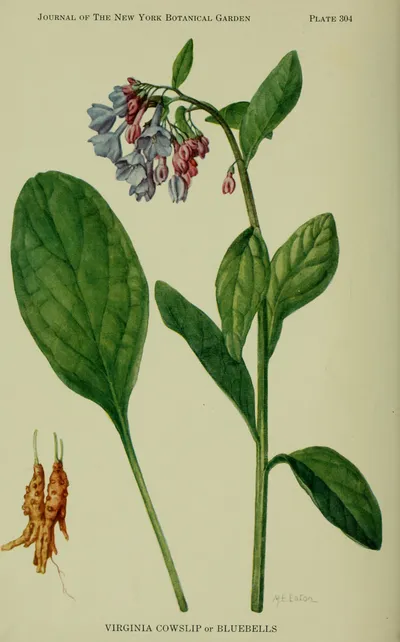 1 of 3
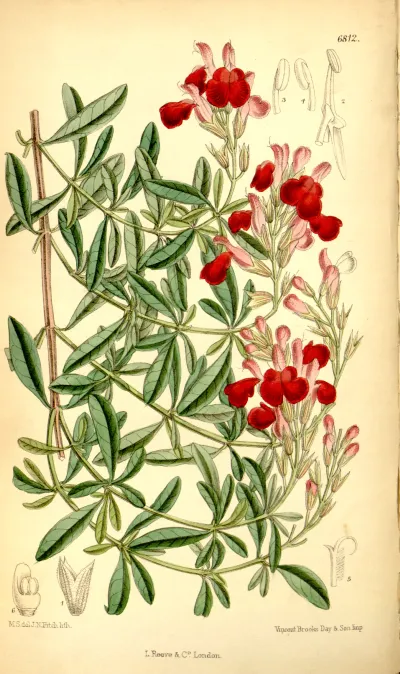 1 of 2
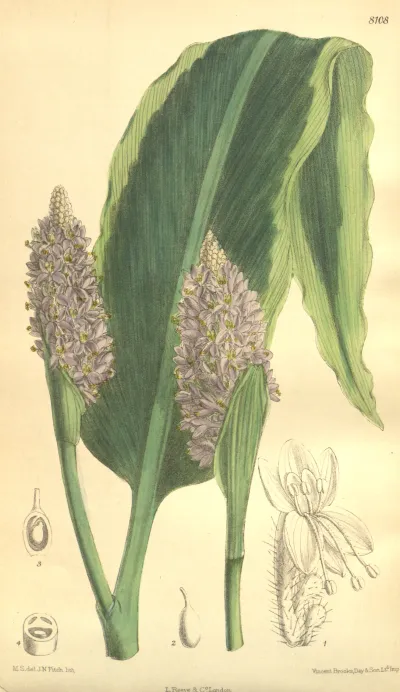 1 of 2
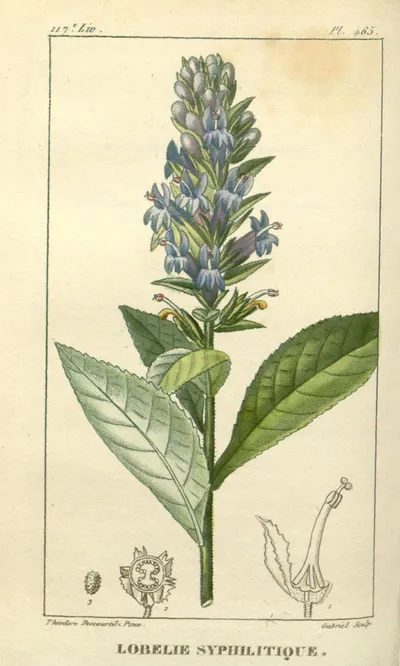 1 of 2
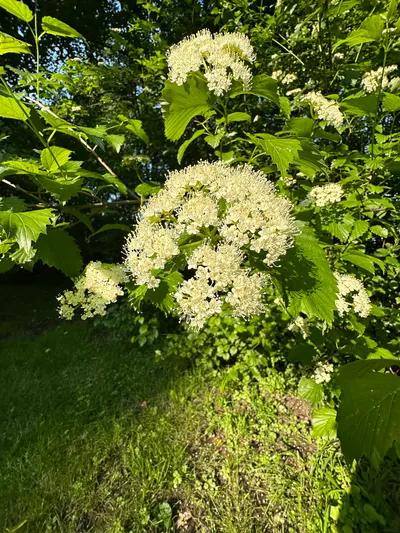 1 of 2
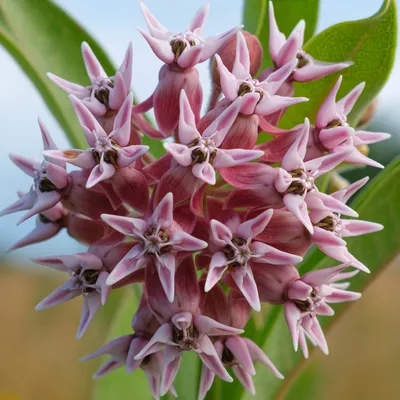 1 of 2
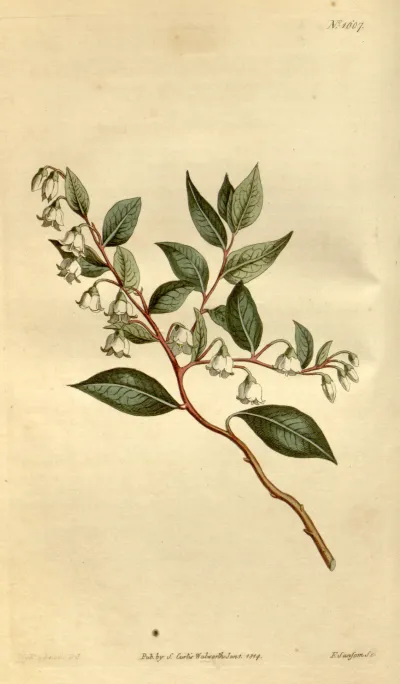 1 of 2
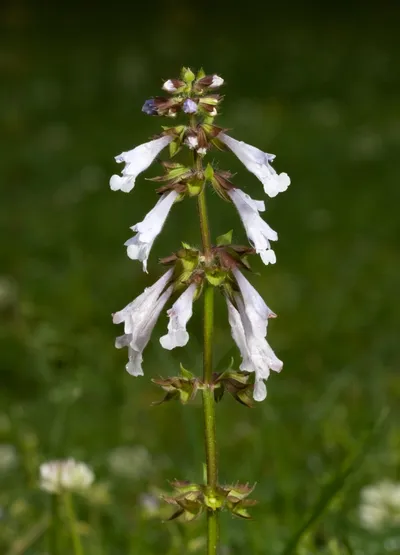 1 of 3
 1 of 2
 1 of 3
 1 of 2
 1 of 2
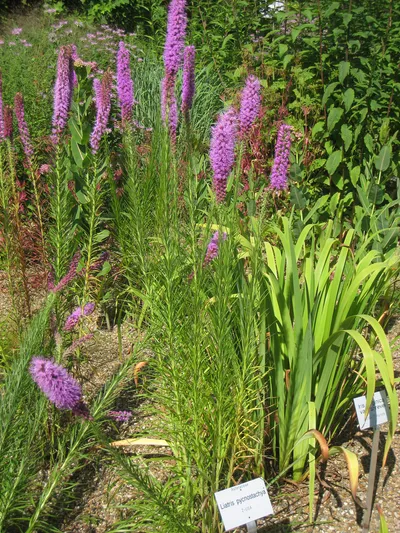 1 of 2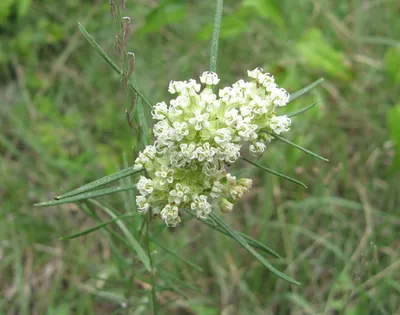
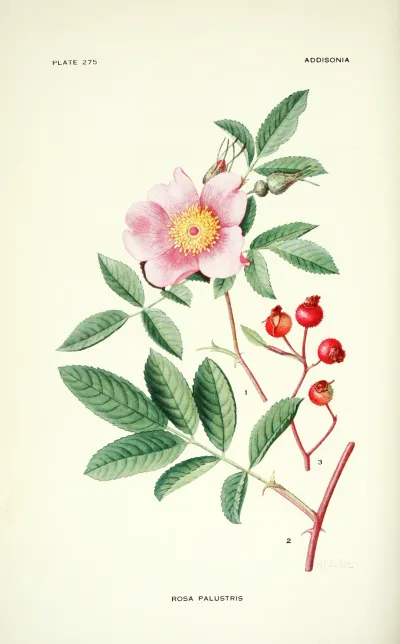 1 of 2
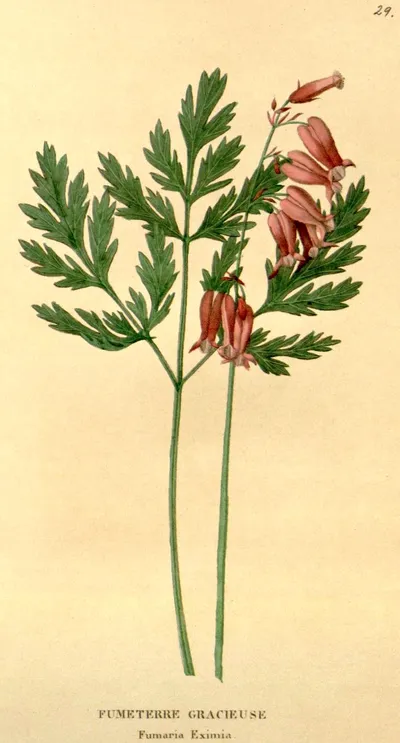 1 of 3
 1 of 2
 1 of 2
 1 of 2
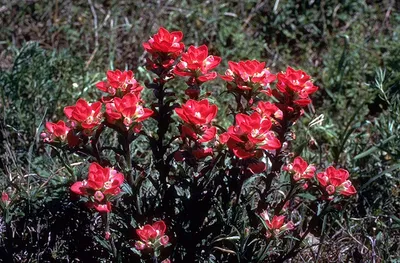 1 of 2
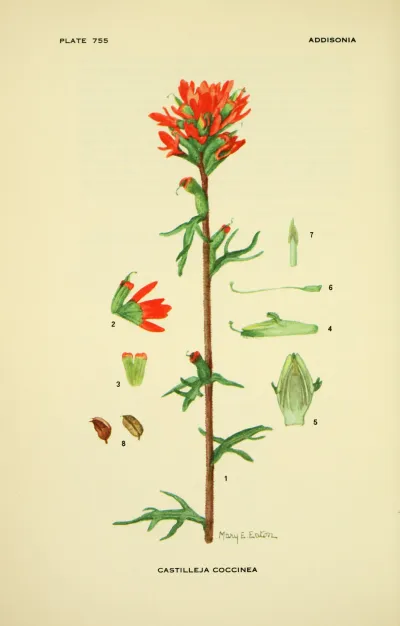 1 of 2
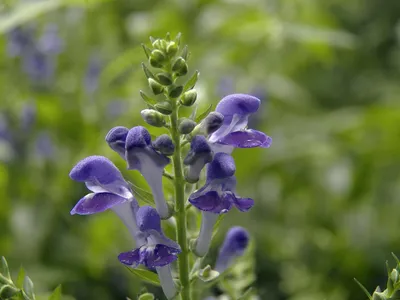 1 of 2
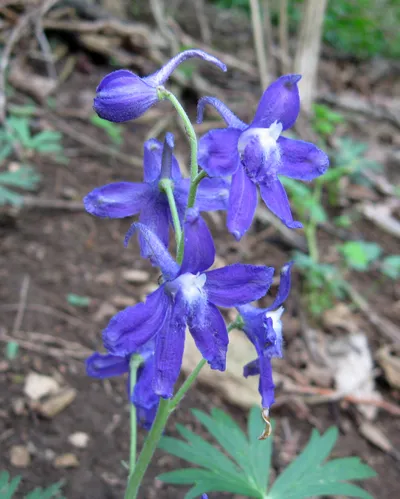 1 of 2
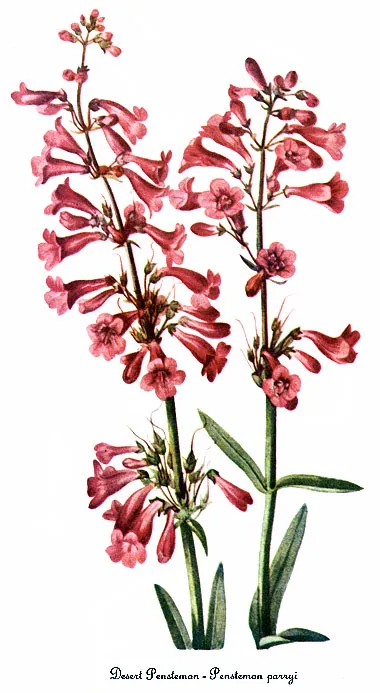 1 of 3
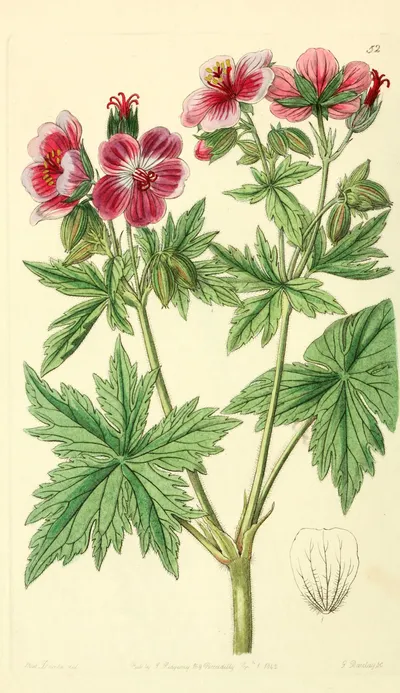 1 of 2
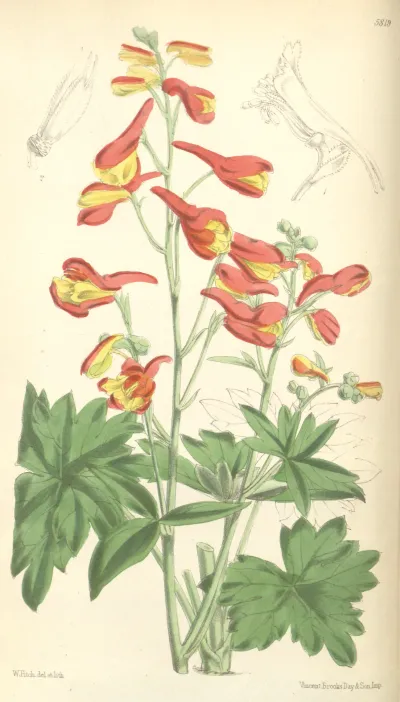 1 of 2
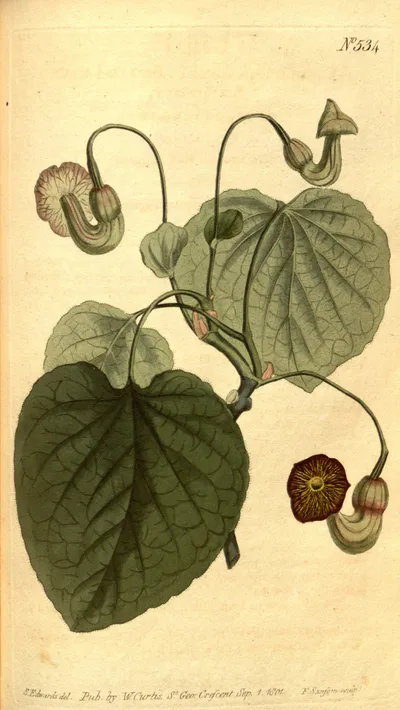 1 of 2
No plants match those filters.
Sources
- Butterflies and Moths of North America ↗
- iNaturalist ↗
- Plant associations from GloBI flower-visit records and NPIN larval-host data. Butterfly photographs via iNaturalist (CC BY).