prairie wildflower
Autumn sage
Salvia greggii
Also known as Cherry Sage, Gregg Salvia
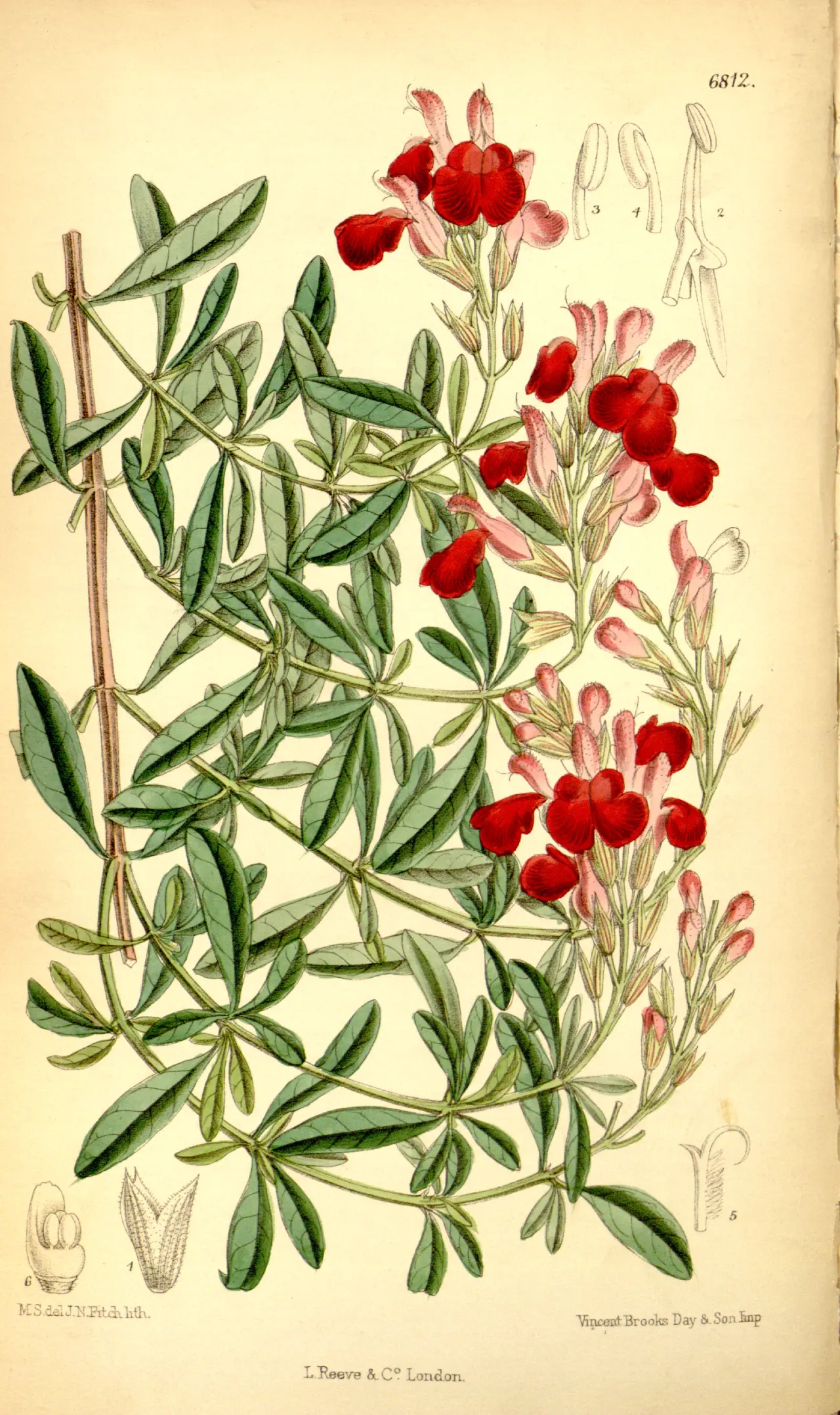 1 of 2
Native to Texas
Central and west Texas south to San Luis Potosi in Mexico
- Light Full sun Sun tolerance
- Moisture Dry Moisture preference
- Zones 6–11 Cold to heat range
- Bloom Mar–Dec Flowering time
- Height 2–3 ft 0.6–0.9 m
- Life cycle Perennial Annual to perennial
In the garden
A prairie wildflower for full sun and lean, dry soil. Its white flowers peak in July. At 2–3 ft, it suits meadows and sunny borders. It shrugs off drought once established. Hardy in USDA zones 6–11.
Growing conditions
Light
Full sun Partial shade Full shade
Moisture
Dry Moist Wet
Hardiness zones
Find your zone:
When it blooms
The Autumn sage's white flowers bloom March to December, peaking in July. This midsummer display draws bees and butterflies.
Autumn sage blooms white, red, pink, orange & purpleFoliage
Pollinators & wildlife
- Bees Common Eastern Bumble Bee
also Western Honey Bee, American Bumble Bee, Bombus fervidus +9 more
Southern Carpenter Bee, Buff-tailed Bumble Bee, Horse-fly Carpenter Bee, Valley Carpenter Bee, Sonoran Bumble Bee, Foothill Carpenter Bee, Anthophora incerta, Violet Carpenter Bee, Common Carder Bumble Bee - Butterflies Gulf Fritillary
also Pipevine Swallowtail, Gray Hairstreak, Queen +8 more
Cloudless Sulphur, Marine Blue, Southern Dogface, Mexican Yellow, Abaeis nicippe, Zerene eurydice, Large Orange Sulphur, Brazilian Skipper - Moths White-lined Sphinx also Inornate Pyrausta Moth, Eurasian Hummingbird Hawkmoth, Tersa Sphinx
- Also visited by
- Flower flies:
Common Drone Fly, Large-tailed Aphideater +2 more
Western Aphideater, Forked Globetail - Hummingbirds:
Anna's Hummingbird, Ruby-throated Hummingbird +1 more
Costa's Hummingbird - Birds: Spinus psaltria
- Flower flies:
Butterflies that use this plant
Documented host and nectar records. Each links to a planting guide for that butterfly.
- Cloudless sulphurnectar
- Dainty sulphurnectar
- Gray hairstreaknectar
- Gulf fritillarynectar
- Marine bluenectar
- Orange sulphurnectar
- Pipevine swallowtailnectar
- Queennectar
- Sleepy orangenectar
Full plant details
Where it grows
- Habitat
- PrairieThe wild plant community it grows in.
- Native range
- TexasUnited States (1): TX. Where it grows wild on its own, by state and province.
- Native distribution
- Central and west Texas south to San Luis Potosi in MexicoThe same native range, usually more exact than the state list, and often noting where it has spread beyond it.
Growing conditions
- Light
- Full sunHow much sun it takes, from full sun to full shade.
- Moisture
- DryThe soil dampness it prefers, from dry to wet.
- Hardiness zones
- USDA 6–11The cold-to-heat climate range it survives.
- Soil
- Well-drained, rocky soils, usually limestone of greater or lesser organic content. Also in sands and loamsThe soils it grows in naturally.
- Water use
- LowHow thirsty it is, a rough guide to how often to water.
- Drought tolerance
- HighRelative to plants of the same type and region, inferred from where it grows, not a days-without-water figure.
Growth & form
- Height
- 2–3 ft (0.6–0.9 m)Typical mature height.
- Life cycle
- PerennialWhether it lives a single season (annual), two (biennial), or returns for years (perennial).
Flowers, foliage & fruit
- Type
- WildflowerWhat kind of plant it is.
- Bloom
- Mar–DecWhen it flowers.
- Flower color
- White, Red, Pink, Orange, PurpleThe bloom color, or colors.
- Fruit/Seeds
- NutletsThe seed or fruit it sets after flowering.
- Toxicity
- None knownWhether any part is poisonous to people or pets.