woodland shrub
Lemonade berry
Rhus integrifolia
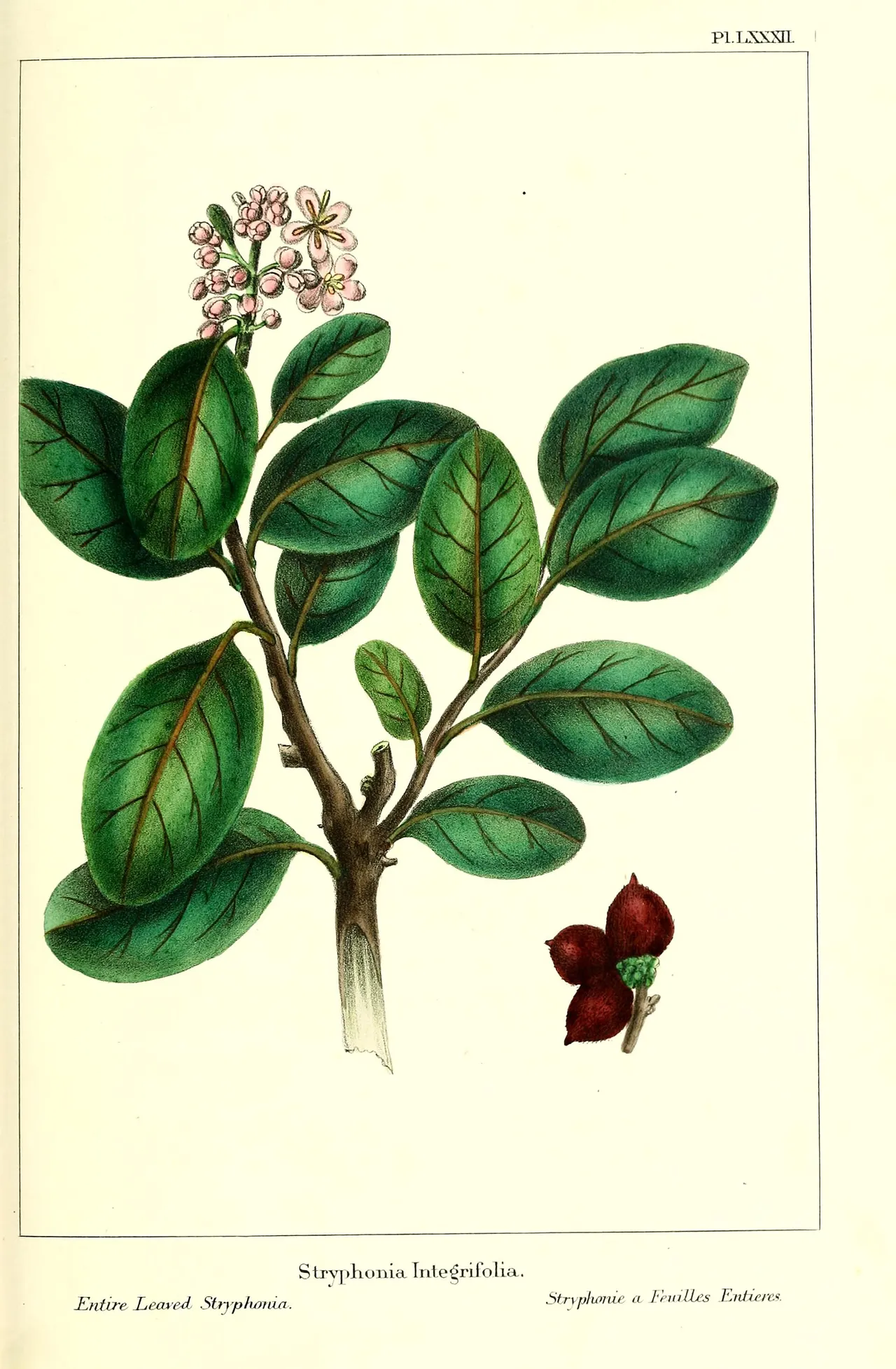 1 of 2
Native to California
Southern California to adjacent Mexico
- Light Full sun to part shade Sun tolerance
- Moisture Dry Moisture preference
- Zones n/a Cold to heat range
- Bloom Jan–Dec Flowering time
- Height 10–30 ft 3.0–9.1 m
- Life cycle Perennial Annual to perennial
In the garden
A woodland shrub for full sun to part shade and lean, dry soil. Its white and pink flowers peak in February. At 10–30 ft, it needs room in shade gardens and woodland edges.
Growing conditions
Light
Full sun Partial shade Full shade
Moisture
Dry Moist Wet
When it blooms
The Lemonade berry's white and pink flowers bloom January to December, peaking in February. This late-winter display draws bees and flower flies.
Lemonade berry blooms white & pinkFoliage
Pollinators & wildlife
- Bees Yellow-faced Bumble Bee
also Western Honey Bee, Tripartite Sweat Bee, Agapostemon texanus +8 more
California Digger Bee, Crotch's Bumble Bee, Tansy Mustard Sweat Bee, Ceratina acantha, Andrena cerasifolii, All-dark Miner, Arizona Small carpenter, Peridot Sweat Bee - Flower flies Margined Calligrapher
also Oblique Streaktail, Large-tailed Aphideater, Copestylum marginatum +7 more
Exotic Streaktail, Golden Plushback, Haag's Bromeliad Fly, Pseudoscaeva diversifasciatus, Fazia micrura, Yellow-spotted Bromeliad Fly, Single-banded Plushback - Butterflies Monarch
also Painted Lady, Gray Hairstreak, Mourning Cloak +6 more
Silvery Blue, Lorquin's Admiral, Behr's Metalmark, Lotus Hairstreak, Southern Silvery Blue, Danaus plexippus plexippus - Also visited by
- Birds: House Finch, Melospiza melodia
- Wasps: Parancistrocerus declivatus
- Moths: White-lined Sphinx
Butterflies that use this plant
Documented host and nectar records. Each links to a planting guide for that butterfly.
- Red-banded hairstreakcaterpillar host
- Gray hairstreaknectar
- Monarch butterflynectar
- Mourning cloaknectar
- Painted ladynectar
- Silvery bluenectar
Full plant details
Where it grows
- Habitat
- WoodlandThe wild plant community it grows in.
- Native range
- CaliforniaUnited States (1): CA. Where it grows wild on its own, by state and province.
- Native distribution
- Southern California to adjacent MexicoThe same native range, usually more exact than the state list, and often noting where it has spread beyond it.
Growing conditions
- Light
- Full sun to part shadeHow much sun it takes, from full sun to full shade.
- Moisture
- DryThe soil dampness it prefers, from dry to wet.
- Soil
- Dry soilsThe soils it grows in naturally.
- Soil texture
- Light to heavy (sandy to clay)The soil grade it prefers, from sand to clay.
- Soil pH
- Mildly acid to mildly alkalineThe acidity to alkalinity it tolerates (7 is neutral).
- Soil quality
- Low (tolerates poor soil)How rich a soil it needs. Many natives prefer lean soil and flop in rich beds.
Growth & form
- Height
- 10–30 ft (3.0–9.1 m)Typical mature height.
- Life cycle
- PerennialWhether it lives a single season (annual), two (biennial), or returns for years (perennial).
- Growth rate
- ModerateA relative ranking versus other plants of the same type (USDA), not an absolute rate.
Flowers, foliage & fruit
- Type
- ShrubWhat kind of plant it is.
- Bloom
- Jan–DecWhen it flowers.
- Flower color
- White, PinkThe bloom color, or colors.
- Fruit/Seeds
- ripens Feb–SepThe seed or fruit it sets after flowering.
- Toxicity
- None knownWhether any part is poisonous to people or pets.