Pollinator
Silvery blue
Glaucopsyche lygdamus
A silvery, iridescent blue of spring, tied to native legumes.
- Family
- Lycaenidae (gossamer-wings)
- Wingspan
- 0.9 to 1.25 in (2.3 to 3.2 cm)
- Flight season
- Spring (one brood)
- Range
- Across North America
- Caterpillar food
- Legumes (lupines, vetches)
- Conservation
- Secure and widespread
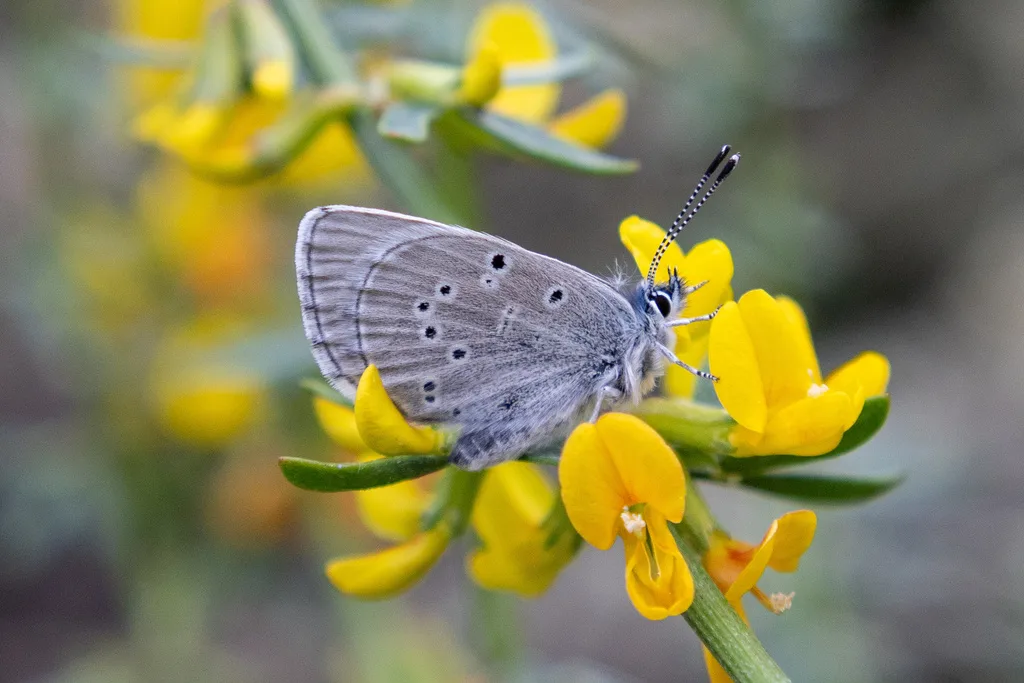
The silvery blue is a small, brilliant blue butterfly, silvery-gray below with a single clean row of black spots, one of the first blues on the wing in spring.
It flies in a single spring brood in open woods, meadows, and roadsides across the continent.
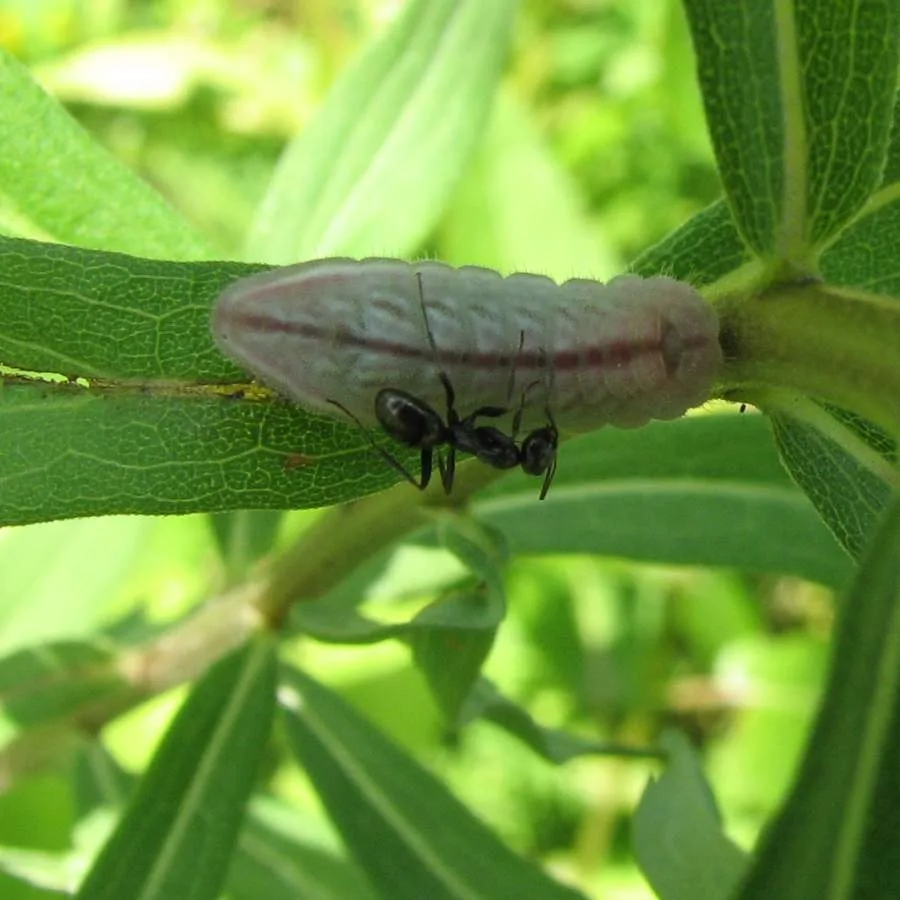
Caterpillars feed on the flowers and pods of legumes such as lupines, vetches, and milk-vetches, and are tended by ants.
Plants for the silvery blue
11 caterpillar host plants and 30 documented nectar plants. Pick a role, then narrow with the filters below.
37 plants
Nectar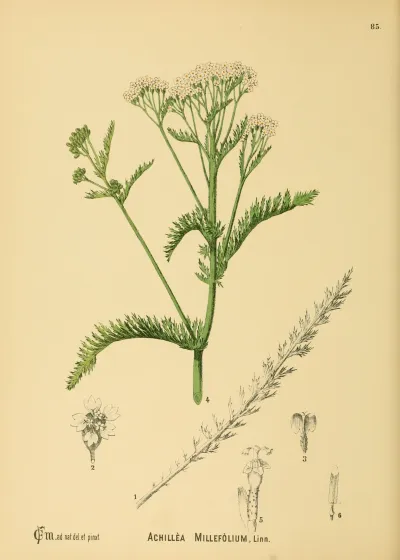 1 of 2 Common yarrow complex Achillea millefolium Nectar
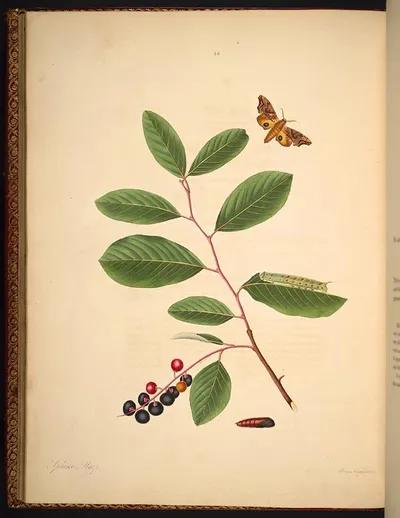 Chokecherry Prunus virginiana Nectar
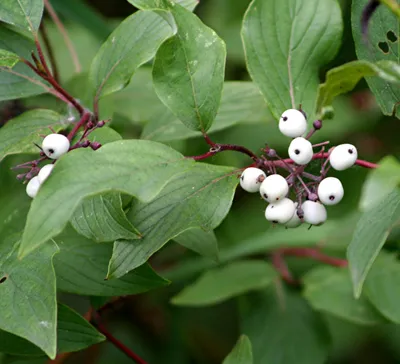 Red osier dogwood Cornus sericea Nectar
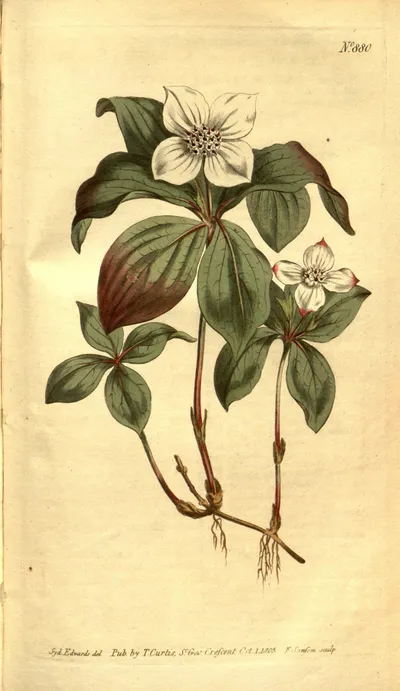 1 of 2 Canadian bunchberry Cornus canadensis Nectar
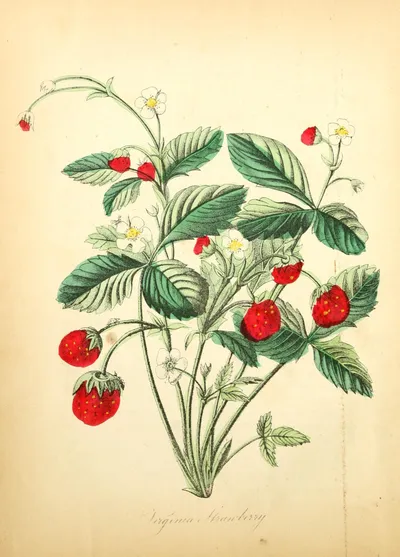 1 of 2 Virginia strawberry Fragaria virginiana Nectar
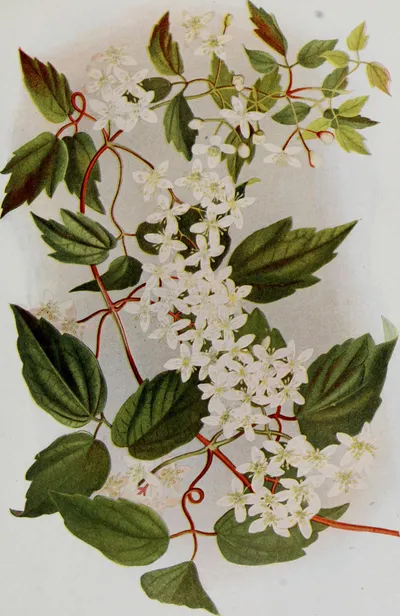 Virgin's-bower Clematis virginiana Nectar
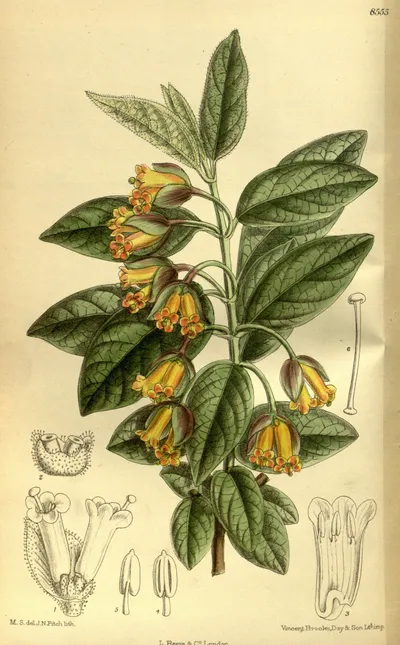 1 of 2 Twinberry honeysuckle Lonicera involucrata Nectar
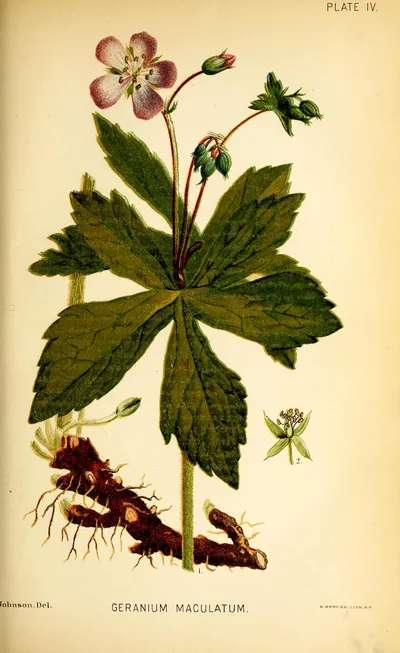 1 of 3 Wild geranium Geranium maculatum Nectar
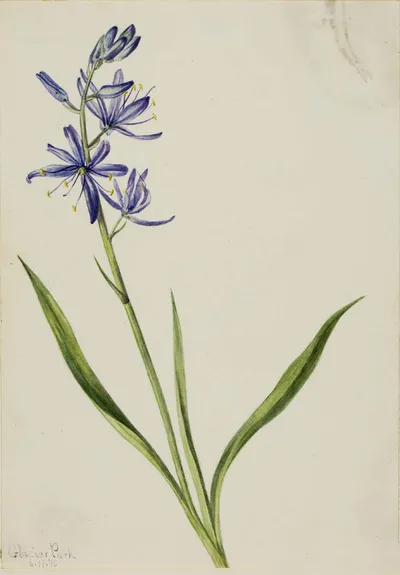 1 of 3 Small camas Camassia quamash Host
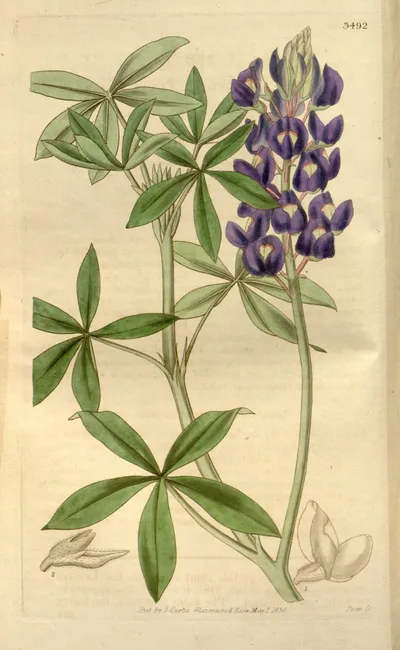 1 of 3 Texas bluebonnet Lupinus texensis Nectar
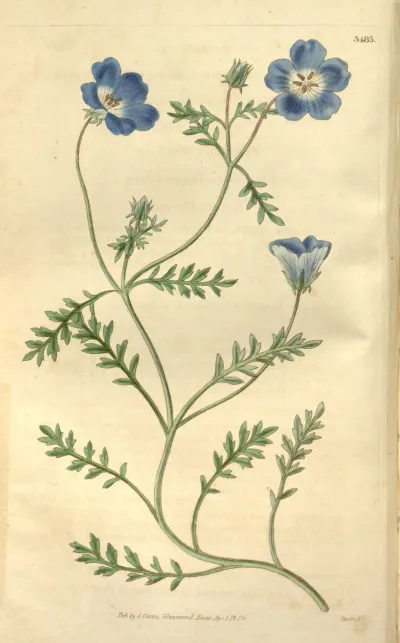 1 of 3 Menzies' baby blue eyes Nemophila menziesii Host
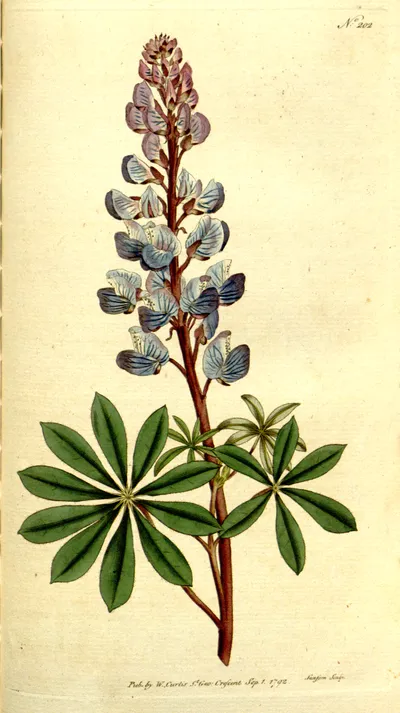 1 of 2 Sundial Lupine Lupinus perennis Nectar
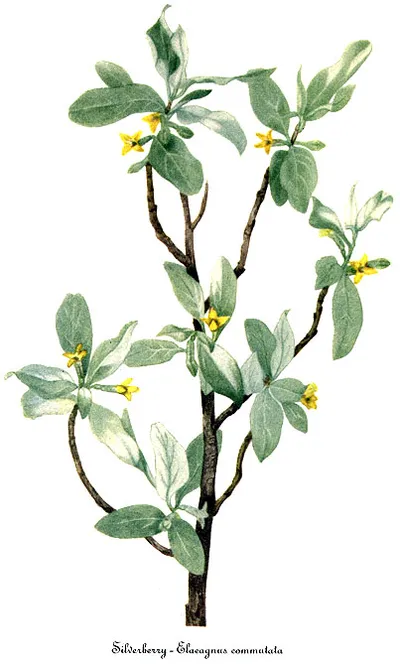 1 of 2 Silverberry Elaeagnus commutata Nectar
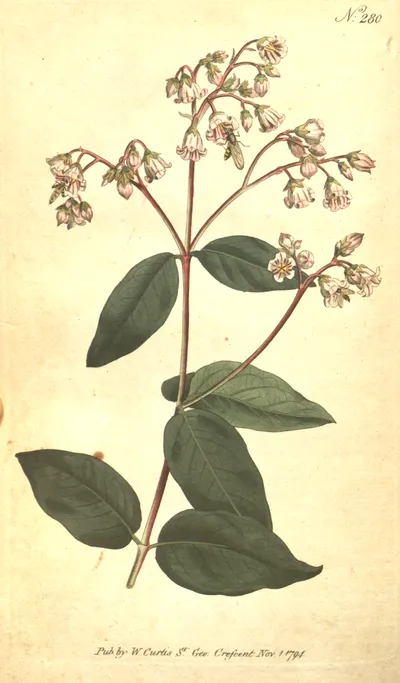 1 of 2 Spreading dogbane Apocynum androsaemifolium Nectar
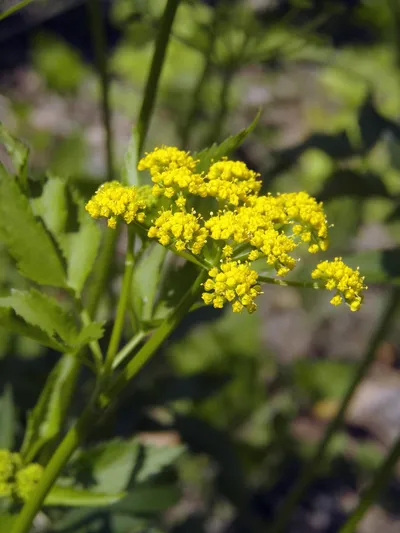 1 of 2 Golden Alexanders Zizia aurea Nectar
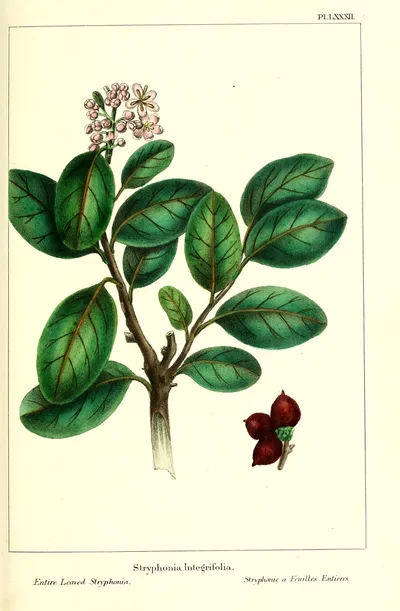 1 of 2 Lemonade berry Rhus integrifolia Nectar
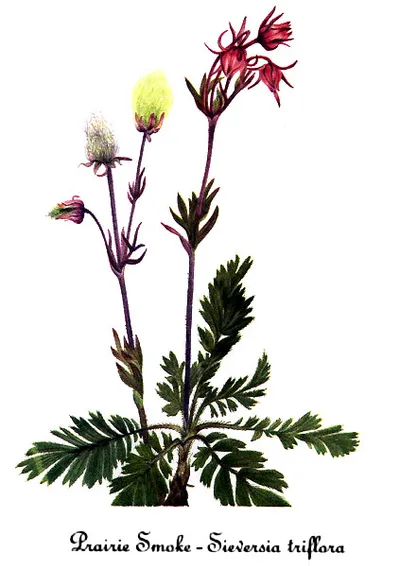 1 of 3 Prairie smoke Geum triflorum Host
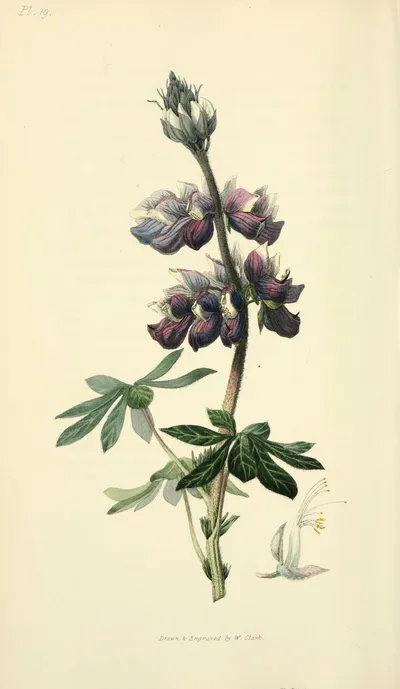 1 of 2 Nootka Lupine Lupinus nootkatensis Nectar
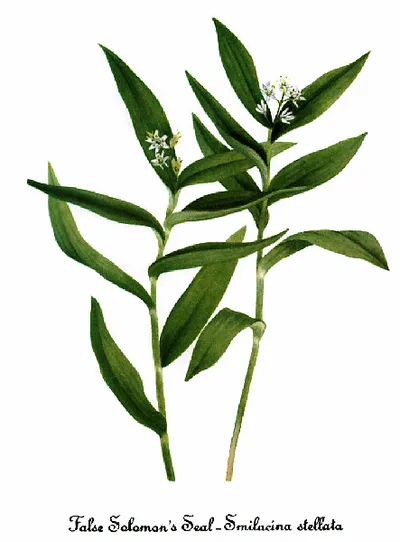 1 of 3 Star-flowered lily-of-the-valley Maianthemum stellatum Host + Nectar
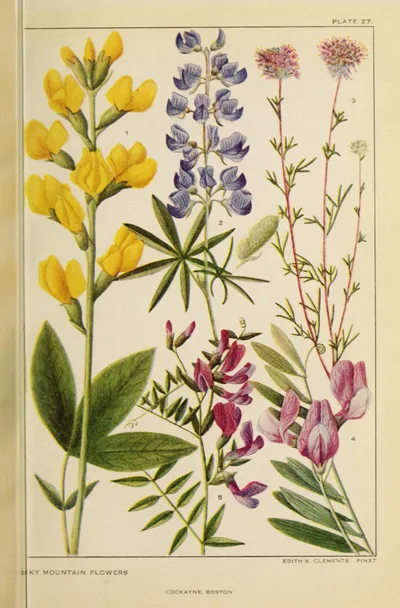 1 of 2 Silvery lupine Lupinus argenteus Host
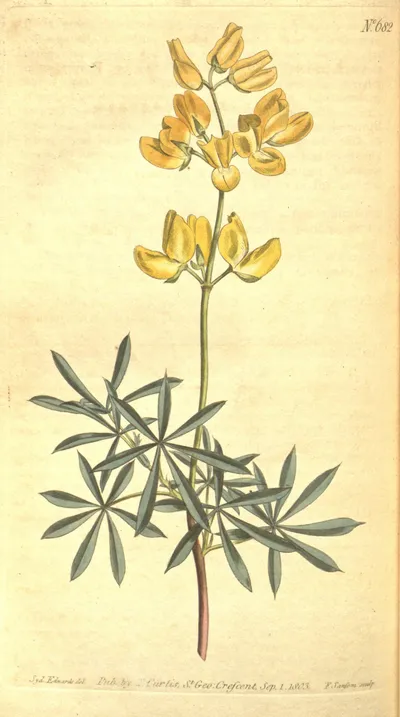 1 of 2 Coastal bush lupine Lupinus arboreus Nectar
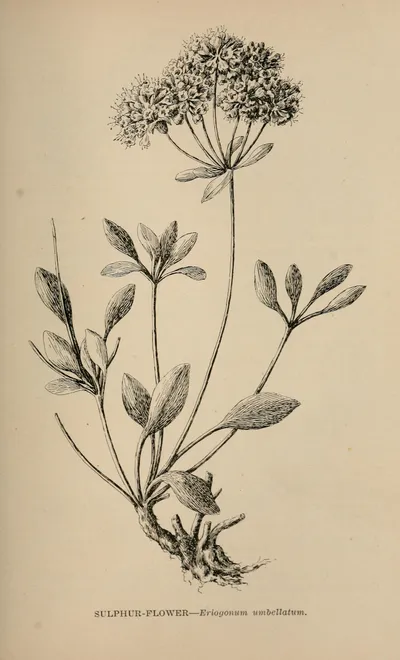 1 of 2 Sulfur buckwheat Eriogonum umbellatum Nectar
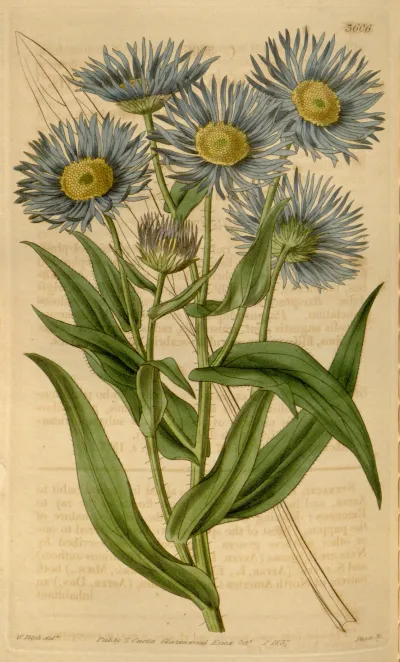 1 of 2 Aspen fleabane Erigeron speciosus Nectar
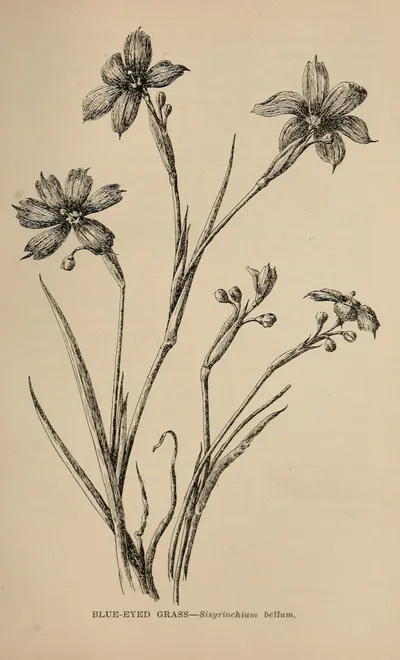 1 of 2 Western blue-eyed grass Sisyrinchium bellum Host
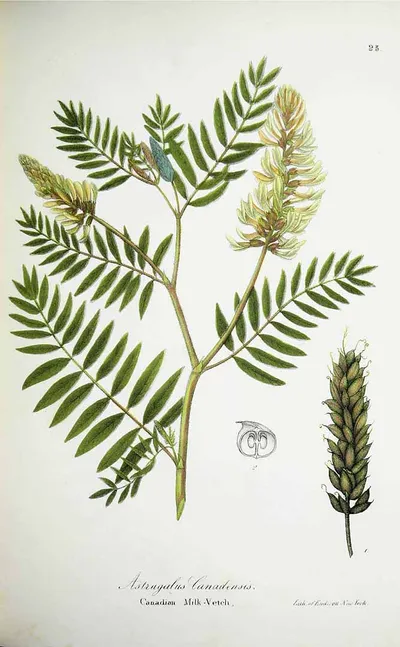 1 of 3 Canadian milkvetch Astragalus canadensis Nectar
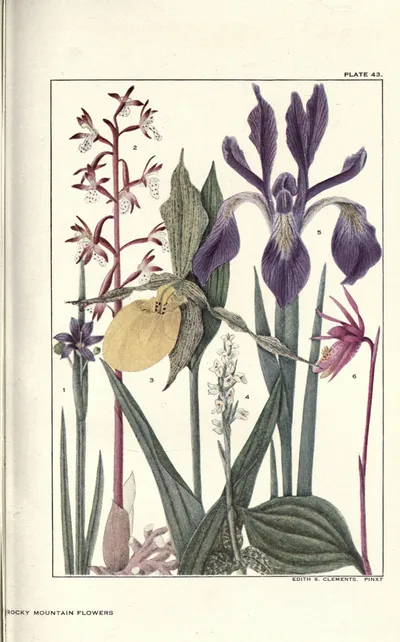 1 of 2 Western blue flag Iris missouriensis Host
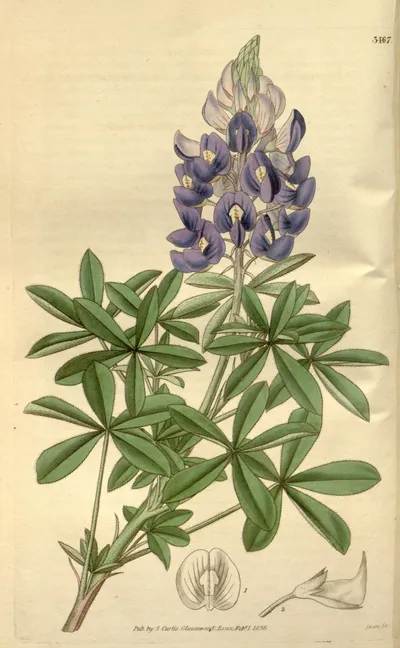 1 of 2 Sandyland Bluebonnet Lupinus subcarnosus Host + Nectar
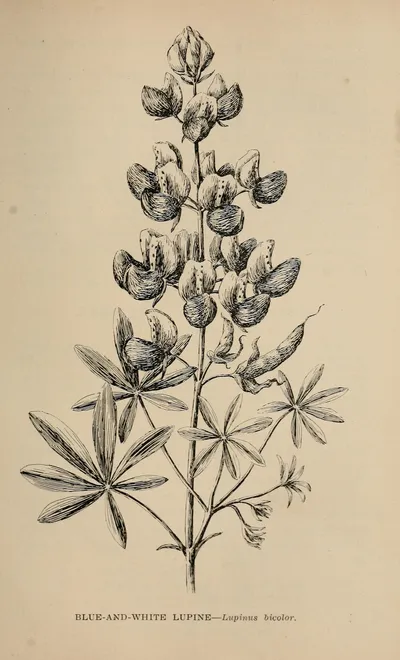 1 of 2 Miniature Lupine Lupinus bicolor Host + Nectar
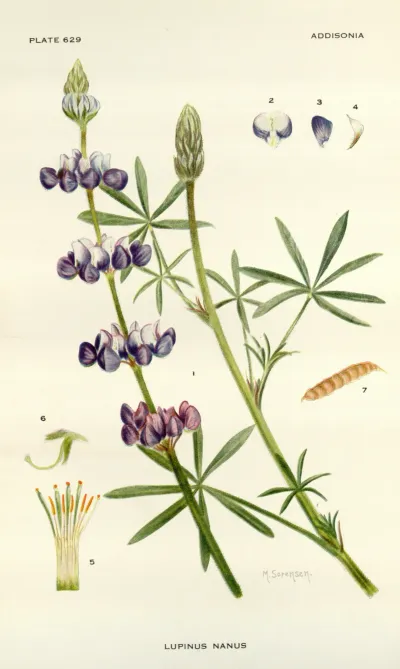 1 of 3 Sky Lupine Lupinus nanus Nectar
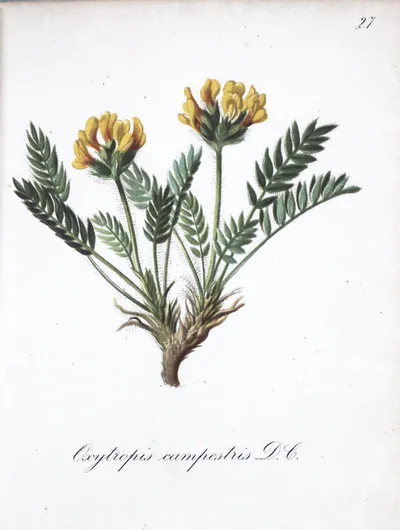 1 of 3 Field locoweed Oxytropis campestris Nectar
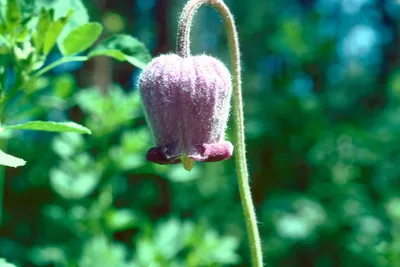 1 of 3 Hairy clematis Clematis hirsutissima Nectar
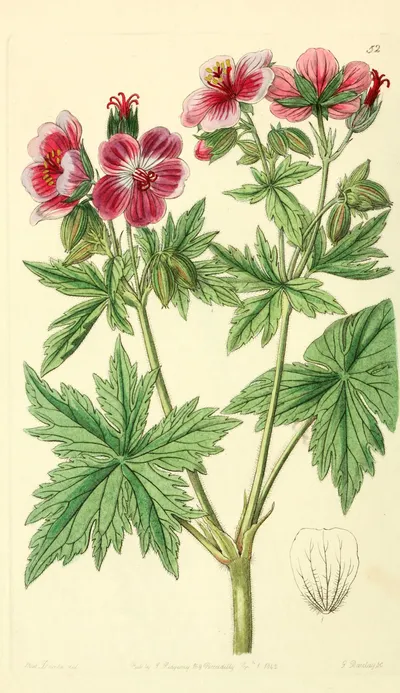 1 of 2 Woolly cranesbill Geranium erianthum Nectar
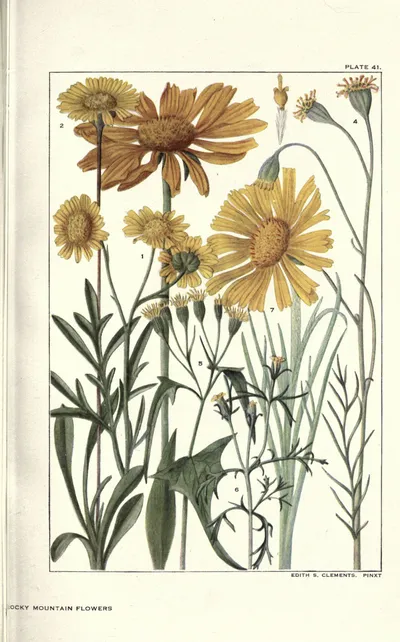 1 of 2 Owlsclaws Hymenoxys hoopesii Host + Nectar
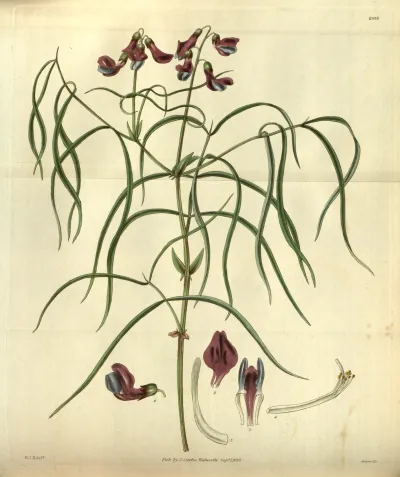 1 of 2 Veiny pea Lathyrus venosus Host
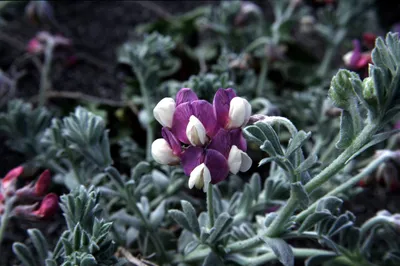 Silky beach pea Lathyrus littoralis Nectar
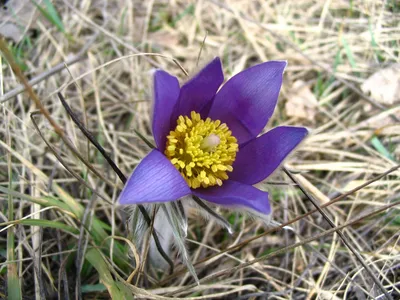 Eastern pasqueflower Pulsatilla patens Nectar
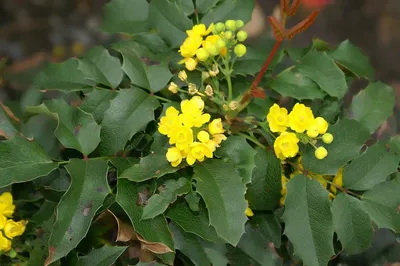 Hollyleaved barberry Mahonia aquifolium
1 of 21 of 21 of 21 of 21 of 31 of 31 of 31 of 31 of 21 of 21 of 21 of 21 of 21 of 31 of 21 of 31 of 21 of 21 of 21 of 21 of 21 of 31 of 21 of 21 of 21 of 31 of 31 of 31 of 21 of 21 of 2No plants match those filters.
Sources
- Butterflies and Moths of North America ↗
- iNaturalist ↗
- Plant associations from GloBI flower-visit records and NPIN larval-host data. Butterfly photographs via iNaturalist (CC BY).