woodland wildflower
Silvery lupine
Lupinus argenteus
Also known as Silver-stem Lupine
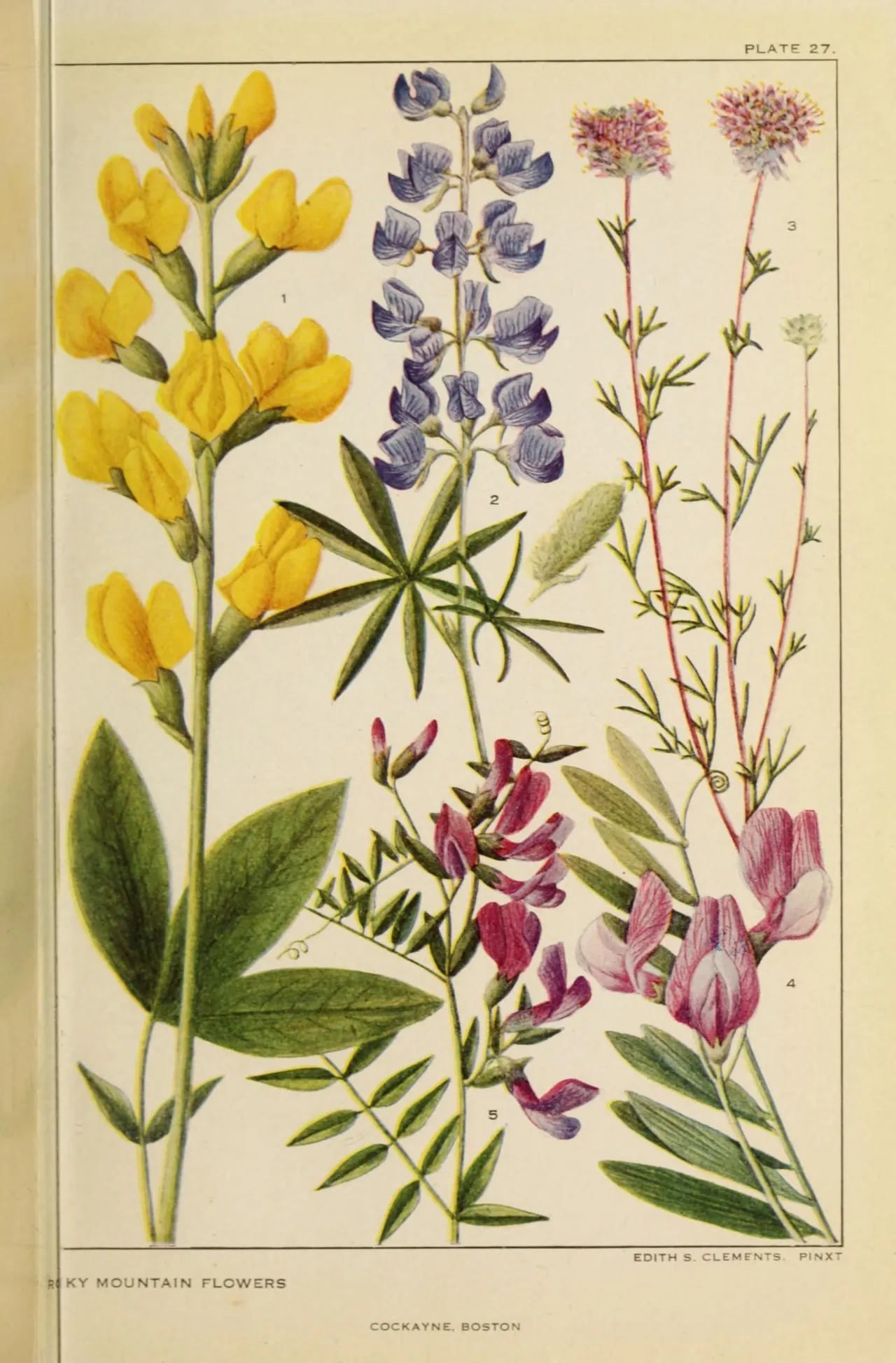 1 of 2
Native to the Pacific Coast, the Southwest, and the Rockies and southern Canada
East-central Oregon and northeastern California to Arizona, east to Alberta, western North Dakota, northwestern Nebraska and New Mexico
- Light Full sun to shade Sun tolerance
- Moisture Dry Moisture preference
- Zones 2–9 Cold to heat range
- Bloom Jun–Jul Flowering time
- Height up to 2 ft to 0.6 m
- Life cycle Perennial Annual to perennial
In the garden
A woodland wildflower for sun through shade and lean, dry soil. At up to 2 ft, it suits shade gardens and woodland edges. It shrugs off drought once established. Hardy in USDA zones 2–9.
Growing conditions
Light
Full sun Partial shade Full shade
Moisture
Dry Moist Wet
Hardiness zones
Find your zone:
Pollinators & wildlife
- Bees Brown-belted Bumble Bee
also Yellow-faced Bumble Bee, Black-tailed Bumble Bee, Bombus fervidus +39 more
Red-belted Bumble Bee, Hunt's Bumble Bee, Fuzzy-Horned Bumble Bee, Two-form Bumble Bee, Orange-legged Furrow Bee, Yellow-fronted Bumble Bee, Nevada Bumble Bee, Great Basin Bumble Bee, Nearctic Bumble Bee, Orange-tipped Wood-digger, White-shouldered Bumble Bee, Western Bumble Bee, Bufflehead Mason Bee, Western Blue Orchard Bee, Black-fronted turret bee, Small-handed Leaf-cutter Bee, Anthophora ursina, Anthidium utahense, Ambiguous Miner, Megachile onobrychidis, Neat Mason, Episcopal Masked Bee, Osmia atrocyanea, Osmia tristella, Osmia juxta, White-sided Mason Bee, Osmia ednae, Miteless Sweat Bee, Osmia marginipennis, Osmia pusilla, Osmia subaustralis, Osmia nigrifrons, Osmia paradisica, Osmia densa, Osmia grindeliae, Hoplitis fulgida fulgida, Shifty Miner Bee, Singular Miner Bee, Milwaukee Mining Bee - Butterflies Silver-spotted Skipper
also American Lady, Peck's Skipper, Dun Skipper +17 more
Silvery Blue, Reakirt's Blue, Boisduval's Blue, Tawny-edged Skipper, Common Sootywing, Weidemeyer's Admiral, Persius Duskywing, Garita Skipperling, Afranius Duskywing, Uncas Skipper, Pale Crescent, Arctic Blue, Harkenclenus titus, Polites mystic, Ochlodes snowi, Polites coras, Colias alexandra - Beetles Galeruca rudis
- Also visited by
- Flower flies: Conophorus sackenii
- Moths: Fireweed Clearwing Moth
Butterflies that use this plant
Documented host and nectar records. Each links to a planting guide for that butterfly.
- Boisduval's bluehost & nectar
- Silvery bluehost & nectar
- Acmon bluecaterpillar host
- Melissa bluecaterpillar host
- American ladynectar
- Coral hairstreaknectar
- Reakirt's bluenectar
- Silver-spotted skippernectar
Full plant details
Where it grows
- Habitat
- WoodlandThe wild plant community it grows in.
- Native range
- The Pacific Coast, the Southwest, and the Rockies and southern CanadaUnited States (14): AZ, CA, CO, ID, MT, ND, NE, NM, NV, OR, SD, UT, WA, WY. Canada (1): AB. Where it grows wild on its own, by state and province.
- Native distribution
- East-central Oregon and northeastern California to Arizona, east to Alberta, western North Dakota, northwestern Nebraska and New MexicoThe same native range, usually more exact than the state list, and often noting where it has spread beyond it.
Growing conditions
- Light
- Full sun to shadeHow much sun it takes, from full sun to full shade.
- Moisture
- DryThe soil dampness it prefers, from dry to wet.
- Hardiness zones
- USDA 2–9 · Canadian 1–7The cold-to-heat climate range it survives.
- Soil
- Rocky soilsThe soils it grows in naturally.
- Soil pH
- 7.0–8.0The acidity to alkalinity it tolerates (7 is neutral).
- Soil quality
- LowHow rich a soil it needs. Many natives prefer lean soil and flop in rich beds.
- Water use
- LowHow thirsty it is, a rough guide to how often to water.
- Drought tolerance
- HighRelative to plants of the same type and region, inferred from where it grows, not a days-without-water figure.
- Salinity tolerance
- NoneHow well it copes with salty soil, near roads or the coast.
- Lime (CaCO₃) tolerance
- MediumHow well it copes with chalky, lime-rich soil.
Growth & form
- Height
- up to 2 ft (to 0.6 m)Typical mature height.
- Life cycle
- PerennialWhether it lives a single season (annual), two (biennial), or returns for years (perennial).
- Growth rate
- RapidA relative ranking versus other plants of the same type (USDA), not an absolute rate.
- Shape
- ErectIts overall silhouette.
- Root depth
- 6+ in (15+ cm)How far the roots reach, a guide to drought resilience and transplanting.
Flowers, foliage & fruit
- Type
- WildflowerWhat kind of plant it is.
- Bloom
- Jun–JulWhen it flowers.
- Flower color
- PurpleThe bloom color, or colors.
- Toxicity
- None knownWhether any part is poisonous to people or pets.
Propagation & seed
- Cold stratification
- Not requiredWhether seed needs a cold, moist spell before it will germinate.
- Propagation
- Container, seedHow to start new plants.
- Seed
- ~0.1 million seeds per poundNotes on the seed and how to sow it.
- Seed spread rate
- RapidHow readily it self-sows. Slow or none means well-behaved, not a spreader.
- Seedling vigor
- HighHow strongly young seedlings establish.
- Vegetative spread
- NoneWhether it creeps outward or stays put in a clump.