prairie wildflower
Miniature Lupine
Lupinus bicolor
Also known as Miniature Annual Lupine, Pygmy-leaved Lupine
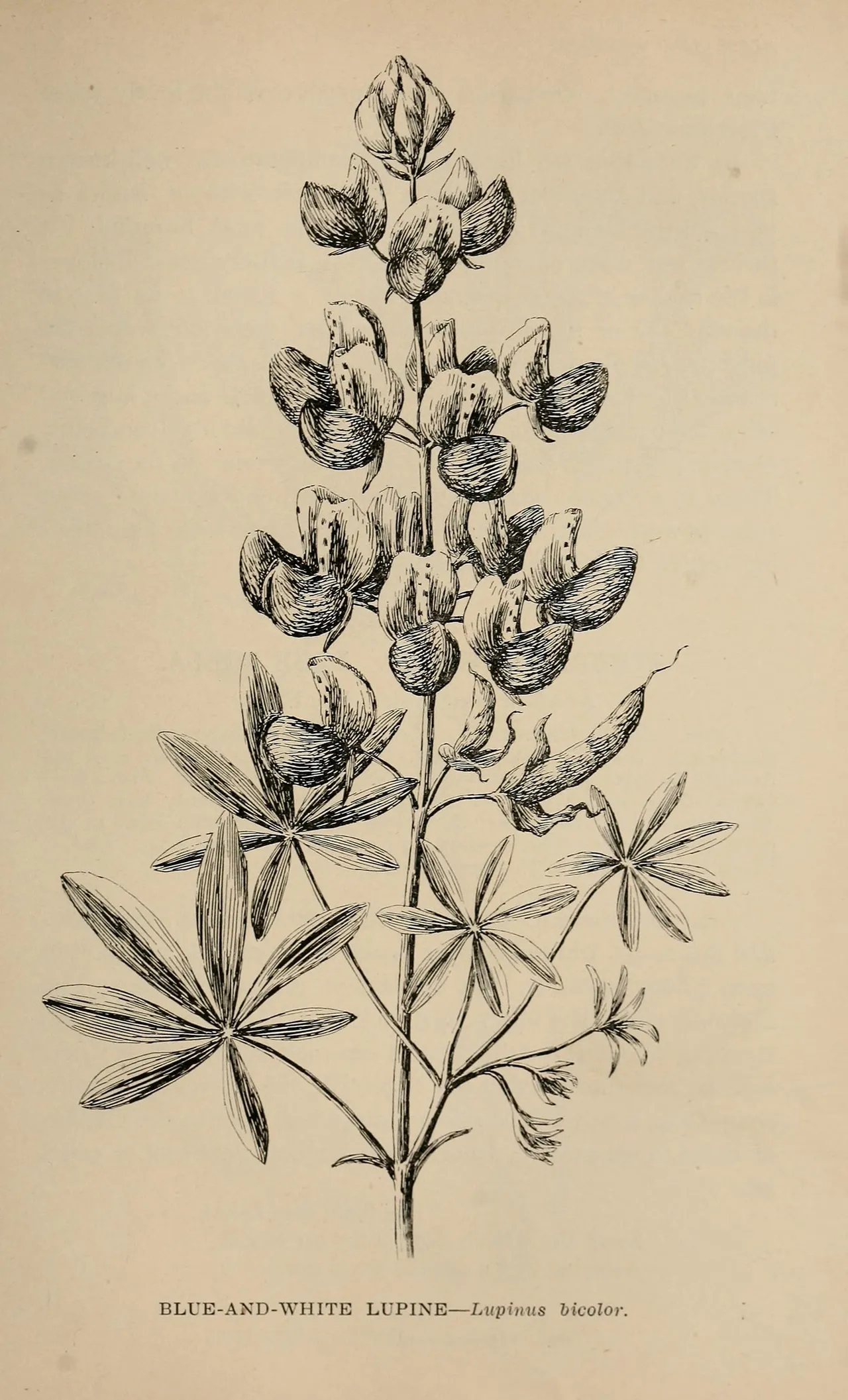 1 of 2
Native to California, Oregon, and Washington
Vancouver Island, British Columbia to southern California; perhaps introduced in Arizona
- Light Full sun Sun tolerance
- Moisture Moisture preference
- Zones 6–11 Cold to heat range
- Bloom Mar–Jun Flowering time
- Height up to 16 in to 41 cm
- Life cycle Annual Annual to perennial
In the garden
A prairie wildflower for full sun. At up to 16 in, it tucks into meadows and sunny borders. Hardy in USDA zones 6–11.
Growing conditions
Light
Full sun Partial shade Full shade
Moisture
Dry Moist Wet
Hardiness zones
Find your zone:
Pollinators & wildlife
- Bees Yellow-faced Bumble Bee
also Tricolored Bumble Bee, Black-tailed Bumble Bee, Two-form Bumble Bee +3 more
California Bumble Bee, Crotch's Bumble Bee, Osmia tristella - Butterflies Silvery Blue
also Marine Blue, Acmon Blue, Boisduval's Blue +2 more
Mission Blue, Coenonympha california california - Flower flies Margined Calligrapher also Forked Globetail
Butterflies that use this plant
Documented host and nectar records. Each links to a planting guide for that butterfly.
- Acmon bluehost & nectar
- Boisduval's bluehost & nectar
- Silvery bluehost & nectar
- Melissa bluecaterpillar host
- Marine bluenectar
Full plant details
Where it grows
- Habitat
- PrairieThe wild plant community it grows in.
- Native range
- California, Oregon, and WashingtonUnited States (3): CA, OR, WA. Where it grows wild on its own, by state and province.
- Native distribution
- Vancouver Island, British Columbia to southern California; perhaps introduced in ArizonaThe same native range, usually more exact than the state list, and often noting where it has spread beyond it.
Growing conditions
- Light
- Full sunHow much sun it takes, from full sun to full shade.
- Hardiness zones
- USDA 6–11 · Canadian 6–9The cold-to-heat climate range it survives.
- Soil
- Sandy soilsThe soils it grows in naturally.
Growth & form
- Height
- up to 16 in (to 41 cm)Typical mature height.
- Life cycle
- AnnualWhether it lives a single season (annual), two (biennial), or returns for years (perennial).
Flowers, foliage & fruit
- Type
- WildflowerWhat kind of plant it is.
- Bloom
- Mar–JunWhen it flowers.
- Flower color
- BlueThe bloom color, or colors.
- Toxicity
- None knownWhether any part is poisonous to people or pets.