woodland shrub
Purple-flowered raspberry
Rubus odoratus
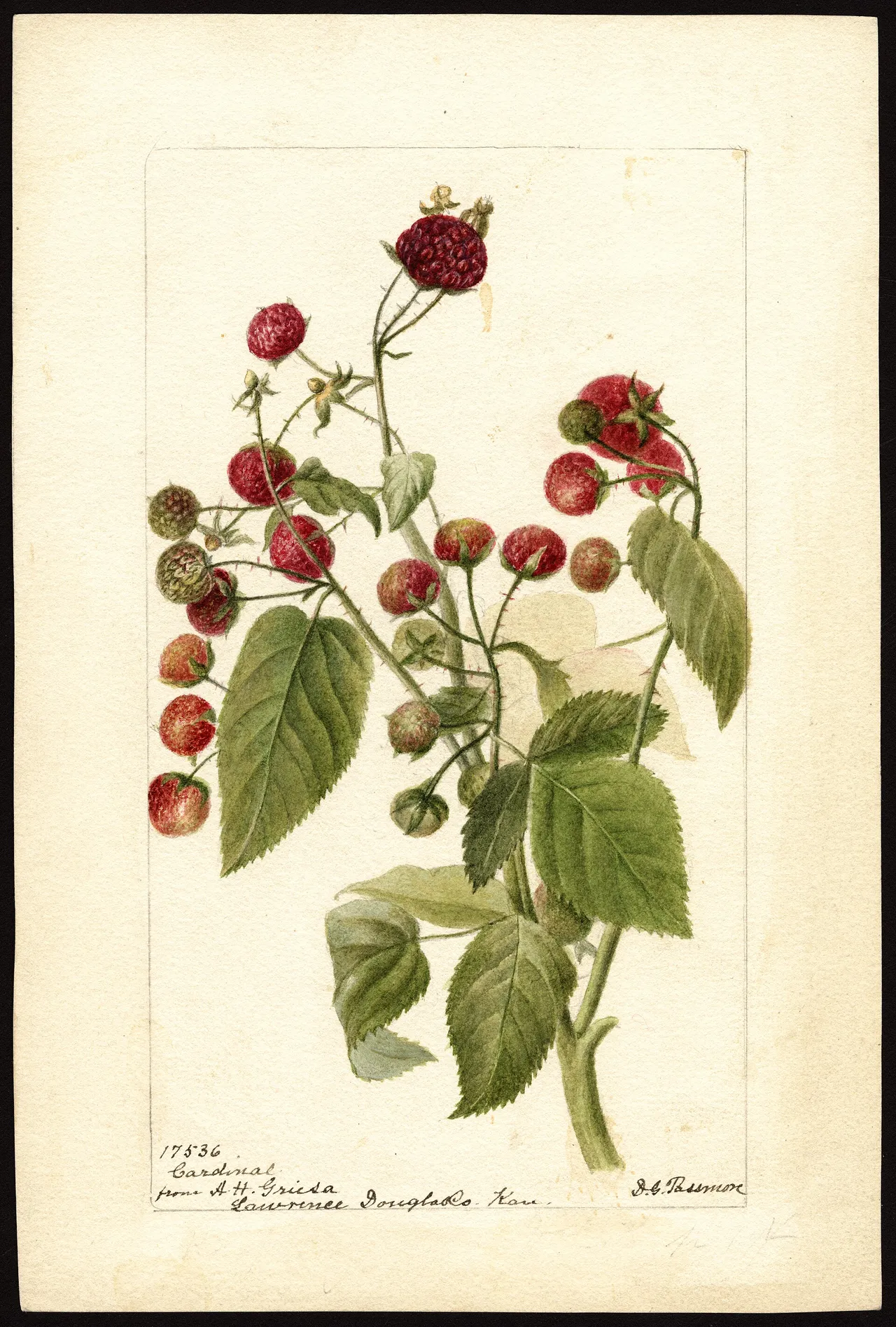 1 of 2
Native to much of the USA and southern Canada
Southern Maine to Michigan, south to North Carolina and Tennessee; also northern Illinois
- Light Full sun to shade Sun tolerance
- Moisture Moist Moisture preference
- Zones 3–7 Cold to heat range
- Bloom Jun–Aug Flowering time
- Height up to 6 ft to 1.8 m
- Life cycle Perennial Annual to perennial
In the garden
A woodland shrub for sun through shade and evenly moist soil. At up to 6 ft, it needs room in shade gardens and woodland edges. Hardy in USDA zones 3–7.
Growing conditions
Light
Full sun Partial shade Full shade
Moisture
Dry Moist Wet
Hardiness zones
Find your zone:
Pollinators & wildlife
- Bees Common Eastern Bumble Bee
also Western Honey Bee, Eastern Carpenter Bee, Brown-belted Bumble Bee +120 more
Two-spotted Bumble Bee, American Bumble Bee, Ligated Furrow Bee, Tricolored Bumble Bee, Bicolored Striped Sweat Bee, Pure Green Sweat bee, Red-belted Bumble Bee, Perplexing Bumble Bee, Half-black Bumble Bee, Orange-legged Furrow Bee, Lemon Cuckoo Bumble Bee, Northern Amber Bumble Bee, Yellow-banded Bumble Bee, Golden Sweat Bee, Rusty-patched Bumble Bee, Modest Masked Bee, Yellowish Cuckoo Bumble bee, Hawthorn Mining Bee, broad-handed leafcutter bee, Horn-faced Mason Bee, Orange-tipped Wood-digger, Carlin's Mining Bee, Rufous-backed Cellophane Bee, Taurus Mason Bee, Unarmed Leafcutter Bee, Northeastern Sweat Bee, Bufflehead Mason Bee, Bumblebee-like Digger Bee, Sanderson's Bumble Bee, Cresson's Mining Bee, Frigid Leafcutter Bee, Barbara's Mining Bee, Punctate Masked Bee, Allegheny Mining Bee, Small-handed Leaf-cutter Bee, Annulate Masked Bee, Megachile brevis, Black-and-green Metallic-Sweat bee, Hairy masked Bee, Nomada superba, Meadow Parsnip Miner Bee, Osmia pumila, Lasioglossum cinctipes, Sphecodes aroniae, Little Masked Bee, Common Masked Bee, Nomada affabilis, Buff-tailed Bumble Bee, Nomada bifasciata, Robust Small-Mason, Black Masked Bee, Common Furrow Bee, Large Masked Bee, Yellow-legged Mining Bee, Golden Furrow Bee, Milwaukee Mining Bee, Lasioglossum zephyrum, Great Banded Furrow Bee, Early Bumble Bee, Dilated-horned Small-Mason, Lasioglossum sabulosum, Lasioglossum podolicum, Hylaeus glacialis, Hylaeus pfankuchi, Snowy Masked Bee, Hylaeus moricei, Andrena afrensis, Hylaeus pilosulus, Common Carder Bumble Bee, Hylaeus bifasciatus, Chalk Yellow-face Bee, Lasioglossum majus, Lasioglossum marginatum, Short-horned Yellow-face Bee, Hylaeus alpinus, Halictus leucaheneus, Hylaeus euryscapus, Onion Yellow-face Bee, Rufous-footed Furrow Bee, Dotted Masked Bee, Lasioglossum subfasciatum, Hylaeus paulus, Lasioglossum tricinctum, Small Shiny Furrow Bee, Variegated Masked Bee, Viper's Bugloss Small-Mason, White-lipped Yellow-face Bee, Gredler's Masked Bee, Hylaeus sinuatus, Lasioglossum lineare, Osmia mustelina, Reed Yellow-face Bee, Lasioglossum glabriusculum, Lasioglossum aeratum, White-jawed Yellow-face Bee, Forest Masked Bee, Perkins' Mining Bee, Narrowed Masked Bee, Bombus ruderatus, Fringed Furrow Bee, Brown-footed Leafcutter Bee, Hylaeus kahri, Hylaeus gibbus, Lasioglossum lucidulum, Hylaeus difformis, Horned Masked Bee, Hylaeus crassanus, Hylaeus tyrolensis, Hylaeus taeniolatus, Lasioglossum interruptum, Hylaeus duckei, Lobe-spurred Furrow Bee, Lasioglossum intermedium, Hylaeus styriacus, Hill Cuckoo Bumble bee, Hoplitis pilosifrons, Pseudopanurgus parvus, Tetragona dissecta, Melissodes dentiventris, Pseudopanurgus passiflorae - Butterflies Red Admiral
also Silver-spotted Skipper, Spicebush Swallowtail, Canadian Tiger Swallowtail +27 more
Hobomok Skipper, Common Sootywing, Large White, Silver-washed Fritillary, Small Copper, European Comma, Gatekeeper, Southern White Admiral, Meadow Brown, Limenitis archippus archippus, Common Geranium-bronze, Cyaniris neglecta, Holly Blue, Papilio cresphontes, Euptychia cymela, Incisalia niphon, West Virginia White, Juvenal's Duskywing, Sooty Copper, European Peacock Butterfly, Speckled Wood, Eurasian Silver-bordered Fritillary, Green-veined White, Large Chequered Skipper, Silvery Checkerspot, Polites coras, Mastor vialis - Flower flies Margined Calligrapher
also Eastern Calligrapher, Common Drone Fly, Transverse-banded Flower Fly +19 more
Oblique Streaktail, Long-tailed Aphideater, Narrow-headed Marsh Fly, Thick-legged Hover Fly, Variable Duskyface Fly, Oblique-banded Pond Fly, Banded Thintail, Bare-eyed Bee-mimic Fly, American Snout Fly, Bald-faced Hornet Fly, Striped Bromeliad Fly, Bare-bellied Falsehorn, Confusing Wood Fly, Marmalade Hover Fly, Trivittate Marsh Fly, Clear-winged Haireye, Temnostoma excentrica, Pellucid Hover Fly, Sun Fly - Also visited by
- Wasps:
Bald-faced Hornet, Eastern Yellowjacket +8 more
Fraternal Potter Wasp, Common Aerial Yellowjacket, Euodynerus foraminatus, Coarse-backed Red Paper Wasp, Parasitic Aerial Yellowjacket, Tapered Mason Wasp, Polistes exclamans, German Yellowjacket - Beetles:
Spotted Pink Lady Beetle, Banded Longhorn Beetle +7 more
Lined Longhorn Beetle, Yellow-horned Flower Longhorn Beetle, Cantharis livida, Slender Flower Longhorn Beetle, Mournful Long-horned Beetle, Double-lined Longhorn Beetle, Evodinus monticola - Moths:
Eight-spotted Forester Moth, White-striped Black +4 more
White-spotted Sable, Maple Clearwing Moth, Variable Fan-foot, Nine-spotted Moth - Hummingbirds: Ruby-throated Hummingbird
- Birds: American Goldfinch
- Wasps:
Butterflies that use this plant
Documented host and nectar records. Each links to a planting guide for that butterfly.
- American snoutnectar
- Canadian tiger swallowtailnectar
- Eastern pine elfinnectar
- Eastern tiger swallowtailnectar
- Giant swallowtailnectar
- Red admiralnectar
- Red-spotted purplenectar
- Silver-bordered fritillarynectar
- Silver-spotted skippernectar
- Silvery checkerspotnectar
- Spicebush swallowtailnectar
- Summer azurenectar
Full plant details
Where it grows
- Habitat
- WoodlandThe wild plant community it grows in.
- Native range
- Much of the USA and southern CanadaUnited States (21): CT, DC, DE, IL, IN, KY, MA, MD, ME, MI, NC, NH, NJ, NY, OH, PA, RI, TN, VA, VT, WV. Canada (3): NS, ON, QC. Where it grows wild on its own, by state and province.
- Native distribution
- Southern Maine to Michigan, south to North Carolina and Tennessee; also northern IllinoisThe same native range, usually more exact than the state list, and often noting where it has spread beyond it.
Growing conditions
- Light
- Full sun to shadeHow much sun it takes, from full sun to full shade.
- Moisture
- MoistThe soil dampness it prefers, from dry to wet.
- Hardiness zones
- USDA 3–7 · Canadian 3–7The cold-to-heat climate range it survives.
- Soil
- Gravelly, sandy, or deep forest loamsThe soils it grows in naturally.
- Soil texture
- Light to heavy (sandy to clay)The soil grade it prefers, from sand to clay.
- Soil pH
- 4.5–6.5The acidity to alkalinity it tolerates (7 is neutral).
- Soil quality
- MediumHow rich a soil it needs. Many natives prefer lean soil and flop in rich beds.
- Water use
- MediumHow thirsty it is, a rough guide to how often to water.
- Salinity tolerance
- NoneHow well it copes with salty soil, near roads or the coast.
- Lime (CaCO₃) tolerance
- MediumHow well it copes with chalky, lime-rich soil.
Growth & form
- Height
- up to 6 ft (to 1.8 m)Typical mature height.
- Spread
- ~8 ft (2.5 m)How wide one plant gets, a guide to spacing.
- Life cycle
- PerennialWhether it lives a single season (annual), two (biennial), or returns for years (perennial).
- Growth rate
- RapidA relative ranking versus other plants of the same type (USDA), not an absolute rate.
- Shape
- Semi-ErectIts overall silhouette.
- Root depth
- 16+ in (41+ cm)How far the roots reach, a guide to drought resilience and transplanting.
Flowers, foliage & fruit
- Type
- ShrubWhat kind of plant it is.
- Bloom
- Jun–AugWhen it flowers.
- Flower color
- Pink, PurpleThe bloom color, or colors.
- Toxicity
- None knownWhether any part is poisonous to people or pets.
Propagation & seed
- Cold stratification
- Required (cold, moist)Whether seed needs a cold, moist spell before it will germinate.
- Propagation
- Bare root, container, seed, sprigsHow to start new plants.
- Seed
- ~0.5 million seeds per poundNotes on the seed and how to sow it.
- Seed spread rate
- SlowHow readily it self-sows. Slow or none means well-behaved, not a spreader.
- Seedling vigor
- LowHow strongly young seedlings establish.
- Vegetative spread
- ModerateWhether it creeps outward or stays put in a clump.