wetland wildflower
Saltmarsh mallow
Kosteletzkya pentacarpos
Also known as Virginia Saltmarsh Mallow, Virginia Fen-rose, Seashore Mallow
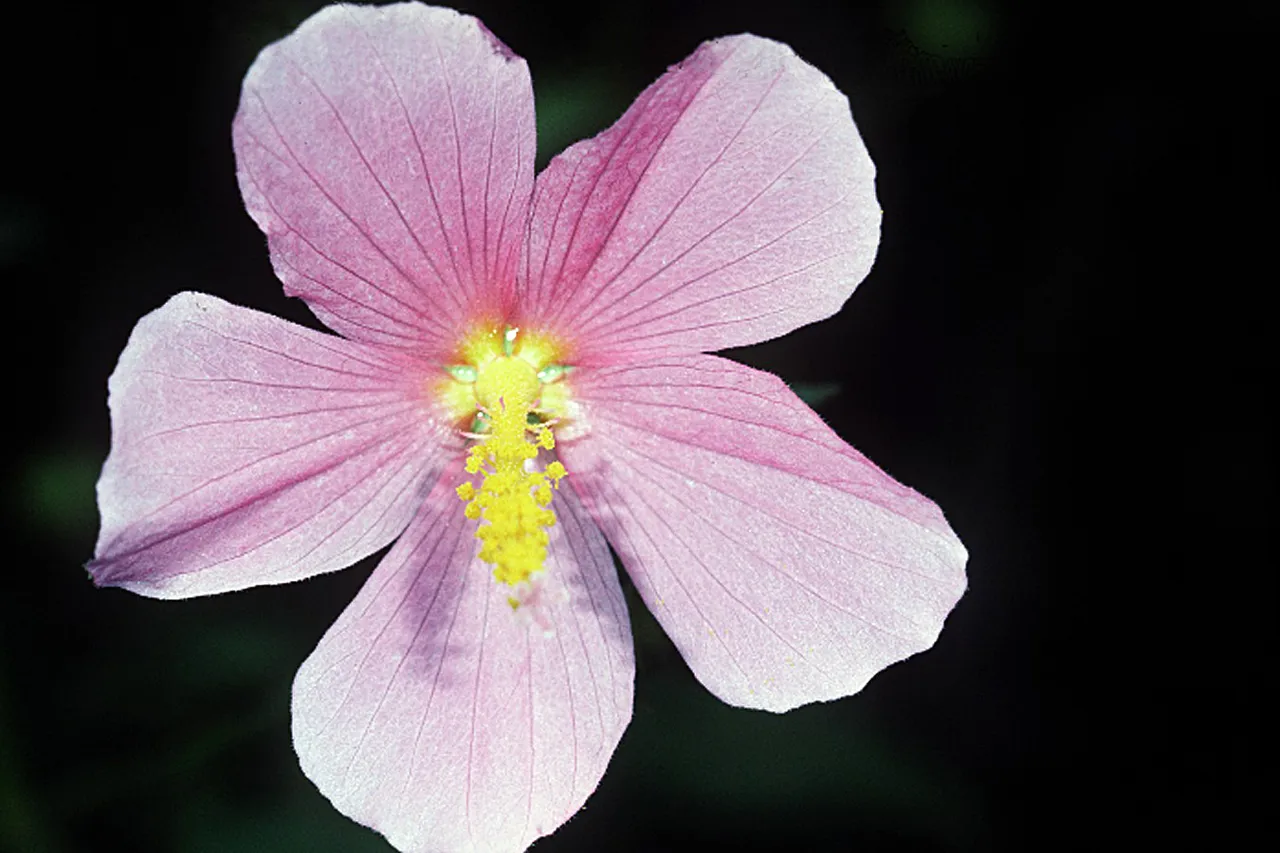 1 of 2
Native to the Southeast
Coastal areas from Maryland to Florida to Texas to Cuba
- Light Full sun Sun tolerance
- Moisture Moist Moisture preference
- Zones 6–10 Cold to heat range
- Bloom Jun–Oct Flowering time
- Height
- Life cycle Perennial Annual to perennial
In the garden
A wetland wildflower for full sun and evenly moist soil. Hardy in USDA zones 6–10.
Growing conditions
Light
Full sun Partial shade Full shade
Moisture
Dry Moist Wet
Hardiness zones
Find your zone:
Pollinators & wildlife
- Bees Common Eastern Bumble Bee
also Western Honey Bee, Eastern Carpenter Bee, Brown-belted Bumble Bee +13 more
American Bumble Bee, Two-spotted Longhorn Bee, Southern Carpenter Bee, Dilemma Orchid Bee, Nelumbo Masked Bee, Little Blue Carpenter Bee, Chalk Yellow-face Bee, Halictus sp., Cucumber Small Carpenter, Halictus smaragdulus, Ptilothrix bombiformis, Morning Glory Turret Bee, Xylocopa virginica virginica - Butterflies Eastern Tiger Swallowtail
also Silver-spotted Skipper, Gray Hairstreak, Zabulon Skipper +5 more
Clouded Skipper, Long-tailed Skipper, Three-spotted Skipper, Dukes' Skipper, Atrytone delaware - Moths Curve-lined Bird-dropping Moth also Hawaiian Beet Webworm Moth
- Also visited by
- Beetles: Spotted Cucumber Beetle, Goldenrod Soldier Beetle
- Wasps: Slosson's Mason Wasp
Butterflies that use this plant
Documented host and nectar records. Each links to a planting guide for that butterfly.
- Eastern tiger swallowtailnectar
- Gray hairstreaknectar
- Silver-spotted skippernectar
Full plant details
Where it grows
- Habitat
- WetlandThe wild plant community it grows in.
- Native range
- The SoutheastUnited States (11): AL, DE, FL, GA, LA, MD, MS, NC, SC, TX, VA. Where it grows wild on its own, by state and province.
- Native distribution
- Coastal areas from Maryland to Florida to Texas to CubaThe same native range, usually more exact than the state list, and often noting where it has spread beyond it.
Growing conditions
- Light
- Full sunHow much sun it takes, from full sun to full shade.
- Moisture
- MoistThe soil dampness it prefers, from dry to wet.
- Hardiness zones
- USDA 6–10The cold-to-heat climate range it survives.
- Soil
- Prefers sand, but will tolerate clay. Moderately salt tolerant, though does best with high acidityThe soils it grows in naturally.
- Soil texture
- Light to medium (sandy to loamy)The soil grade it prefers, from sand to clay.
- Soil pH
- Mildly acid to mildly alkalineThe acidity to alkalinity it tolerates (7 is neutral).
- Water use
- HighHow thirsty it is, a rough guide to how often to water.
- Drought tolerance
- LowRelative to plants of the same type and region, inferred from where it grows, not a days-without-water figure.
Growth & form
- Life cycle
- PerennialWhether it lives a single season (annual), two (biennial), or returns for years (perennial).
Flowers, foliage & fruit
- Type
- WildflowerWhat kind of plant it is.
- Bloom
- Jun–OctWhen it flowers.
- Flower color
- White, PinkThe bloom color, or colors.
- Toxicity
- None knownWhether any part is poisonous to people or pets.