541 native plants · United States and Canada
Native plants, shown in full botanical color
A field guide to the wildflowers, ferns, shrubs, and other native plants of your region, each paired with historical botanical art or a photograph and matched to your hardiness zone, light, and soil.
Genuinely native
Every plant is documented as native to the US or Canada using open data from USDA PLANTS, GBIF, and the World Checklist of Vascular Plants.
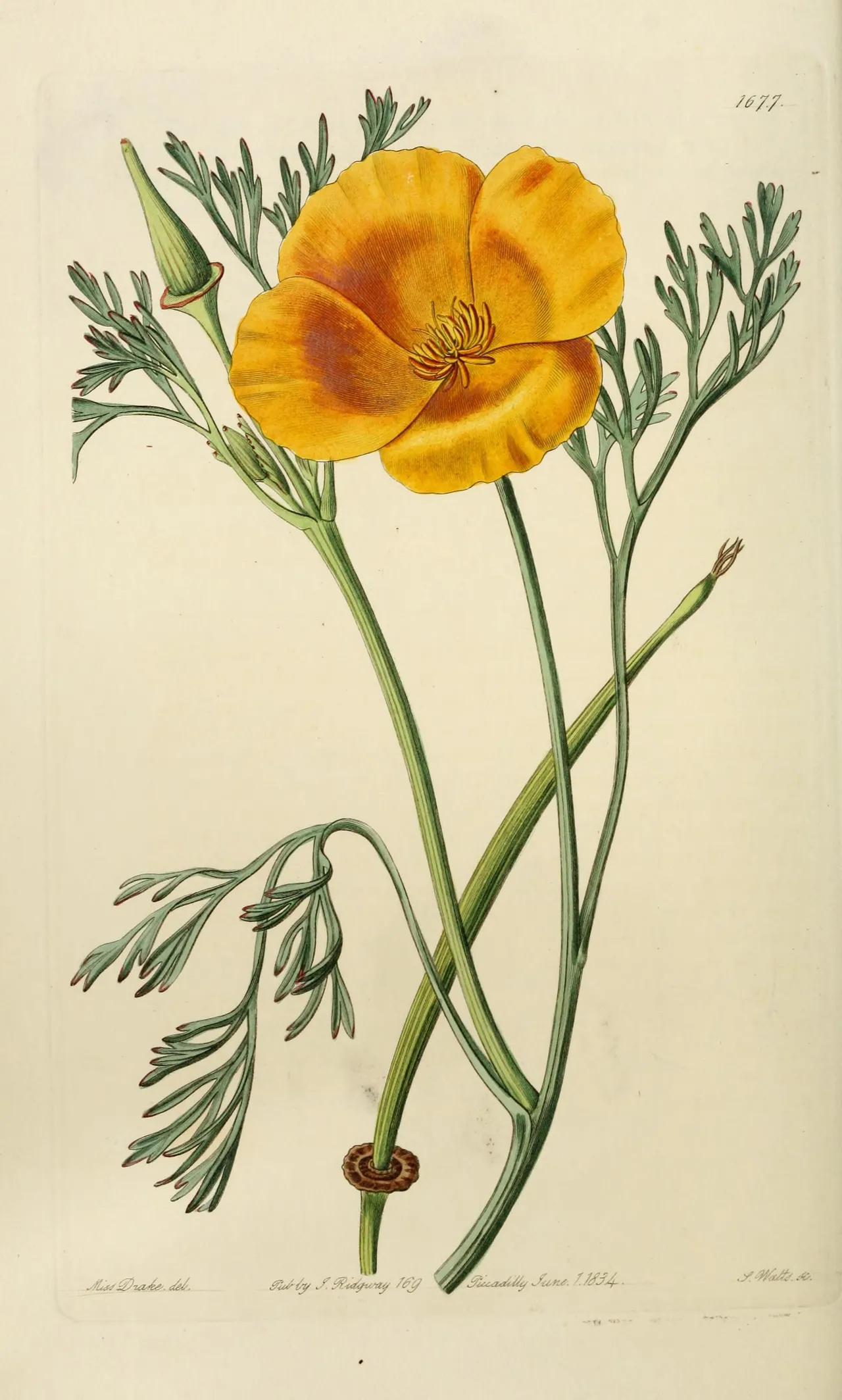
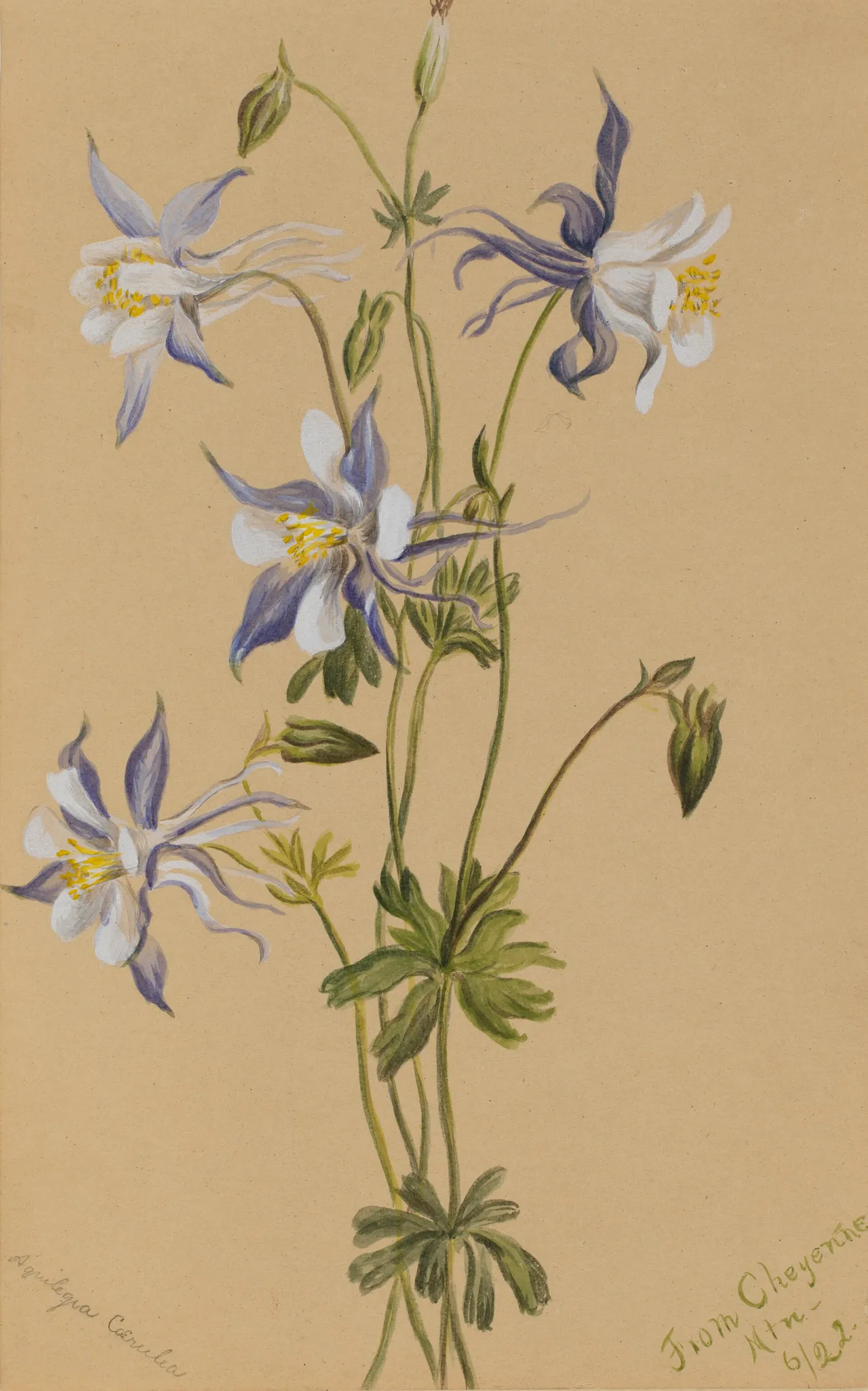
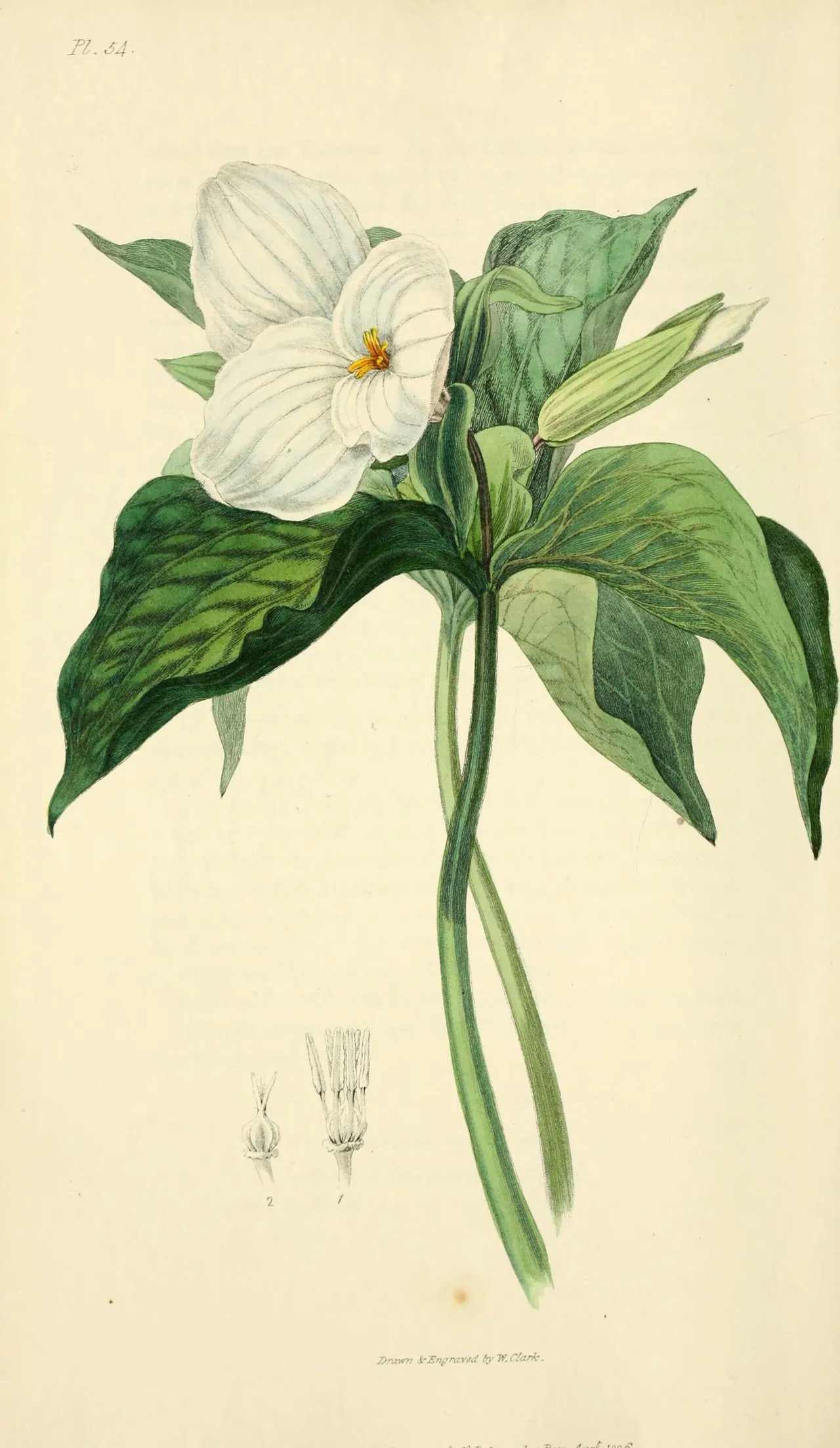
Botanical art and photography
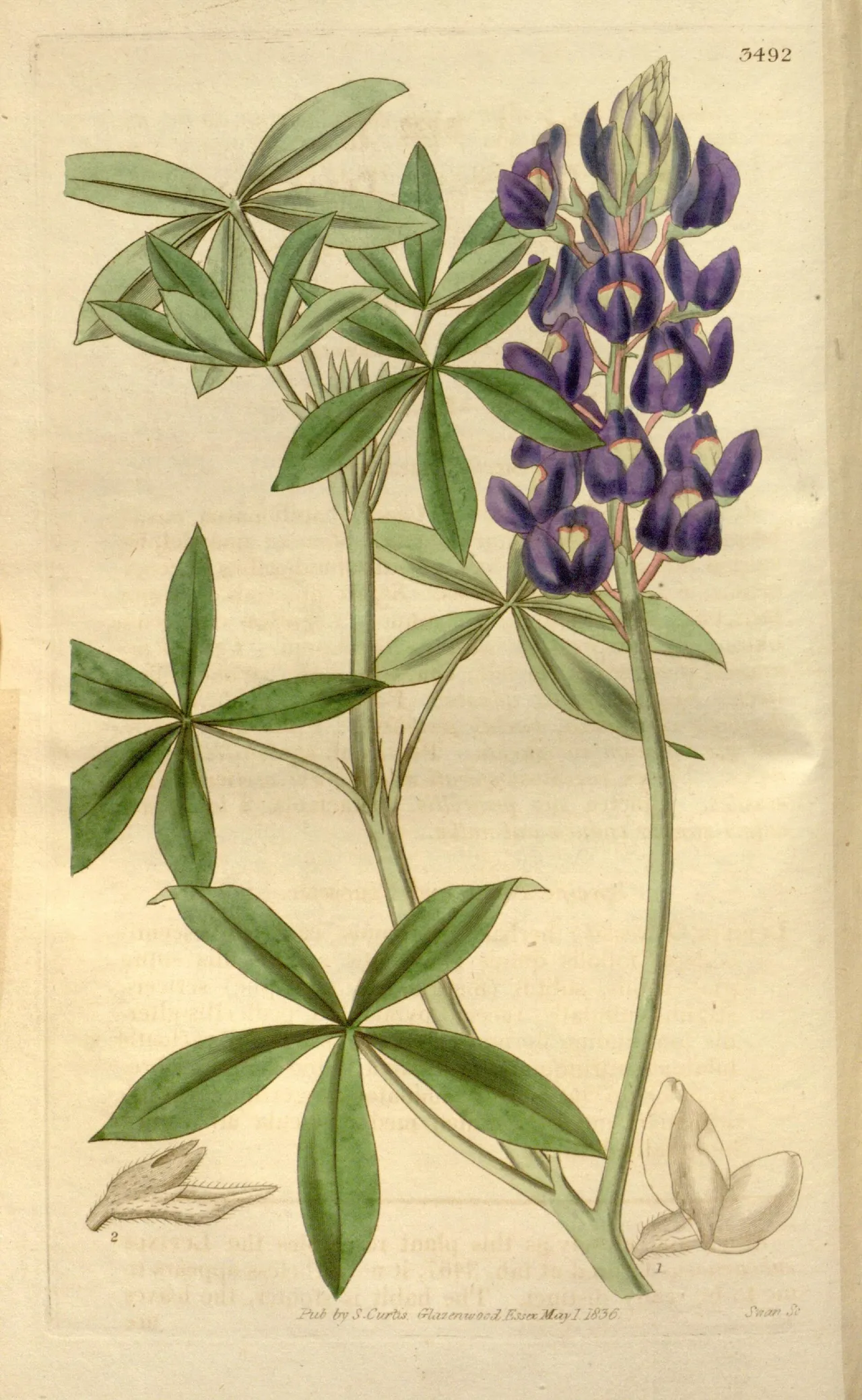
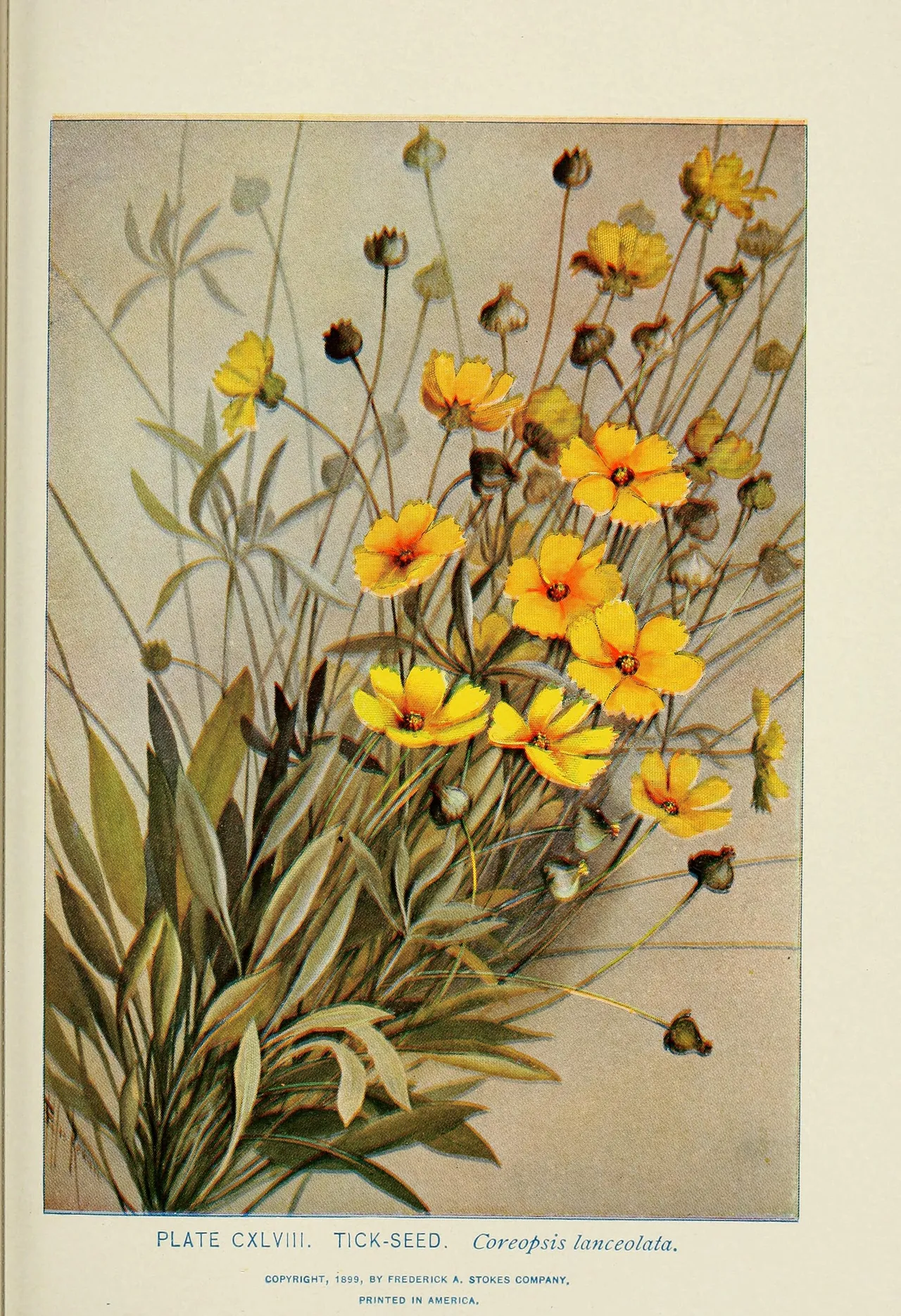
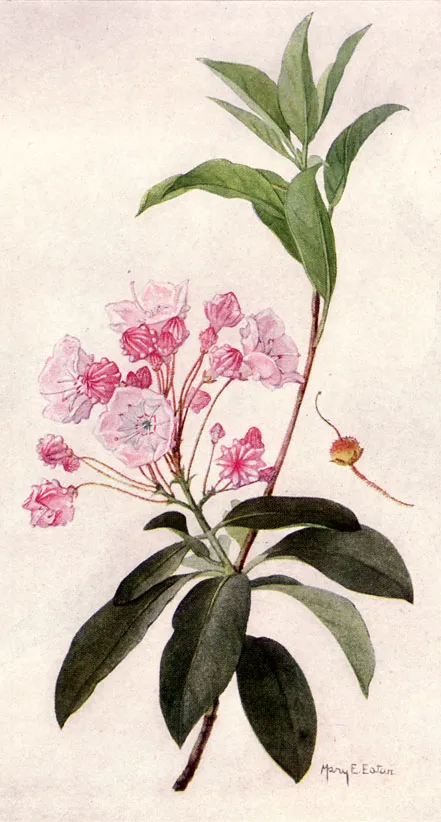
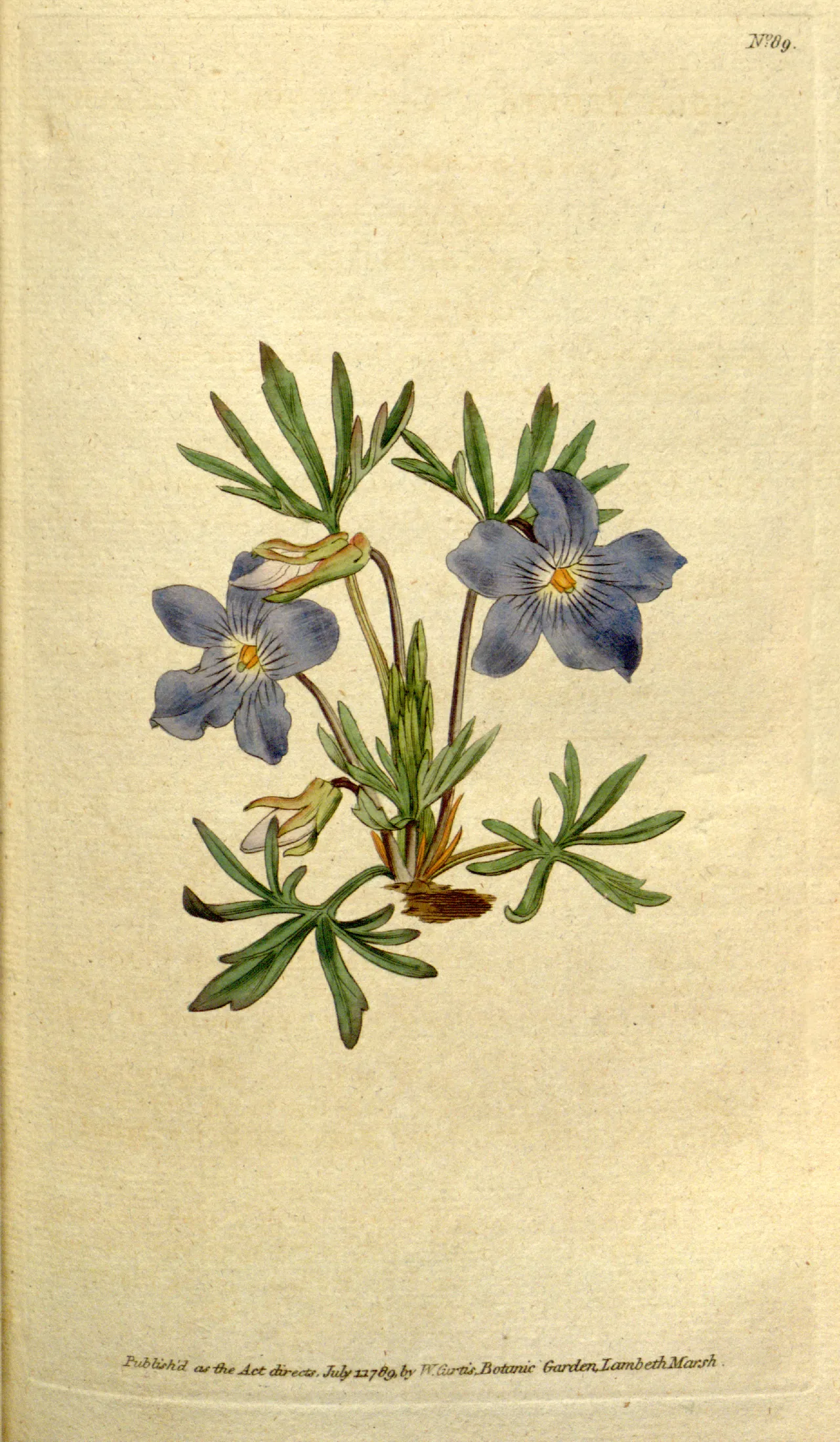
Public-domain plates from historic floras alongside openly licensed photographs, each credited to its artist or source.
Matched to your garden
Hardiness zone, sunlight, soil moisture, bloom season, and documented pollinator value on every single plant.
Find your plants
Browse every plant
Search all 541 native plants by name, region, hardiness zone, bloom month, light, and flower color.
Open the search →By region
50 states and 13 provinces, each with the species native there and its official flower.
Choose your region →For pollinators
487 plants with documented bee, butterfly, and hummingbird visitors, ranked by how many they support.
See pollinator plants →For shade and sun
Match plants to the light a spot actually gets, from full sun to deep woodland shade.
Filter by light →Popular native plants
Browse all 541 plants → 1 of 2
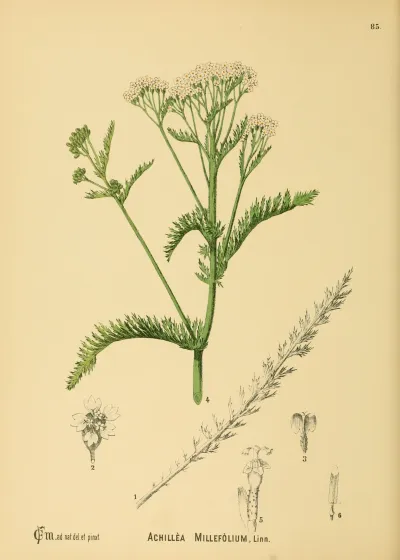 1 of 2
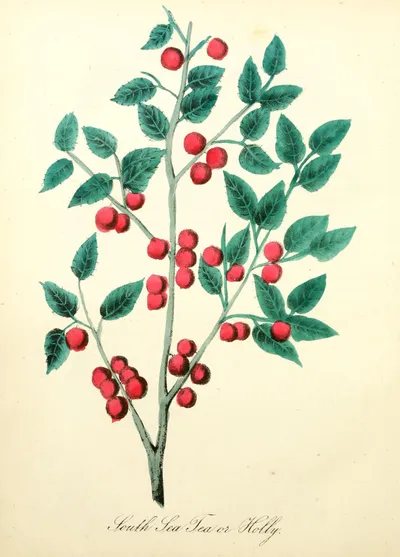 1 of 2
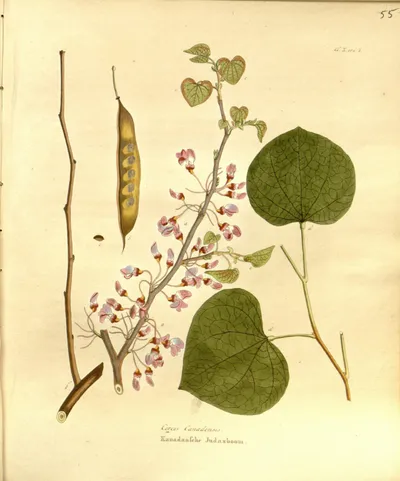 1 of 3
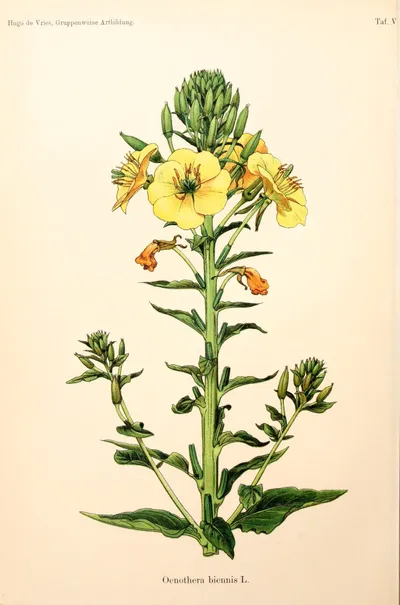 1 of 3
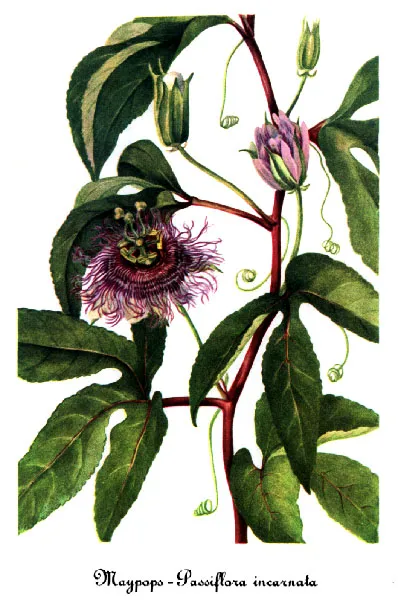 1 of 2
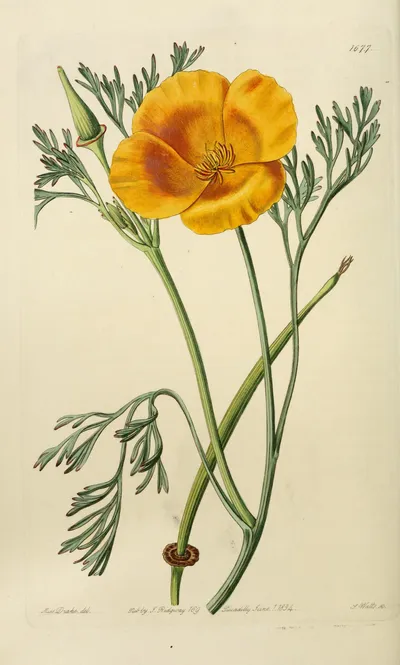 1 of 2
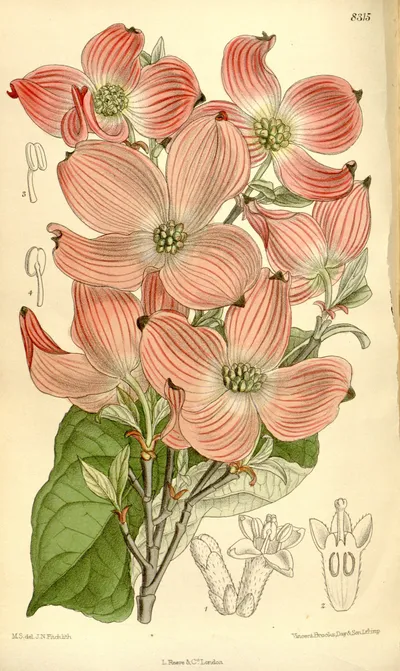 1 of 3
State and provincial flowers
All regions →Every US state and Canadian province has an official flower. Here are a few, each on its regional guide.
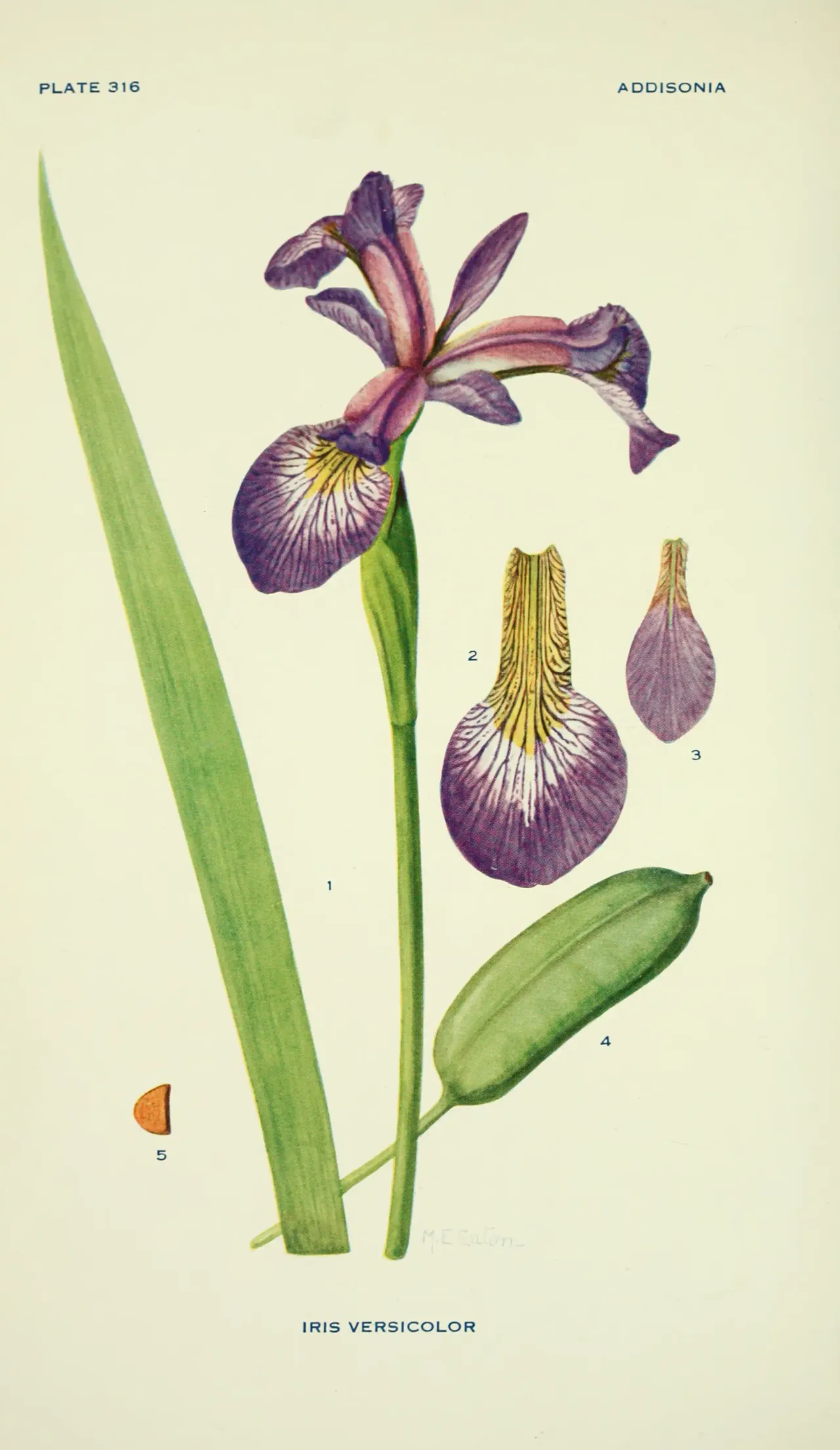
Frequently asked
- What makes a plant native?
- A native plant is one that occurred in a region before European settlement and evolved with its local insects, birds, and soils. Every plant here is documented as native to the US or Canada using open data from USDA PLANTS, GBIF, and the World Checklist of Vascular Plants.
- Why plant natives?
- Natives are adapted to the local climate and soil, so once established they need little water and no fertilizer, while providing the nectar, pollen, seeds, and host foliage that non-native ornamentals cannot.
- How do I find plants for my area?
- Start from your state or province page for the species native there, or search and filter by hardiness zone, bloom month, light, and soil moisture. Each plant page also has a zone finder that checks your ZIP or postal code.
- Are the botanical images free to use?
- Most are public-domain plates from historic floras. Where a photograph is used it is under an open license (CC0 or CC BY), and every image credits its artist or source.
- Do you cover Canada?
- Yes. Coverage spans the Lower 48 US states and the Canadian provinces and territories, with both USDA and Canadian (Natural Resources Canada) hardiness zones.