Pollinator
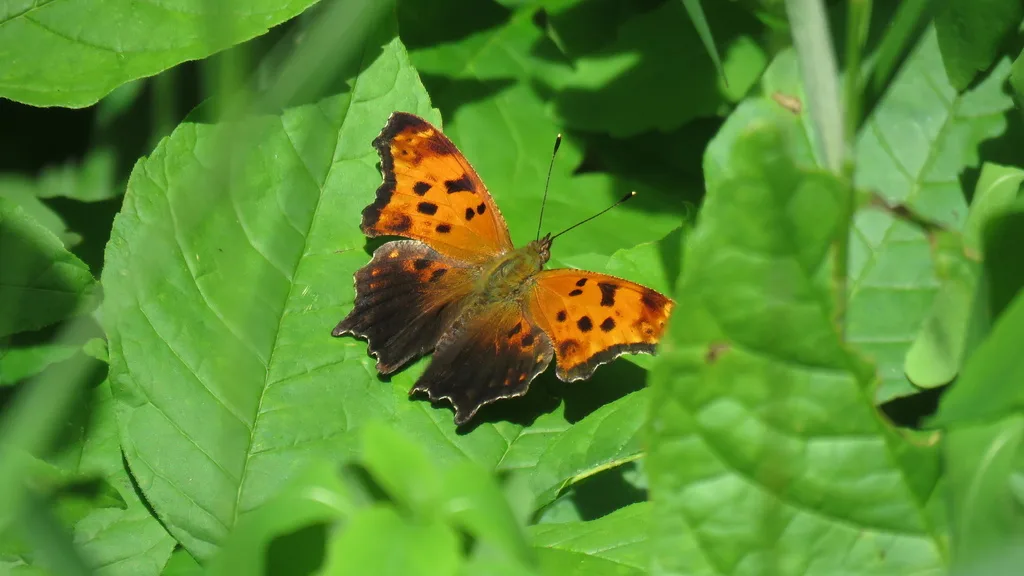
Eastern comma
Polygonia comma
A ragged-winged anglewing marked with a silver comma, a leaf come to life.
- Family
- Nymphalidae (anglewings)
- Wingspan
- 1.75 to 2.5 in (4.5 to 6.3 cm)
- Flight season
- Spring to fall; overwinters as an adult
- Range
- Eastern North America
- Caterpillar food
- Nettles, elm, hops
- Conservation
- Secure and widespread
Another anglewing, the eastern comma is named for the silver comma-shaped mark on its ragged hindwing underside, which mimics a dead leaf. Above it is orange with black spots.
A butterfly of moist woods and edges, it favors sap and fruit over flowers and overwinters as an adult, appearing early in spring.
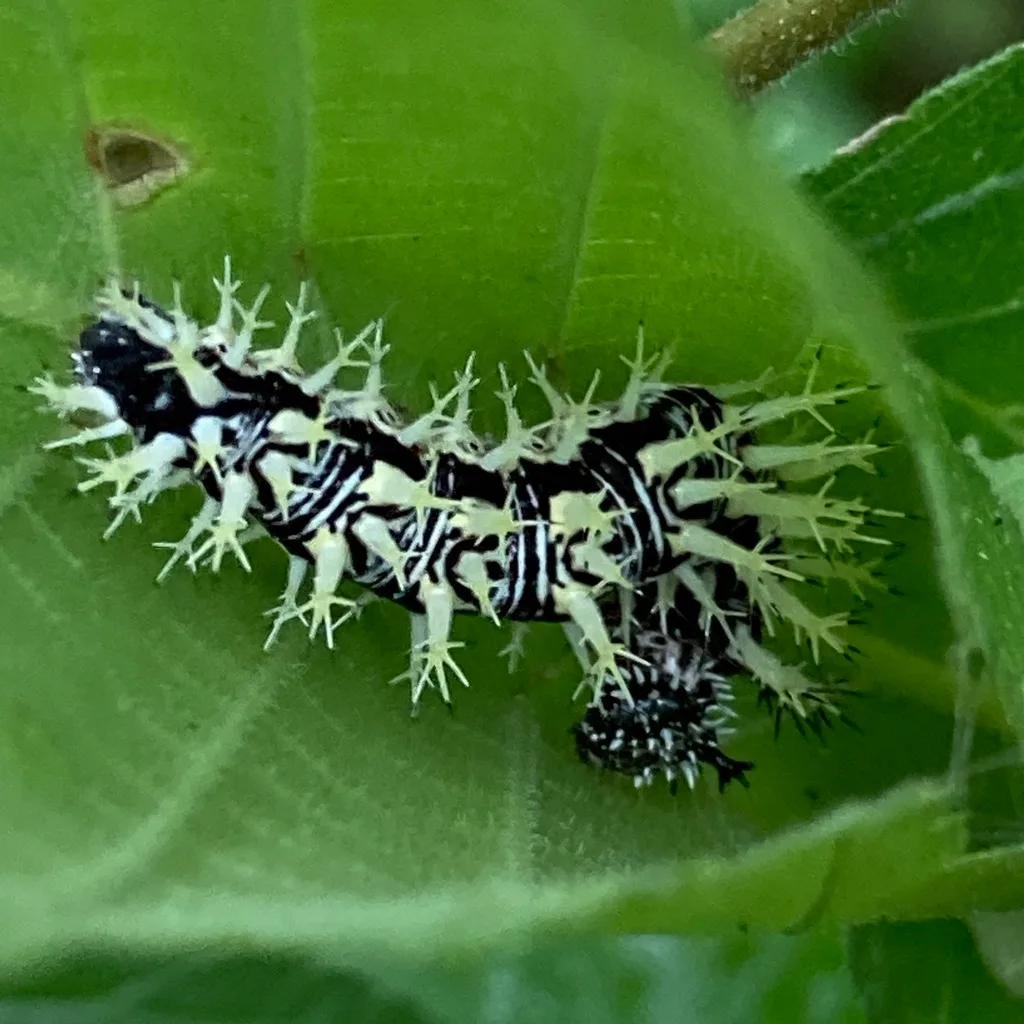
Caterpillars feed on nettles, elm, and hops, often at night.
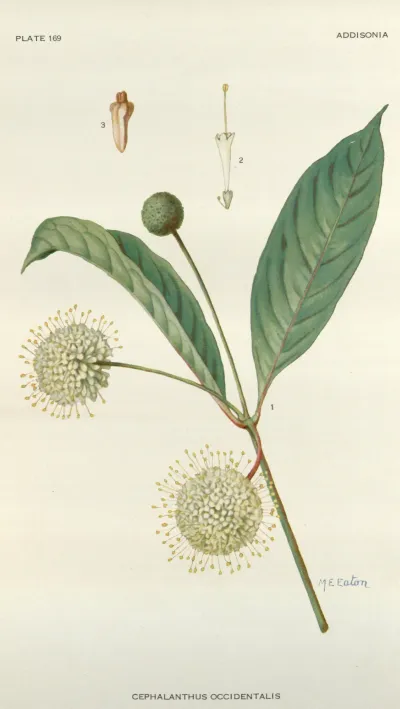
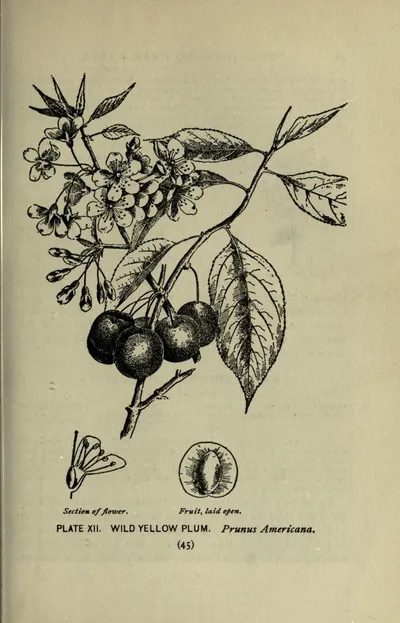
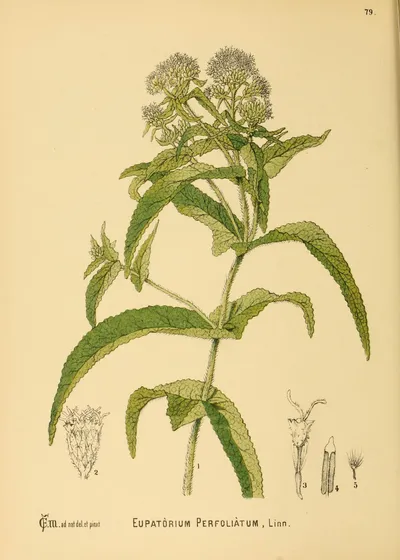
Plants for the eastern comma
14 native plants with documented flower-visit records. Narrow with the filters below.
14 plants
 1 of 2
 1 of 3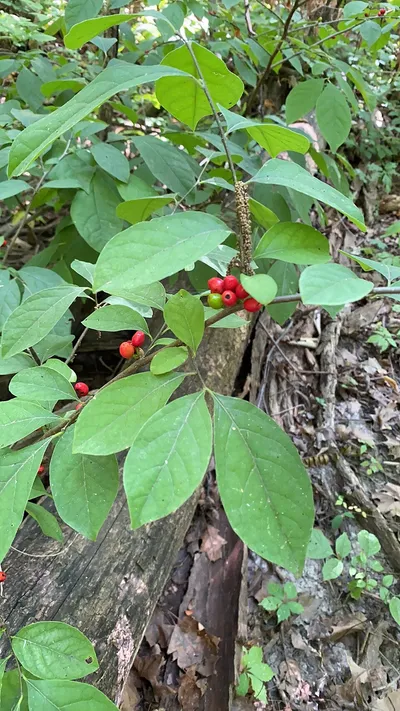
 1 of 2
 1 of 2
 1 of 2
 1 of 2
 1 of 2
 1 of 2
 1 of 2
 1 of 2
 1 of 2
No plants match those filters.
Sources
- Butterflies and Moths of North America ↗
- iNaturalist ↗
- Plant associations from GloBI flower-visit records and NPIN larval-host data. Butterfly photographs via iNaturalist (CC BY).