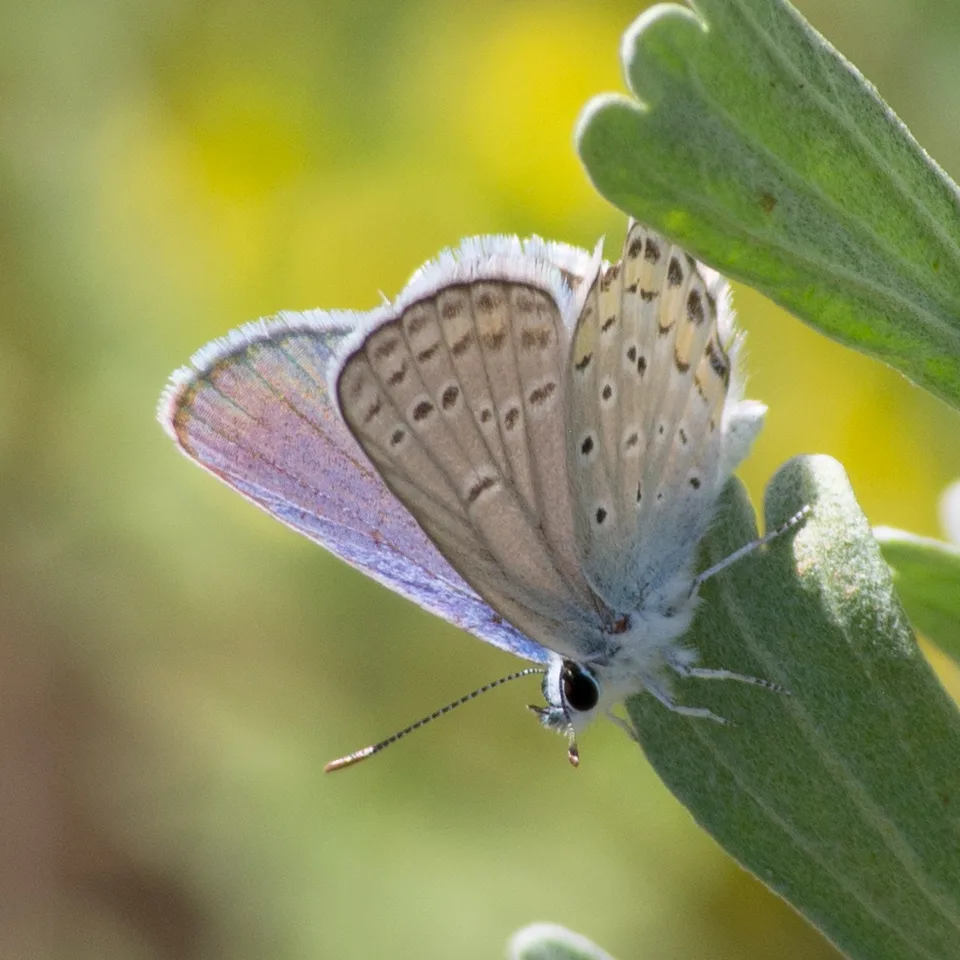
Pollinator
Melissa blue
Plebejus melissa
A bright western blue with an orange-spotted border below.
- Family
- Lycaenidae (gossamer-wings)
- Wingspan
- 0.9 to 1.4 in (2.3 to 3.5 cm)
- Flight season
- Spring to fall
- Range
- Western and central North America
- Caterpillar food
- Legumes (lupines, milk-vetches)
- Conservation
- Secure (the Karner subspecies is endangered)
The Melissa blue is a small, vivid blue butterfly, its underside pale with a band of orange spots along the margin, common across the West and plains.
It flies in several broods in open country, from sagebrush to prairie and roadside.
Caterpillars feed on legumes such as lupines, milk-vetches, and licorice. Its eastern subspecies, the Karner blue, is endangered and depends entirely on wild lupine.
Plants for the melissa blue
10 caterpillar host plants and 16 documented nectar plants. Pick a role, then narrow with the filters below.
25 plants
Nectar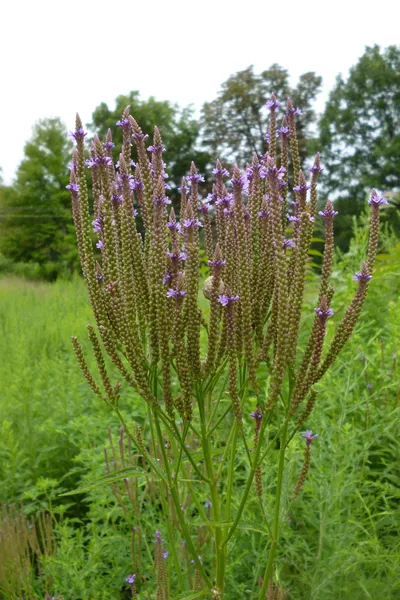 1 of 2 Blue vervain Verbena hastata Host
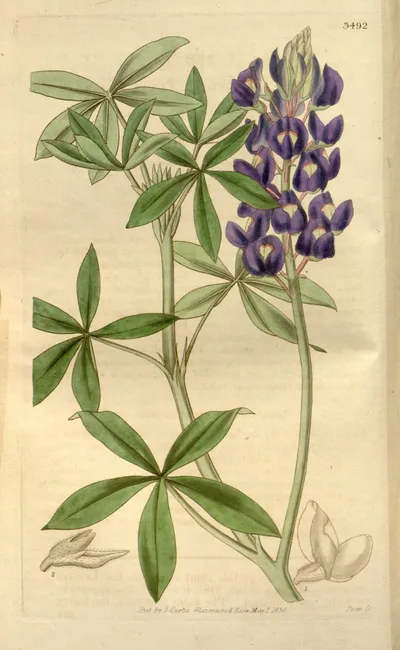 1 of 3 Texas bluebonnet Lupinus texensis Nectar
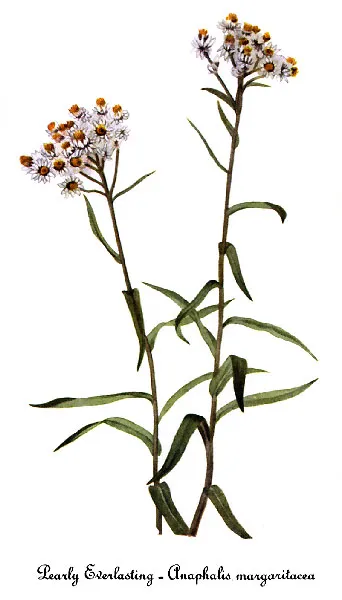 1 of 3 Pearly everlasting Anaphalis margaritacea Nectar
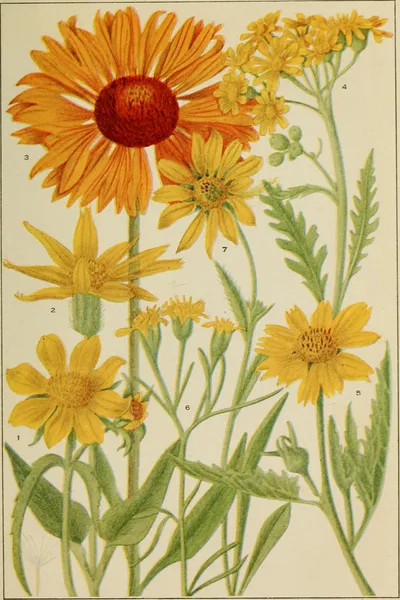 1 of 3 Great blanketflower Gaillardia aristata Host
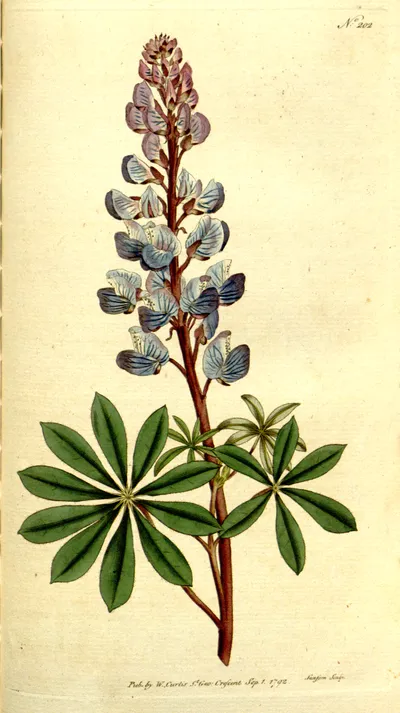 1 of 2 Sundial Lupine Lupinus perennis Nectar
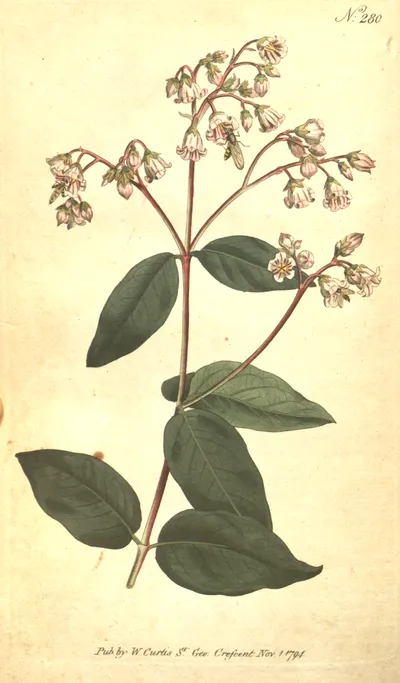 1 of 2 Spreading dogbane Apocynum androsaemifolium Nectar
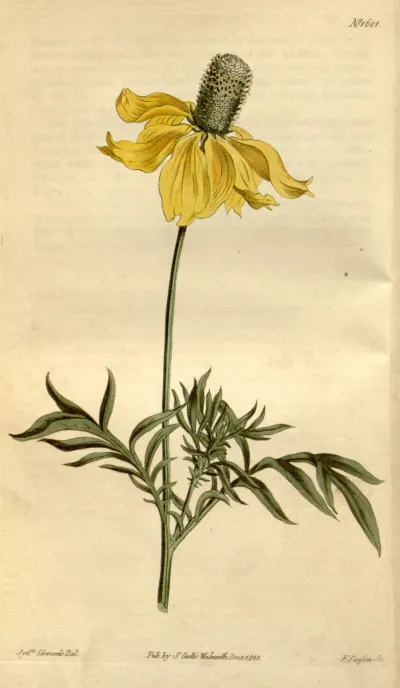 1 of 3 Upright prairie coneflower Ratibida columnifera Nectar
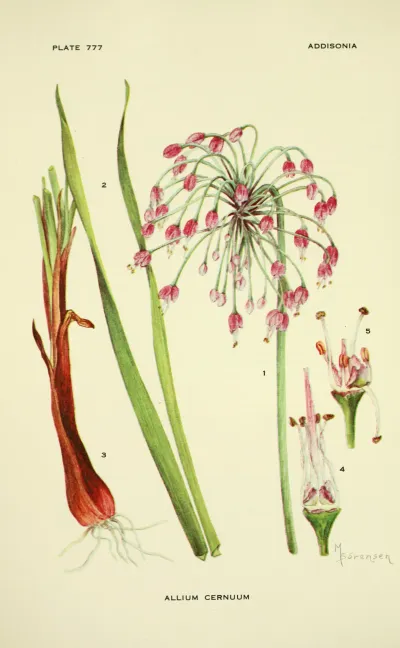 1 of 4 Nodding onion Allium cernuum Host
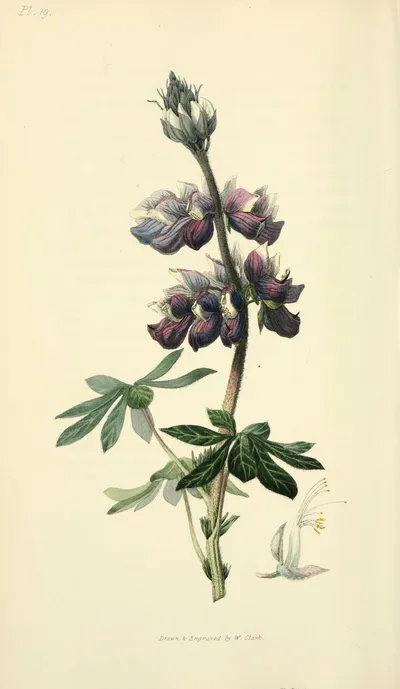 1 of 2 Nootka Lupine Lupinus nootkatensis Nectar
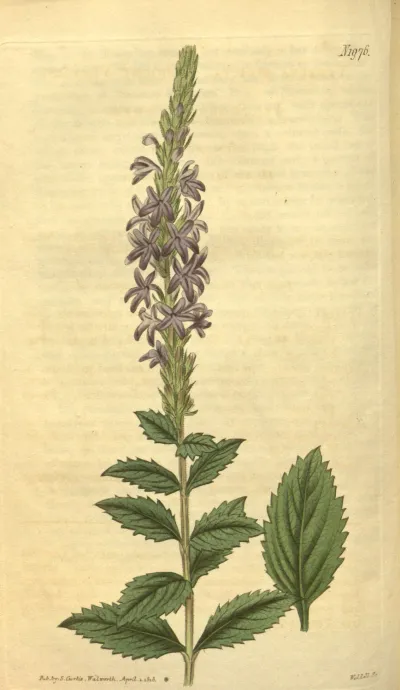 1 of 2 Hoary vervain Verbena stricta Host
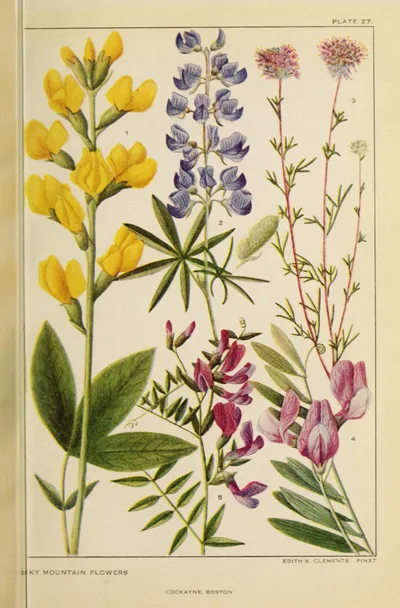 1 of 2 Silvery lupine Lupinus argenteus Host + Nectar
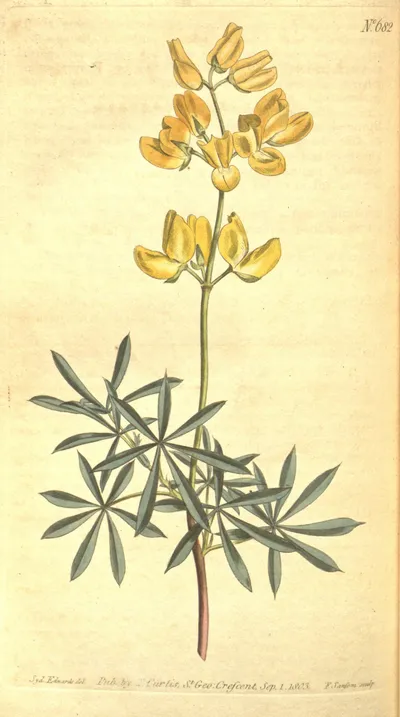 1 of 2 Coastal bush lupine Lupinus arboreus Host
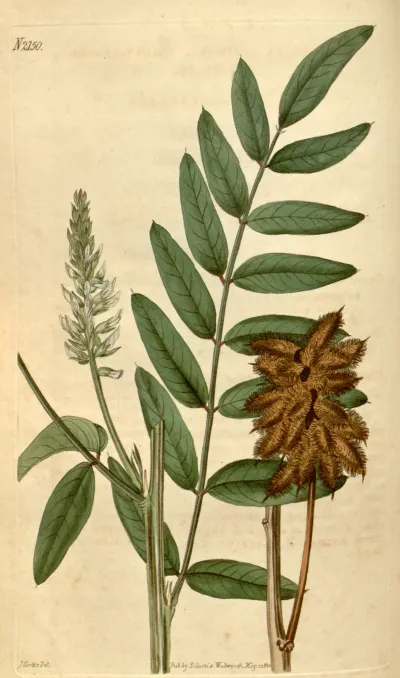 1 of 3 Wild Licorice Glycyrrhiza lepidota Nectar
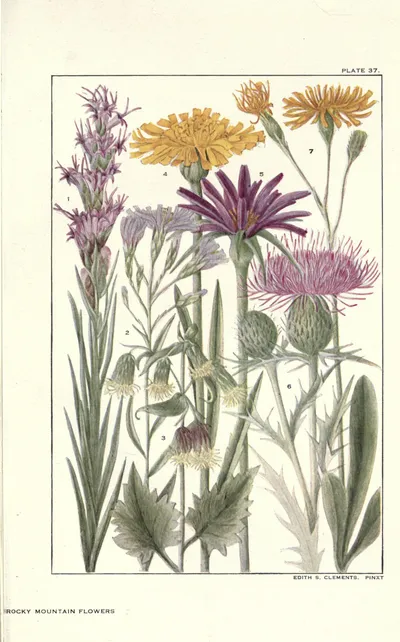 1 of 2 Dotted gayfeather Liatris punctata Nectar
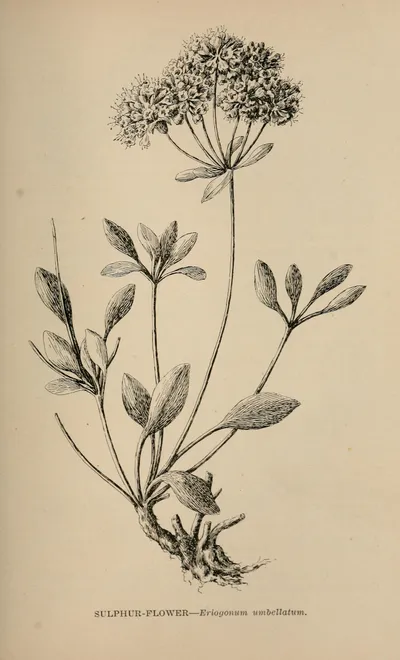 1 of 2 Sulfur buckwheat Eriogonum umbellatum Nectar
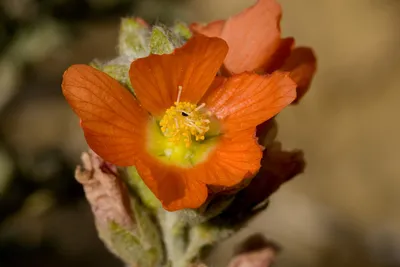 1 of 2 Scarlet Globemallow Sphaeralcea coccinea Nectar
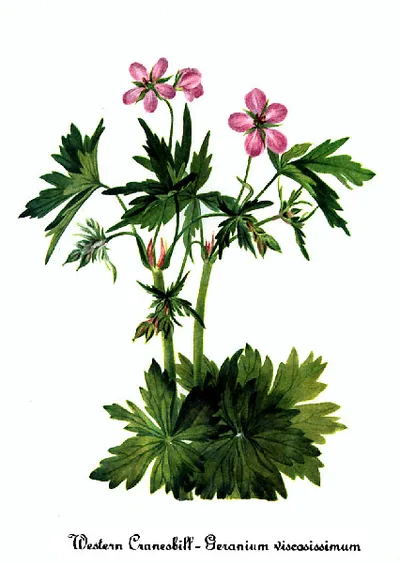 1 of 3 Sticky geranium Geranium viscosissimum Host
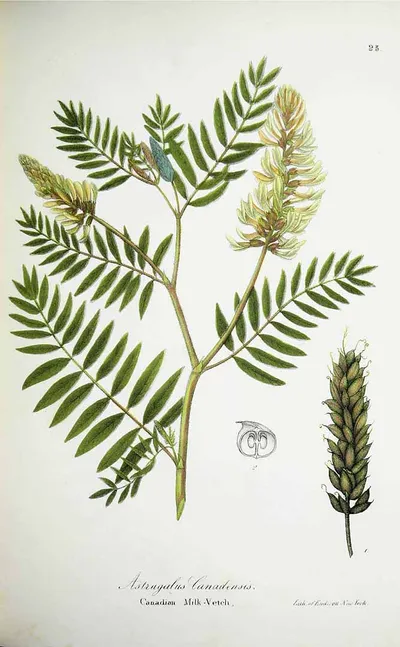 1 of 3 Canadian milkvetch Astragalus canadensis Host
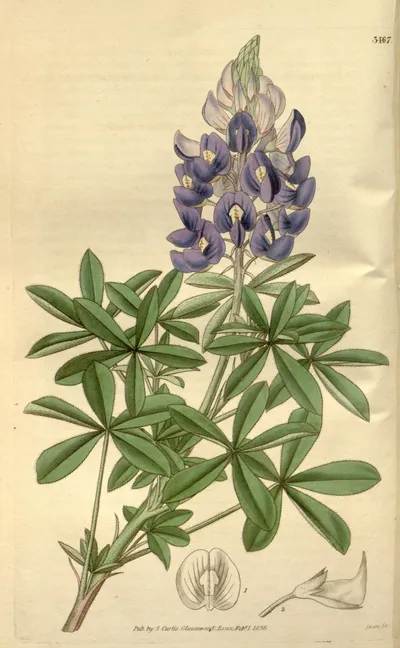 1 of 2 Sandyland Bluebonnet Lupinus subcarnosus Host
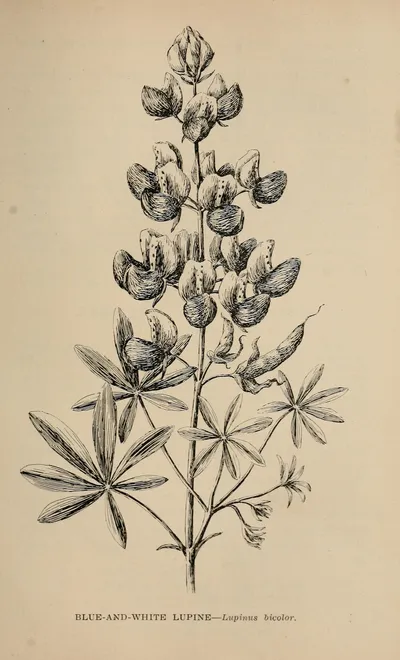 1 of 2 Miniature Lupine Lupinus bicolor Host
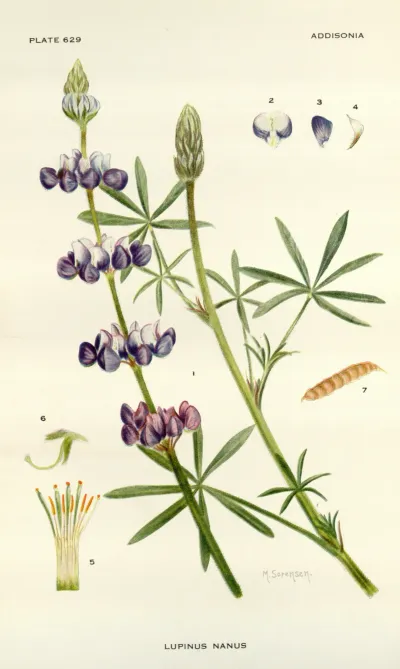 1 of 3 Sky Lupine Lupinus nanus Nectar
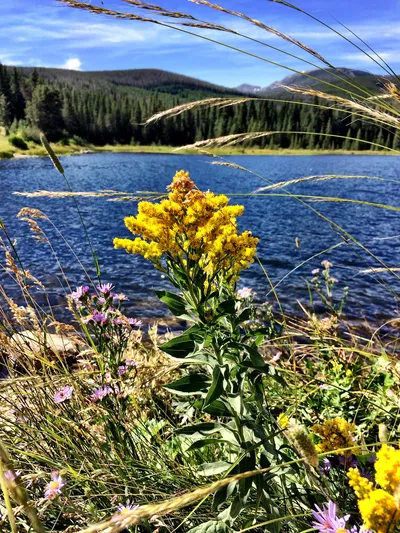 Missouri goldenrod Solidago missouriensis Nectar
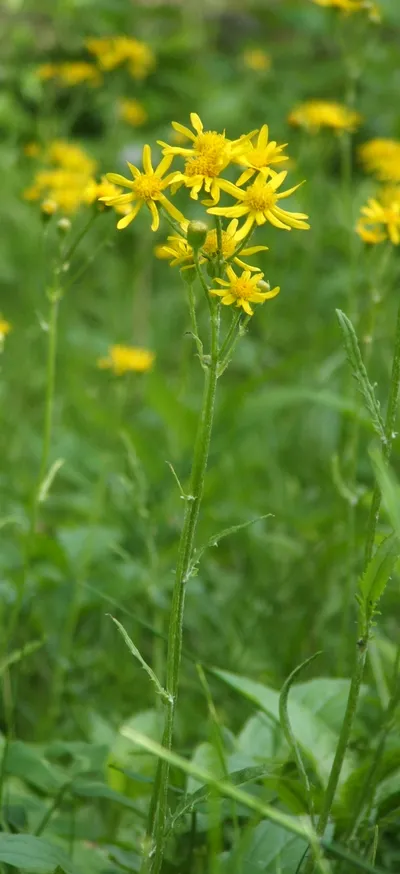 Prairie Groundsel Packera plattensis Nectar
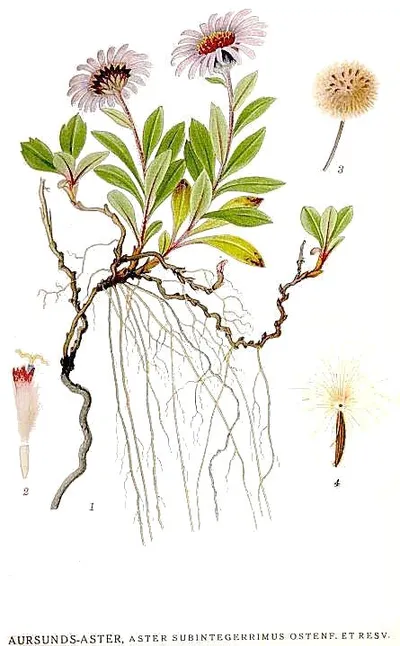 1 of 2 Siberian Aster Eurybia sibirica Nectar
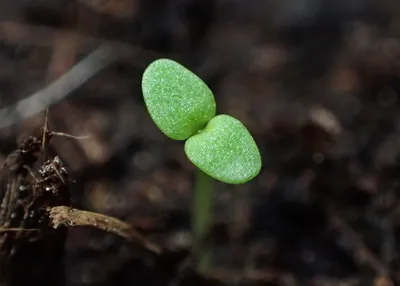 Fireweed Chamerion angustifolium
1 of 21 of 31 of 31 of 31 of 21 of 21 of 31 of 41 of 21 of 21 of 21 of 21 of 31 of 21 of 21 of 21 of 31 of 31 of 21 of 21 of 31 of 2No plants match those filters.
Sources
- Butterflies and Moths of North America ↗
- iNaturalist ↗
- Plant associations from GloBI flower-visit records and NPIN larval-host data. Butterfly photographs via iNaturalist (CC BY).