Pollinator
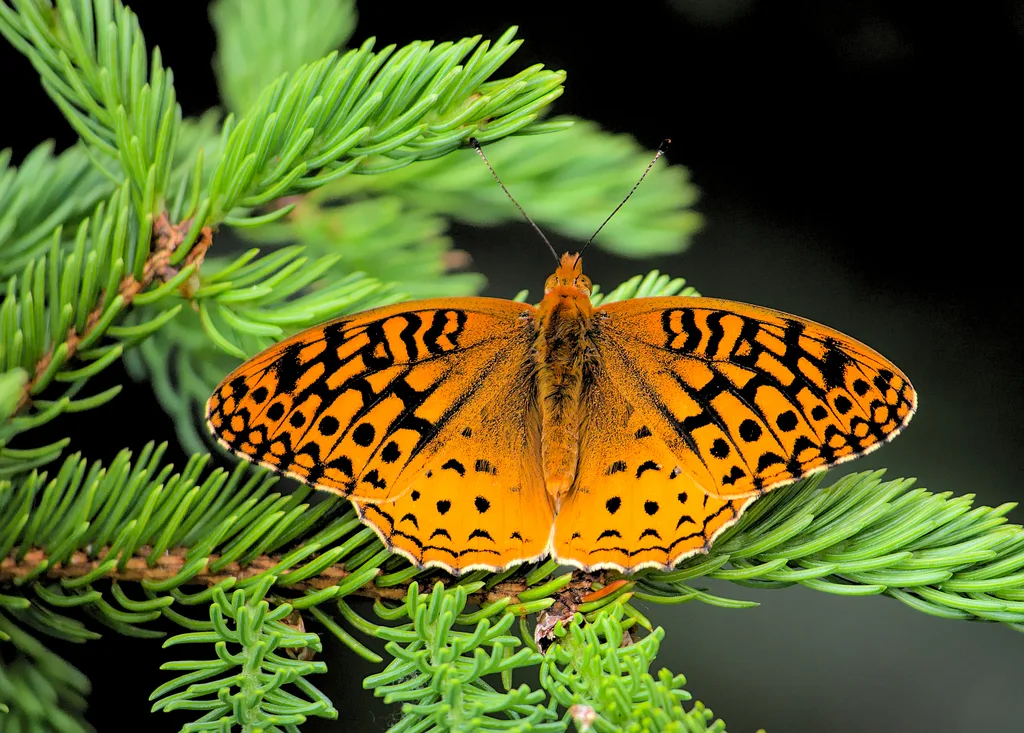
Great spangled fritillary
Argynnis cybele
A large, silver-spangled orange butterfly of summer meadows, tied to violets.
- Family
- Nymphalidae (brush-footed)
- Wingspan
- 2.5 to 4 in (6.3 to 10 cm)
- Flight season
- Summer (one long brood)
- Range
- Eastern and central North America
- Caterpillar food
- Violets (Viola)
- Conservation
- Secure and widespread
A large, showy orange butterfly of summer meadows, the great spangled fritillary is spangled beneath with bright silver spots on a rich brown ground. It is among the most conspicuous of the greater fritillaries.
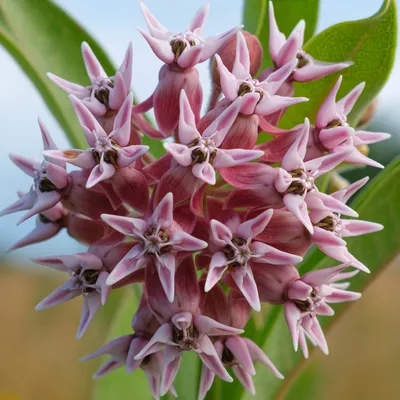
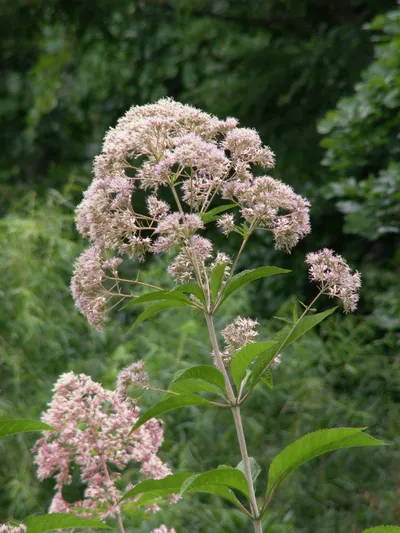
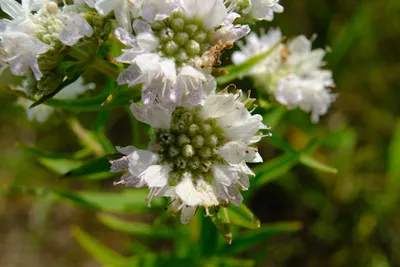
Adults fly in mid to late summer, nectaring avidly on milkweeds, coneflowers, thistles, and bergamot in sunny fields and forest openings. There is a single, long-lived brood each year.
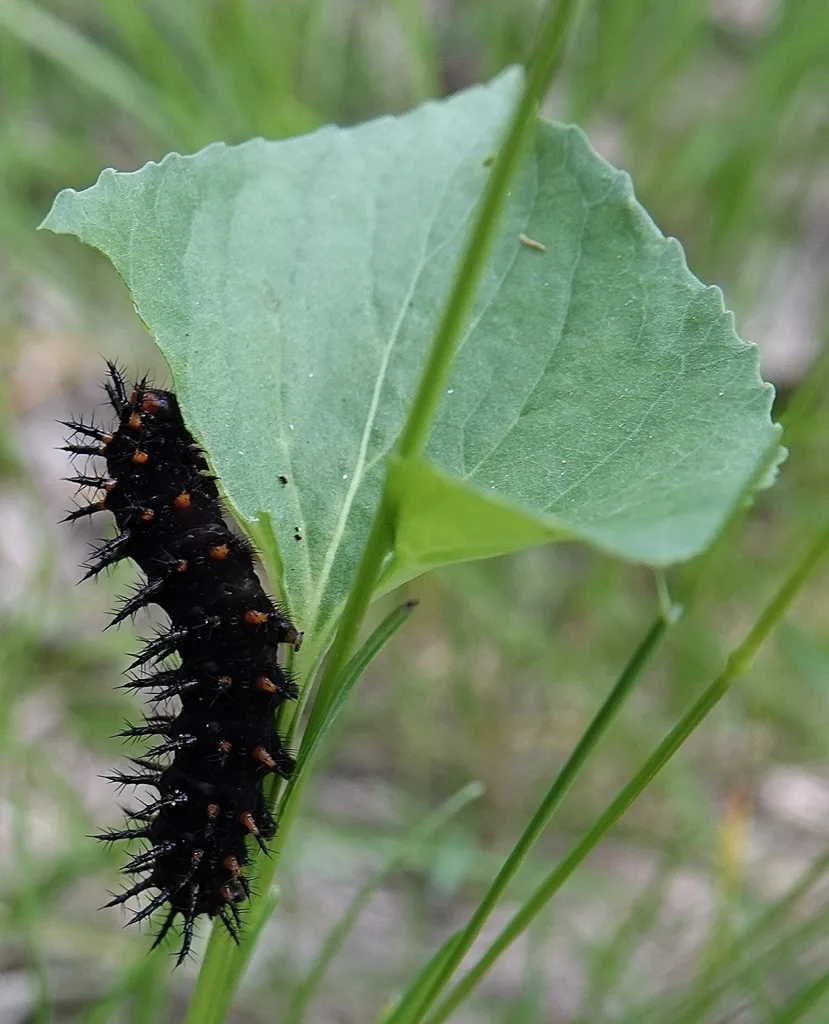
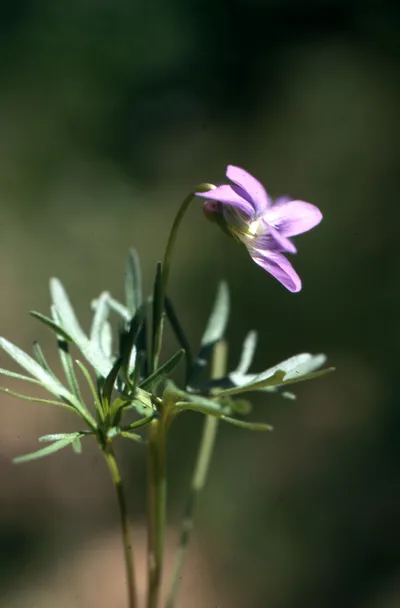
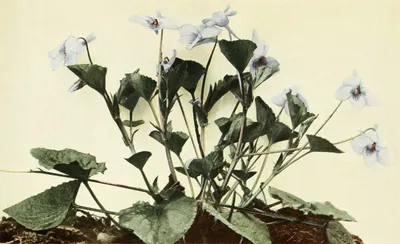
Caterpillars feed at night on violets, the only host. Newly hatched larvae overwinter without feeding and resume on violet leaves in spring, so a patch of native violets is the key to hosting them.
Plants for the great spangled fritillary
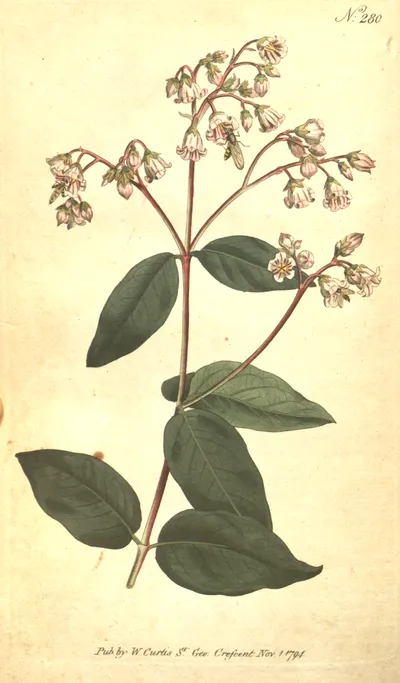
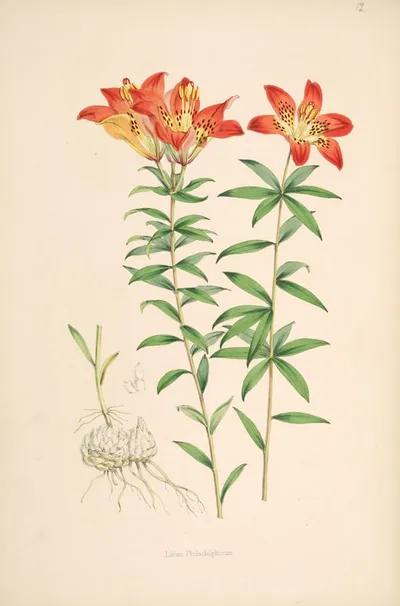
4 caterpillar host plants and 41 documented nectar plants. Pick a role, then narrow with the filters below.
45 plants
 1 of 2
 1 of 3
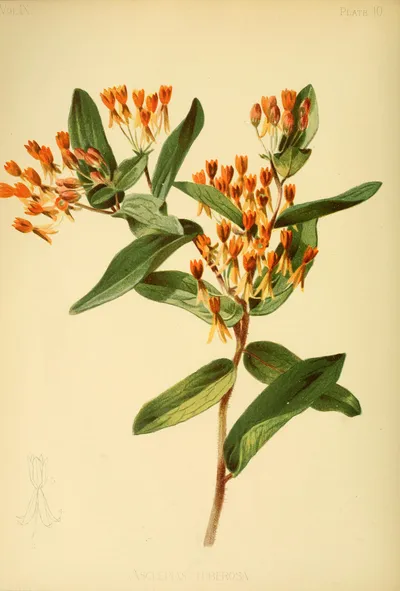 1 of 2
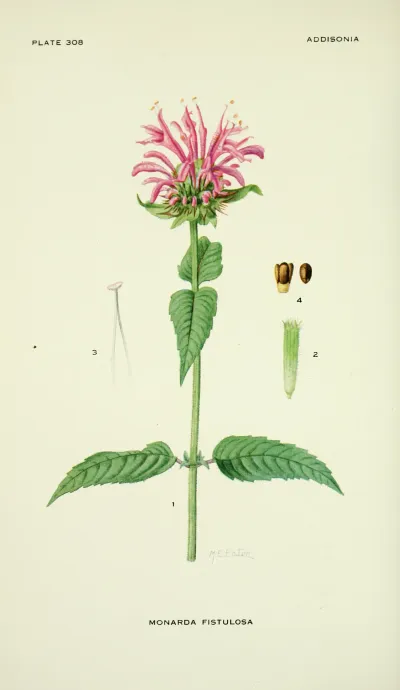 1 of 3
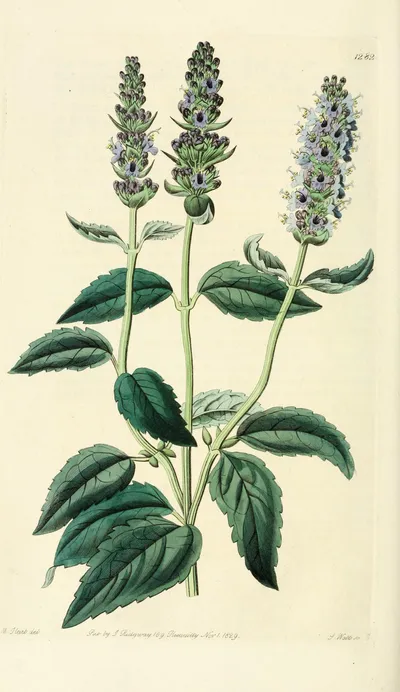 1 of 3
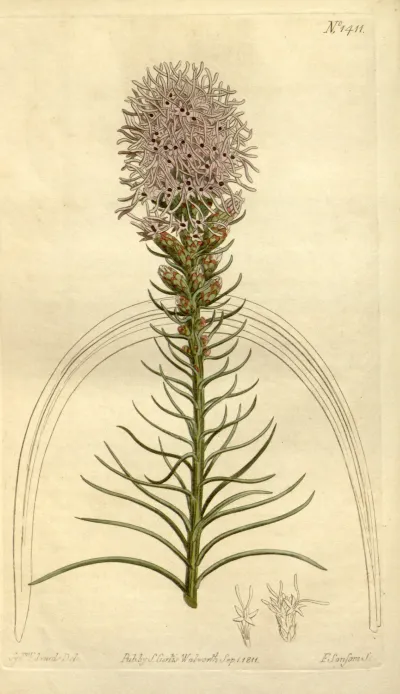 1 of 2
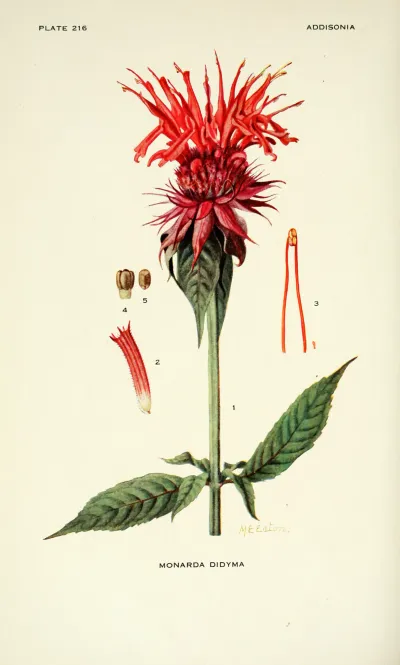 1 of 2
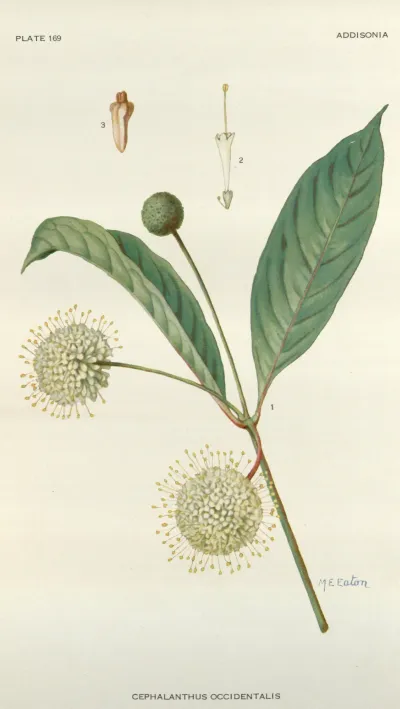 1 of 2
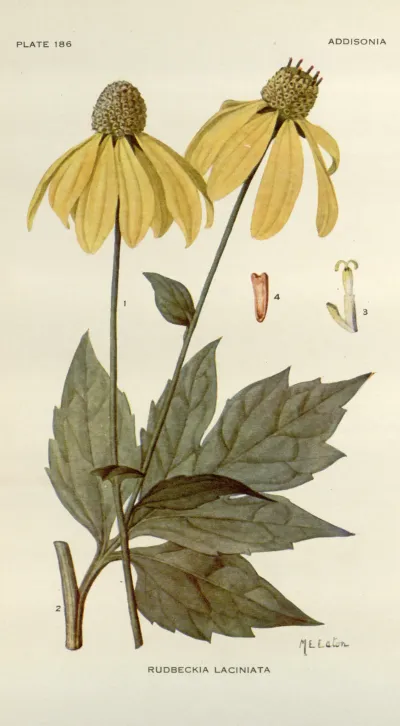 1 of 3
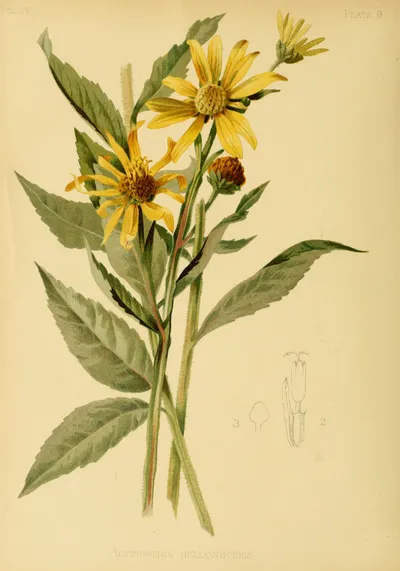 1 of 3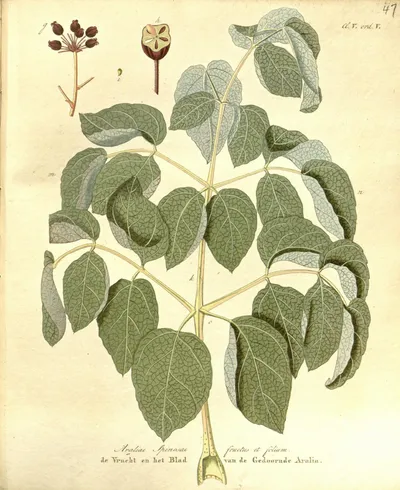
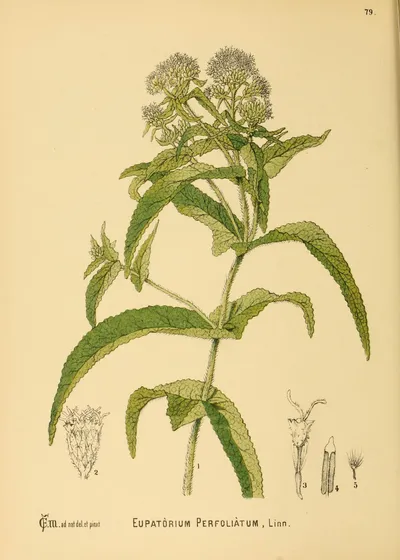 1 of 2
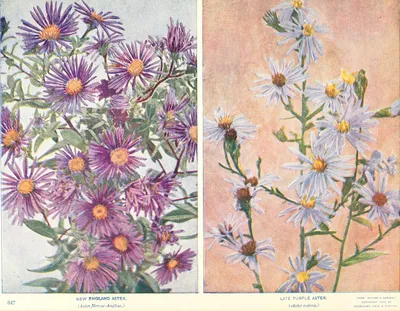 1 of 2
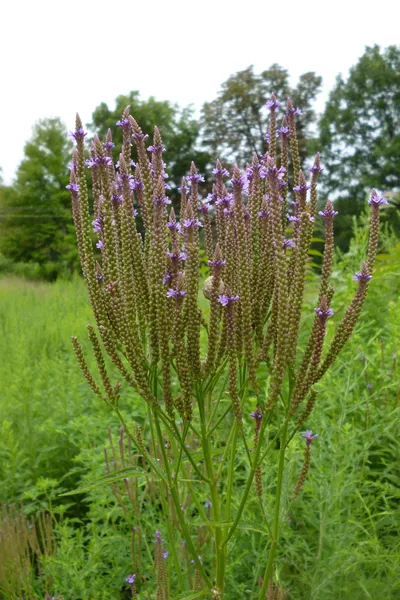 1 of 2
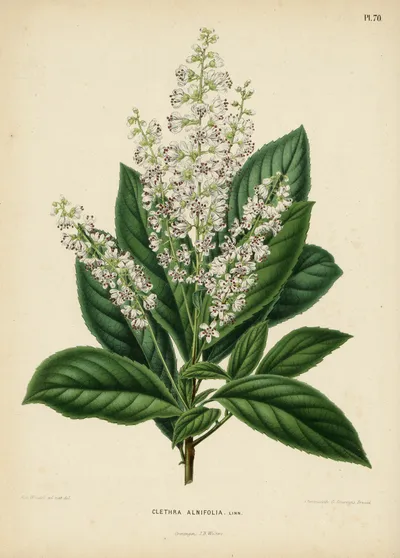 1 of 2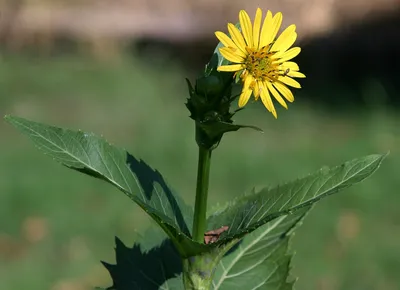
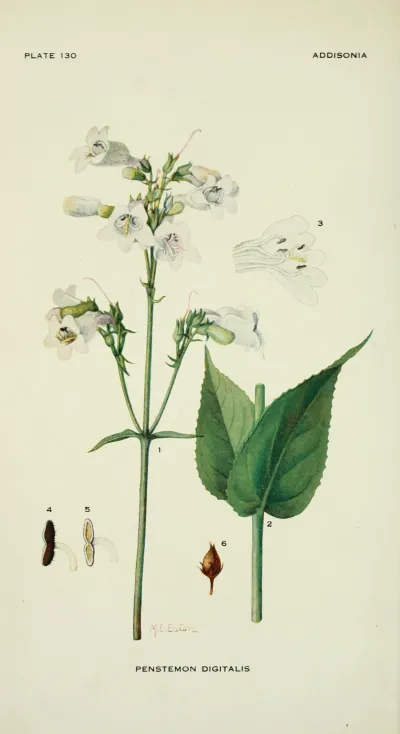 1 of 2
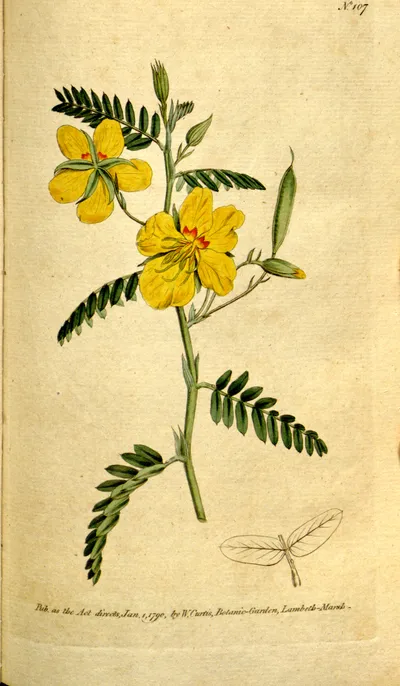 1 of 2
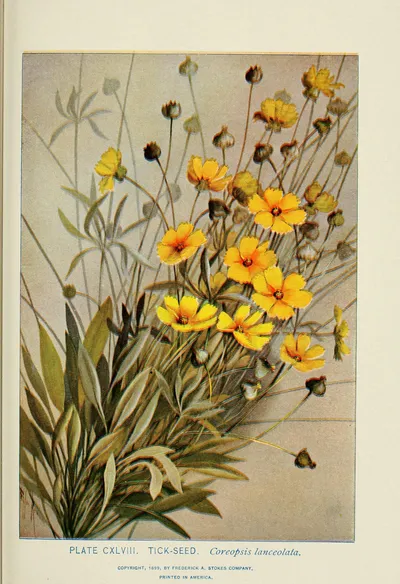 1 of 3
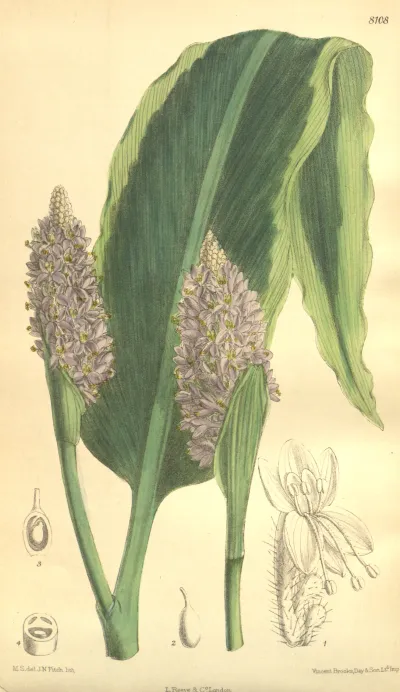 1 of 2
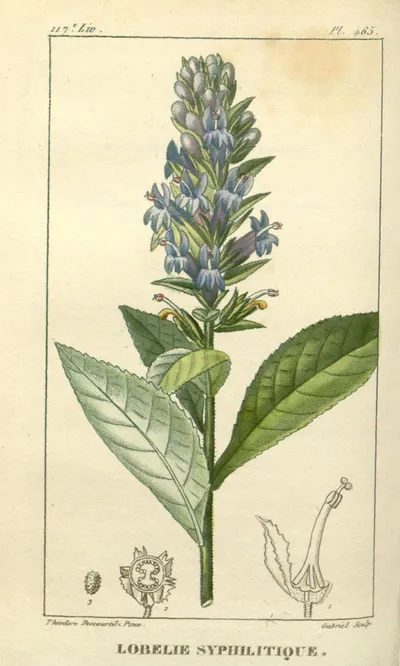 1 of 2
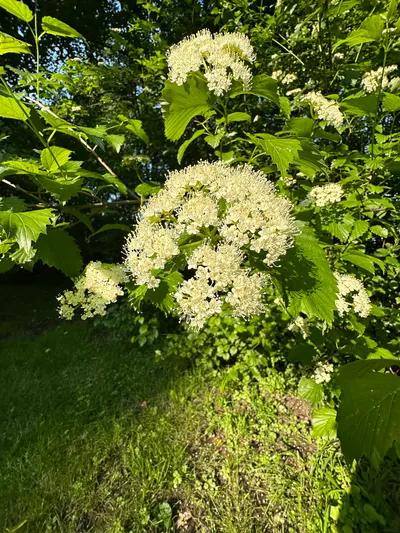 1 of 2
 1 of 2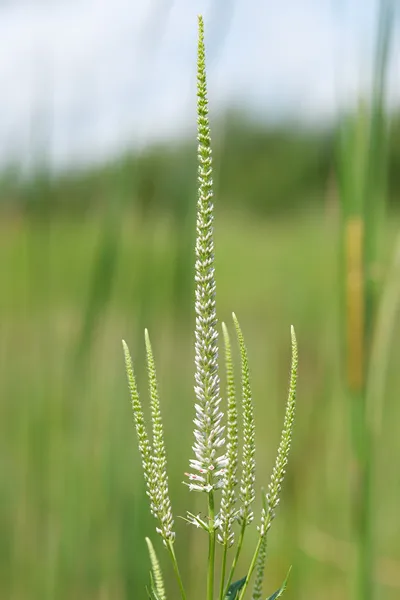
 1 of 2
 1 of 2
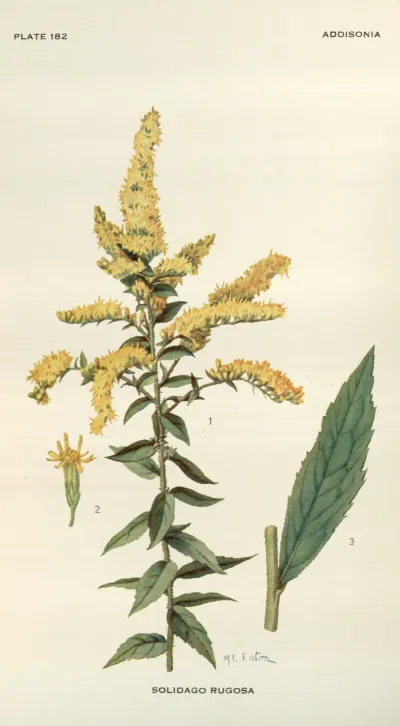 1 of 2
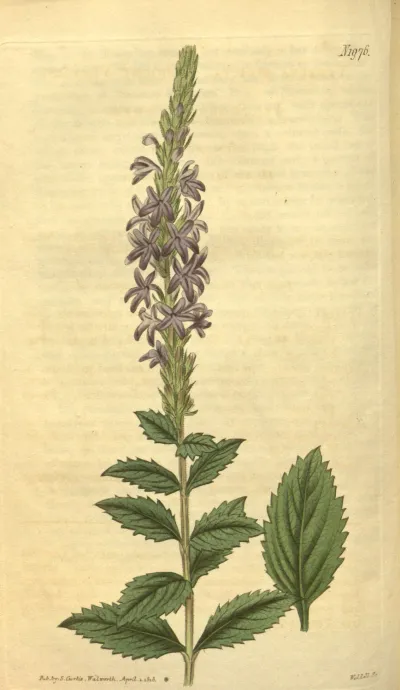 1 of 2
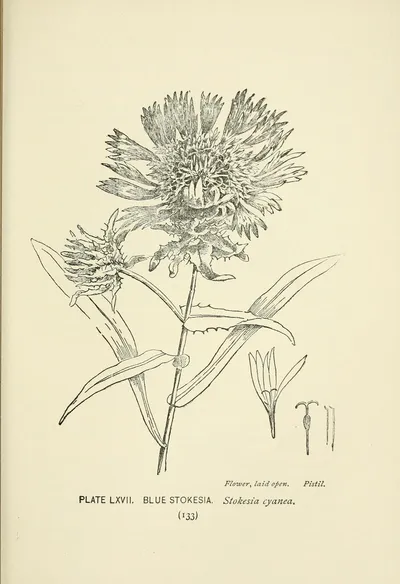 1 of 2
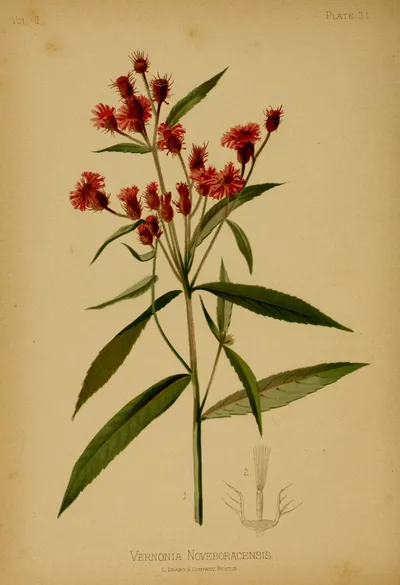 1 of 2
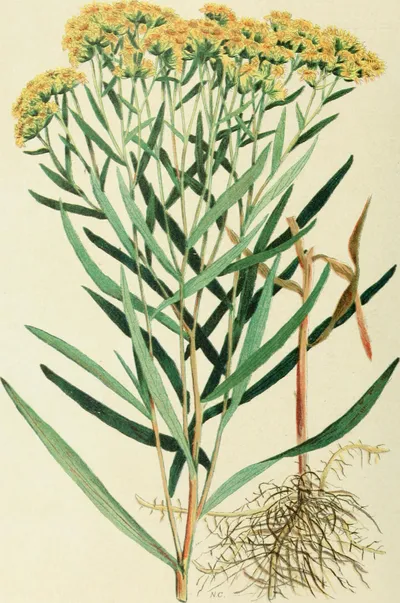 1 of 2
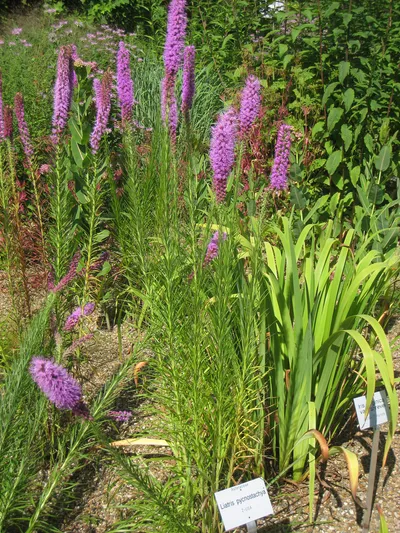 1 of 2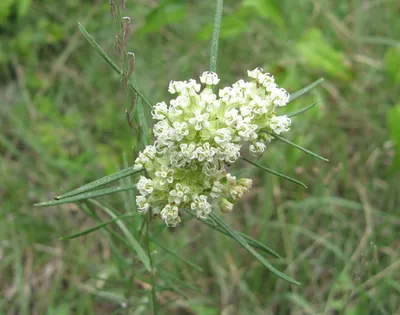
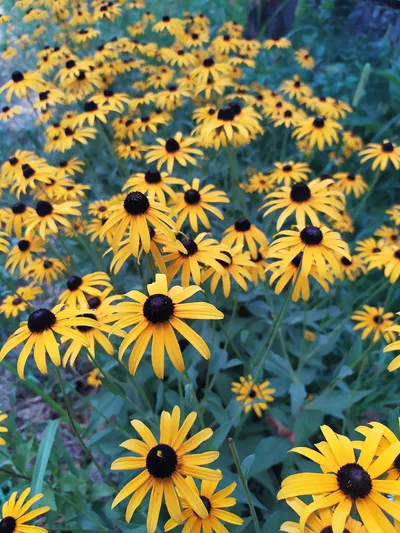 1 of 2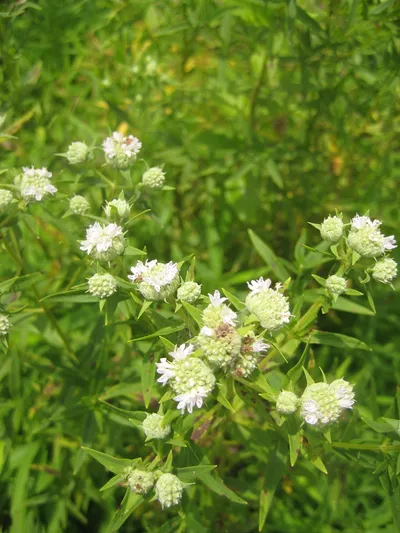
 1 of 2
 1 of 2
 1 of 2
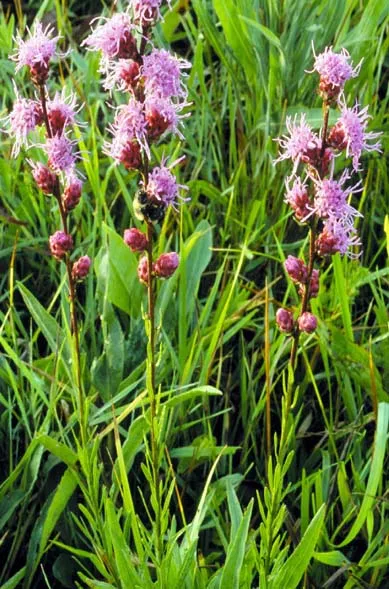 1 of 3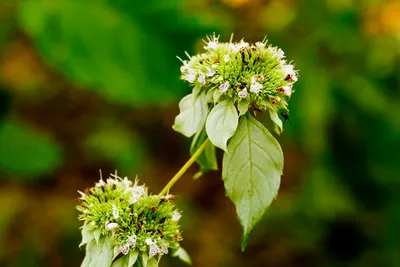
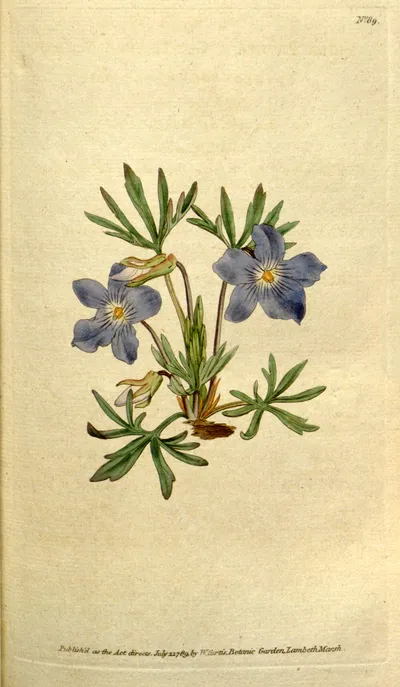 1 of 2
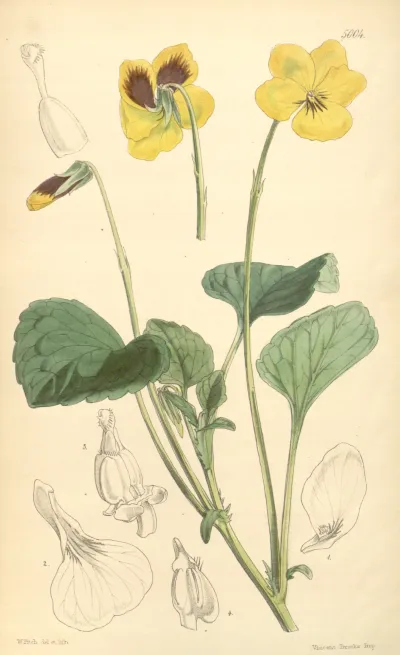 1 of 2
 1 of 2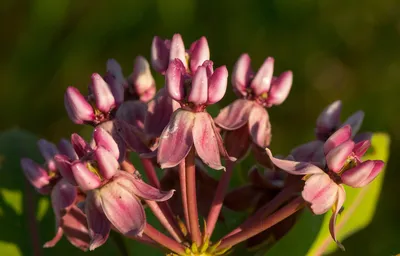
 1 of 2
No plants match those filters.
Sources
- Butterflies and Moths of North America ↗
- iNaturalist ↗
- Plant associations from GloBI flower-visit records and NPIN larval-host data. Butterfly photographs via iNaturalist (CC BY).