Wildflower Archive
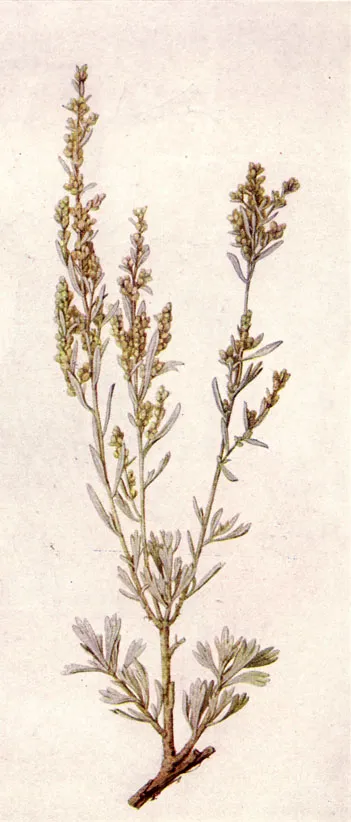
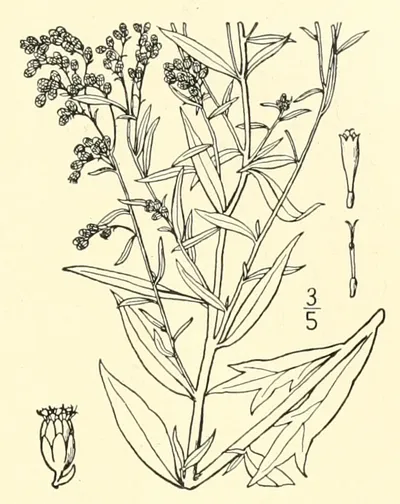
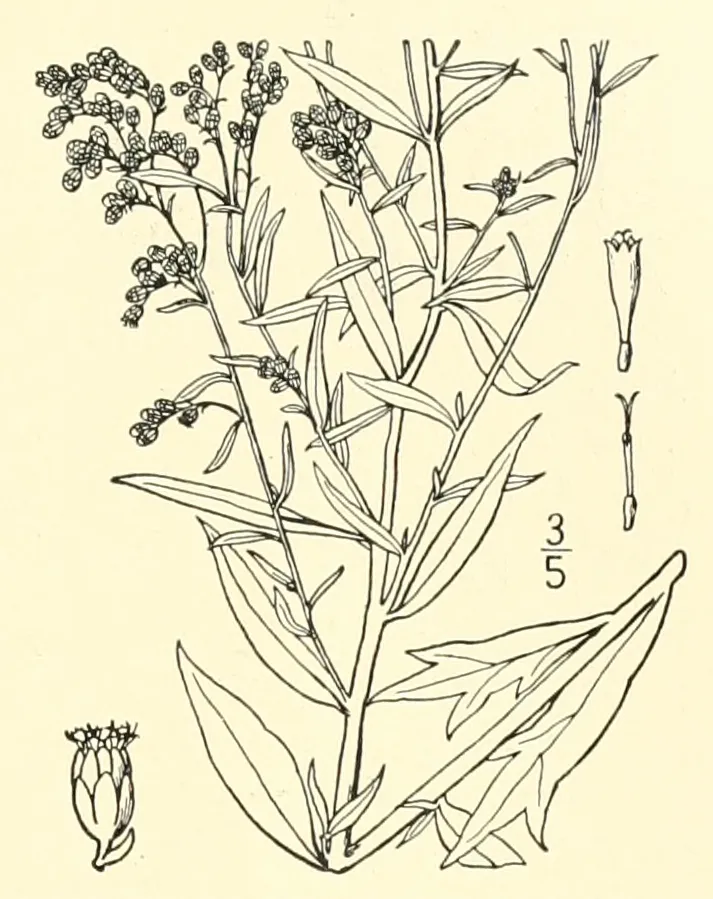
Silver Wormwood (Artemisia ludoviciana)
Flower of NevadaSilver Wormwood

Native plants for Nevada

85 native plants grow wild in Nevada, each shown in historical botanical art or a photograph. They bloom from March through October, and 77 have documented pollinator visitors. Gardens across the state fall roughly in USDA hardiness zones 4a–10a. Choosing plants native to Nevada means they are adapted to the local climate and soils and support the region's bees, butterflies, and birds.

Native species featured
85
USDA hardiness
Zones 4a–10a
Bloom season
March–October
Light
60 sun · 46 part shade · 20 shade
Soil moisture
40 dry · 34 moist · 16 wet
Habitats
prairie (31) · woodland (27) · wetland (24) · desert (3)
Documented pollinator plants
77 (up to 566 visitor species each)

Explore the plants

85 plants
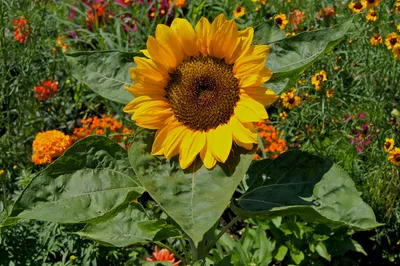
Common Sunflower1 of 2
Common Sunflower Helianthus annuus
Common yarrow complex1 of 2
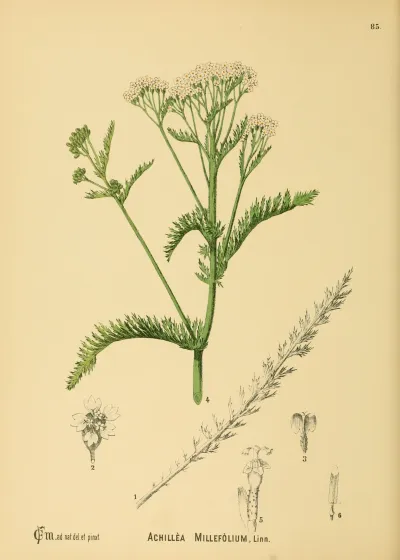
Common yarrow complex Achillea millefolium
California poppy1 of 2
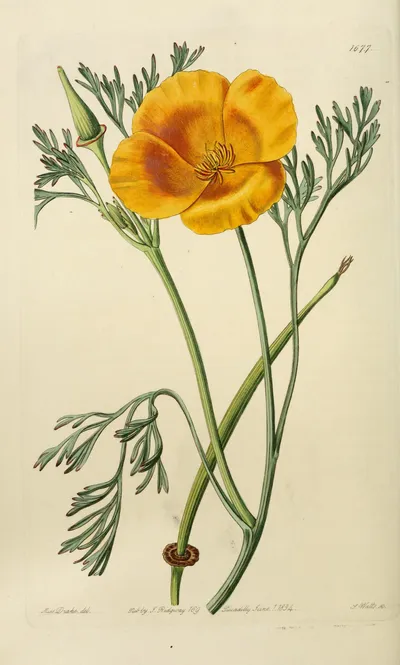
California poppy Eschscholzia californica
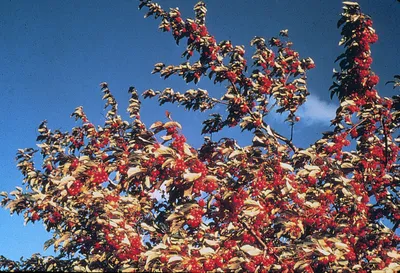
Chokecherry
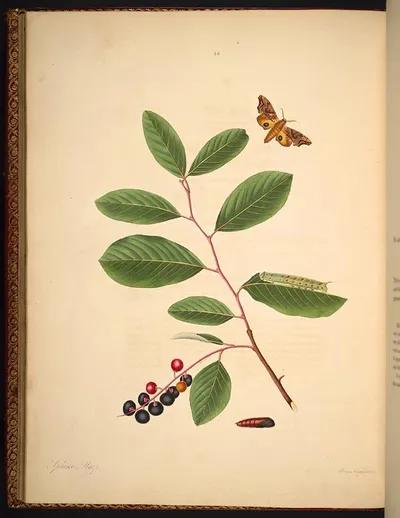
Chokecherry Prunus virginiana
Saskatoon1 of 2
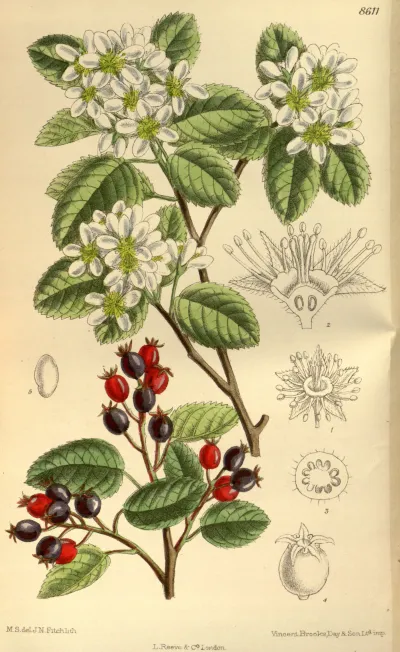
Saskatoon Amelanchier alnifolia
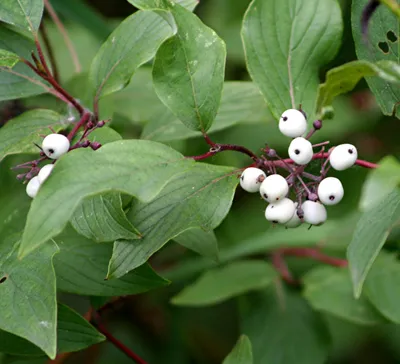
Red osier dogwood
Red osier dogwood Cornus sericea
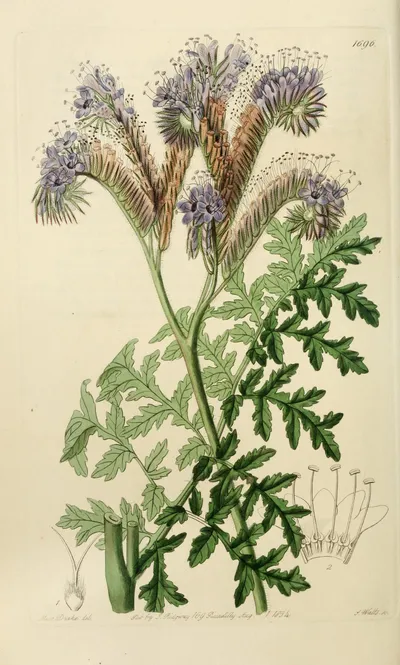
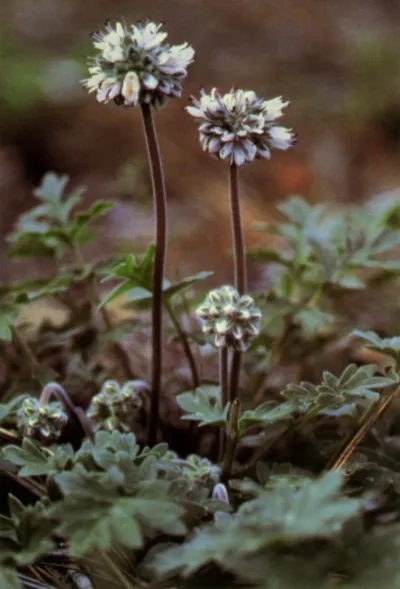
Lacy phacelia1 of 2
Lacy phacelia Phacelia tanacetifolia
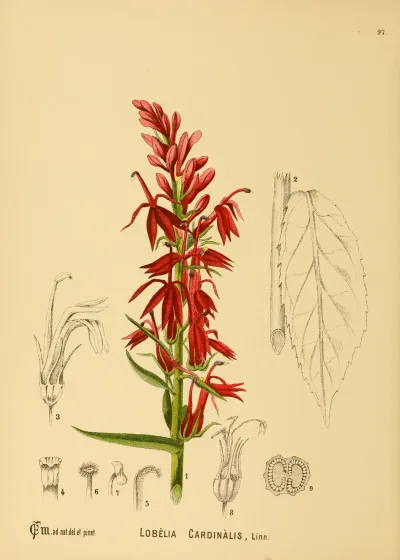
Cardinal flower1 of 2
Cardinal flower Lobelia cardinalis
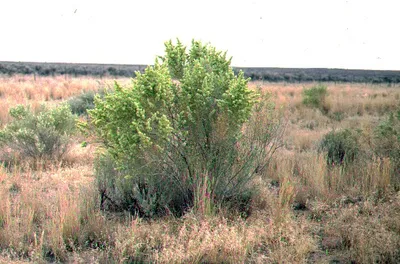
Big Sagebrush1 of 2
Big Sagebrush Artemisia tridentata
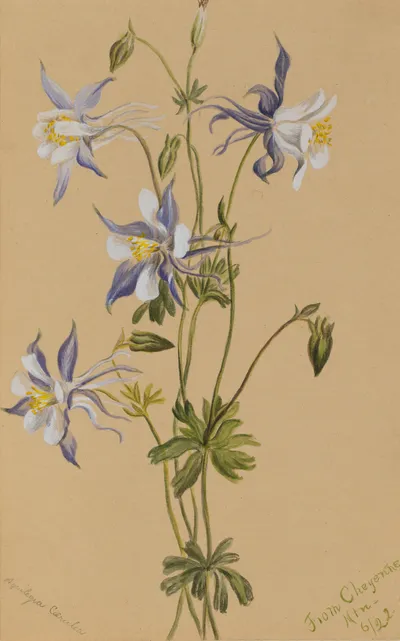
Blue columbine1 of 3
Blue columbine Aquilegia coerulea
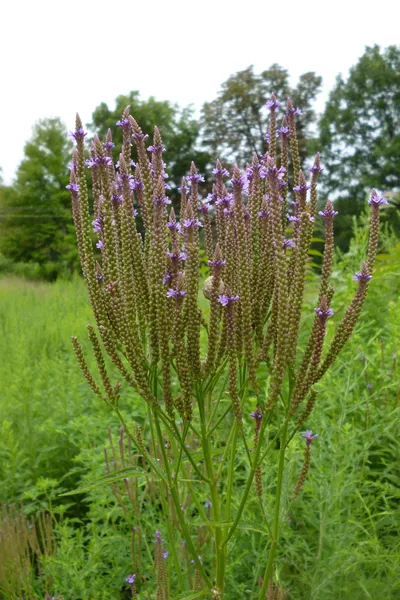
Blue vervain1 of 2
Blue vervain Verbena hastata
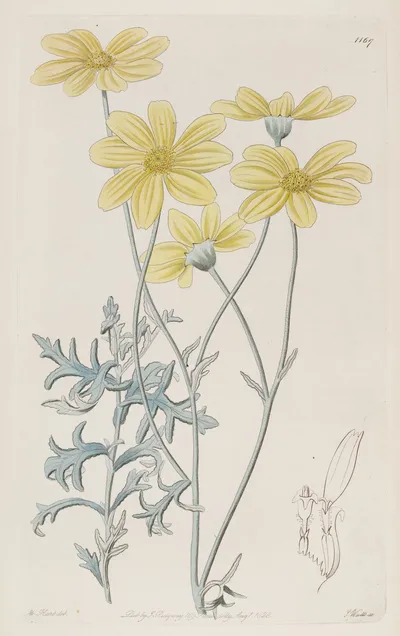
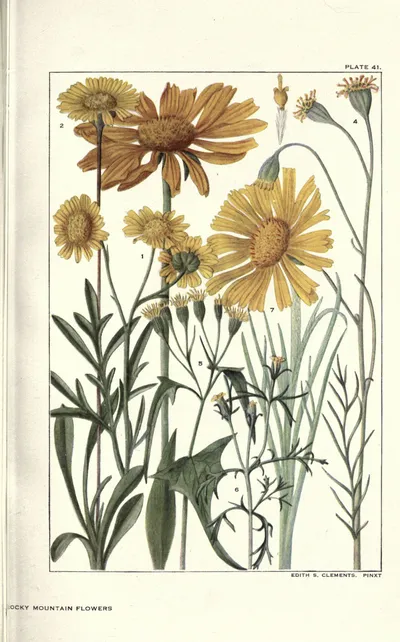
Silver Wormwood1 of 2
Silver Wormwood Artemisia ludoviciana
Bitterroot1 of 3
Bitterroot Lewisia rediviva
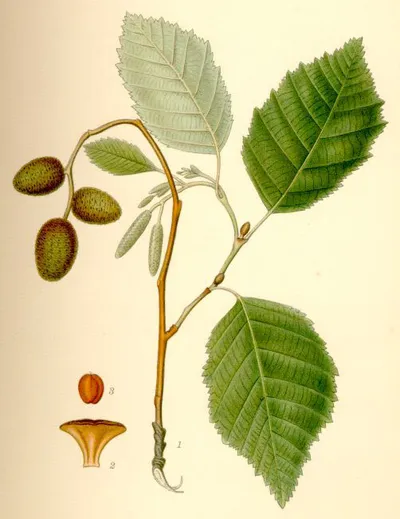
Grey alder1 of 2
Grey alder Alnus incana
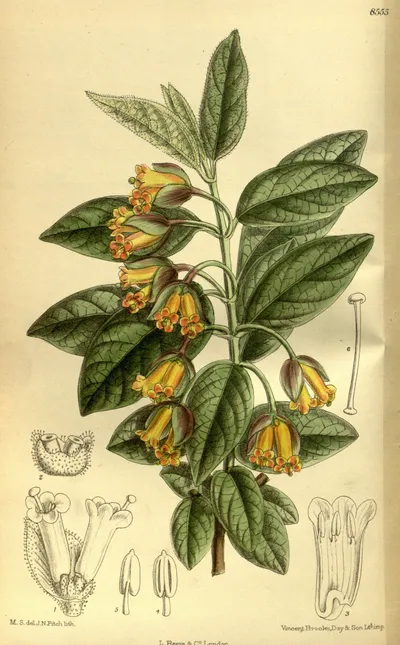
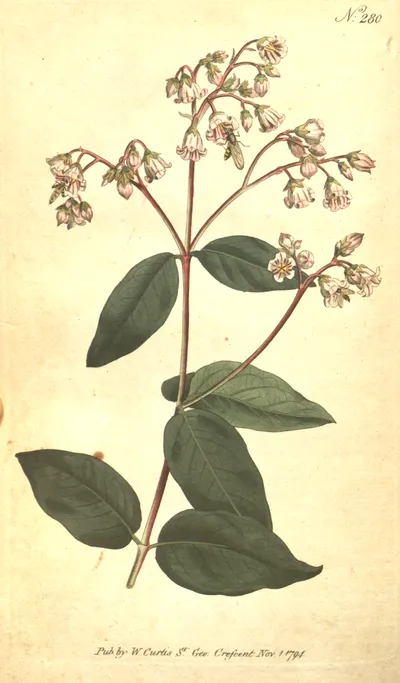
Twinberry honeysuckle1 of 2
Twinberry honeysuckle Lonicera involucrata
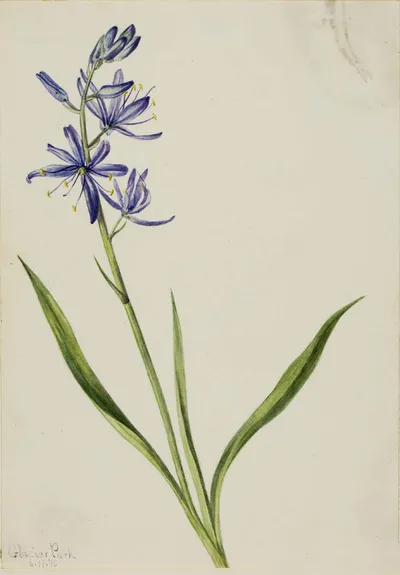
Small camas1 of 3
Small camas Camassia quamash
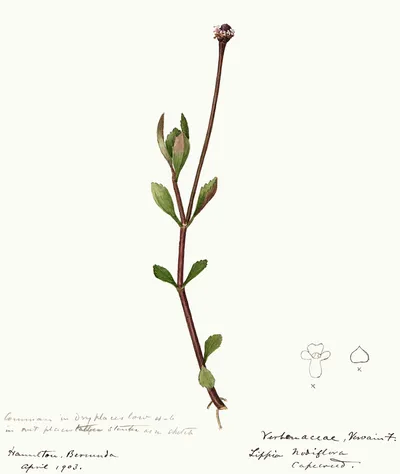
Turkey tangle frogfruit1 of 2
Turkey tangle frogfruit Phyla nodiflora
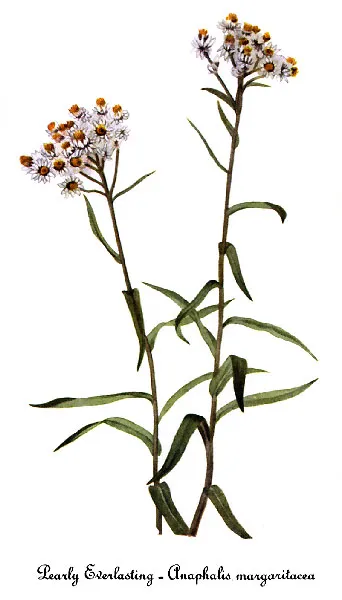
Pearly everlasting1 of 3
Pearly everlasting Anaphalis margaritacea
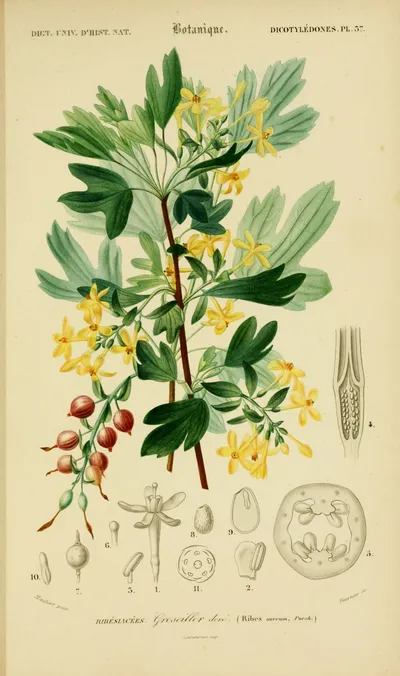
Golden currant1 of 3
Golden currant Ribes aureum
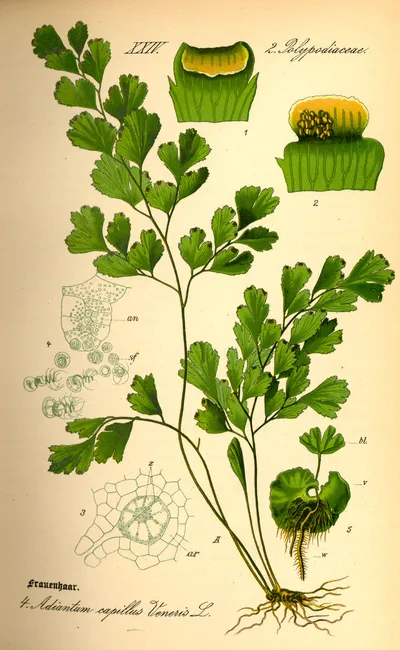
Common maidenhair
Common maidenhair Adiantum capillus-veneris
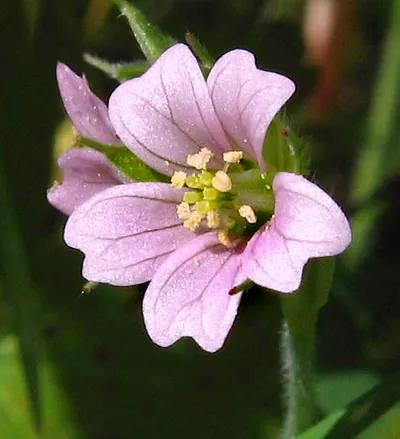
Carolina crane's-bill1 of 3
Carolina crane's-bill Geranium carolinianum
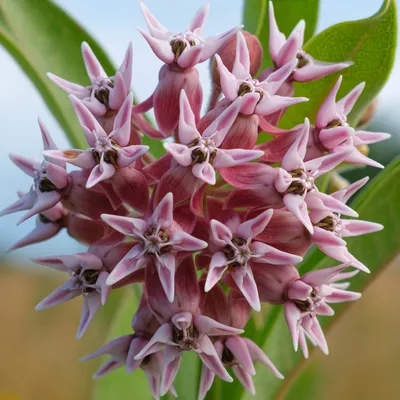
Showy milkweed1 of 2
Showy milkweed Asclepias speciosa
Spreading dogbane1 of 2
Spreading dogbane Apocynum androsaemifolium
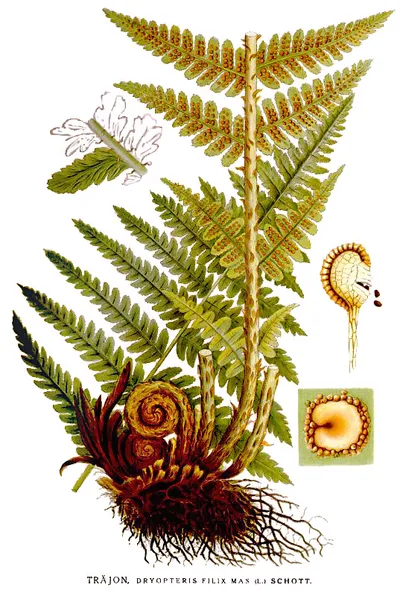
Male fern
Male fern Dryopteris filix-mas
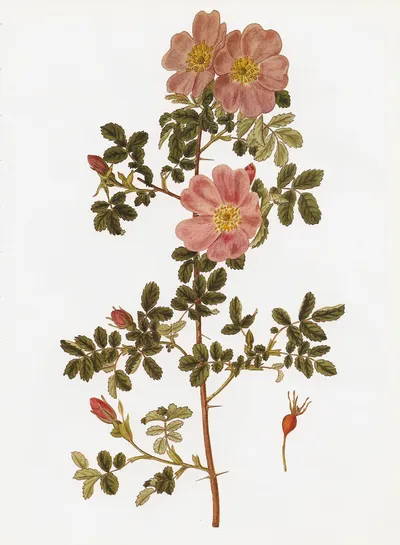
Woods' rose1 of 3
Woods' rose Rosa woodsii
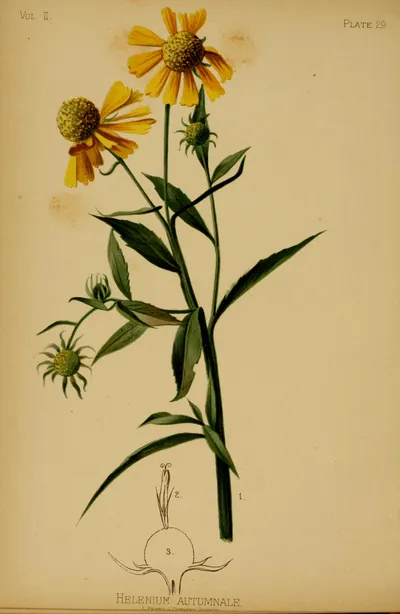
Common sneezeweed1 of 2
Common sneezeweed Helenium autumnale
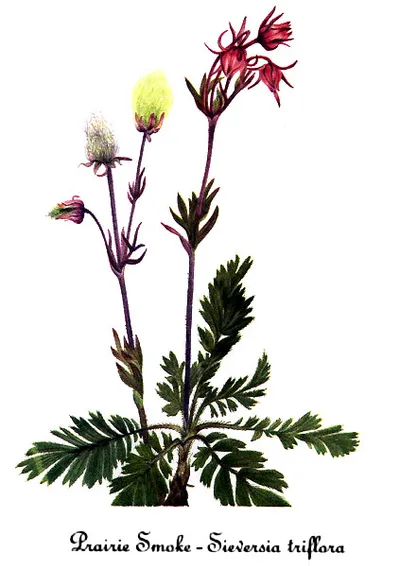
Prairie smoke1 of 3
Prairie smoke Geum triflorum
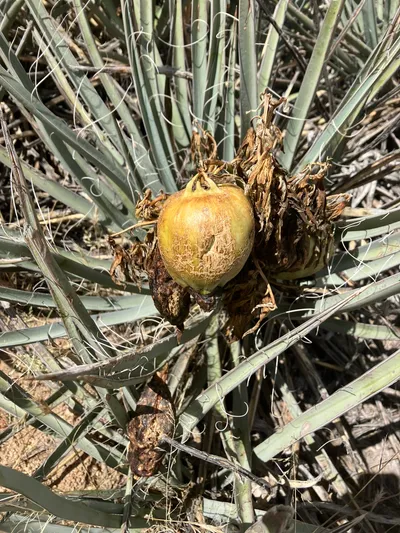
Banana Yucca
Banana Yucca Yucca baccata
Silver buffaloberry
Silver buffaloberry Shepherdia argentea
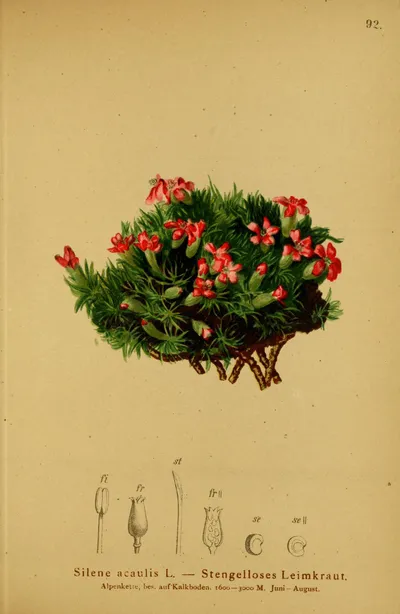
Moss Campion1 of 2
Moss Campion Silene acaulis
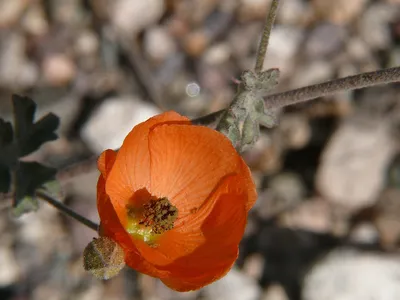
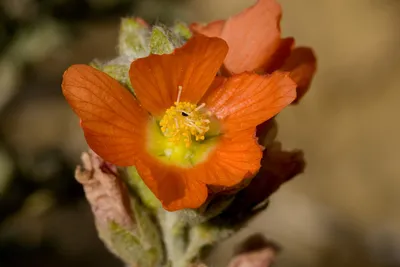
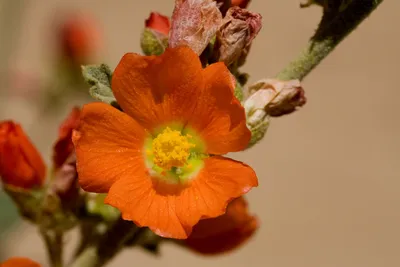
Apricot globemallow
Apricot globemallow Sphaeralcea ambigua
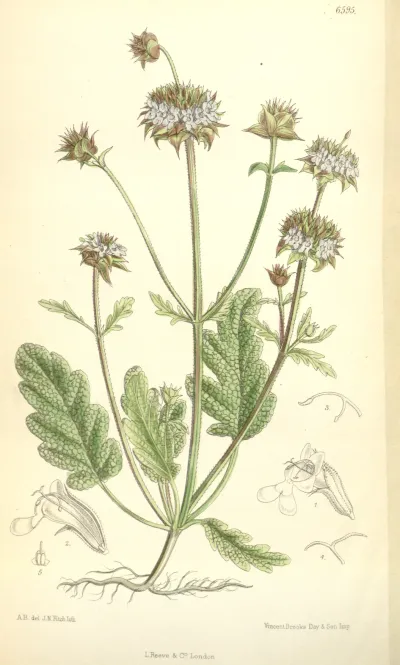
Chia1 of 2
Chia Salvia columbariae
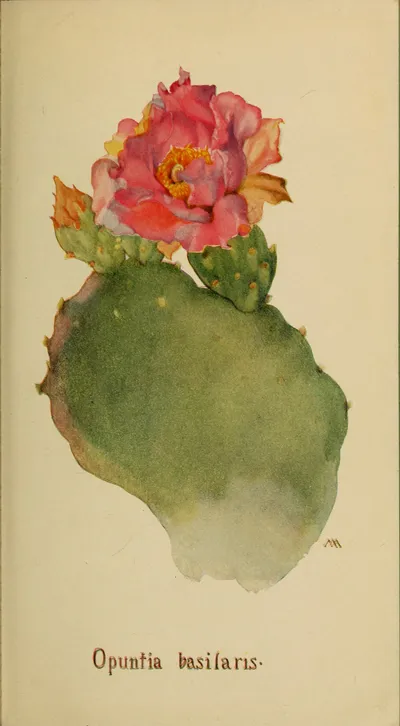
Beavertail Pricklypear1 of 2
Beavertail Pricklypear Opuntia basilaris
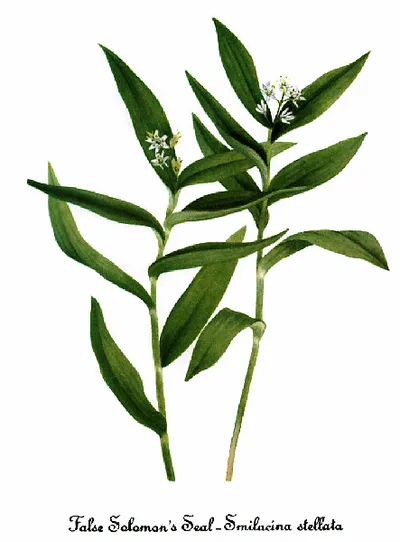
Star-flowered lily-of-the-valley1 of 3
Star-flowered lily-of-the-valley Maianthemum stellatum
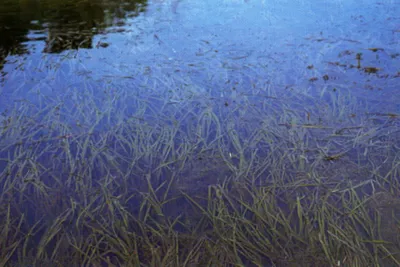
American eelgrass1 of 2
American eelgrass Vallisneria americana
Fourwing Saltbush1 of 2
Fourwing Saltbush Atriplex canescens
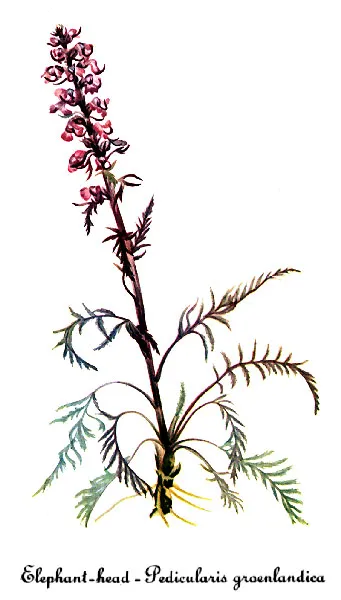
Elephant's-Head lousewort1 of 3
Elephant's-Head lousewort Pedicularis groenlandica
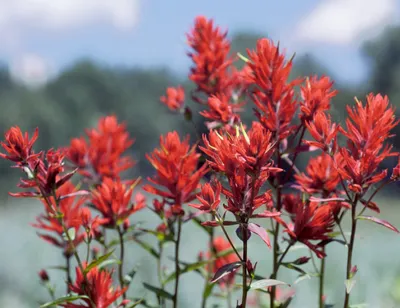
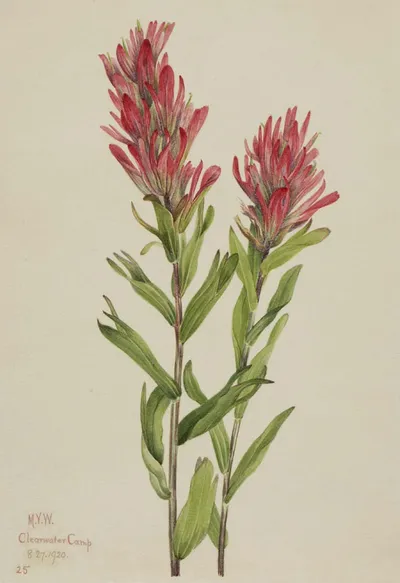
Wyoming Paintbrush
Wyoming Paintbrush Castilleja linariifolia
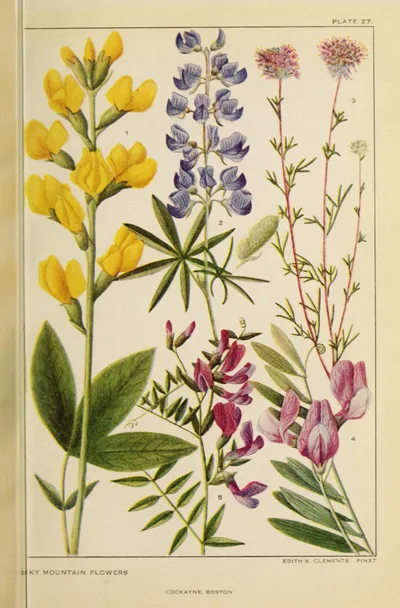
Silvery lupine1 of 2
Silvery lupine Lupinus argenteus
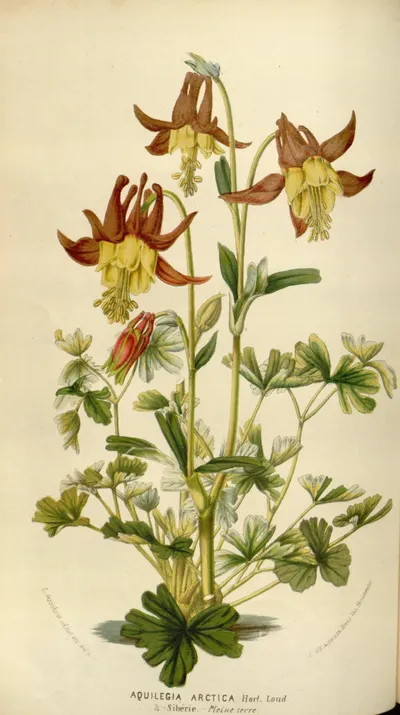
Western columbine1 of 3
Western columbine Aquilegia formosa
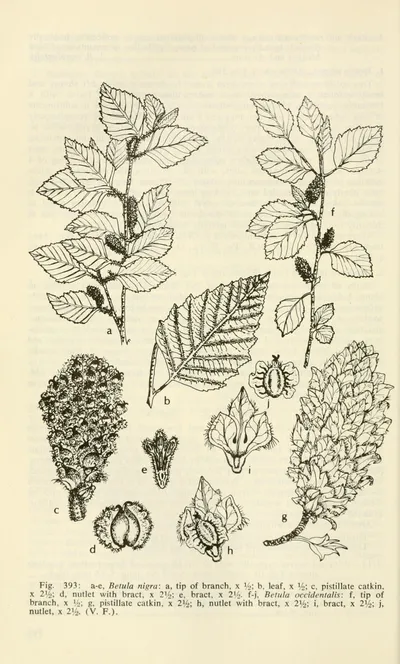
Water birch1 of 2
Water birch Betula occidentalis
Common woolly sunflower1 of 2
Common woolly sunflower Eriophyllum lanatum
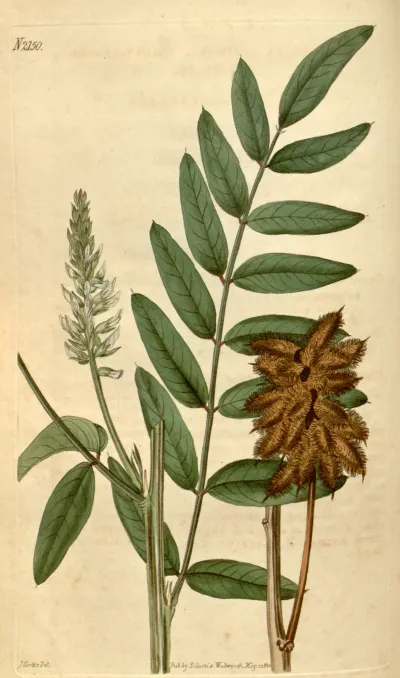
Wild Licorice1 of 3
Wild Licorice Glycyrrhiza lepidota
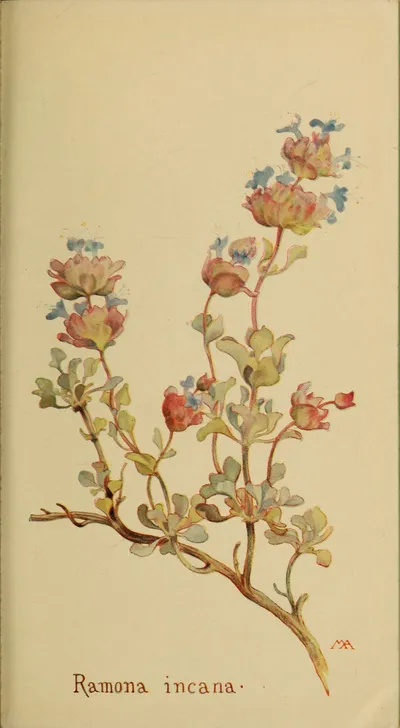
Dorr's Sage Complex1 of 2
Dorr's Sage Complex Salvia dorrii
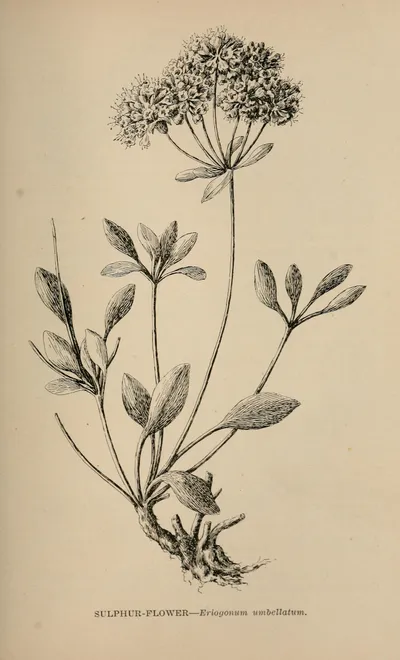
Sulfur buckwheat1 of 2
Sulfur buckwheat Eriogonum umbellatum
Giant red paintbrush1 of 3
Giant red paintbrush Castilleja miniata
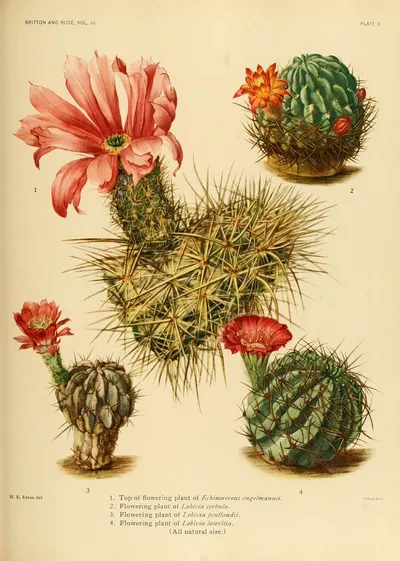
Engelmann's Hedgehog Cactus
Engelmann's Hedgehog Cactus Echinocereus engelmannii
Colorado Four o'Clock1 of 2
Colorado Four o'Clock Mirabilis multiflora
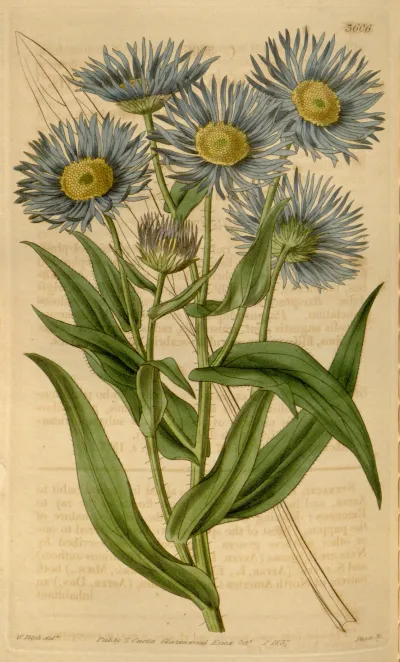
Aspen fleabane1 of 2
Aspen fleabane Erigeron speciosus
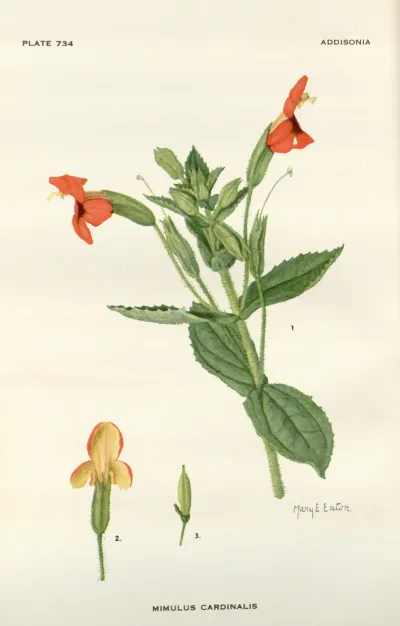
Scarlet monkeyflower1 of 2
Scarlet monkeyflower Erythranthe cardinalis
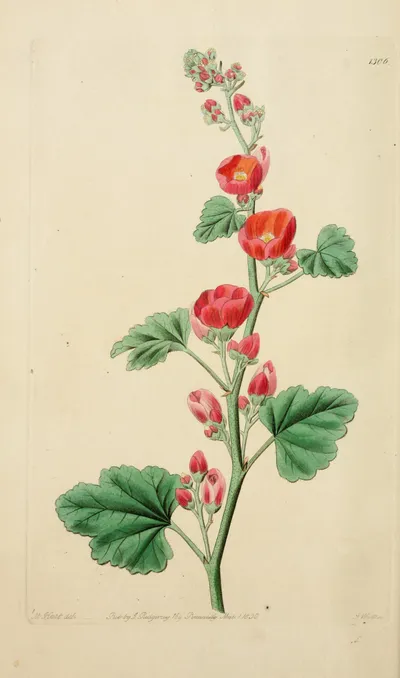
Scarlet Globemallow1 of 2
Scarlet Globemallow Sphaeralcea coccinea
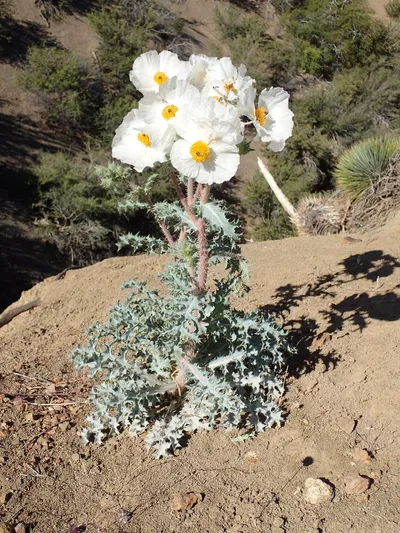
Flatbud prickly poppy1 of 2
Flatbud prickly poppy Argemone munita
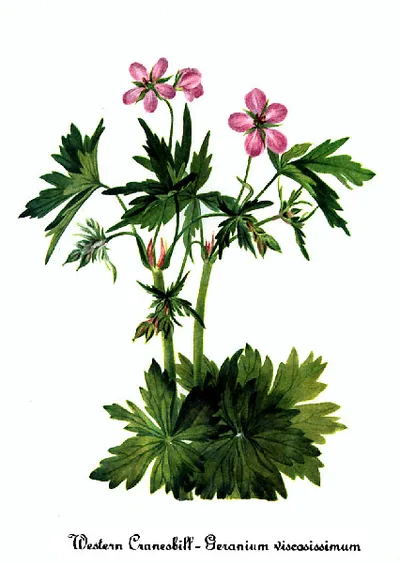
Sticky geranium1 of 3
Sticky geranium Geranium viscosissimum
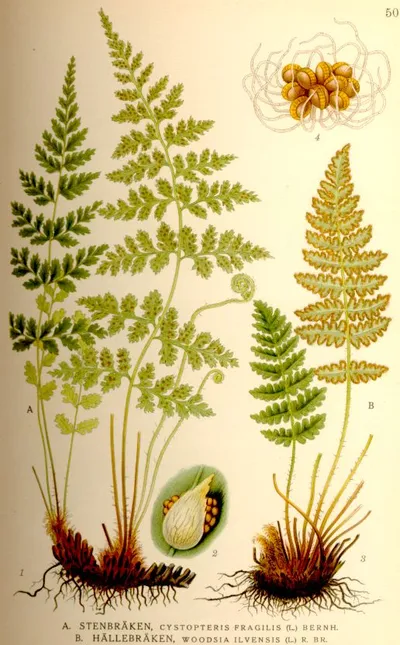
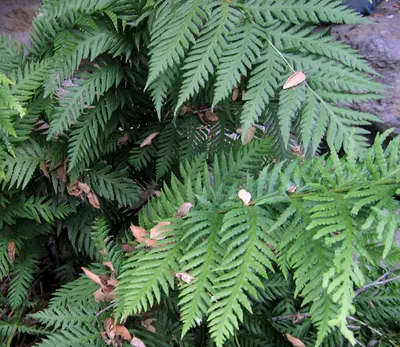
Cystopteris fragilis complex1 of 2
Cystopteris fragilis complex Cystopteris fragilis
Giant chain fern
Giant chain fern Woodwardia fimbriata
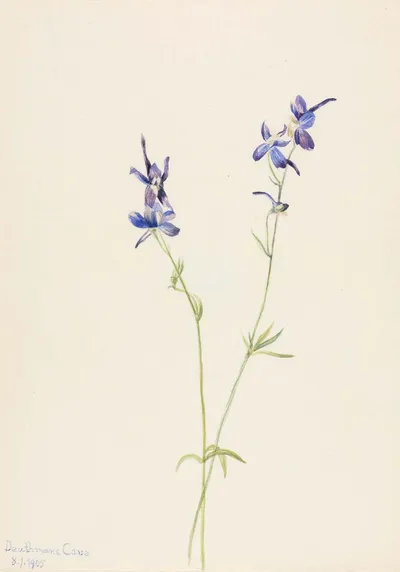
Upland larkspur1 of 2
Upland larkspur Delphinium nuttallianum
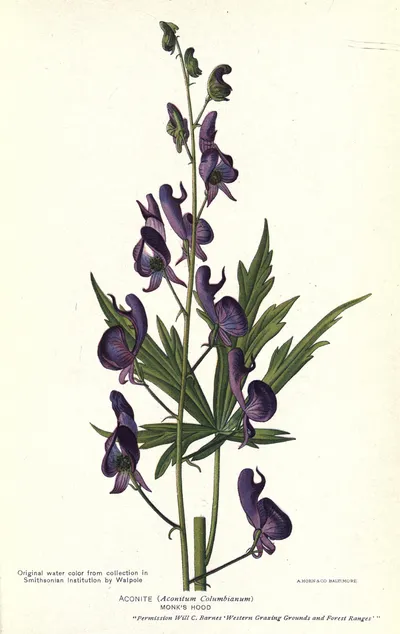
Columbian Monkshood1 of 2
Columbian Monkshood Aconitum columbianum
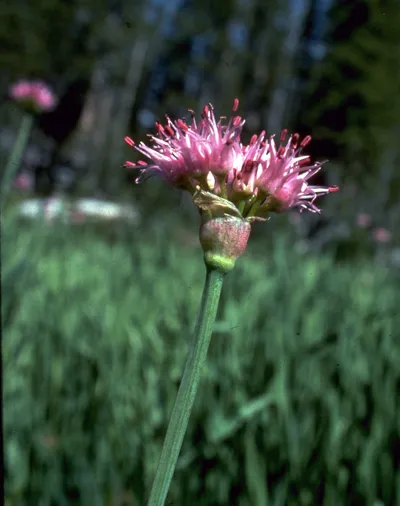
Swamp Onion
Swamp Onion Allium validum
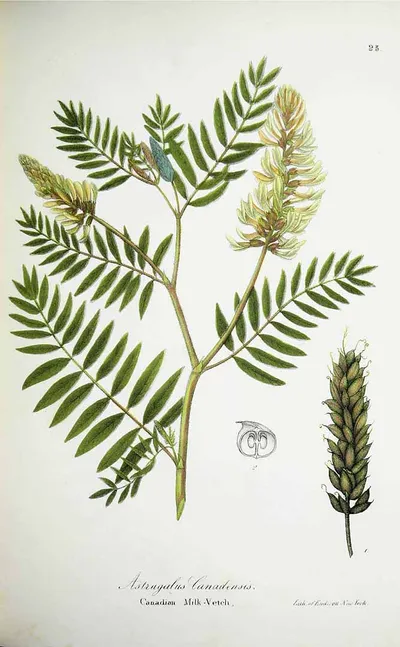
Canadian milkvetch1 of 3
Canadian milkvetch Astragalus canadensis
Western blue flag1 of 2
Western blue flag Iris missouriensis
Munro's Globemallow1 of 2
Munro's Globemallow Sphaeralcea munroana
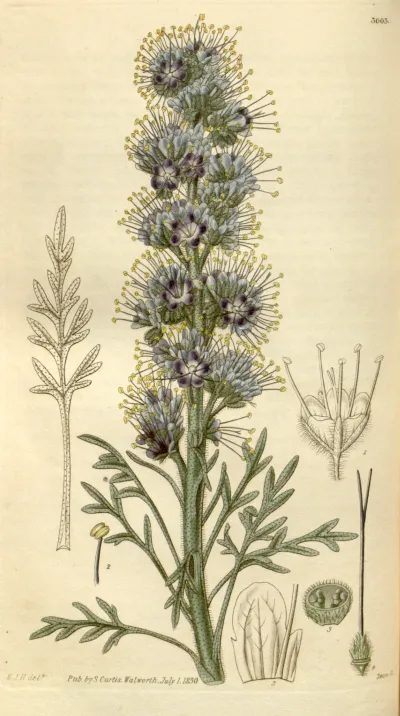
Silky Phacelia1 of 2
Silky Phacelia Phacelia sericea
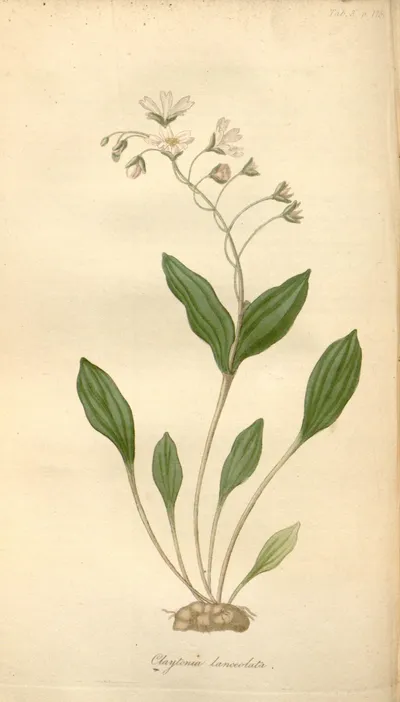
Lanceleaf Springbeauty1 of 2
Lanceleaf Springbeauty Claytonia lanceolata
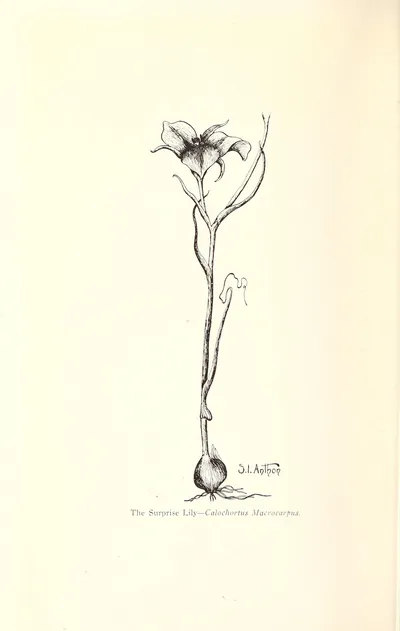
Sagebrush Mariposa Lily1 of 2
Sagebrush Mariposa Lily Calochortus macrocarpus
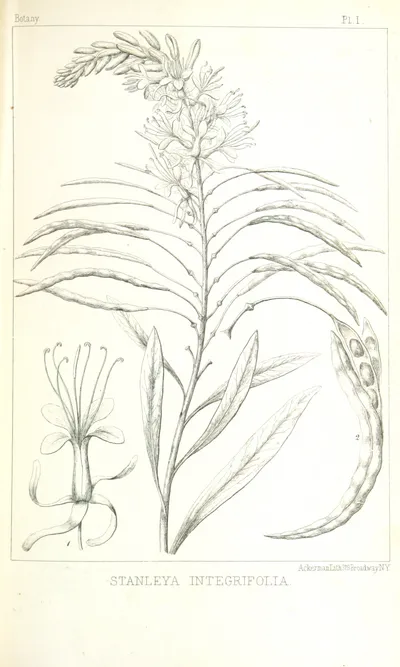
Desert Prince's Plume1 of 2
Desert Prince's Plume Stanleya pinnata
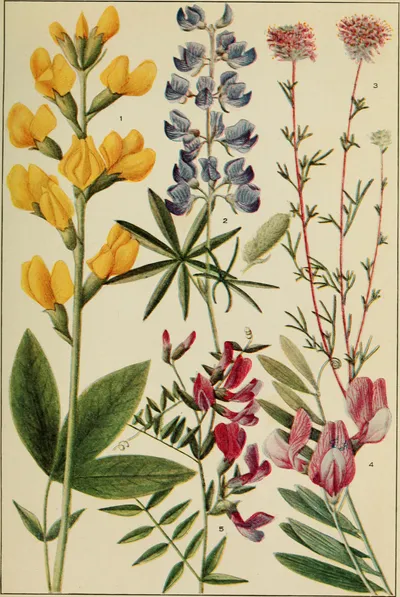
Mountain goldenbean1 of 2
Mountain goldenbean Thermopsis montana
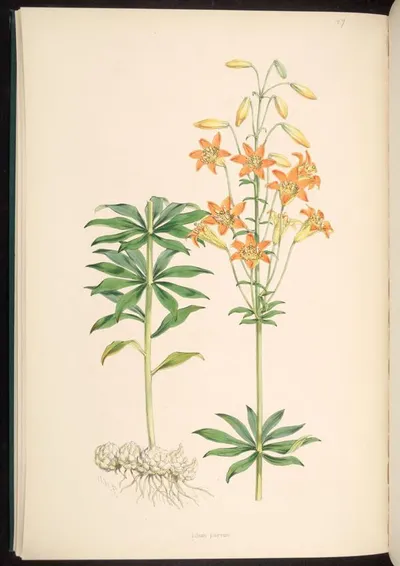
Sierra Tiger Lily1 of 2
Sierra Tiger Lily Lilium parvum
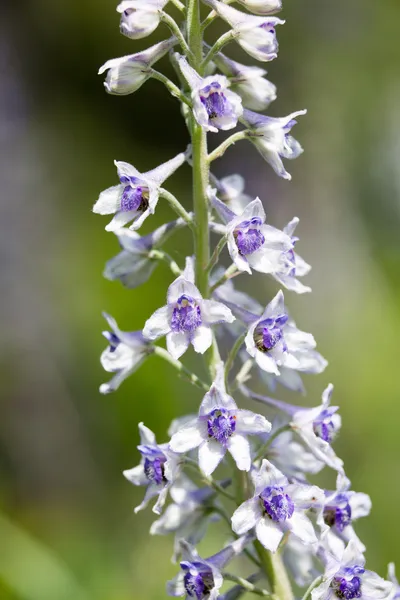
Sierra larkspur1 of 2
Sierra larkspur Delphinium glaucum
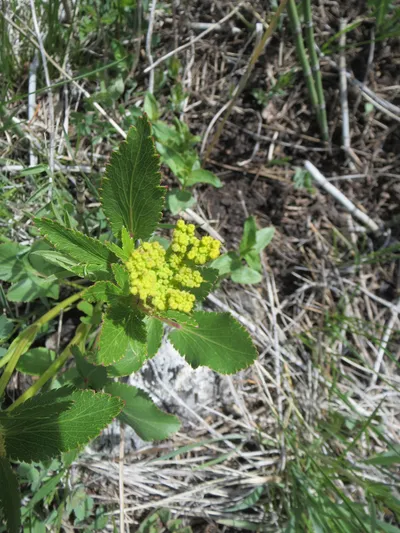
Heart-leaf golden Alexanders
Heart-leaf golden Alexanders Zizia aptera
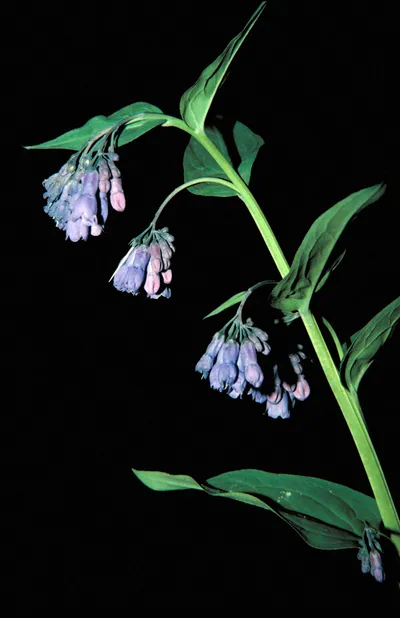
Mountain bluebells1 of 3
Mountain bluebells Mertensia ciliata
Owlsclaws1 of 2
Owlsclaws Hymenoxys hoopesii
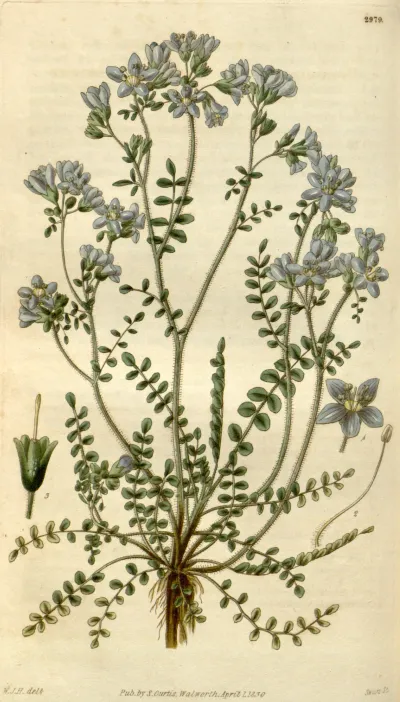
Pretty Jacob's-ladder1 of 2
Pretty Jacob's-ladder Polemonium pulcherrimum
Pink alumroot
Pink alumroot Heuchera rubescens
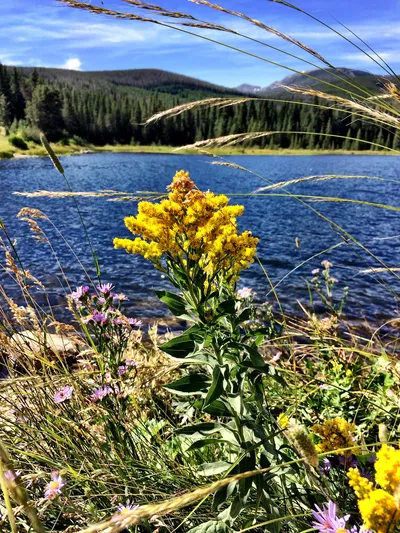
Missouri goldenrod
Missouri goldenrod Solidago missouriensis
Small-leaf Globemallow
Small-leaf Globemallow Sphaeralcea parvifolia
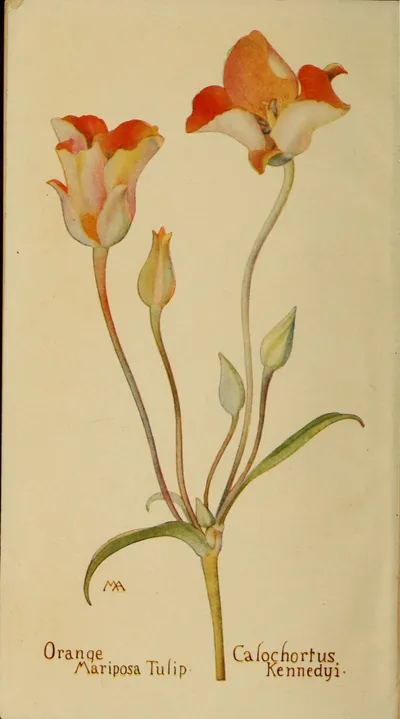
Desert Mariposa Lily1 of 3
Desert Mariposa Lily Calochortus kennedyi
Western waterleaf
Western waterleaf Hydrophyllum occidentale
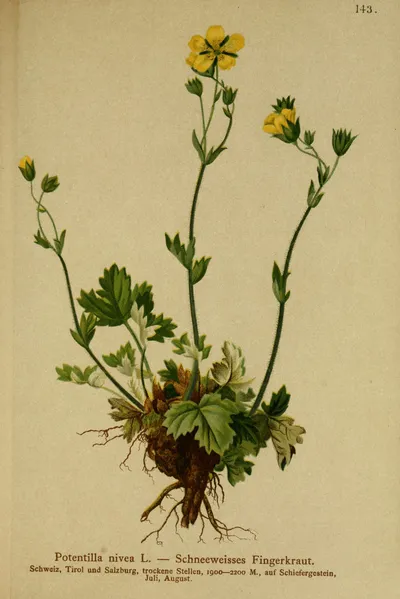
Snow Cinquefoil1 of 2
Snow Cinquefoil Potentilla nivea
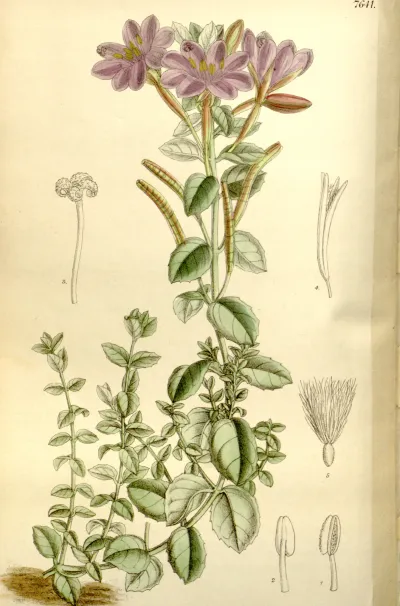
Rockfringe Willowherb1 of 2
Rockfringe Willowherb Epilobium obcordatum
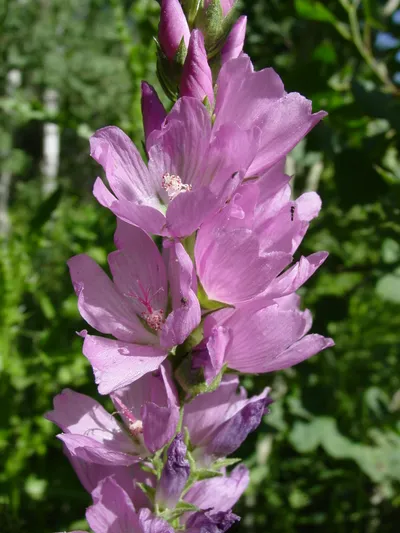
Salt spring checkerbloom1 of 2
Salt spring checkerbloom Sidalcea neomexicana
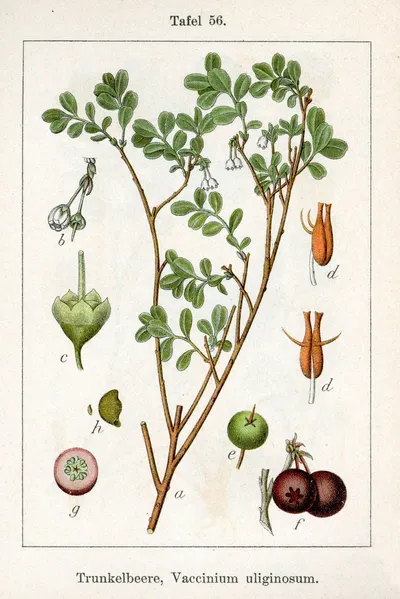
Bog bilberry1 of 2
Bog bilberry Vaccinium uliginosum
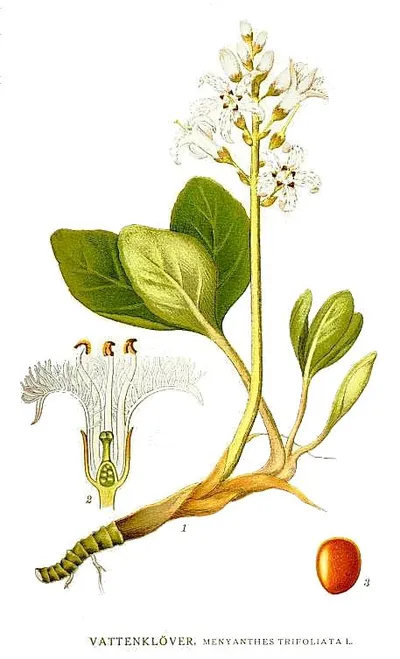
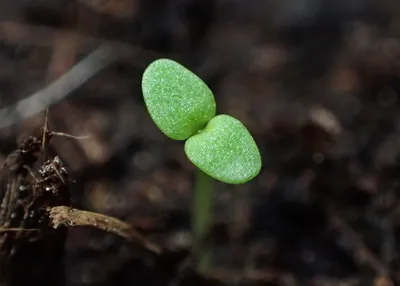
Bogbean1 of 3
Bogbean Menyanthes trifoliata
Fireweed
Fireweed Chamerion angustifolium
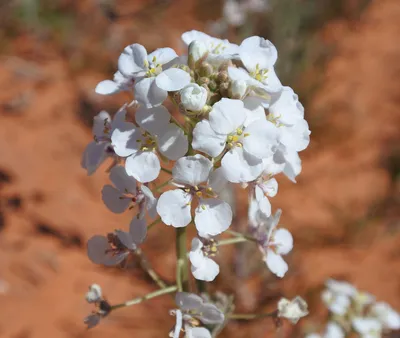
Touristplant
Touristplant Dimorphocarpa wislizenii
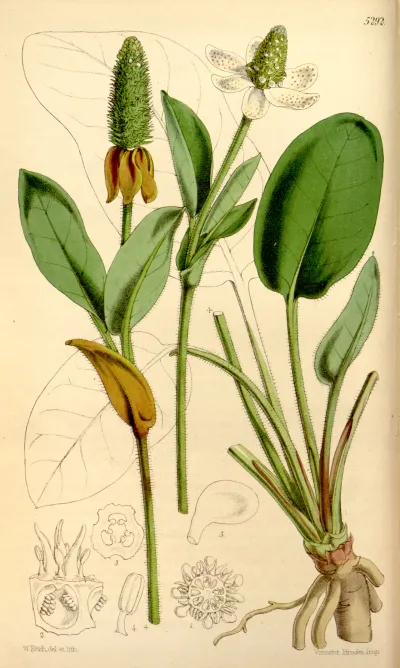
Yerba Mansa1 of 2
Yerba Mansa Anemopsis californica

Why plant natives

Native plants evolved with the local insects, birds, and soils, so once established they need little water, no fertilizer, and no coddling, while providing the nectar, pollen, seeds, and host foliage that non-native ornamentals cannot. A native bed is lower-maintenance and higher-value for wildlife than a conventional one.

Starting a native garden in Nevada

Start by matching plant to place: note how much sun each spot gets and whether the soil runs dry, moist, or wet, then choose species whose needs match; the filters above sort by exactly these. In Nevada (roughly USDA zones 4a–10a), fall and early spring are the prime planting windows. Buy nursery-propagated, local-genotype plants rather than wild-collected stock, plant in groups of three or more so pollinators can find them, and mulch lightly the first year while roots establish.

Keep it blooming

The species here bloom from March through October. Pick at least one plant for each part of that window (spring, summer, and fall) so something is always in flower and pollinators always have forage.

Frequently asked

How many native plants are native to Nevada?
This guide features 85 native plants documented as native to Nevada, including wildflowers, ferns, and shrubs. Many hundreds more native species also grow wild in the state.
What hardiness zone is Nevada in?
Nevada spans roughly USDA hardiness zones 4a–10a. Check your exact zone before buying, since the state covers more than one.
When do Nevada wildflowers bloom?
Across these species, bloom runs from March through October. Planting a mix of spring, summer, and fall bloomers keeps color and pollinator forage going all season.
What are the best native plants for pollinators in Nevada?
77 of these Nevada natives have documented bee, butterfly, or hummingbird visitors. Use the "For pollinators" filter above to rank them by pollinator value.
Where can I buy native plants in Nevada?
Look for a nursery that sells nursery-propagated (not wild-collected) local-genotype plants. Your state native plant society and regional native-plant sales are the best starting points; see Resources below.

Resources