Wildflower Archive
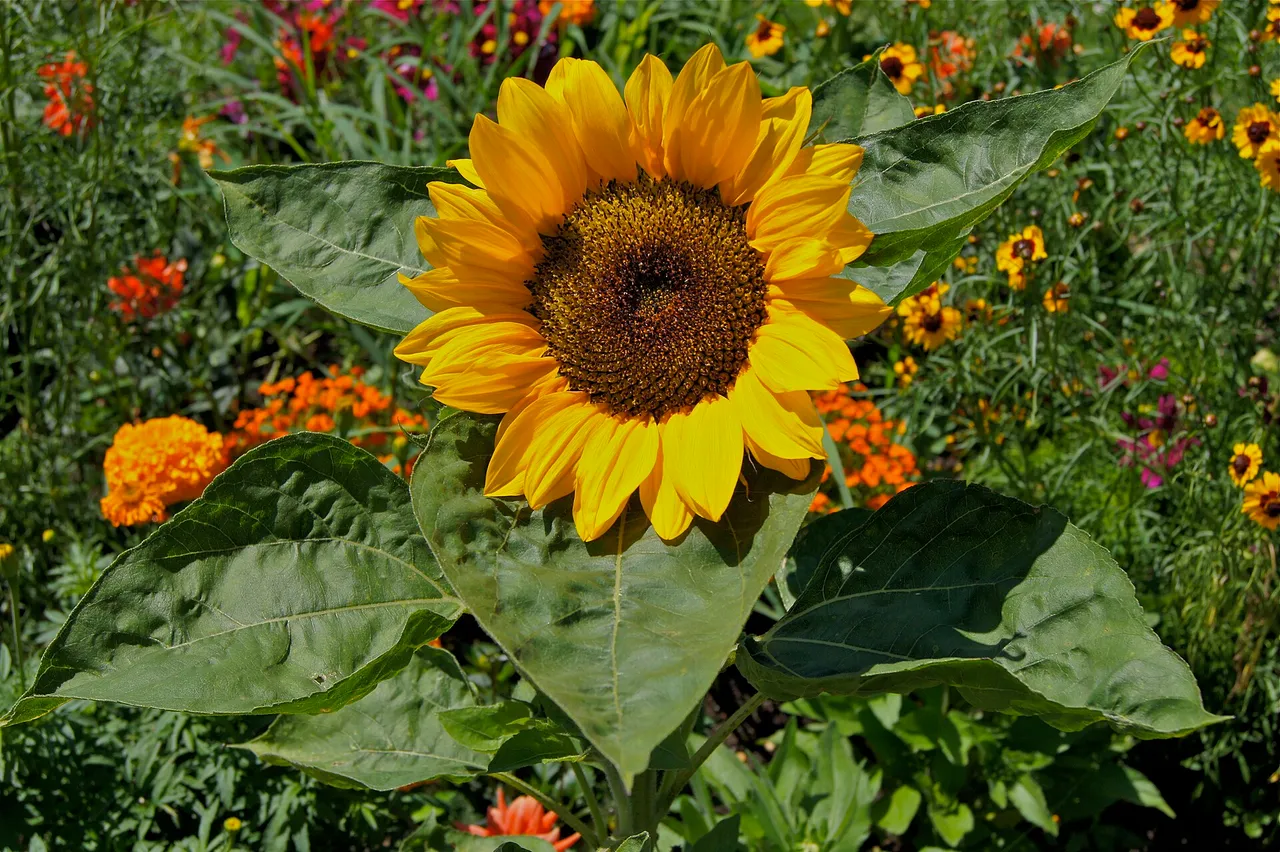
Common Sunflower
Featured: Common Sunflower

Native plants for Canadian hardiness zone 8

99 native plants are hardy in Canadian hardiness zone 8. They bloom from March through October, and 90 have documented pollinator visitors. The Canadian hardiness zone system (Natural Resources Canada) blends winter cold with season length, summer heat, rainfall, and wind. Matching a plant's hardiness range to your zone is the single best predictor of whether it will overwinter and return year after year.

Native species featured
99
Hardiness span
USDA zones 1–11
Bloom season
March–October
Light
67 sun · 67 part shade · 36 shade
Soil moisture
35 dry · 54 moist · 17 wet
Habitats
woodland (52) · prairie (26) · wetland (21)
Documented pollinator plants
90 (up to 566 visitor species each)

Explore the plants

99 plants
Common Sunflower1 of 2
Common Sunflower Helianthus annuus
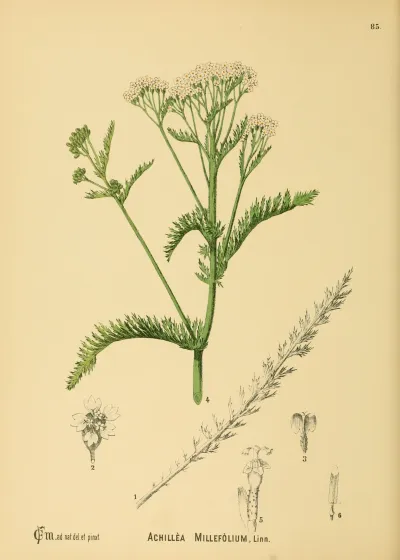
Common yarrow complex1 of 2
Common yarrow complex Achillea millefolium
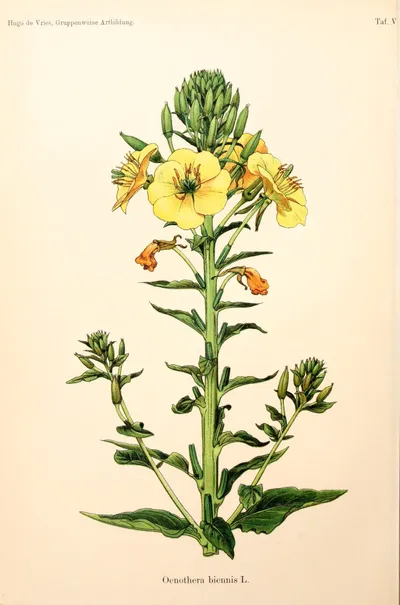
Common evening-primrose1 of 3
Common evening-primrose Oenothera biennis
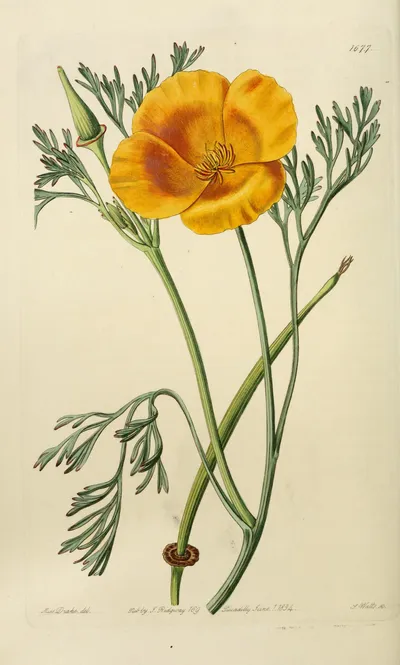
California poppy1 of 2
California poppy Eschscholzia californica
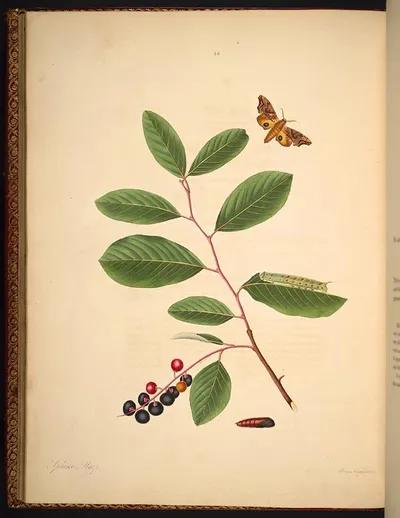
Chokecherry
Chokecherry Prunus virginiana
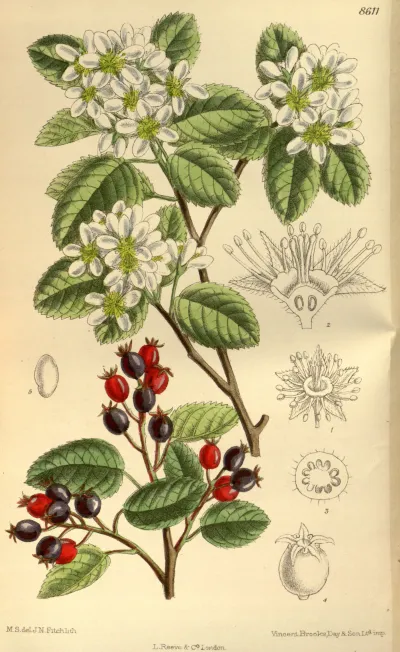
Saskatoon1 of 2
Saskatoon Amelanchier alnifolia
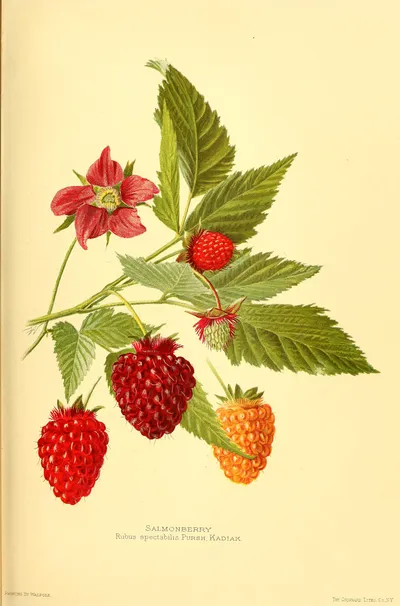
Salmonberry1 of 2
Salmonberry Rubus spectabilis
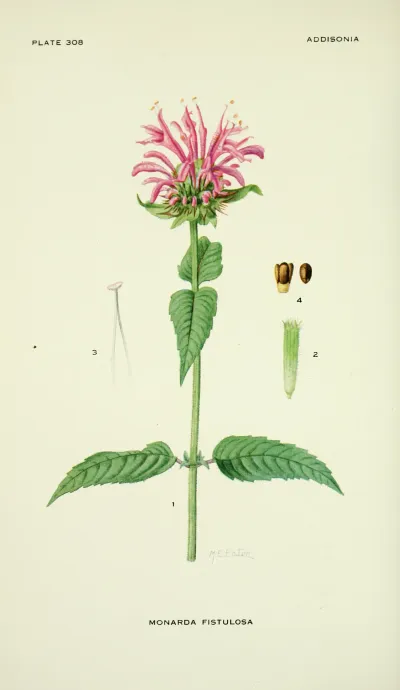
Wild bergamot1 of 3
Wild bergamot Monarda fistulosa
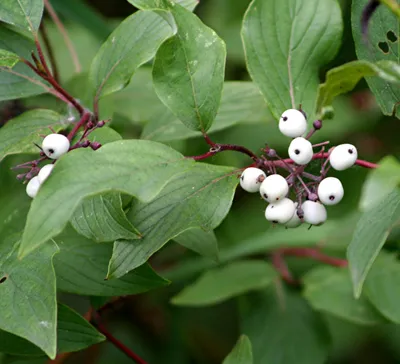
Red osier dogwood
Red osier dogwood Cornus sericea
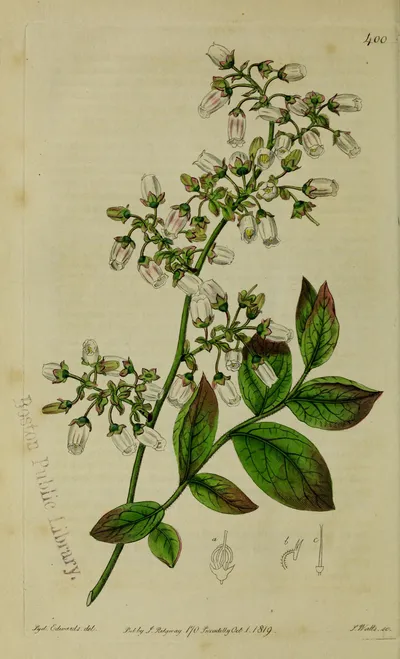
Northern highbush blueberry1 of 2
Northern highbush blueberry Vaccinium corymbosum
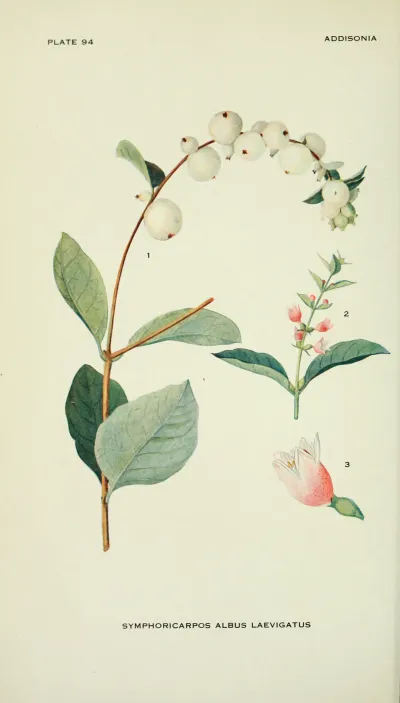
Common Snowberry1 of 2
Common Snowberry Symphoricarpos albus
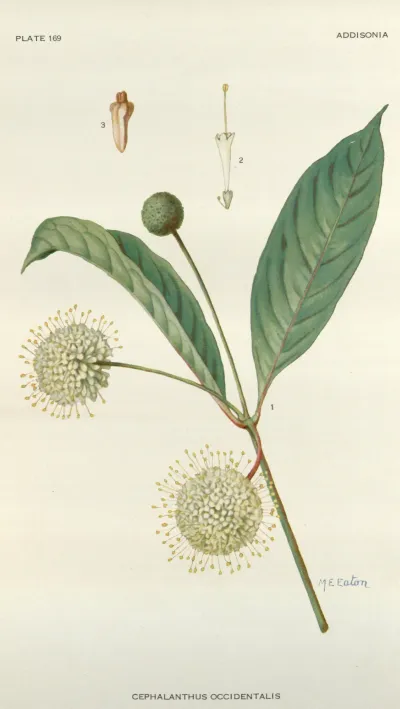
Buttonbush1 of 2
Buttonbush Cephalanthus occidentalis
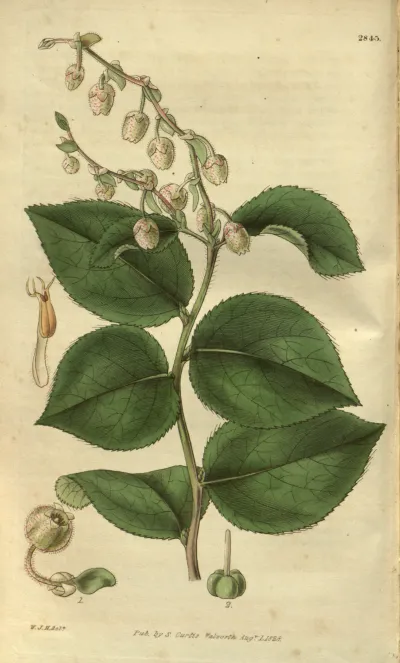
Salal1 of 2
Salal Gaultheria shallon
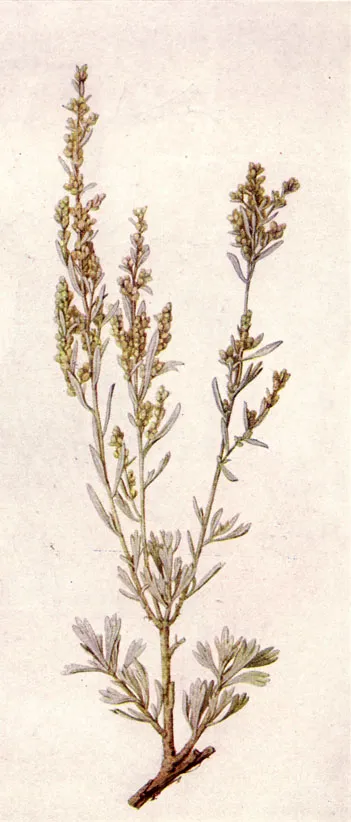
Big Sagebrush1 of 2
Big Sagebrush Artemisia tridentata
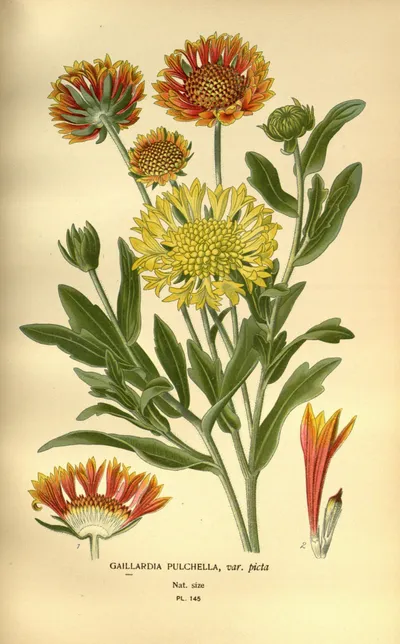
Firewheel1 of 3
Firewheel Gaillardia pulchella
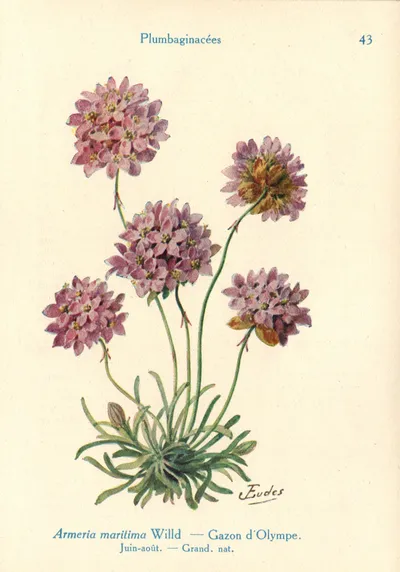
Sea Thrift1 of 2
Sea Thrift Armeria maritima
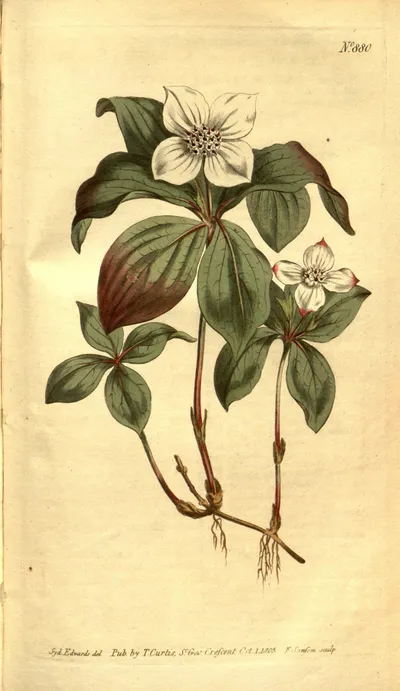
Canadian bunchberry1 of 2
Canadian bunchberry Cornus canadensis
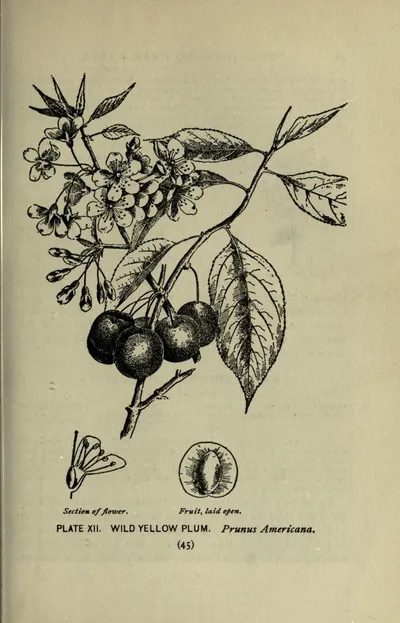
American plum1 of 2
American plum Prunus americana
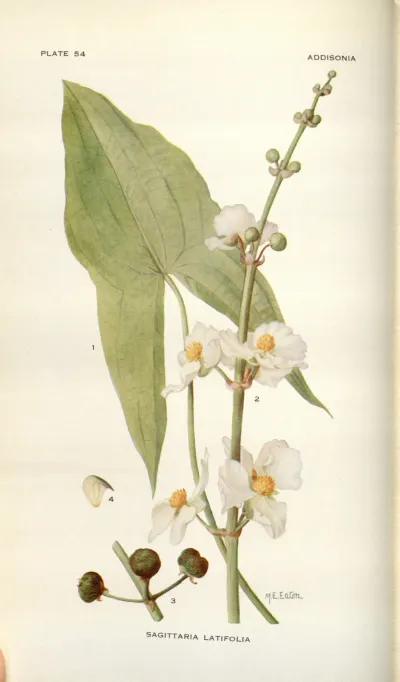
Broadleaf arrowhead1 of 2
Broadleaf arrowhead Sagittaria latifolia
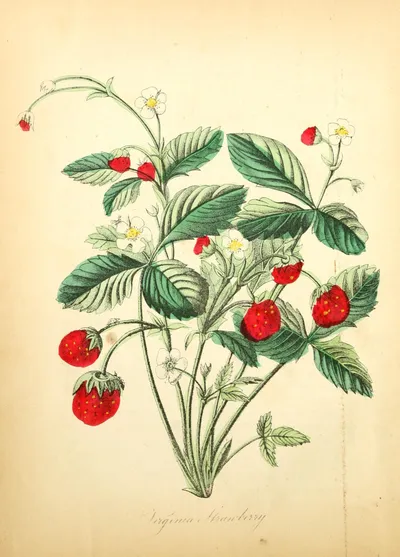
Virginia strawberry1 of 2
Virginia strawberry Fragaria virginiana
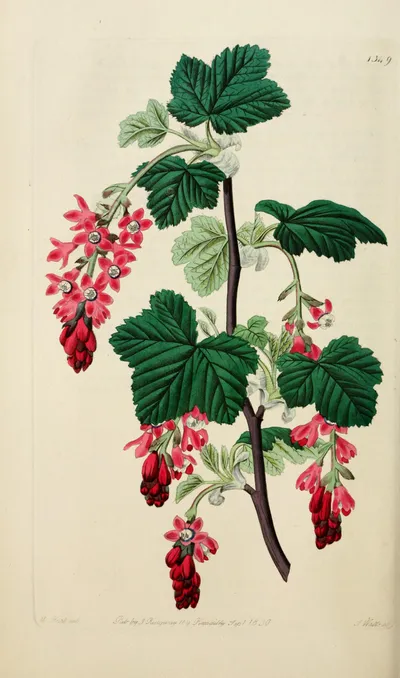
Red-flowering Currant1 of 2
Red-flowering Currant Ribes sanguineum
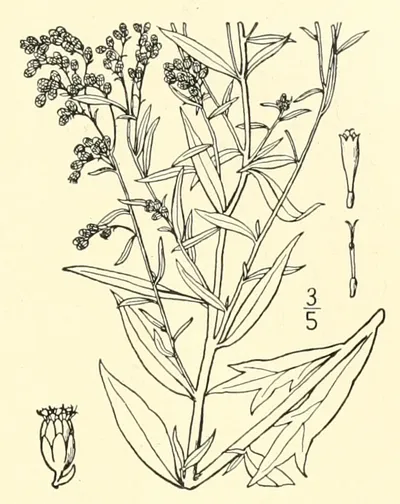
Silver Wormwood1 of 2
Silver Wormwood Artemisia ludoviciana
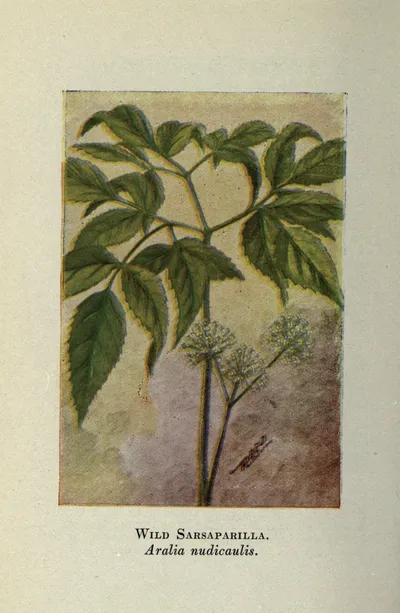
Wild sarsaparilla1 of 3
Wild sarsaparilla Aralia nudicaulis
California buckeye
California buckeye Aesculus californica
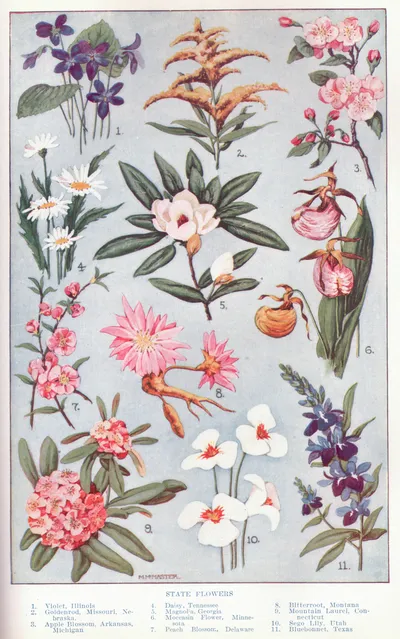
Bitterroot1 of 3
Bitterroot Lewisia rediviva
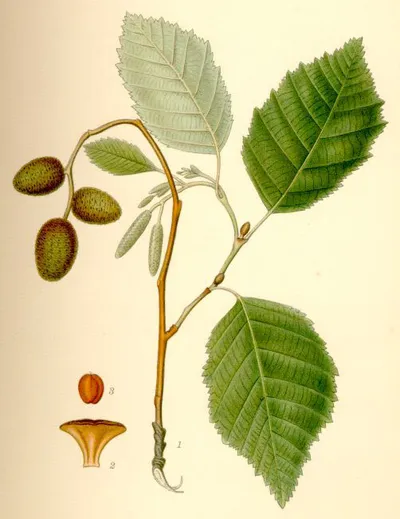
Grey alder1 of 2
Grey alder Alnus incana
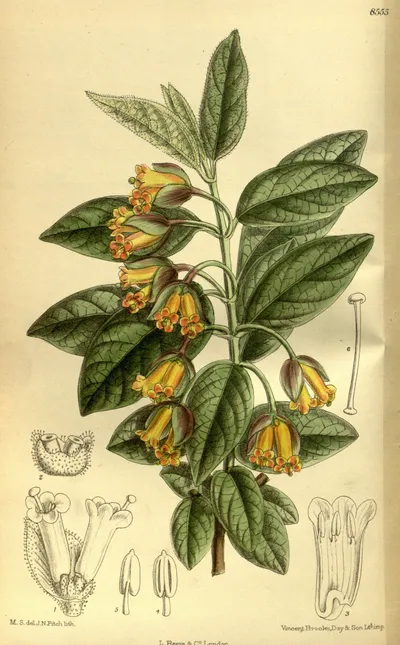
Twinberry honeysuckle1 of 2
Twinberry honeysuckle Lonicera involucrata
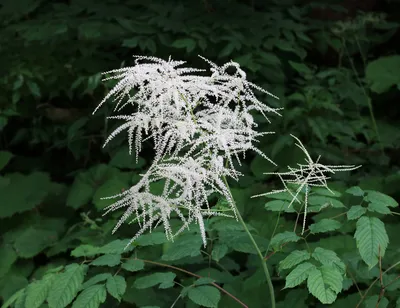
Goatsbeard
Goatsbeard Aruncus dioicus
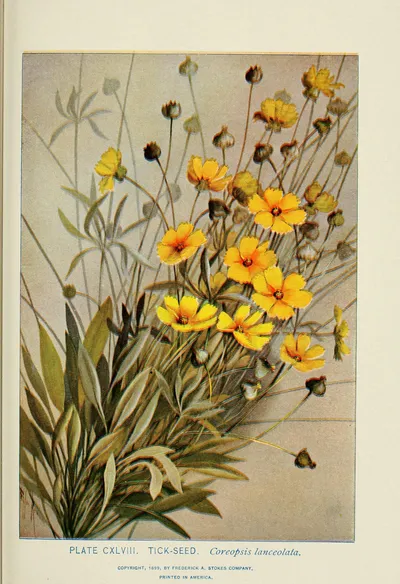
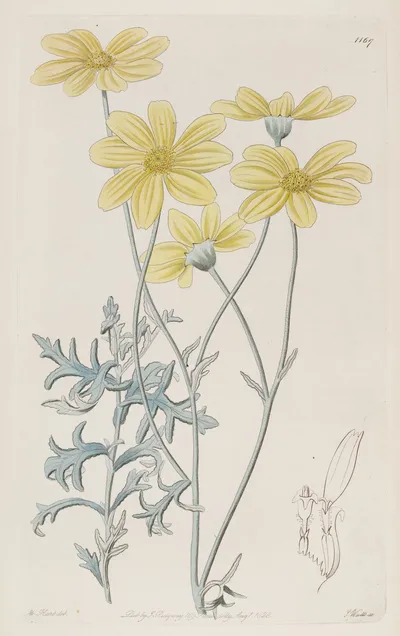
Lance-leaved Coreopsis1 of 3
Lance-leaved Coreopsis Coreopsis lanceolata
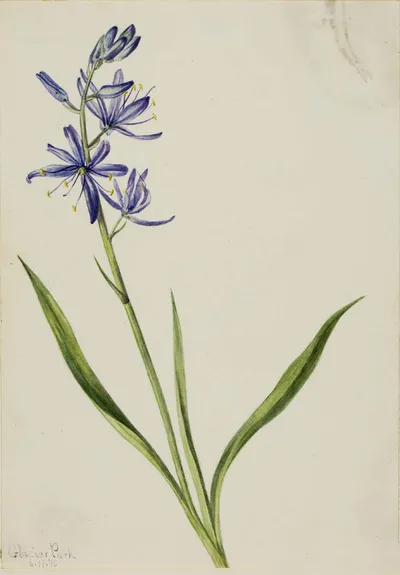
Small camas1 of 3
Small camas Camassia quamash
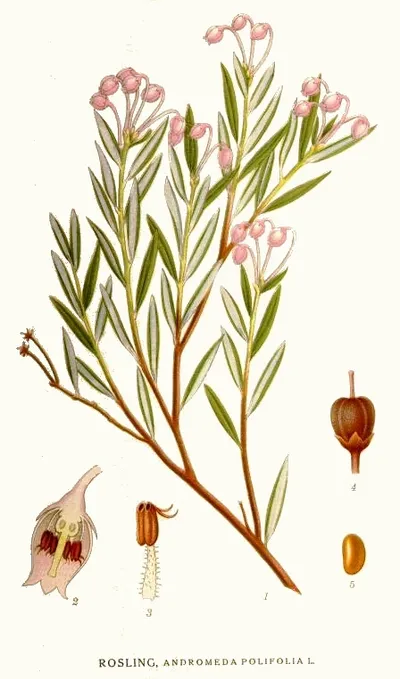
Wild Rosemary
Wild Rosemary Andromeda polifolia
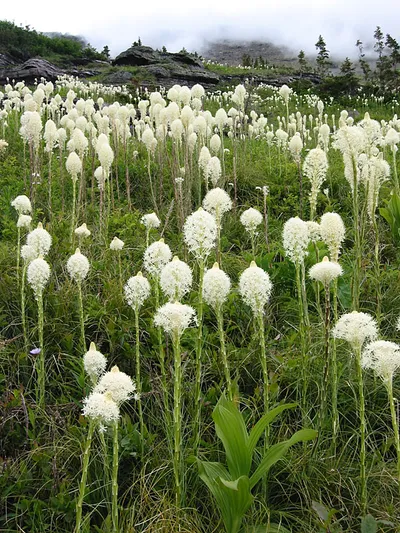
Common beargrass1 of 2
Common beargrass Xerophyllum tenax
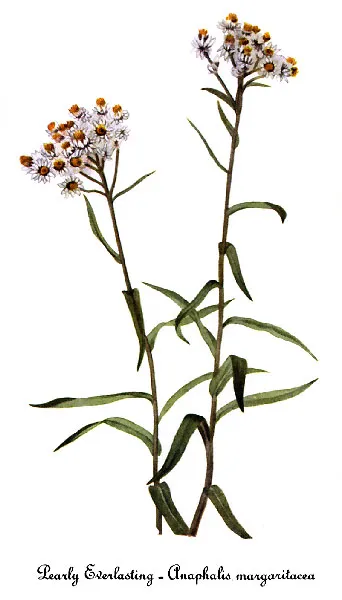
Pearly everlasting1 of 3
Pearly everlasting Anaphalis margaritacea
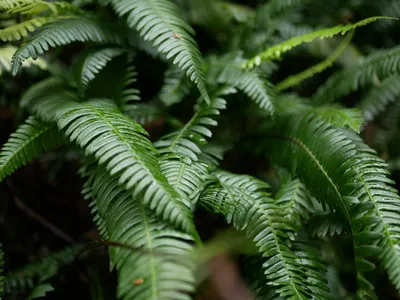
Western sword fern
Western sword fern Polystichum munitum
Evergreen Huckleberry1 of 2
Evergreen Huckleberry Vaccinium ovatum
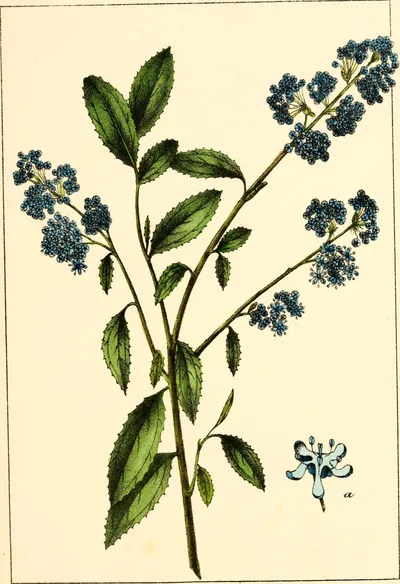
Blueblossom1 of 2
Blueblossom Ceanothus thyrsiflorus
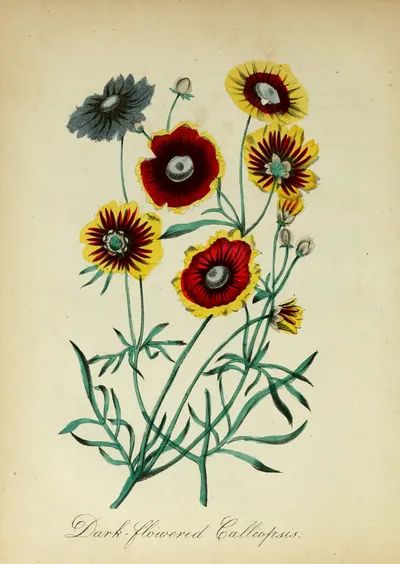
Plains coreopsis1 of 3
Plains coreopsis Coreopsis tinctoria
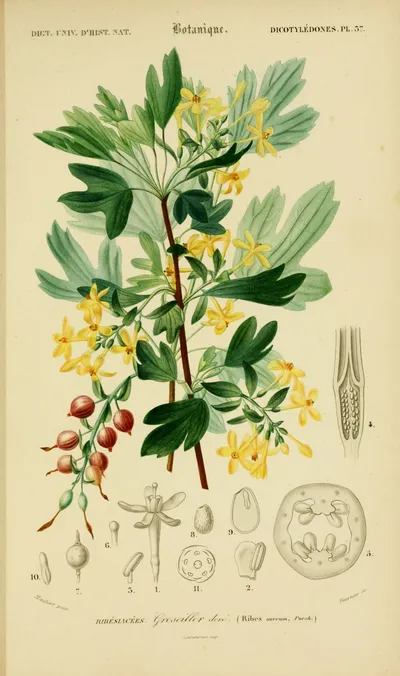
Golden currant1 of 3
Golden currant Ribes aureum
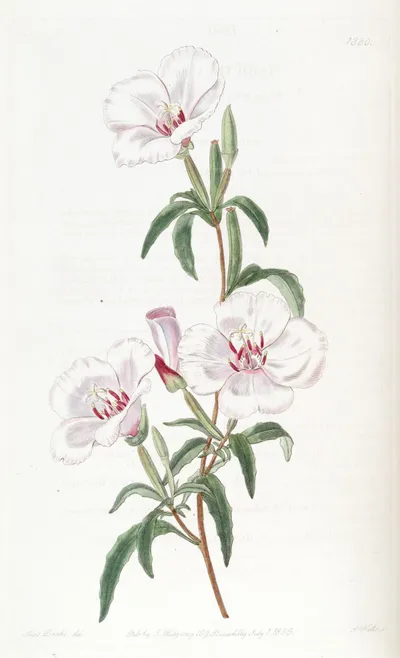
Farewell-To-Spring1 of 2
Farewell-To-Spring Clarkia amoena
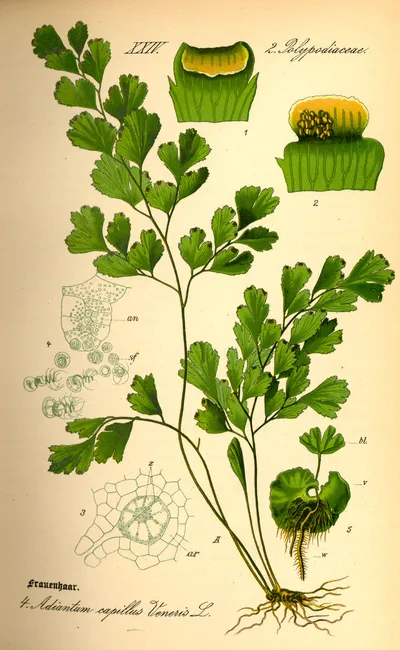
Common maidenhair
Common maidenhair Adiantum capillus-veneris
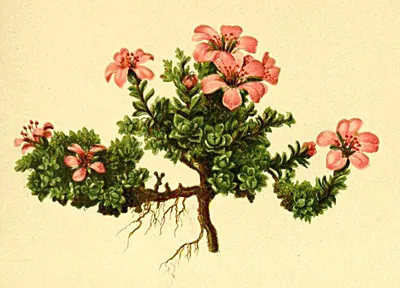
Purple Saxifrage1 of 2
Purple Saxifrage Saxifraga oppositifolia
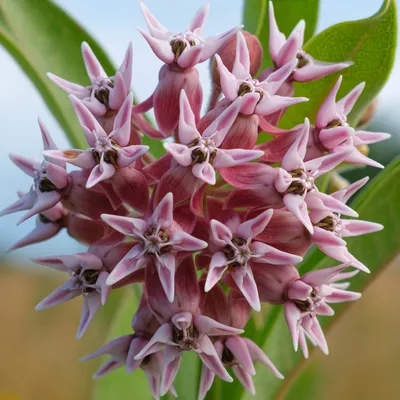
Showy milkweed1 of 2
Showy milkweed Asclepias speciosa
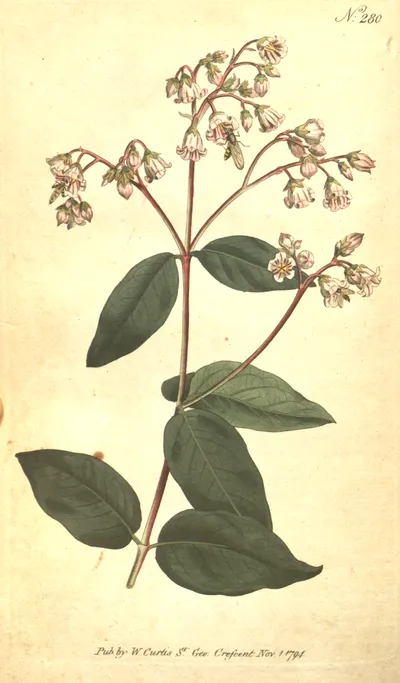
Spreading dogbane1 of 2
Spreading dogbane Apocynum androsaemifolium
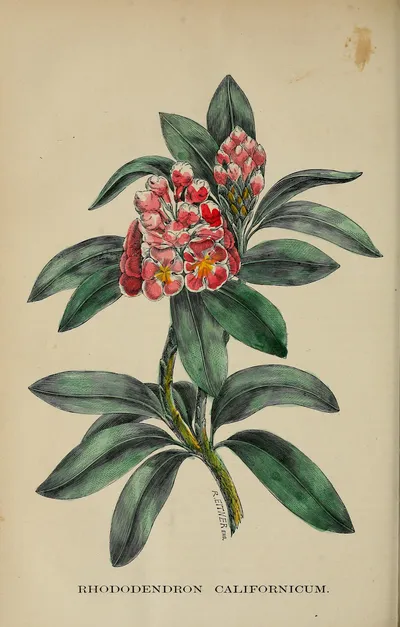
Pacific rhododendron1 of 2
Pacific rhododendron Rhododendron macrophyllum
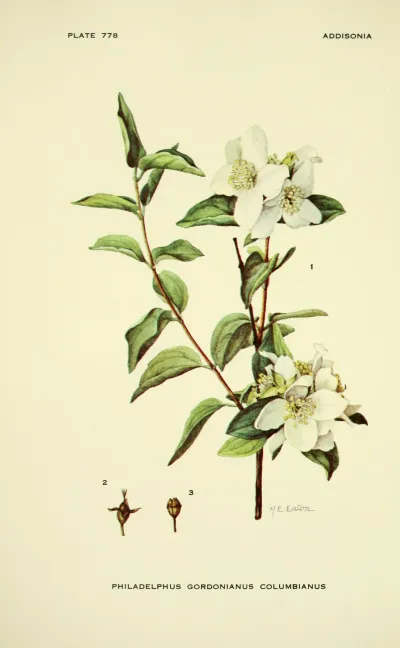
Lewis' mock orange1 of 3
Lewis' mock orange Philadelphus lewisii
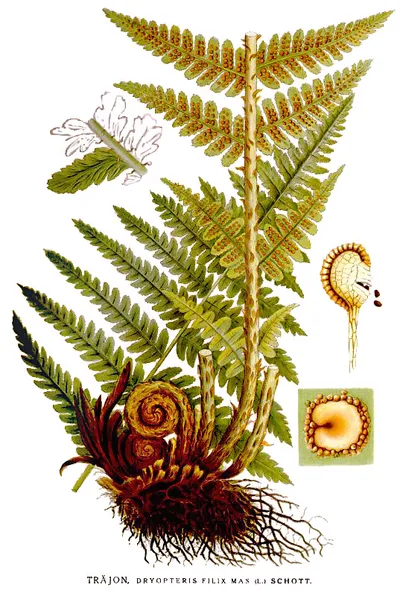
Male fern
Male fern Dryopteris filix-mas
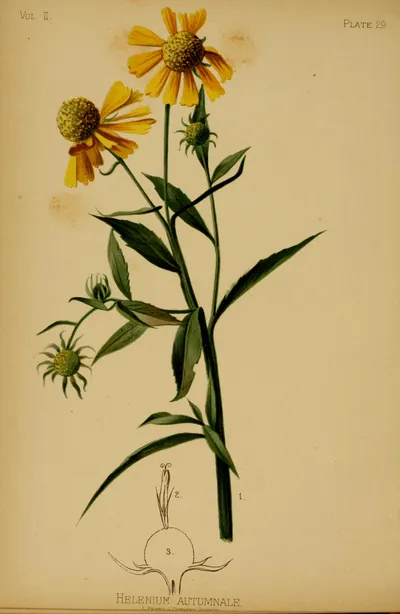
Common sneezeweed1 of 2
Common sneezeweed Helenium autumnale
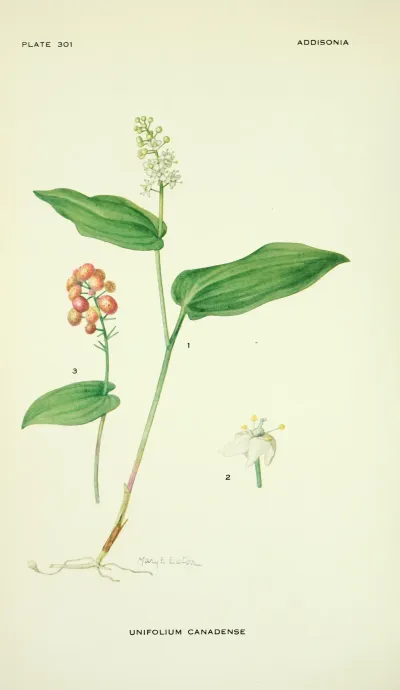
Canada mayflower1 of 2
Canada mayflower Maianthemum canadense
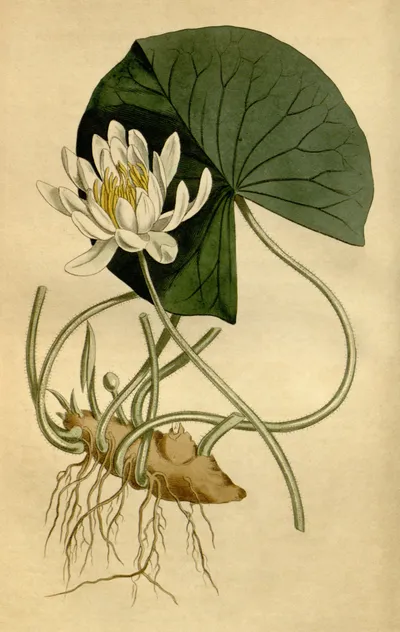
American white waterlily1 of 2
American white waterlily Nymphaea odorata
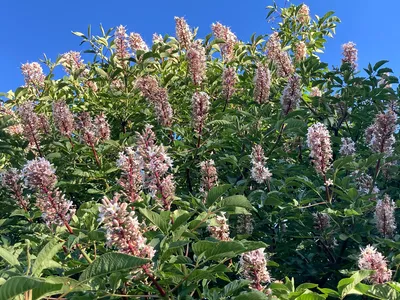
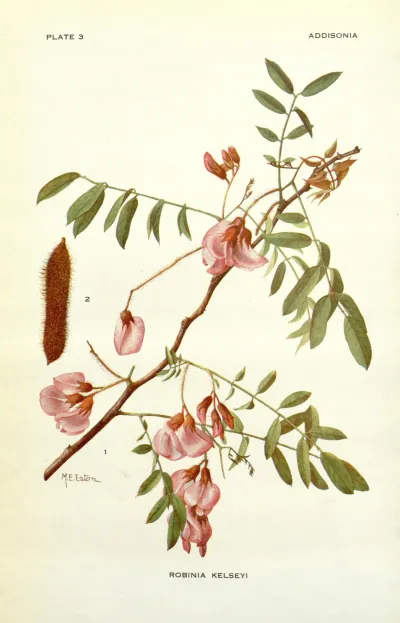
Bristly locust
Bristly locust Robinia hispida
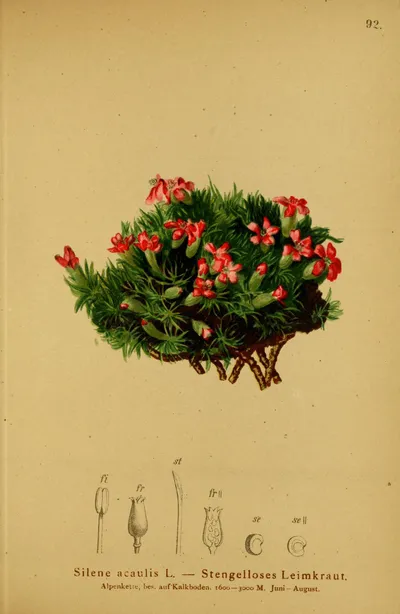
Moss Campion1 of 2
Moss Campion Silene acaulis
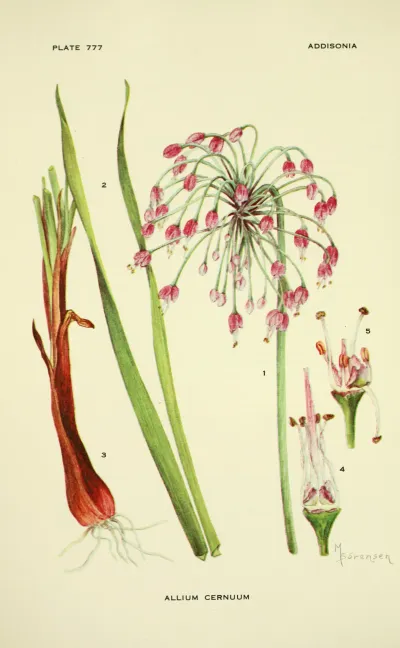
Nodding onion1 of 4
Nodding onion Allium cernuum
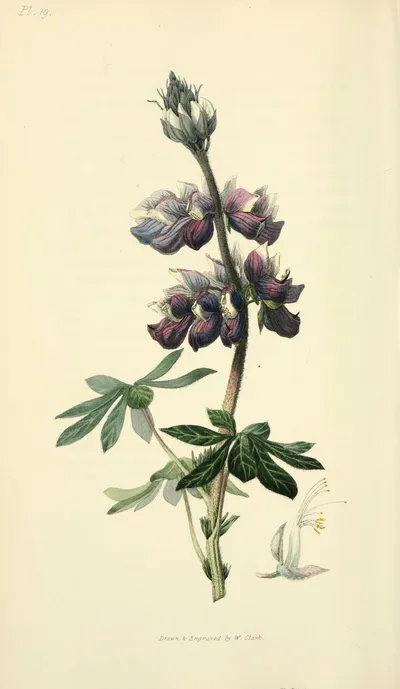
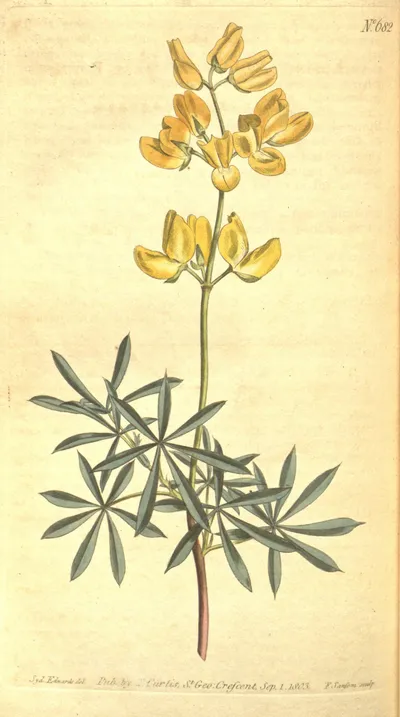
Nootka Lupine1 of 2
Nootka Lupine Lupinus nootkatensis
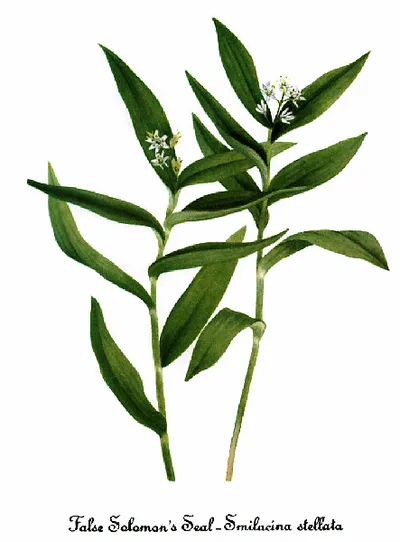
Star-flowered lily-of-the-valley1 of 3
Star-flowered lily-of-the-valley Maianthemum stellatum
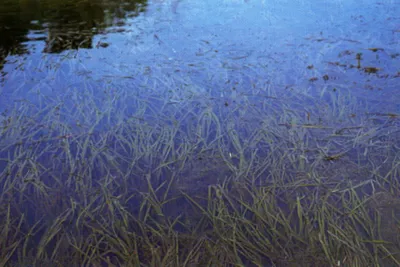
American eelgrass1 of 2
American eelgrass Vallisneria americana
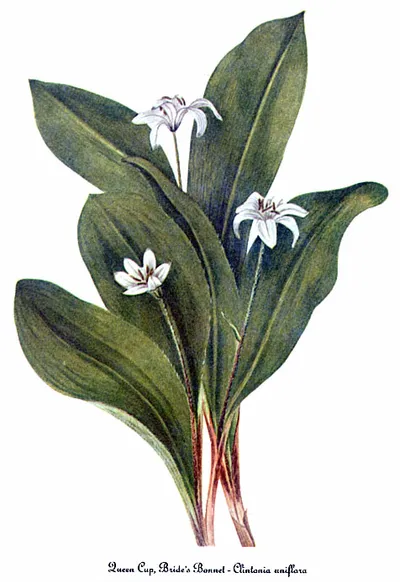
Bride's Bonnet1 of 2
Bride's Bonnet Clintonia uniflora
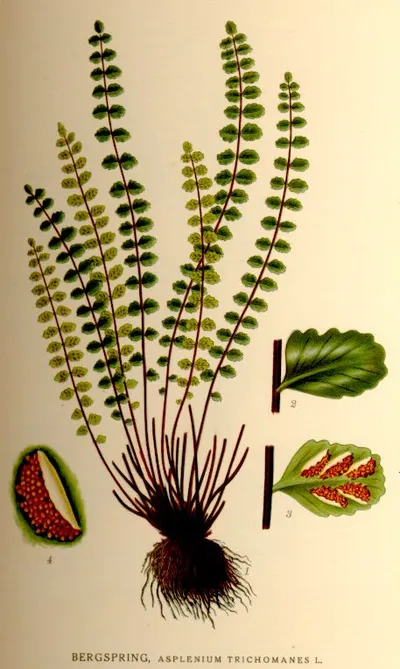
Maidenhair spleenwort
Maidenhair spleenwort Asplenium trichomanes
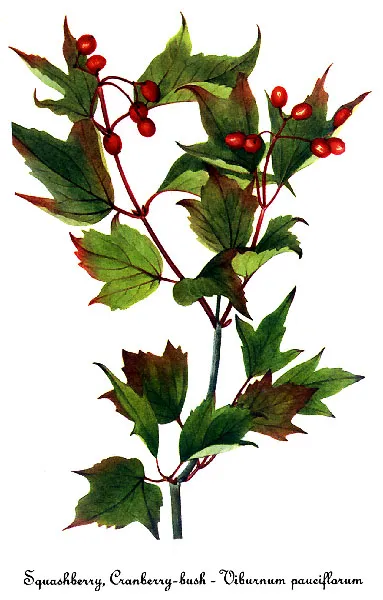
Squashberry1 of 2
Squashberry Viburnum edule
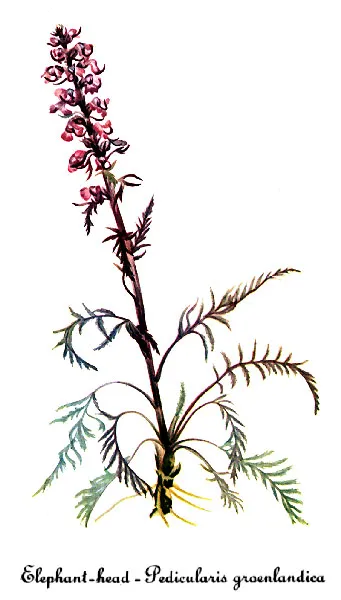
Elephant's-Head lousewort1 of 3
Elephant's-Head lousewort Pedicularis groenlandica
Western Wild Ginger
Western Wild Ginger Asarum caudatum
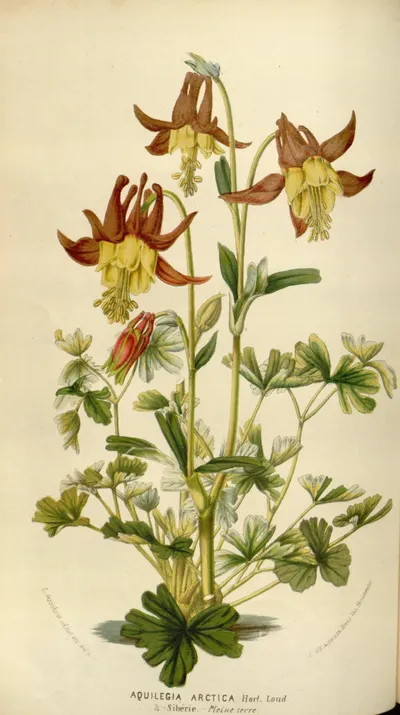
Western columbine1 of 3
Western columbine Aquilegia formosa
Coastal bush lupine1 of 2
Coastal bush lupine Lupinus arboreus
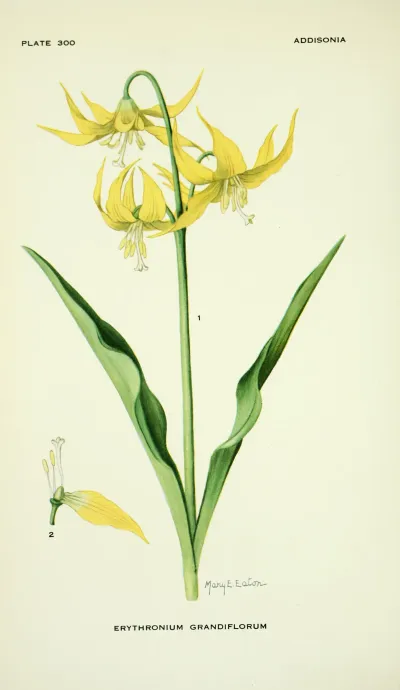
Glacier Lily1 of 2
Glacier Lily Erythronium grandiflorum
Common woolly sunflower1 of 2
Common woolly sunflower Eriophyllum lanatum
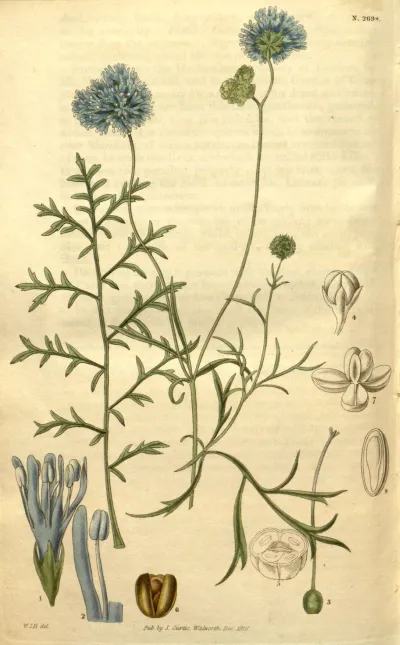
Bluehead gilia1 of 2
Bluehead gilia Gilia capitata
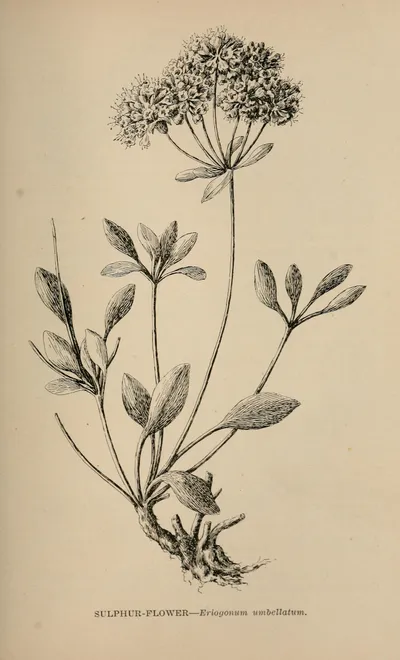
Sulfur buckwheat1 of 2
Sulfur buckwheat Eriogonum umbellatum
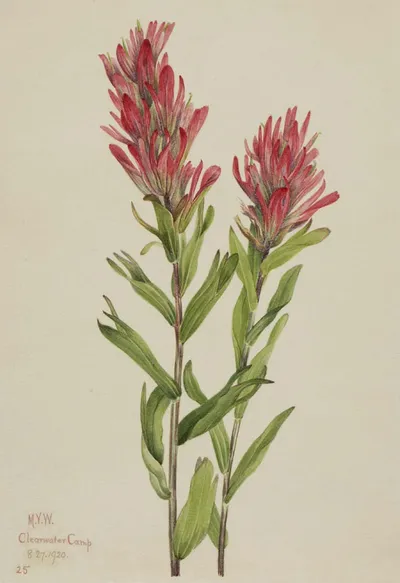
Giant red paintbrush1 of 3
Giant red paintbrush Castilleja miniata
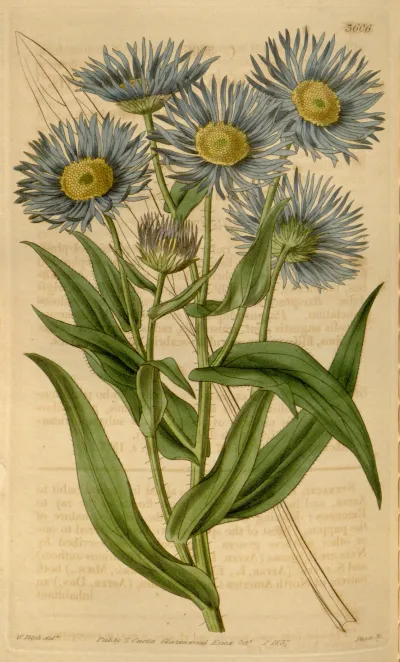
Aspen fleabane1 of 2
Aspen fleabane Erigeron speciosus
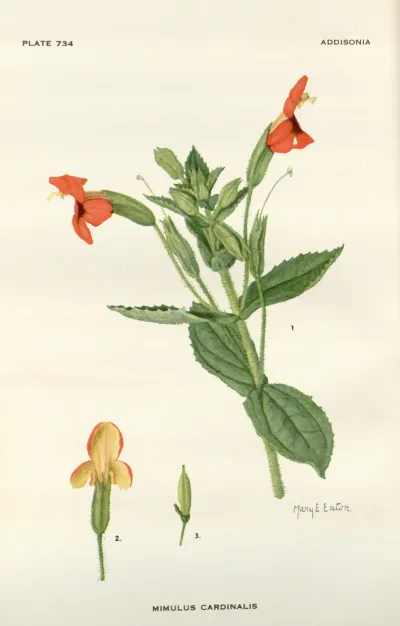
Scarlet monkeyflower1 of 2
Scarlet monkeyflower Erythranthe cardinalis
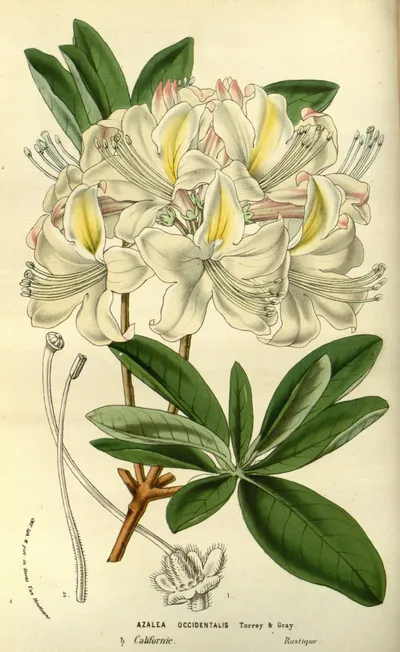
Western azalea1 of 3
Western azalea Rhododendron occidentale
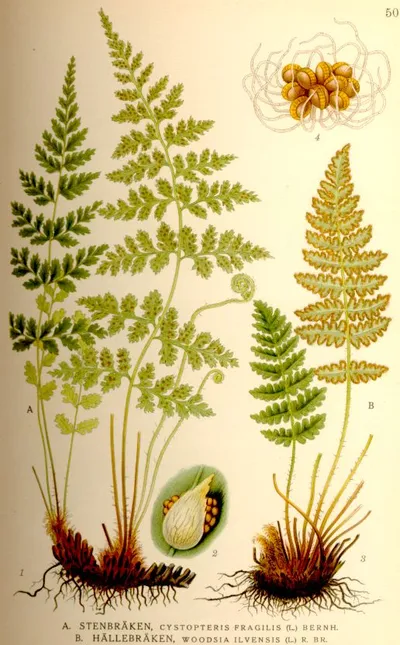
Cystopteris fragilis complex1 of 2
Cystopteris fragilis complex Cystopteris fragilis
Giant chain fern
Giant chain fern Woodwardia fimbriata
Northern oak fern1 of 2
Northern oak fern Gymnocarpium dryopteris
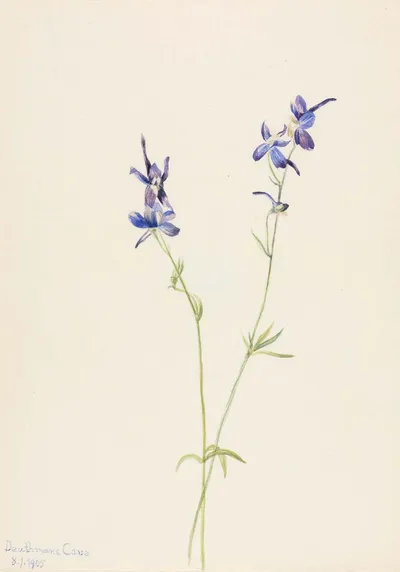
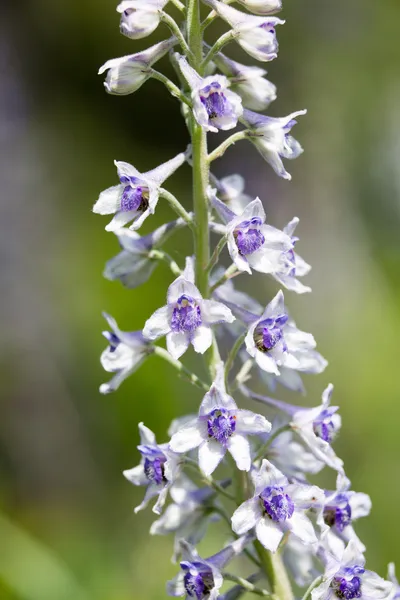
Upland larkspur1 of 2
Upland larkspur Delphinium nuttallianum
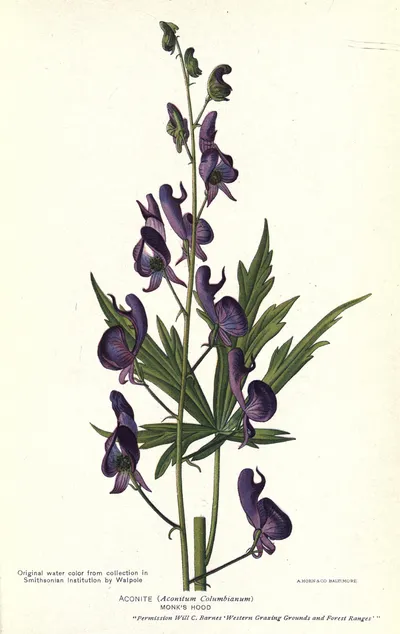
Columbian Monkshood1 of 2
Columbian Monkshood Aconitum columbianum
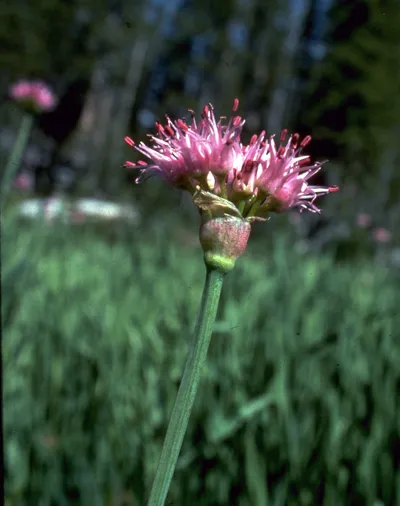
Swamp Onion
Swamp Onion Allium validum
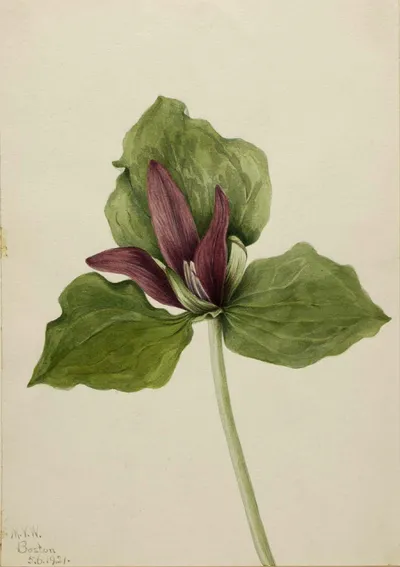
Giant wakerobin1 of 2
Giant wakerobin Trillium chloropetalum
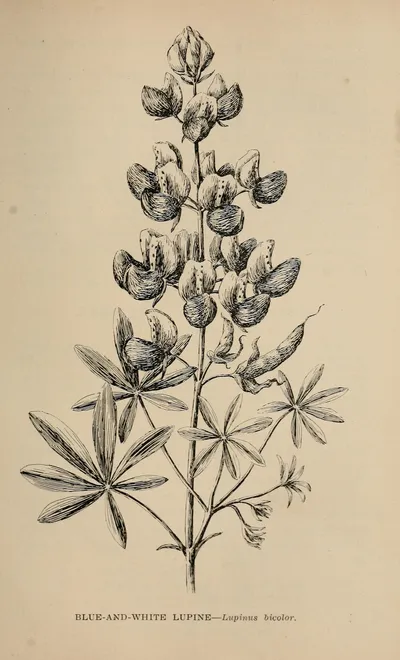
Miniature Lupine1 of 2
Miniature Lupine Lupinus bicolor
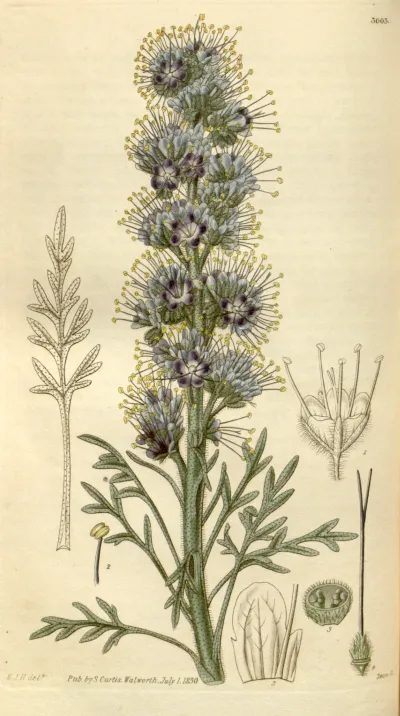
Silky Phacelia1 of 2
Silky Phacelia Phacelia sericea
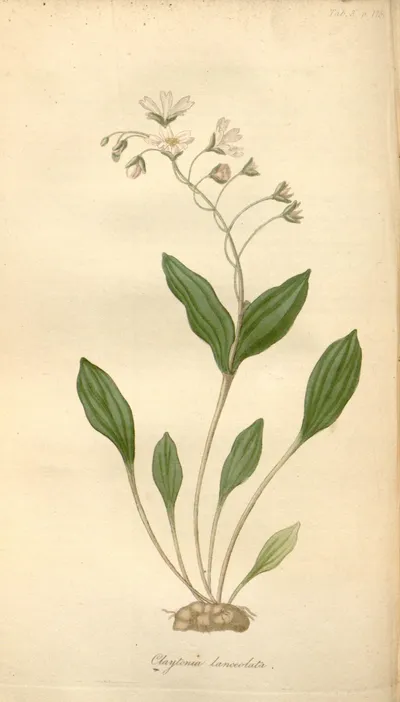
Lanceleaf Springbeauty1 of 2
Lanceleaf Springbeauty Claytonia lanceolata
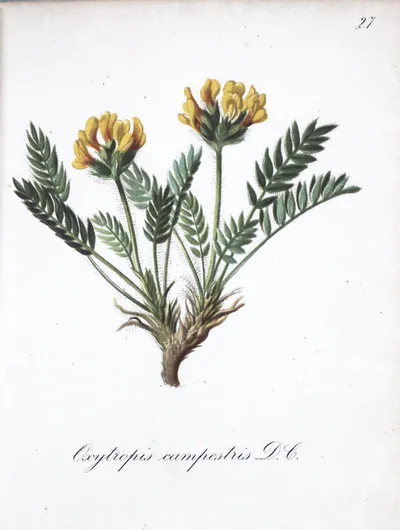
Field locoweed1 of 3
Field locoweed Oxytropis campestris
Sierra larkspur1 of 2
Sierra larkspur Delphinium glaucum
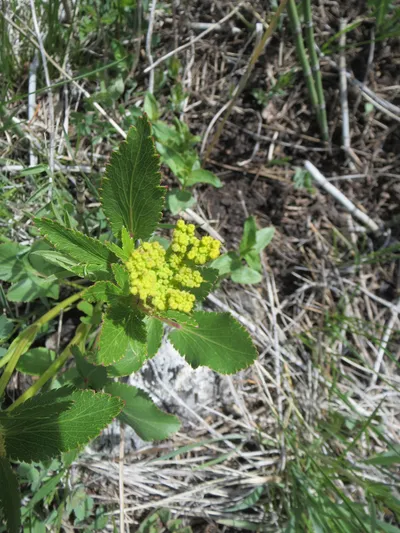
Heart-leaf golden Alexanders
Heart-leaf golden Alexanders Zizia aptera
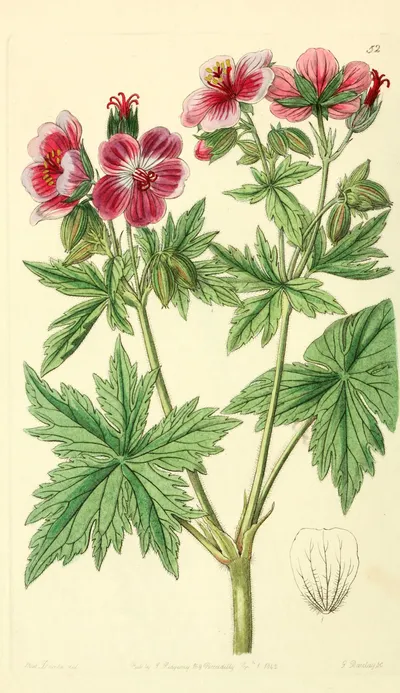
Woolly cranesbill1 of 2
Woolly cranesbill Geranium erianthum
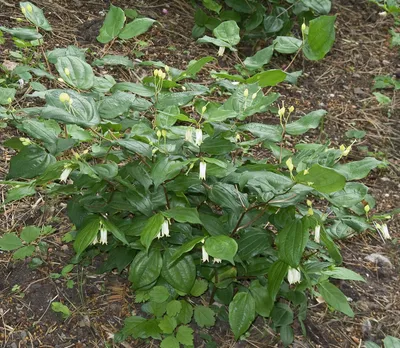
Largeflower fairybells1 of 2
Largeflower fairybells Prosartes smithii
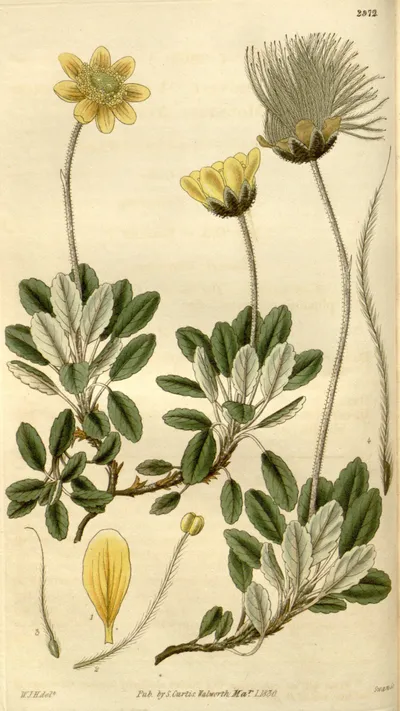
Yellow Mountain-avens1 of 2
Yellow Mountain-avens Dryas drummondii
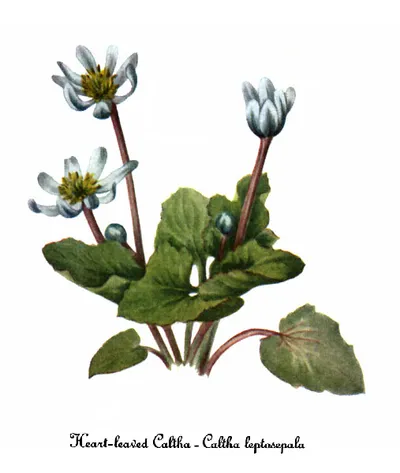
White marsh marigold1 of 2
White marsh marigold Caltha leptosepala
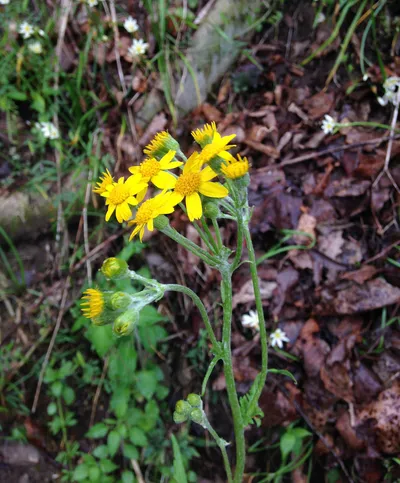
Balsam ragwort
Balsam ragwort Packera paupercula
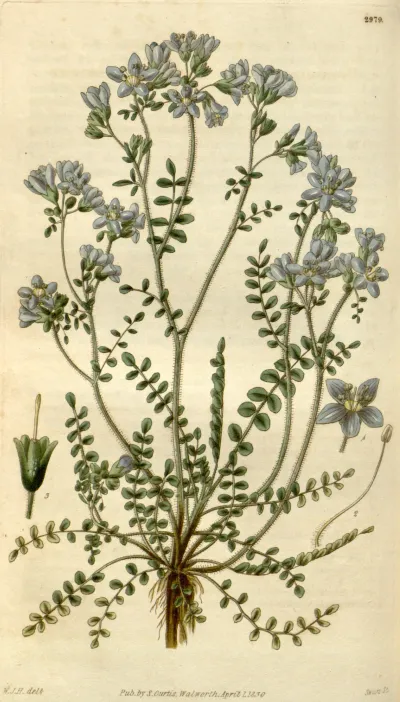
Pretty Jacob's-ladder1 of 2
Pretty Jacob's-ladder Polemonium pulcherrimum
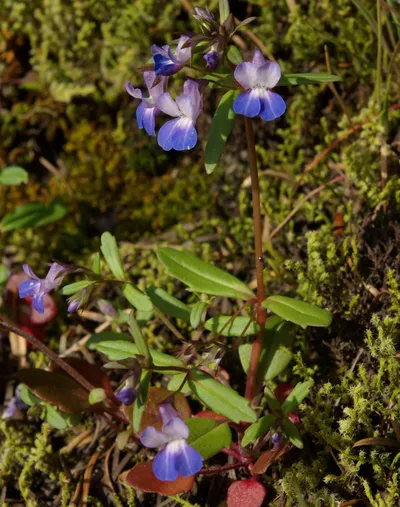
Giant Blue-eyed Mary
Giant Blue-eyed Mary Collinsia grandiflora
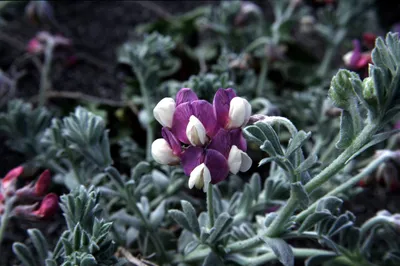
Silky beach pea
Silky beach pea Lathyrus littoralis
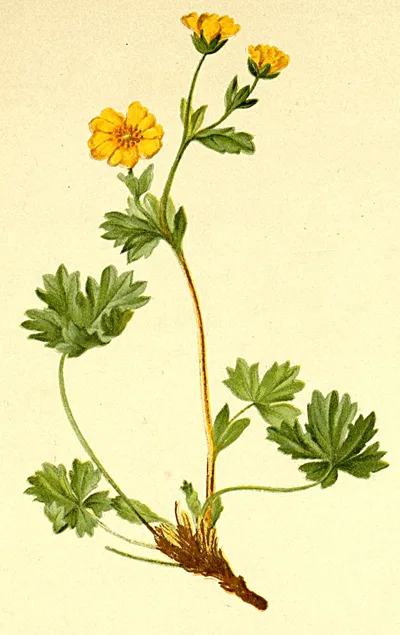
Northern Cinquefoil1 of 2
Northern Cinquefoil Potentilla villosa
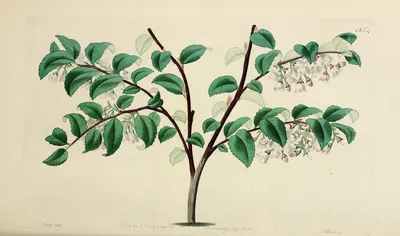
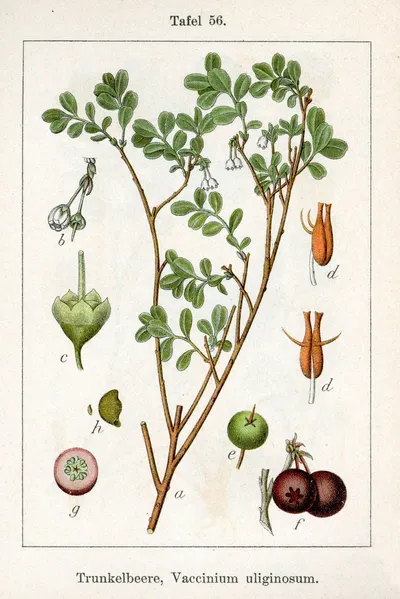
Bog bilberry1 of 2
Bog bilberry Vaccinium uliginosum
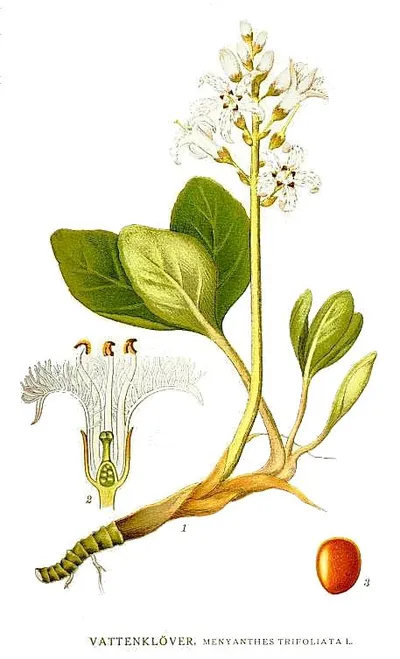
Bogbean1 of 3
Bogbean Menyanthes trifoliata
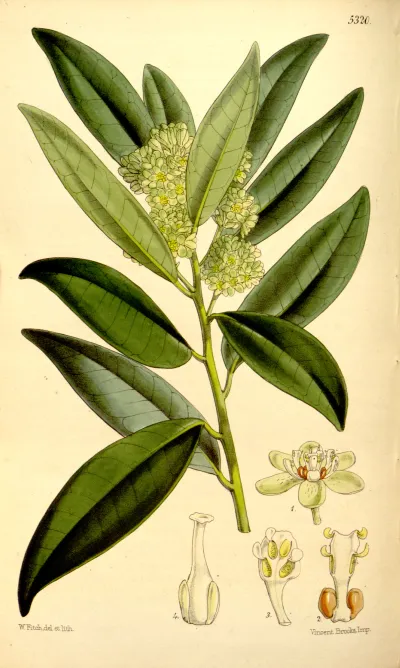
California bay
California bay Umbellularia californica
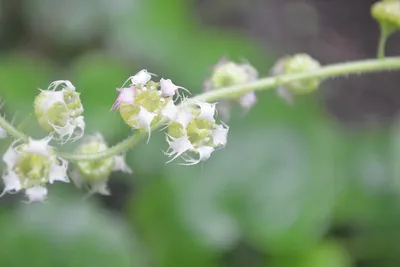
Fringe cups1 of 3
Fringe cups Tellima grandiflora
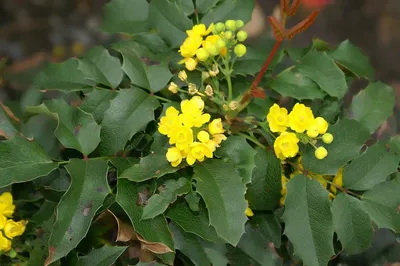
Hollyleaved barberry
Hollyleaved barberry Mahonia aquifolium
Larkspurleaf Monkshood1 of 2
Larkspurleaf Monkshood Aconitum delphiniifolium
Twinflower1 of 2
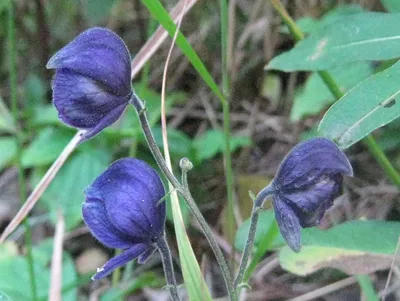
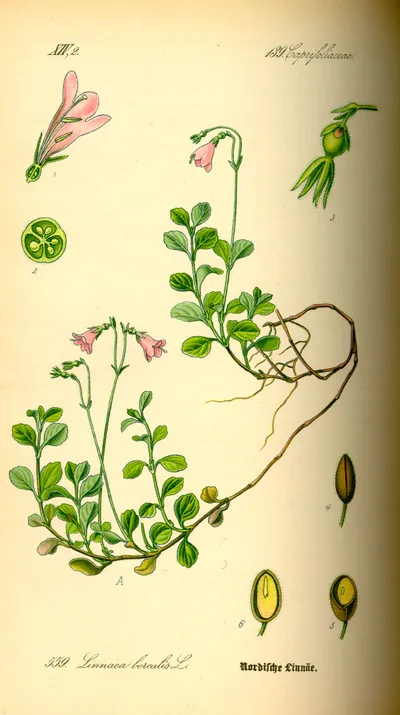
Twinflower Linnaea borealis

Why plant natives

Native plants evolved with the local insects, birds, and soils, so once established they need little water, no fertilizer, and no coddling, while providing the nectar, pollen, seeds, and host foliage that non-native ornamentals cannot. A native bed is lower-maintenance and higher-value for wildlife than a conventional one.

Starting a native garden

Start by matching plant to place: note how much sun each spot gets and whether the soil runs dry, moist, or wet, then choose species whose needs match; the filters above sort by exactly these. Buy nursery-propagated, local-genotype plants rather than wild-collected stock, plant in groups of three or more so pollinators can find them, and mulch lightly the first year while roots establish.

Keep it blooming

The species here bloom from March through October. Pick at least one plant for each part of that window (spring, summer, and fall) so something is always in flower and pollinators always have forage.

Frequently asked

What does Canadian hardiness zone 8 mean?
Canadian hardiness zone 8 is a Natural Resources Canada hardiness rating that combines winter minimums with season length, summer heat, rainfall, and wind. A plant rated to that zone or lower should thrive there.
How many native plants are hardy in Canadian hardiness zone 8?
This guide lists 99 native plants hardy in Canadian hardiness zone 8.
When do these bloom?
Bloom runs from March through October across the set.
Do I need my exact zone or is close enough?
Match or go colder: a plant hardy to a colder zone than yours is safe. One hardy only to a warmer zone risks winter kill.

Resources