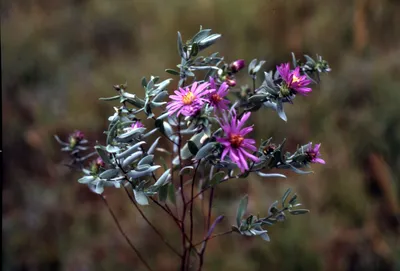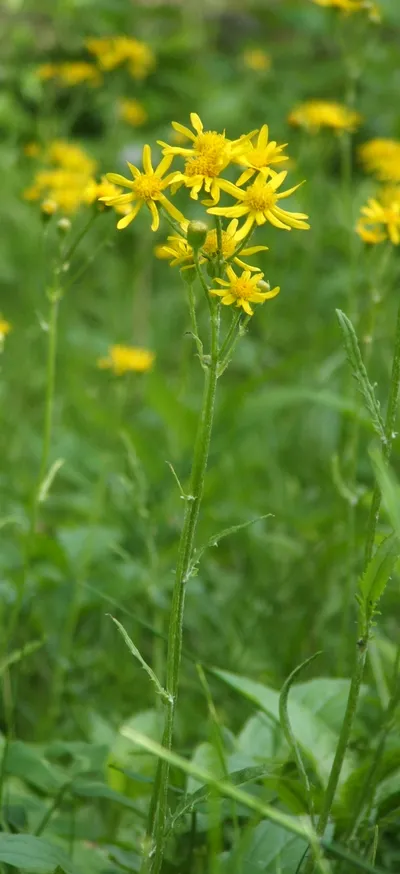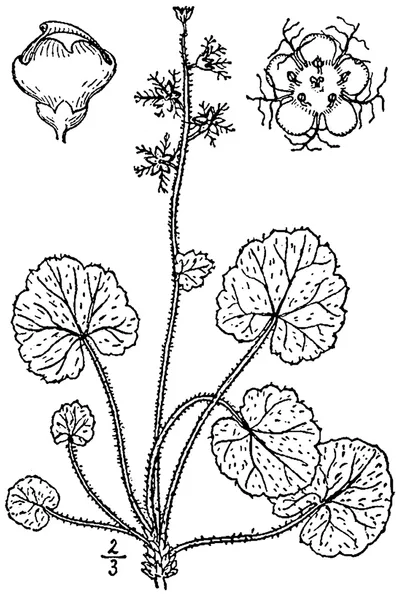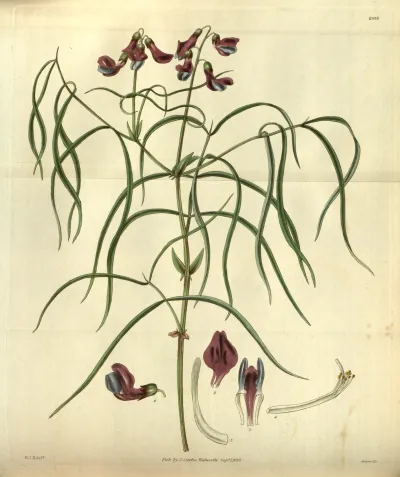
Wildflower Archive
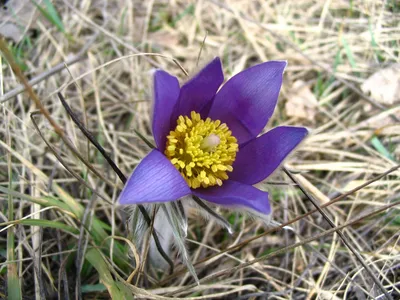
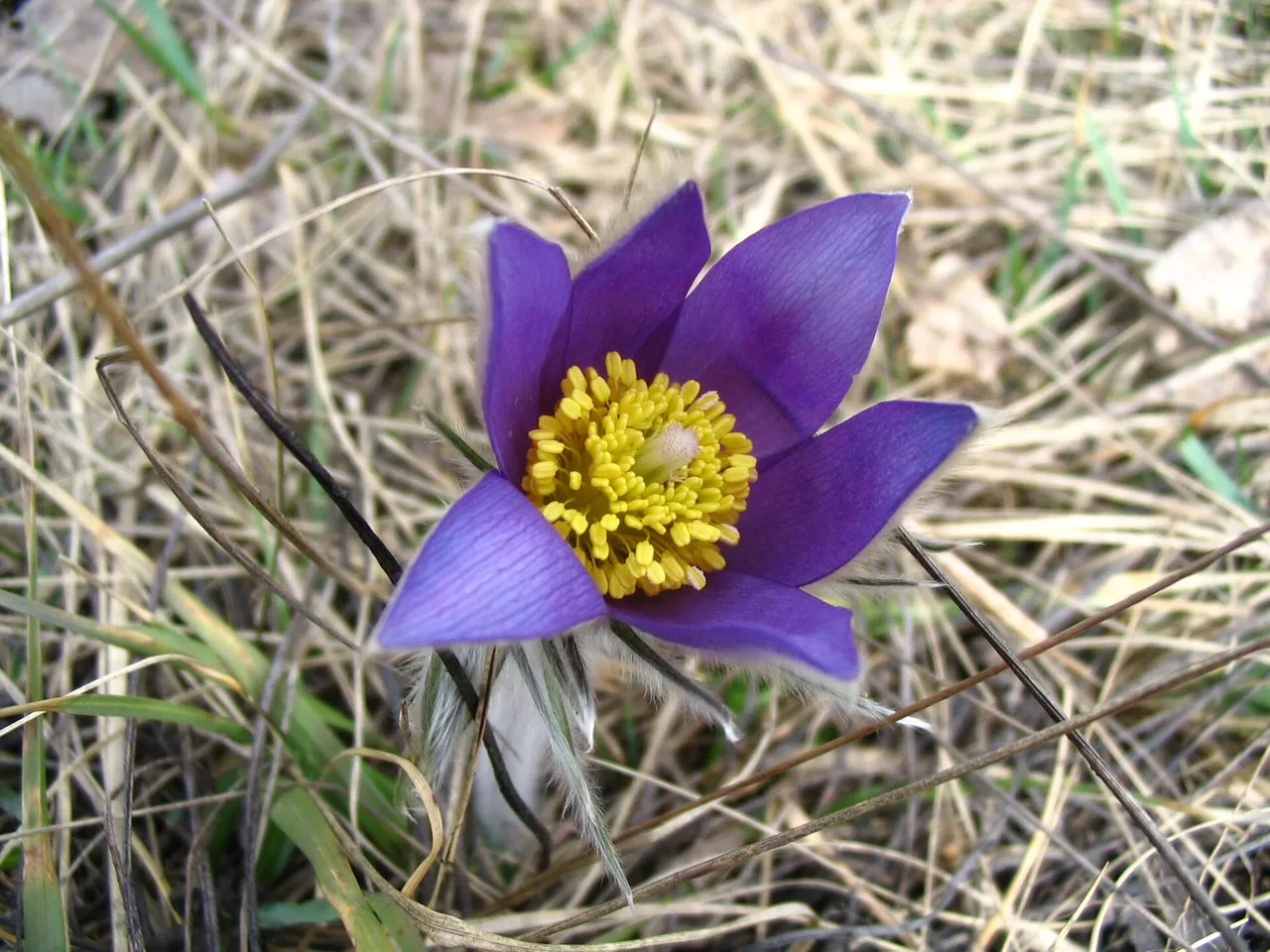
Pasque flower / prairie crocus (Pulsatilla patens)
Flower of ManitobaPasque flower / prairie crocus

Native plants for Manitoba

100 native plants grow wild in Manitoba, each shown in historical botanical art or a photograph. They bloom from April through October, and 96 have documented pollinator visitors. Gardens across the province fall roughly in Canadian hardiness zones 2b–4a. Choosing plants native to Manitoba means they are adapted to the local climate and soils and support the region's bees, butterflies, and birds.

Native species featured
100
Canadian hardiness
Zones 2b–4a
Bloom season
April–October
Light
78 sun · 70 part shade · 54 shade
Soil moisture
46 dry · 71 moist · 17 wet
Habitats
woodland (53) · prairie (27) · wetland (20)
Documented pollinator plants
96 (up to 566 visitor species each)

Explore the plants

100 plants
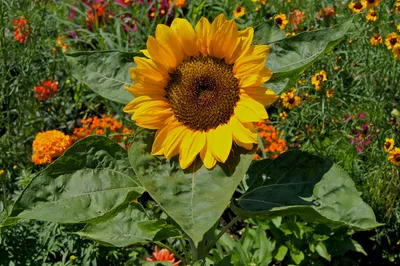
Common Sunflower1 of 2
Common Sunflower Helianthus annuus
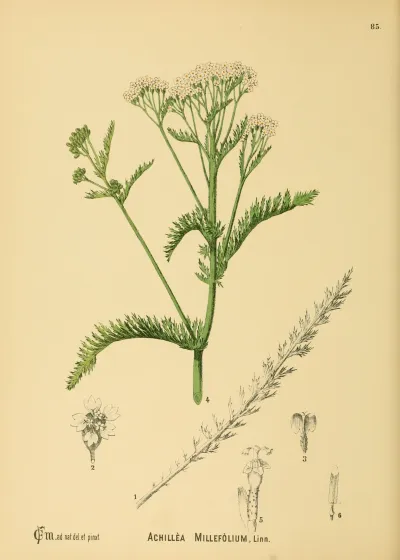
Common yarrow complex1 of 2
Common yarrow complex Achillea millefolium
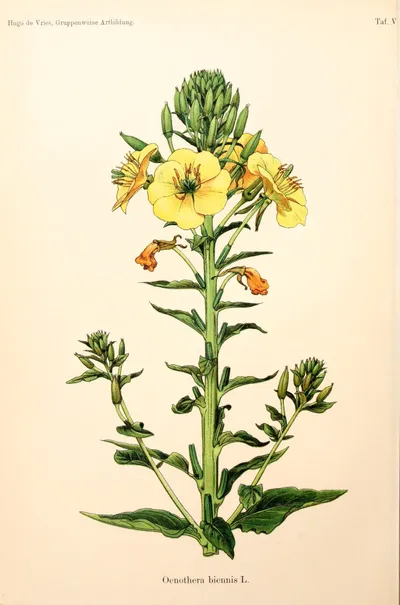
Common evening-primrose1 of 3
Common evening-primrose Oenothera biennis
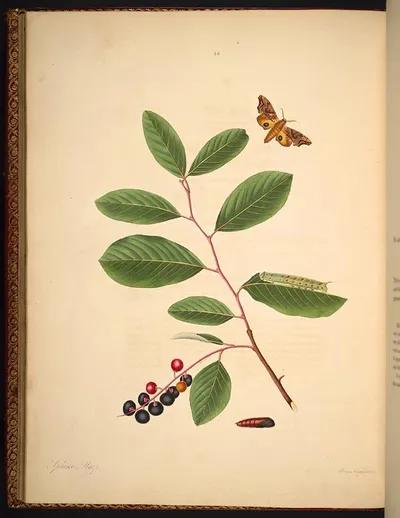
Chokecherry
Chokecherry Prunus virginiana
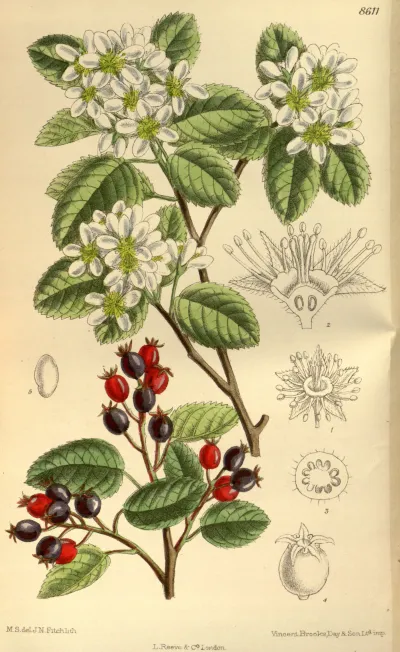
Saskatoon1 of 2
Saskatoon Amelanchier alnifolia
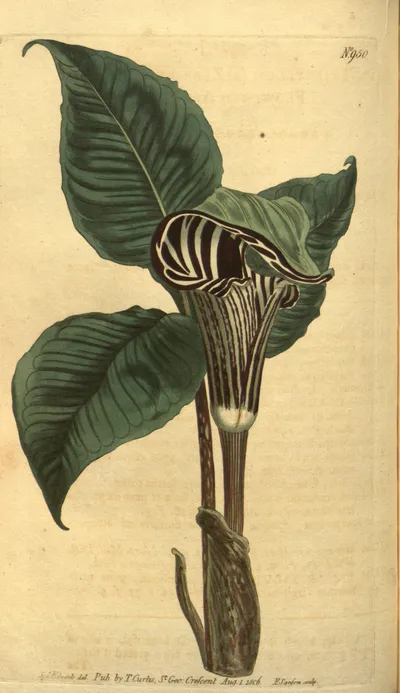
Jack-in-the-Pulpits1 of 3
Jack-in-the-Pulpits Arisaema triphyllum
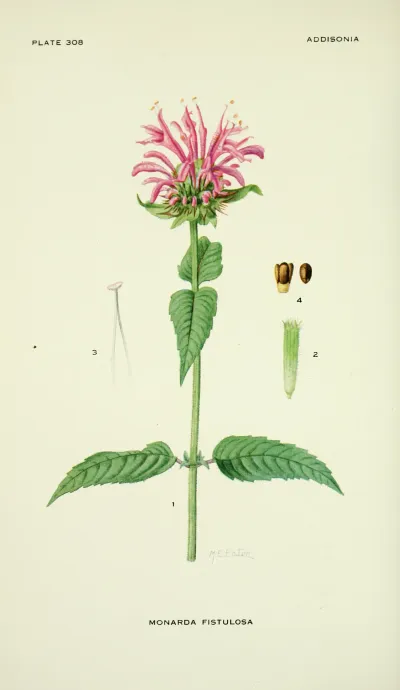
Wild bergamot1 of 3
Wild bergamot Monarda fistulosa
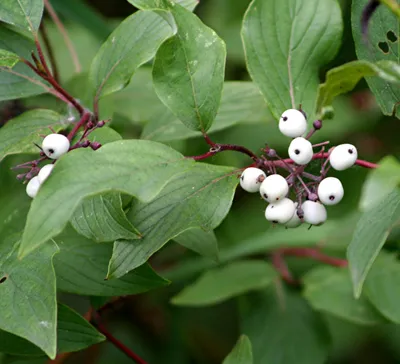
Red osier dogwood
Red osier dogwood Cornus sericea
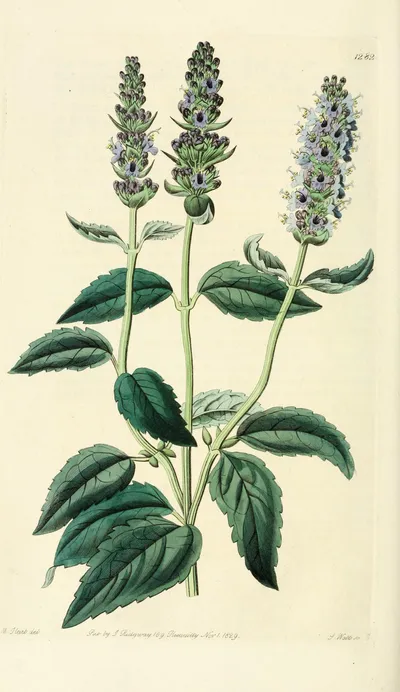
Anise hyssop1 of 3
Anise hyssop Agastache foeniculum
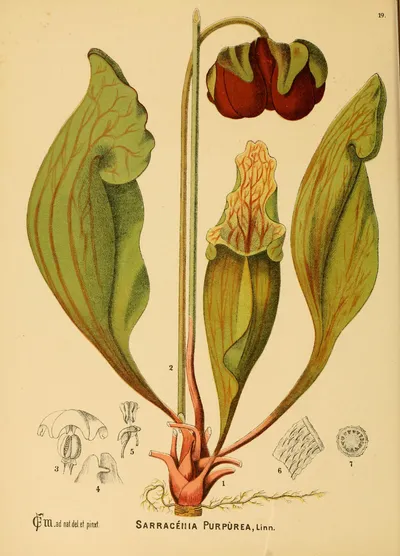
Purple pitcher plant1 of 2
Purple pitcher plant Sarracenia purpurea
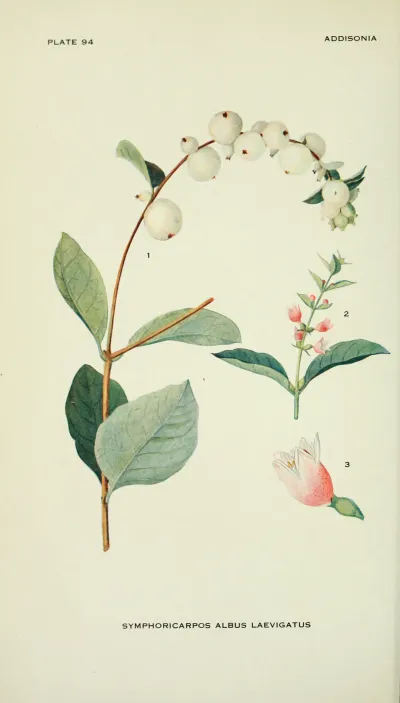
Common Snowberry1 of 2
Common Snowberry Symphoricarpos albus
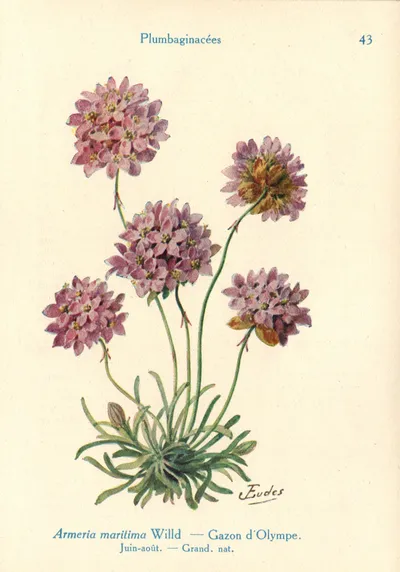
Sea Thrift1 of 2
Sea Thrift Armeria maritima
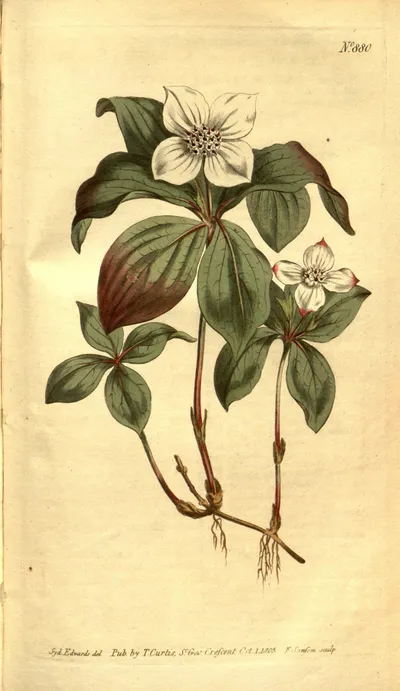
Canadian bunchberry1 of 2
Canadian bunchberry Cornus canadensis
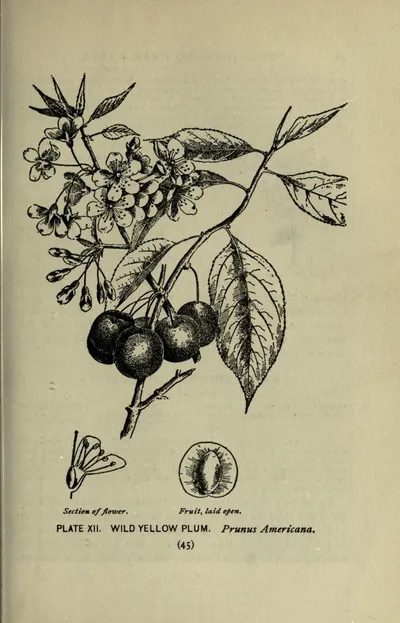
American plum1 of 2
American plum Prunus americana
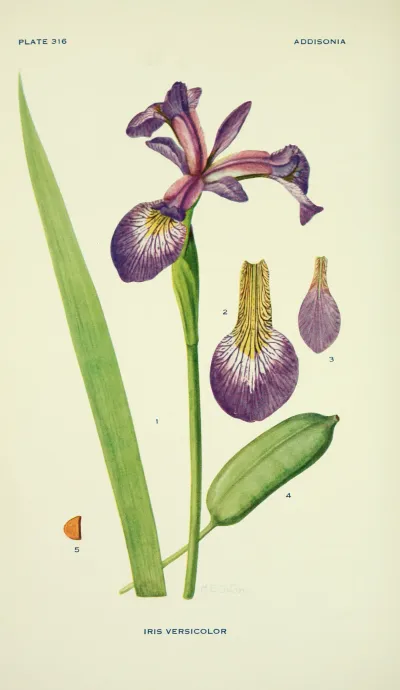
Northern blue flag1 of 2
Northern blue flag Iris versicolor
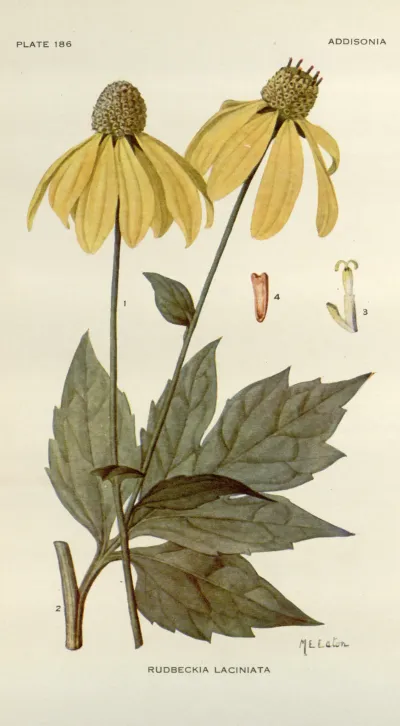
Cutleaf coneflower1 of 3
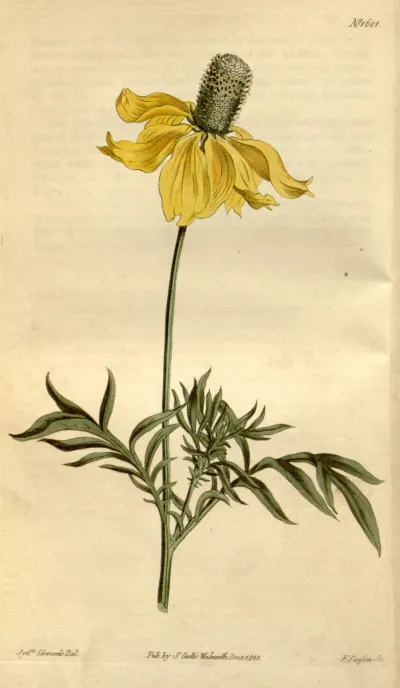
Cutleaf coneflower Rudbeckia laciniata
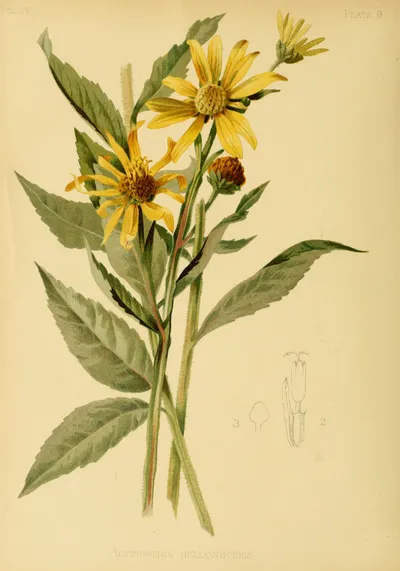
False sunflower1 of 3
False sunflower Heliopsis helianthoides
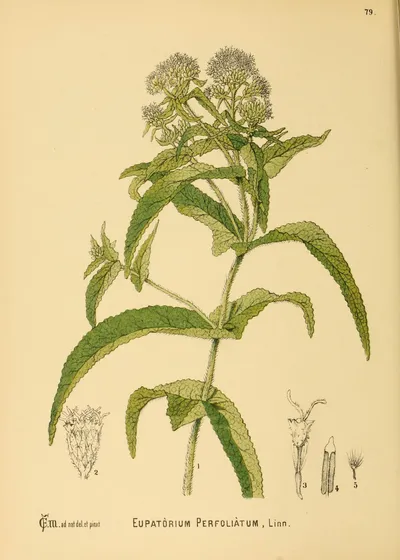
Common boneset1 of 2
Common boneset Eupatorium perfoliatum
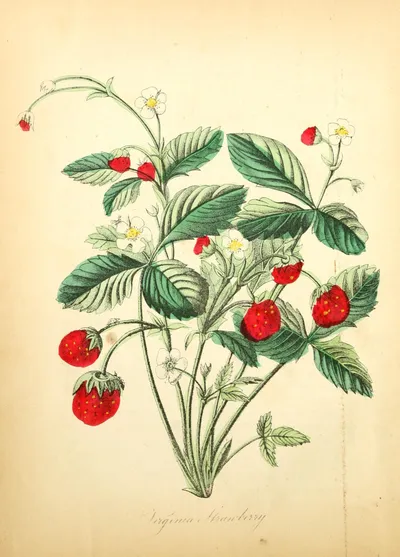
Virginia strawberry1 of 2
Virginia strawberry Fragaria virginiana
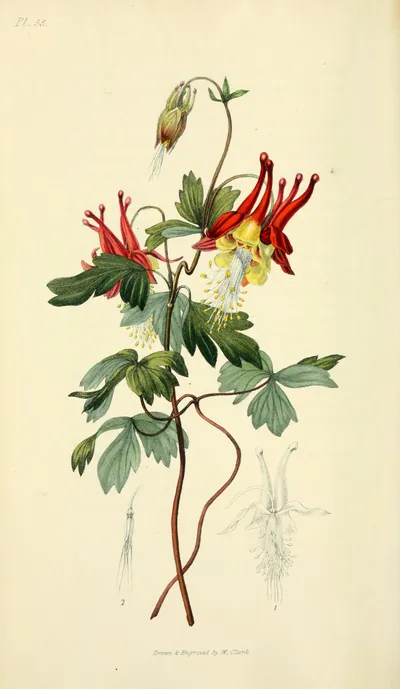
Wild columbine1 of 2
Wild columbine Aquilegia canadensis
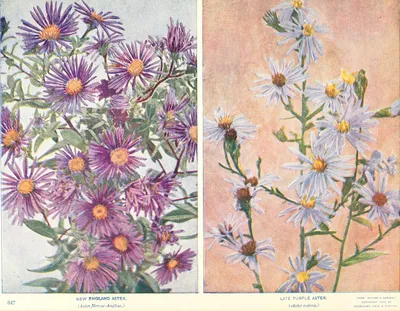
New England aster1 of 2
New England aster Symphyotrichum novae-angliae
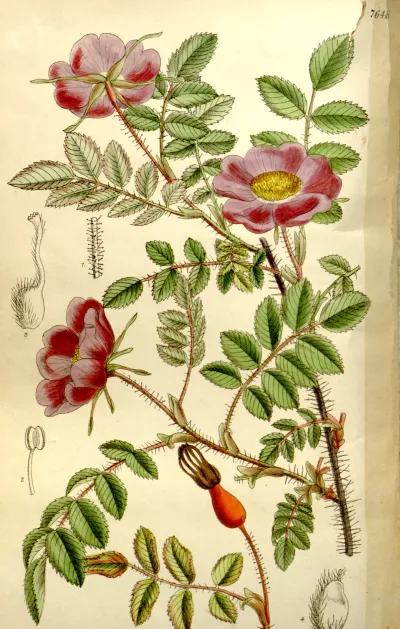
Prickly Wild Rose1 of 2
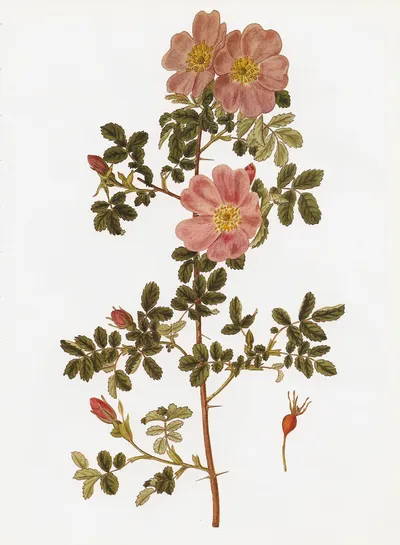
Prickly Wild Rose Rosa acicularis
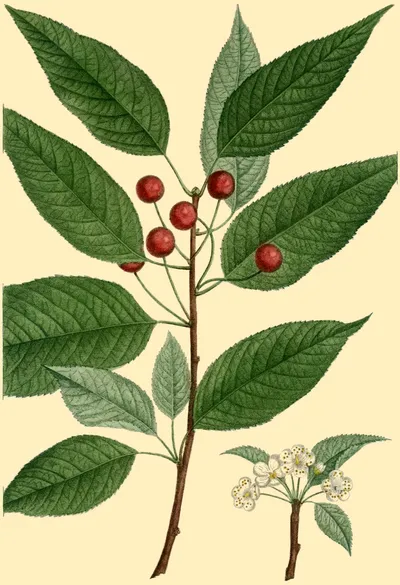
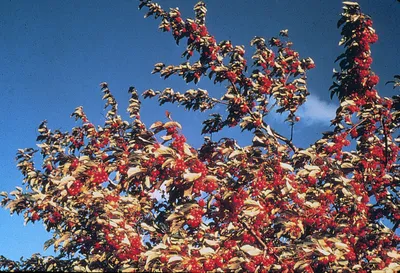
Fire cherry1 of 2
Fire cherry Prunus pensylvanica
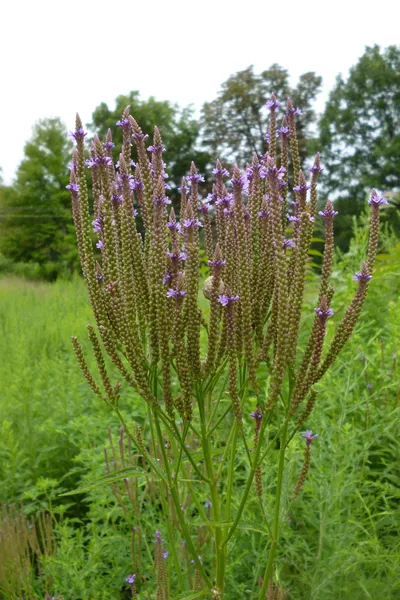
Blue vervain1 of 2
Blue vervain Verbena hastata
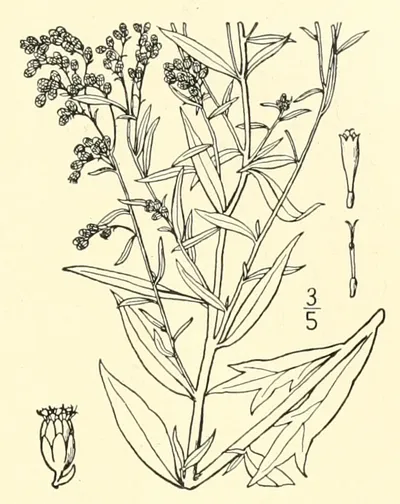
Silver Wormwood1 of 2
Silver Wormwood Artemisia ludoviciana
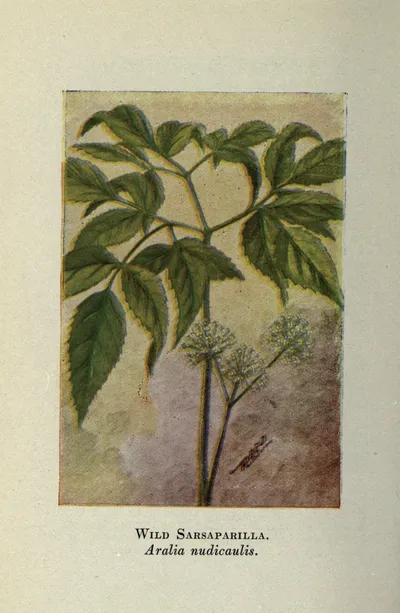
Wild sarsaparilla1 of 3
Wild sarsaparilla Aralia nudicaulis
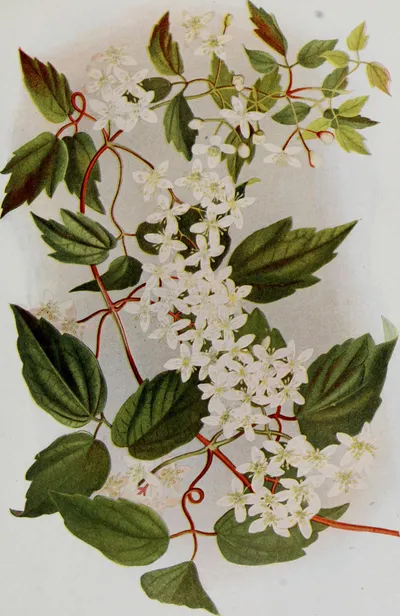
Virgin's-bower
Virgin's-bower Clematis virginiana
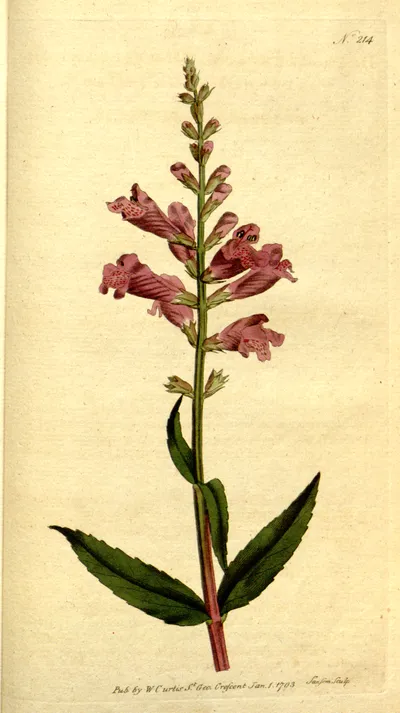
Obedient plant1 of 2
Obedient plant Physostegia virginiana
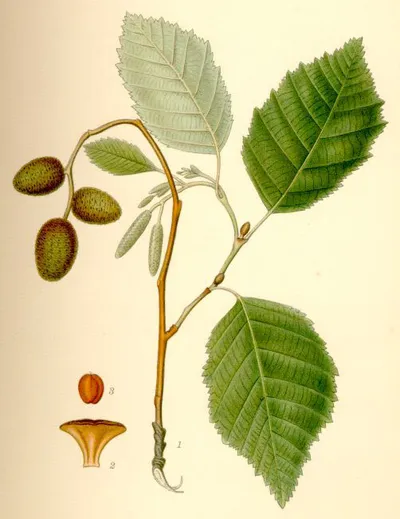
Grey alder1 of 2
Grey alder Alnus incana
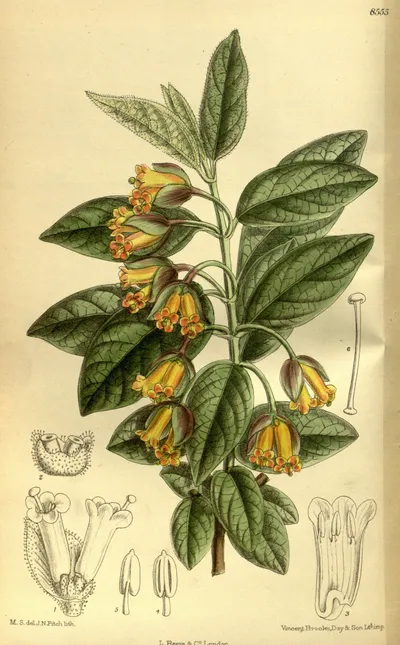
Twinberry honeysuckle1 of 2
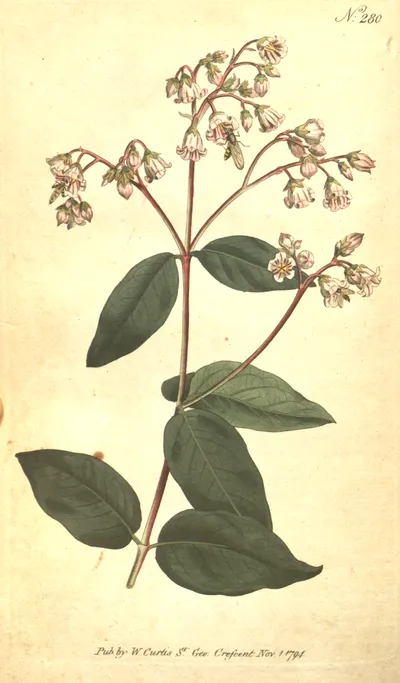
Twinberry honeysuckle Lonicera involucrata
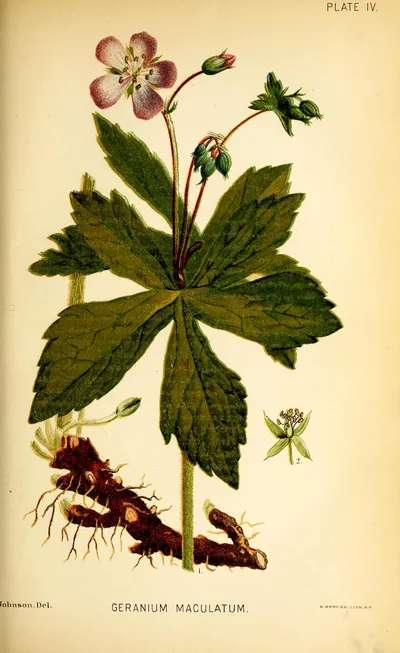
Wild geranium1 of 3
Wild geranium Geranium maculatum
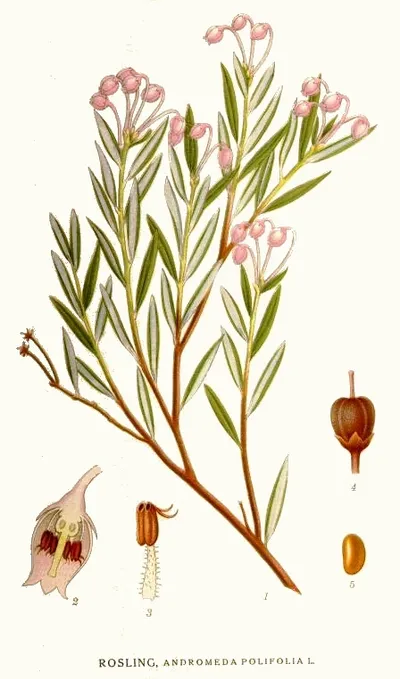
Wild Rosemary
Wild Rosemary Andromeda polifolia
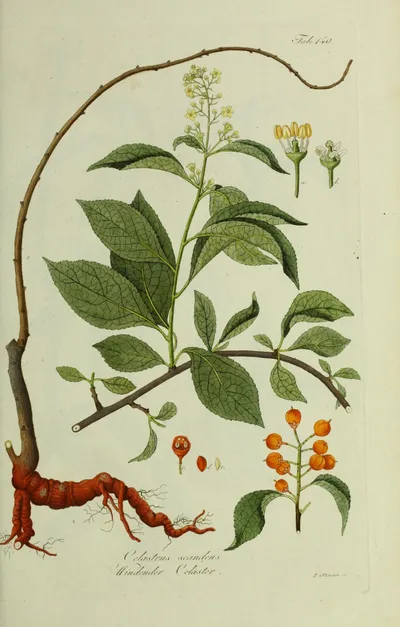
American bittersweet1 of 2
American bittersweet Celastrus scandens
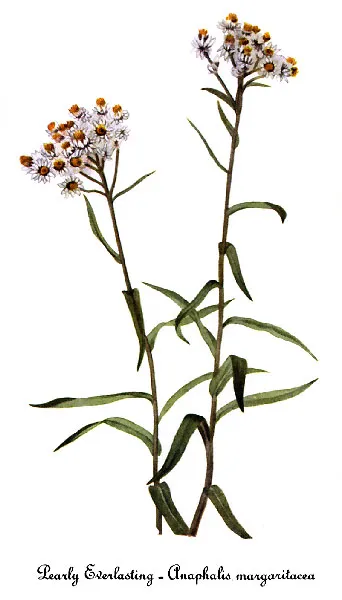
Pearly everlasting1 of 3
Pearly everlasting Anaphalis margaritacea
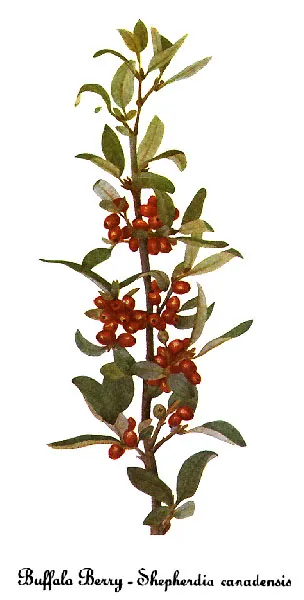
Canadian buffalo-berry1 of 3
Canadian buffalo-berry Shepherdia canadensis
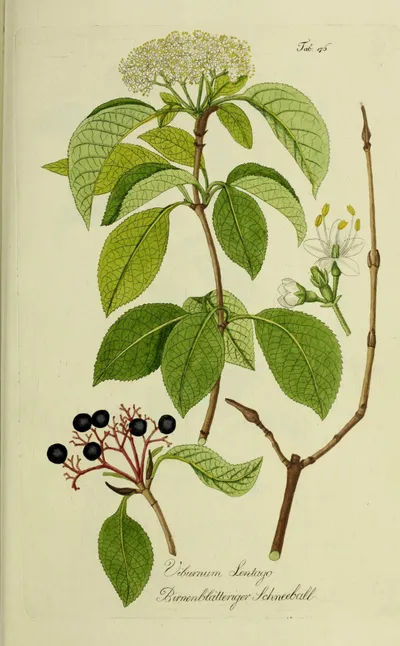
Nannyberry1 of 2
Nannyberry Viburnum lentago
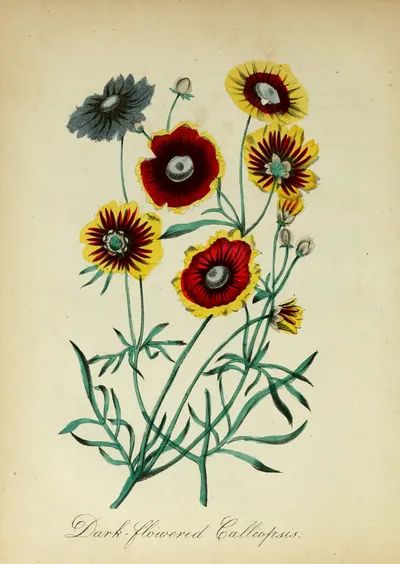
Plains coreopsis1 of 3
Plains coreopsis Coreopsis tinctoria
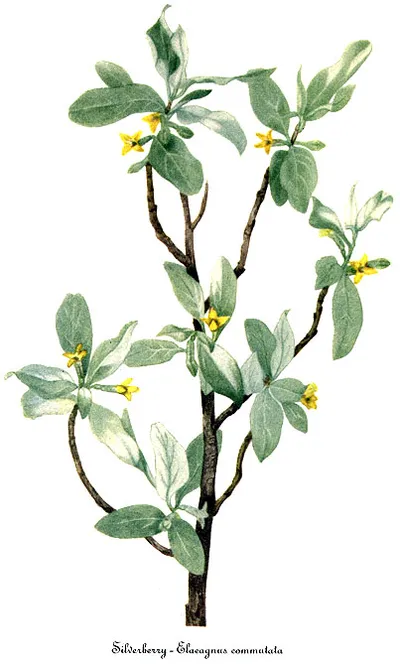
Silverberry1 of 2
Silverberry Elaeagnus commutata
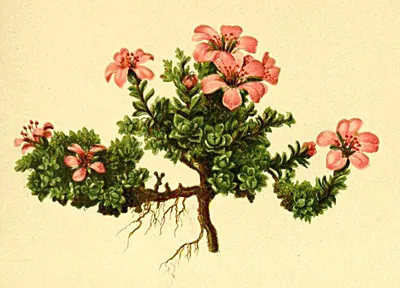
Purple Saxifrage1 of 2
Purple Saxifrage Saxifraga oppositifolia
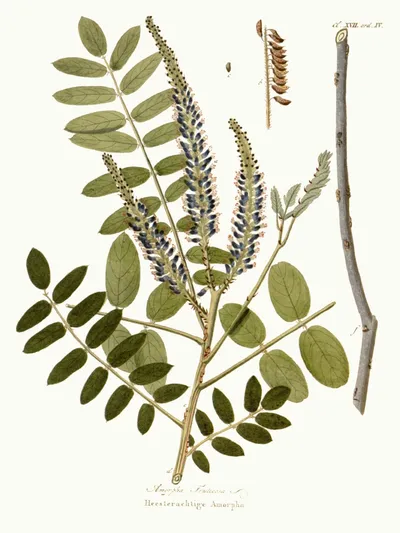
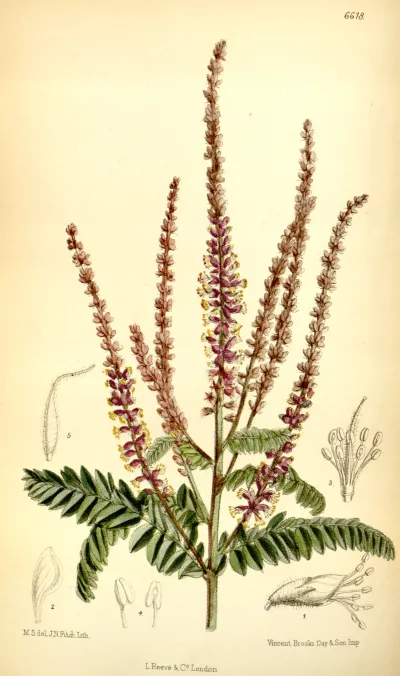
False indigo bush1 of 2
False indigo bush Amorpha fruticosa
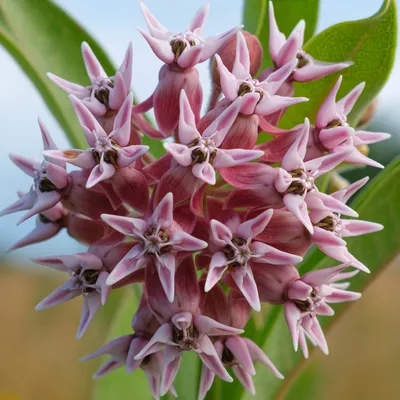
Showy milkweed1 of 2
Showy milkweed Asclepias speciosa
Spreading dogbane1 of 2
Spreading dogbane Apocynum androsaemifolium
Smooth Solomon's seal1 of 2
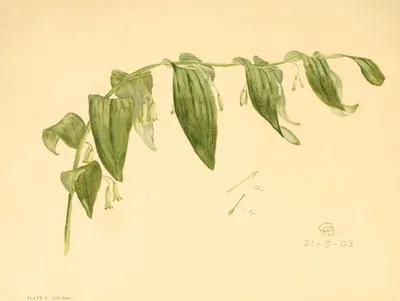
Smooth Solomon's seal Polygonatum biflorum
Golden Alexanders1 of 2
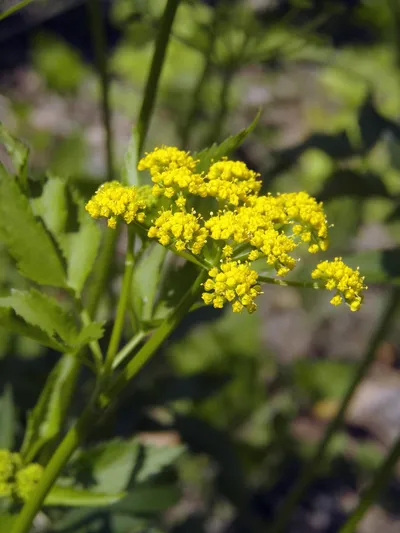
Golden Alexanders Zizia aurea
Woods' rose1 of 3
Woods' rose Rosa woodsii
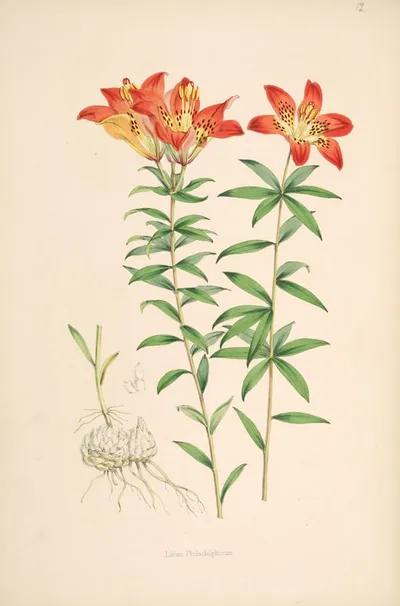
Wood Lily1 of 2
Wood Lily Lilium philadelphicum
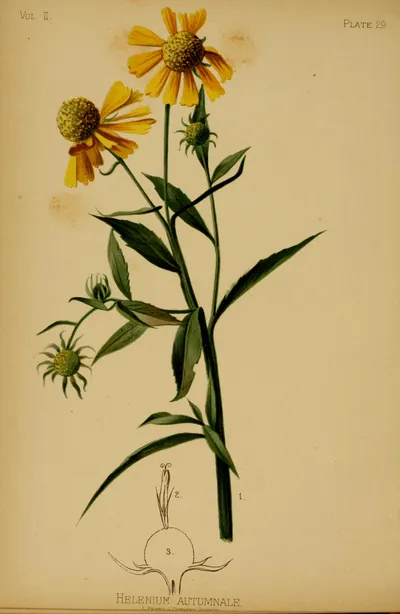
Common sneezeweed1 of 2
Common sneezeweed Helenium autumnale
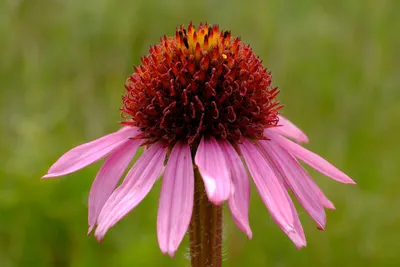
Narrow-leaved purple coneflower1 of 2
Narrow-leaved purple coneflower Echinacea angustifolia
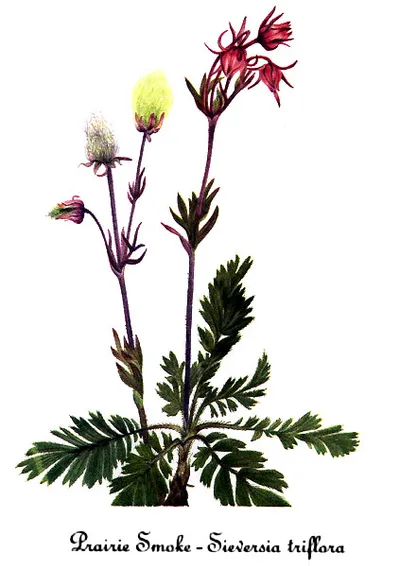
Prairie smoke1 of 3
Prairie smoke Geum triflorum
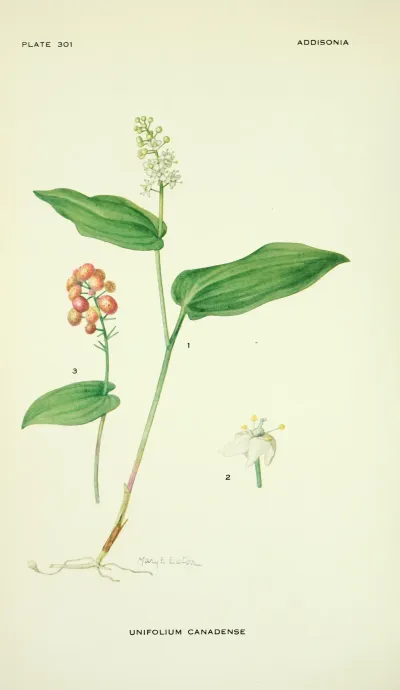
Canada mayflower1 of 2
Canada mayflower Maianthemum canadense
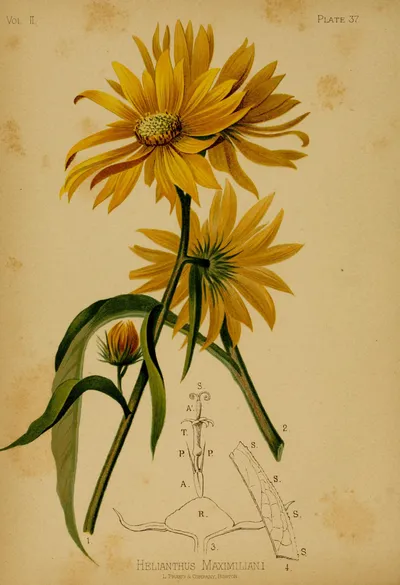
Maximilian sunflower1 of 3
Maximilian sunflower Helianthus maximiliani
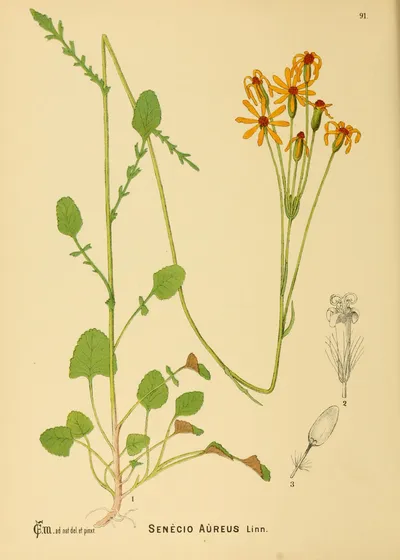
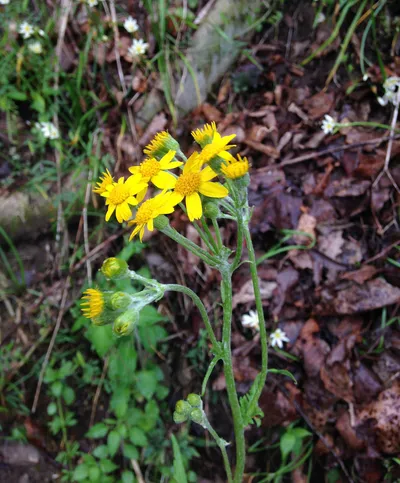
Golden ragwort1 of 2
Golden ragwort Packera aurea
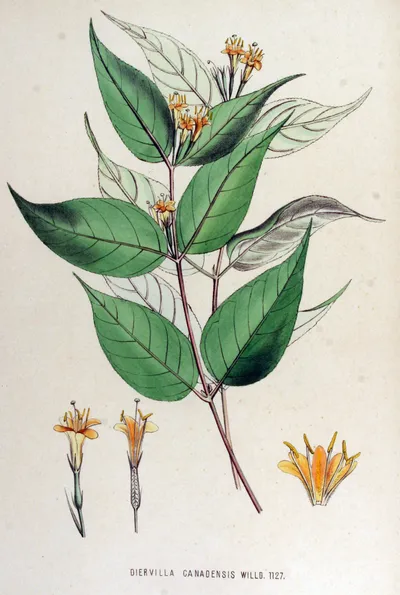
Northern bush honeysuckle1 of 2
Northern bush honeysuckle Diervilla lonicera
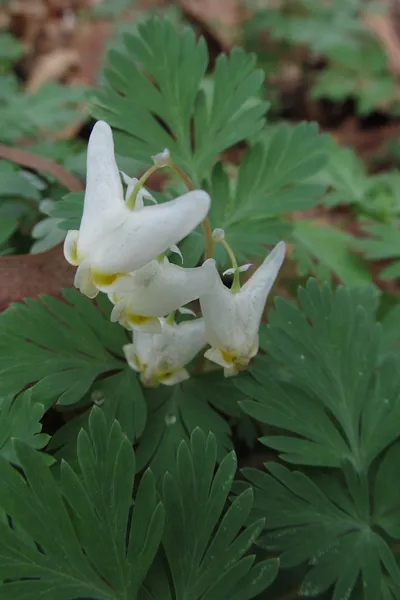
Dutchman's breeches1 of 2
Dutchman's breeches Dicentra cucullaria
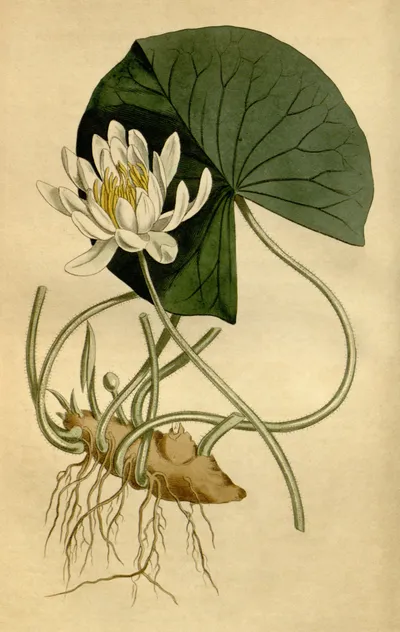
American white waterlily1 of 2
American white waterlily Nymphaea odorata
Silver buffaloberry
Silver buffaloberry Shepherdia argentea
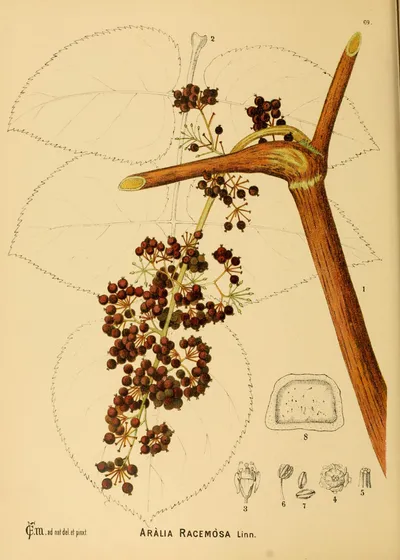
American spikenard1 of 2
American spikenard Aralia racemosa
Upright prairie coneflower1 of 3
Upright prairie coneflower Ratibida columnifera
Fringed loosestrife1 of 3
Fringed loosestrife Lysimachia ciliata
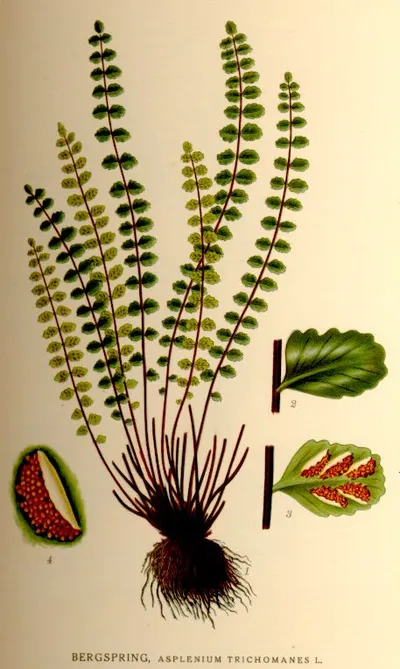
Maidenhair spleenwort
Maidenhair spleenwort Asplenium trichomanes
Leadplant
Leadplant Amorpha canescens
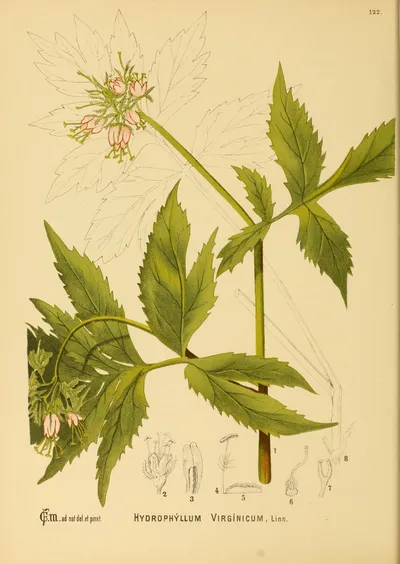
Virginia waterleaf1 of 2
Virginia waterleaf Hydrophyllum virginianum
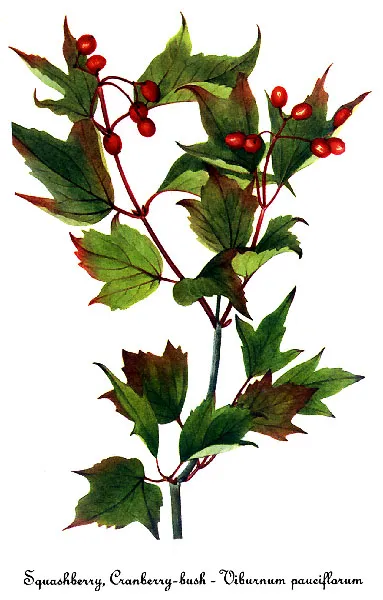
Squashberry1 of 2
Squashberry Viburnum edule
Prairie sunflower1 of 3
Prairie sunflower Helianthus petiolaris
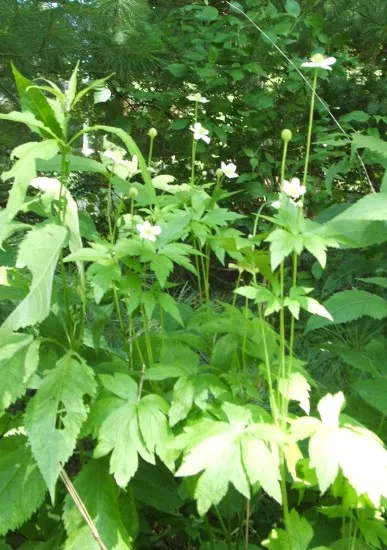
Tall thimbleweed1 of 3
Tall thimbleweed Anemone virginiana
Gray dogwood
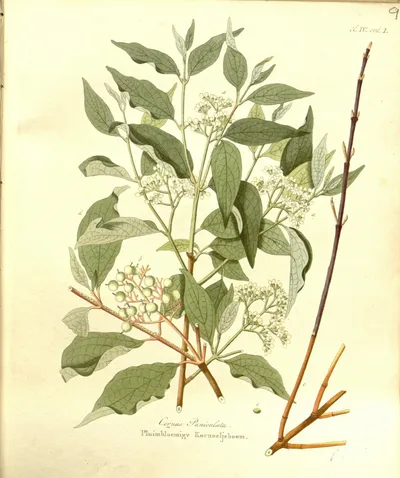
Gray dogwood Cornus racemosa
Flat-topped goldenrod1 of 2
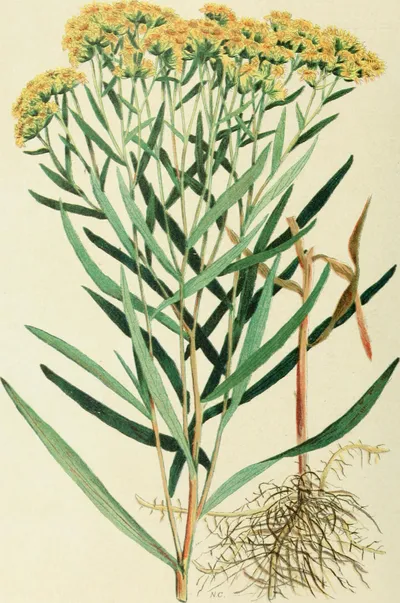
Flat-topped goldenrod Euthamia graminifolia
Water birch1 of 2
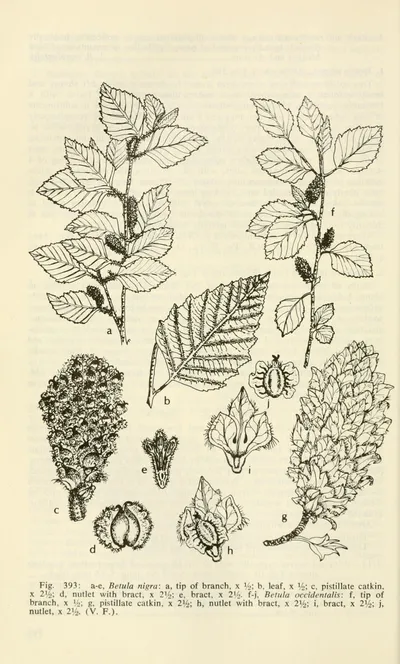
Water birch Betula occidentalis
Largeflower bellwort1 of 3
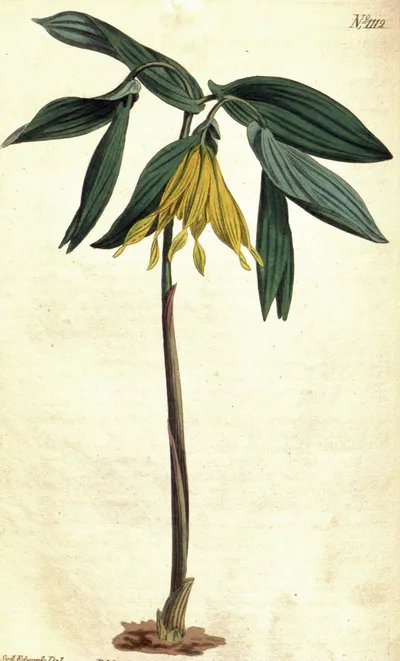
Largeflower bellwort Uvularia grandiflora
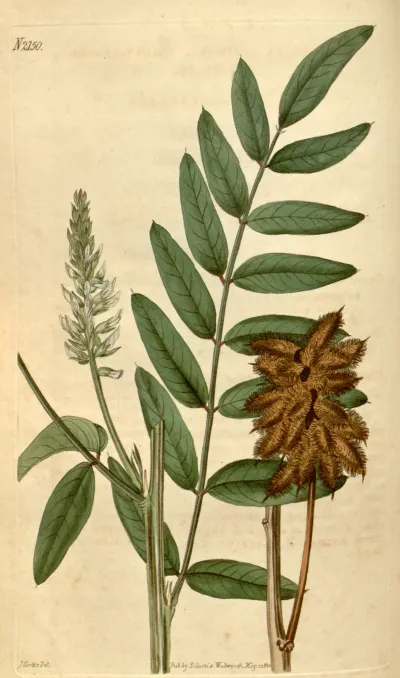
Wild Licorice1 of 3
Wild Licorice Glycyrrhiza lepidota
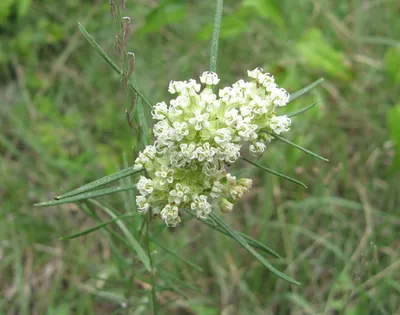
Whorled milkweed
Whorled milkweed Asclepias verticillata
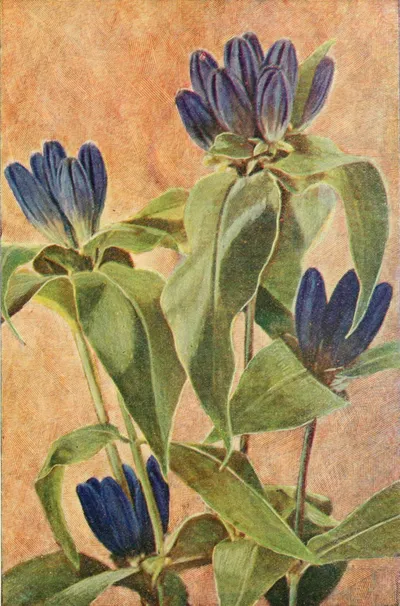
Closed bottle gentian1 of 2
Closed bottle gentian Gentiana andrewsii
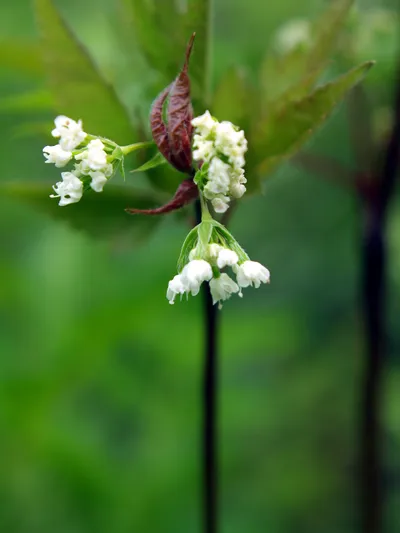
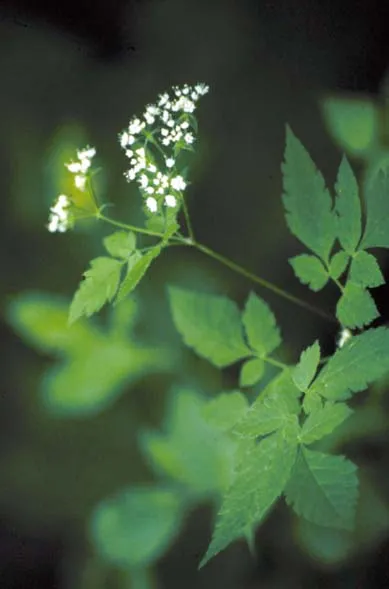
Aniseroot1 of 3
Aniseroot Osmorhiza longistylis
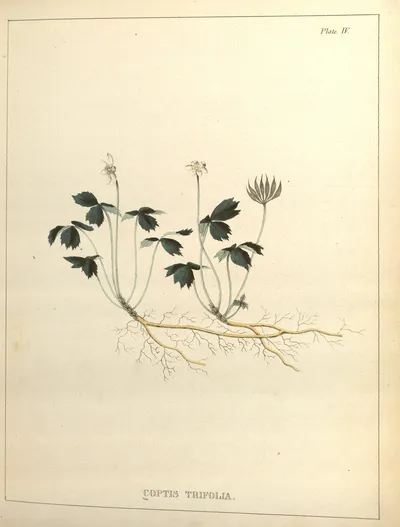
Threeleaf goldthread1 of 2
Threeleaf goldthread Coptis trifolia
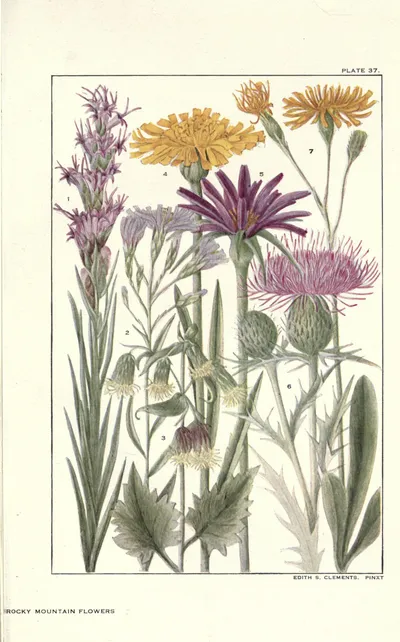
Dotted gayfeather1 of 2
Dotted gayfeather Liatris punctata
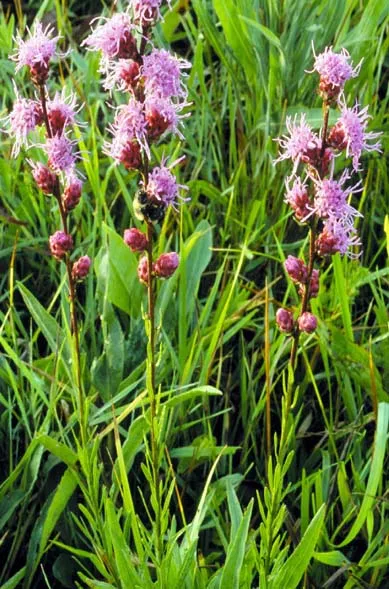
Rough blazing star1 of 3
Rough blazing star Liatris aspera
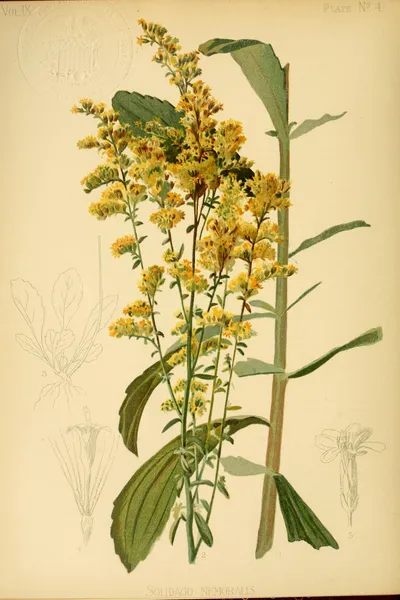
Field goldenrod1 of 2
Field goldenrod Solidago nemoralis
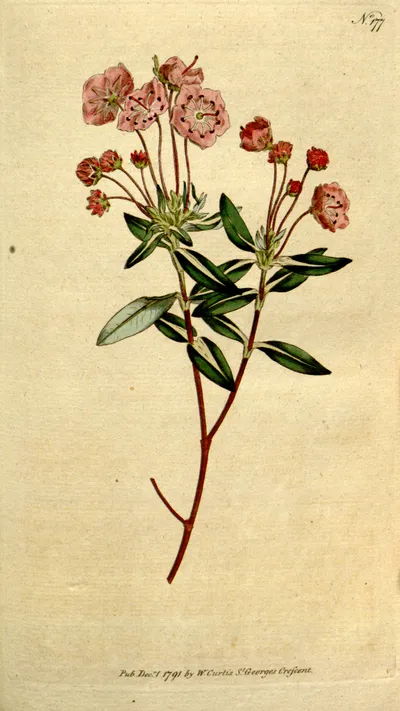
Swamp Laurel1 of 2
Swamp Laurel Kalmia polifolia
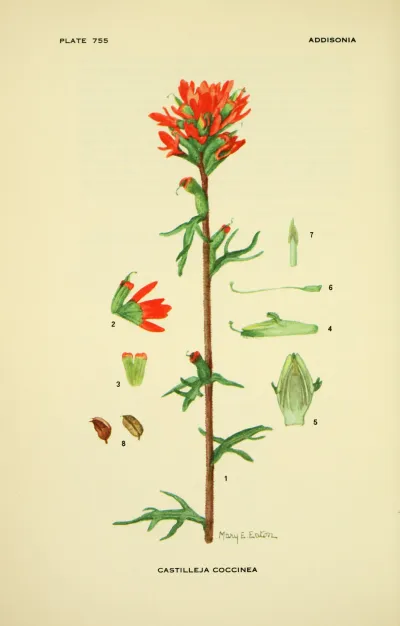
Painted-cup paintbrush1 of 2
Painted-cup paintbrush Castilleja coccinea
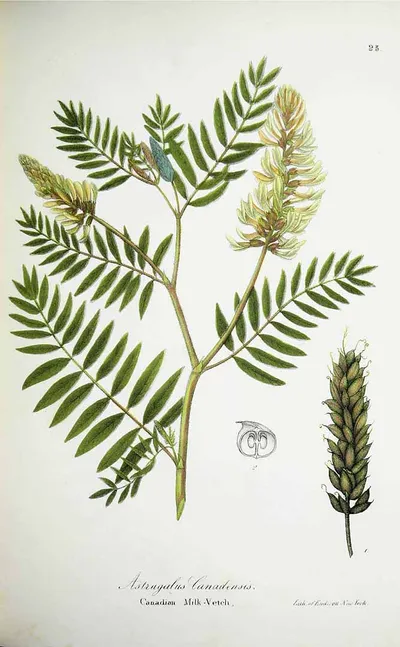
Canadian milkvetch1 of 3
Canadian milkvetch Astragalus canadensis
Hairy sweet cicely1 of 2
Hairy sweet cicely Osmorhiza claytonii
False aster1 of 2
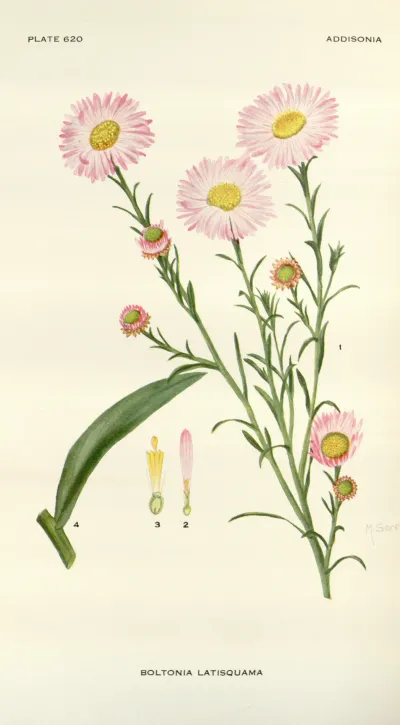
False aster Boltonia asteroides
Prairie Onion1 of 2
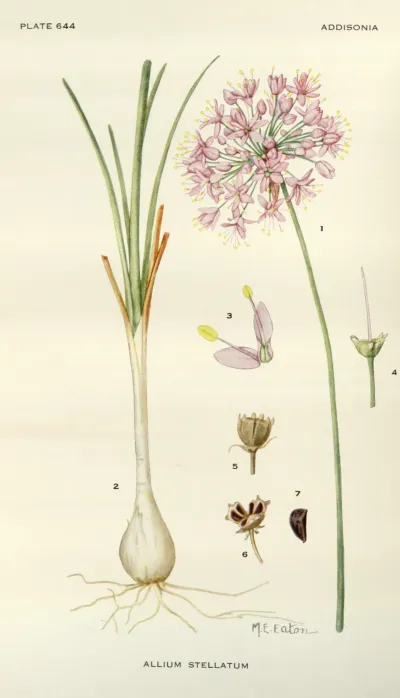
Prairie Onion Allium stellatum
Prairie Violet1 of 2
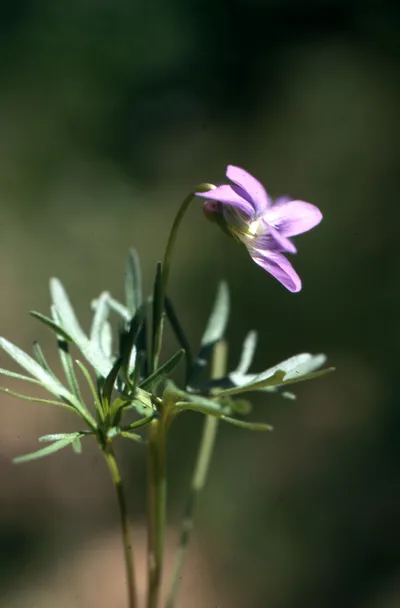
Prairie Violet Viola pedatifida
Heart-leaf golden Alexanders
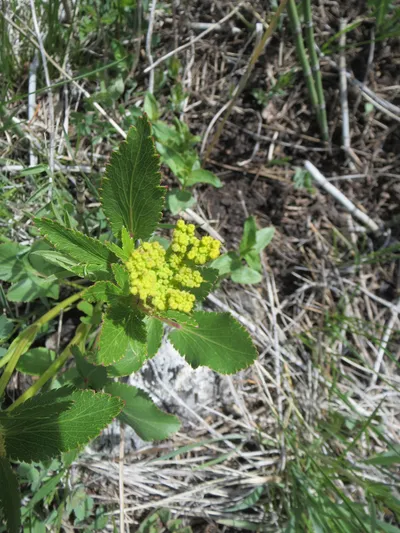
Heart-leaf golden Alexanders Zizia aptera
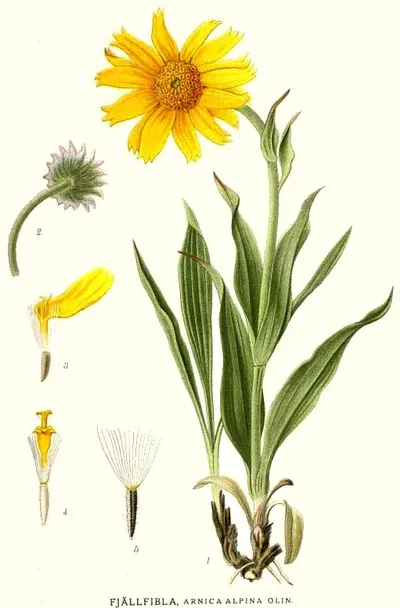
Narrowleaf Arnica1 of 3
Narrowleaf Arnica Arnica angustifolia
Balsam ragwort
Balsam ragwort Packera paupercula
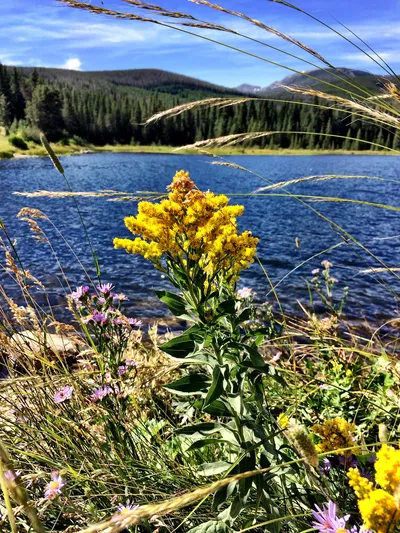
Missouri goldenrod
Missouri goldenrod Solidago missouriensis
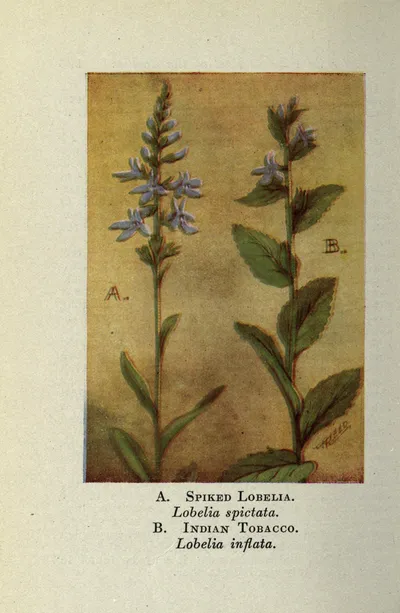
Pale-spiked lobelia1 of 3
Pale-spiked lobelia Lobelia spicata
Silky aster
Silky aster Symphyotrichum sericeum
Prairie Groundsel
Prairie Groundsel Packera plattensis
Naked bishop's cap1 of 2
Naked bishop's cap Mitella nuda
Veiny pea1 of 2
Veiny pea Lathyrus venosus
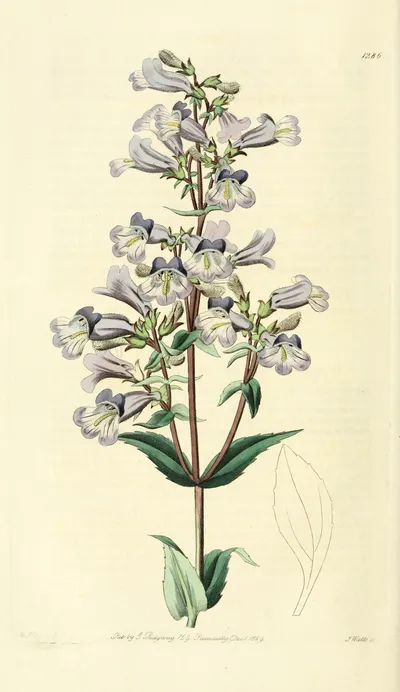
Lilac Penstemon1 of 2
Lilac Penstemon Penstemon gracilis
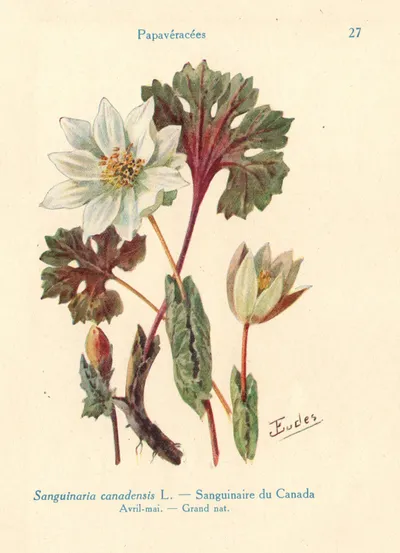
Bloodroot1 of 2
Bloodroot Sanguinaria canadensis
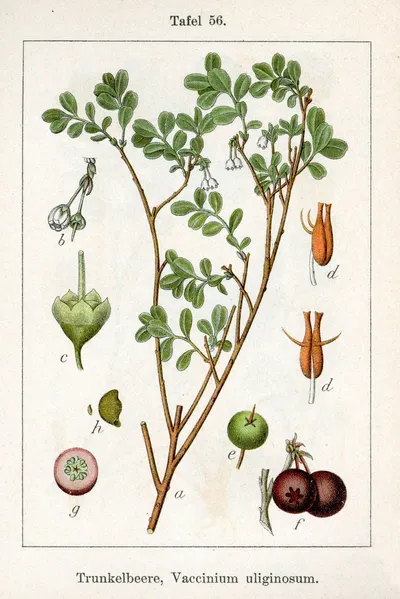
Bog bilberry1 of 2
Bog bilberry Vaccinium uliginosum
Eastern pasqueflower
Eastern pasqueflower Pulsatilla patens
Fireweed
Fireweed Chamerion angustifolium
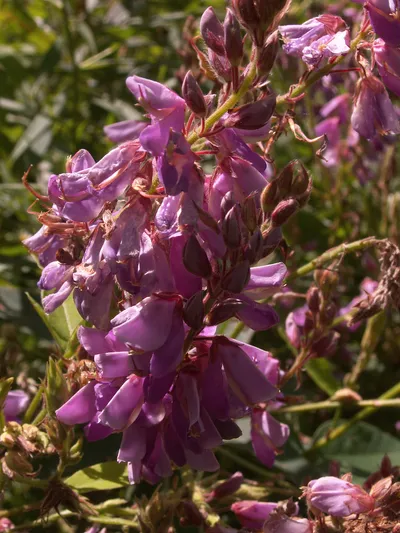
Showy tick-trefoil1 of 2
Showy tick-trefoil Desmodium canadense
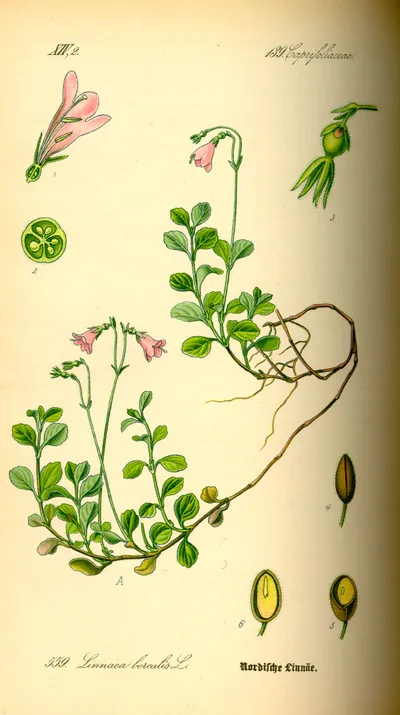
Twinflower1 of 2
Twinflower Linnaea borealis

Why plant natives

Native plants evolved with the local insects, birds, and soils, so once established they need little water, no fertilizer, and no coddling, while providing the nectar, pollen, seeds, and host foliage that non-native ornamentals cannot. A native bed is lower-maintenance and higher-value for wildlife than a conventional one.

Starting a native garden in Manitoba

Start by matching plant to place: note how much sun each spot gets and whether the soil runs dry, moist, or wet, then choose species whose needs match; the filters above sort by exactly these. In Manitoba (roughly Canadian zones 2b–4a), fall and early spring are the prime planting windows. Buy nursery-propagated, local-genotype plants rather than wild-collected stock, plant in groups of three or more so pollinators can find them, and mulch lightly the first year while roots establish.

Keep it blooming

The species here bloom from April through October. Pick at least one plant for each part of that window (spring, summer, and fall) so something is always in flower and pollinators always have forage.

Frequently asked

How many native plants are native to Manitoba?
This guide features 100 native plants documented as native to Manitoba, including wildflowers, ferns, and shrubs. Many hundreds more native species also grow wild in the province.
What hardiness zone is Manitoba in?
Manitoba spans roughly Canadian hardiness zones 2b–4a. Check your exact zone before buying, since the province covers more than one.
When do Manitoba wildflowers bloom?
Across these species, bloom runs from April through October. Planting a mix of spring, summer, and fall bloomers keeps color and pollinator forage going all season.
What are the best native plants for pollinators in Manitoba?
96 of these Manitoba natives have documented bee, butterfly, or hummingbird visitors. Use the "For pollinators" filter above to rank them by pollinator value.
Where can I buy native plants in Manitoba?
Look for a nursery that sells nursery-propagated (not wild-collected) local-genotype plants. Your state native plant society and regional native-plant sales are the best starting points; see Resources below.

Resources