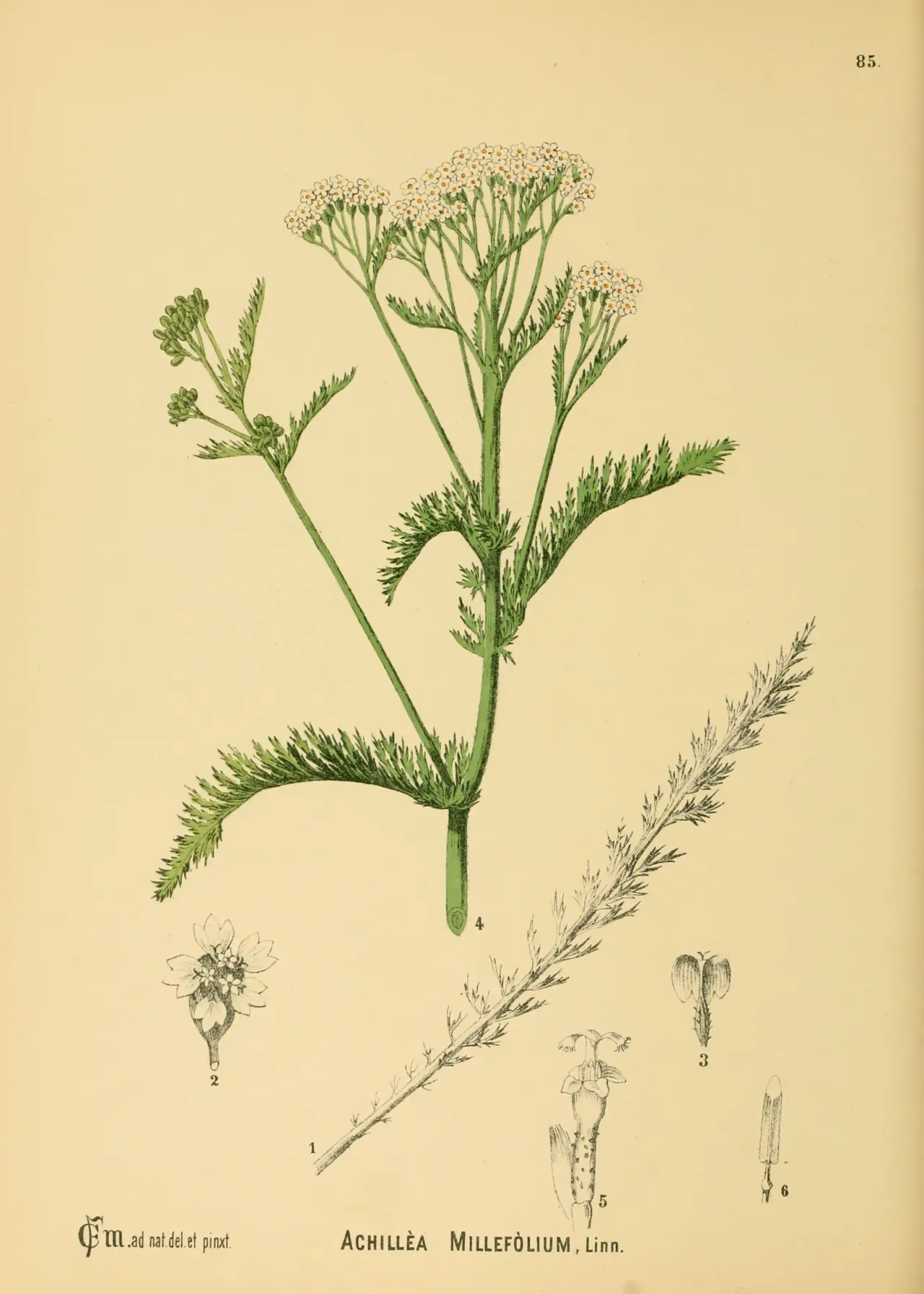
Native plants for Arkansas
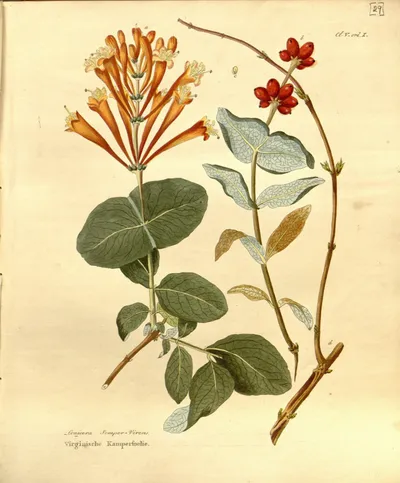
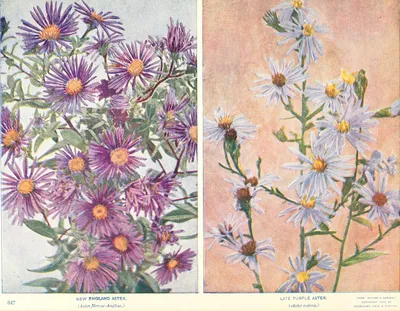
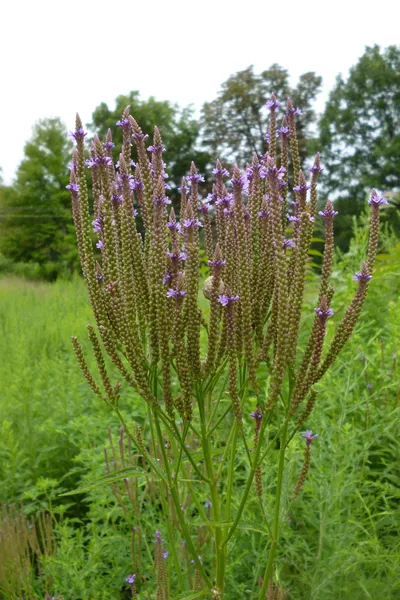
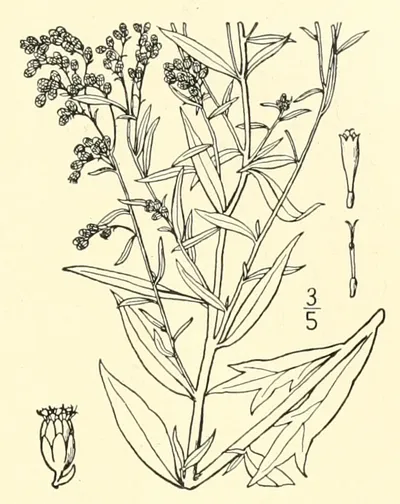
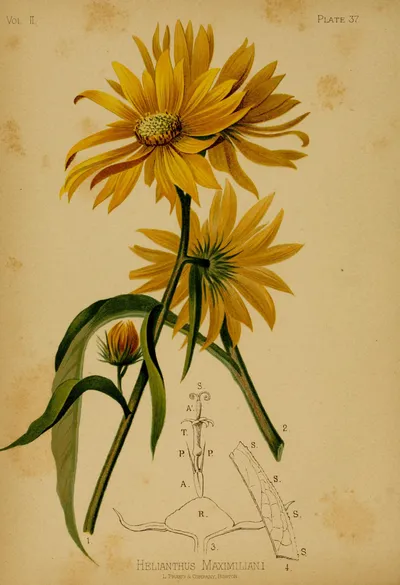
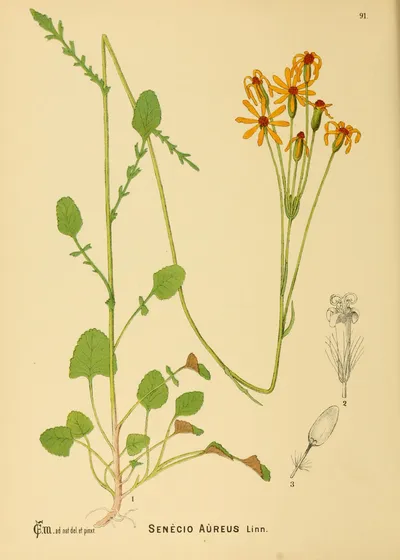
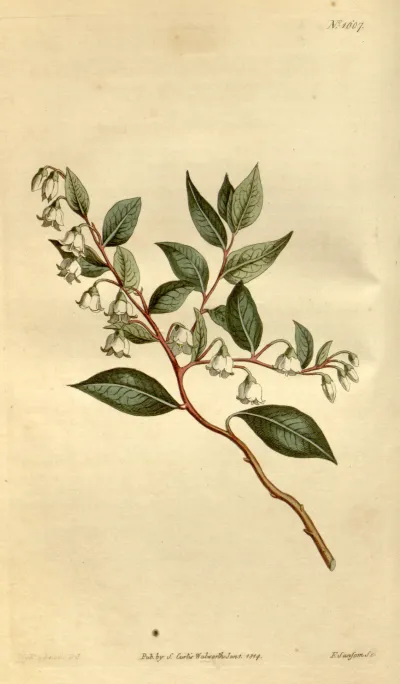
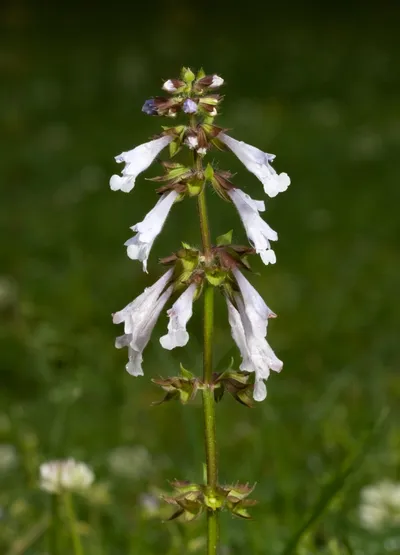
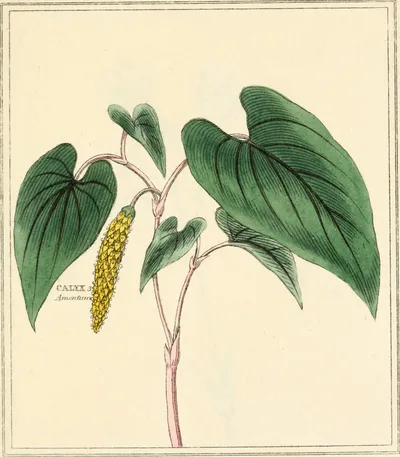
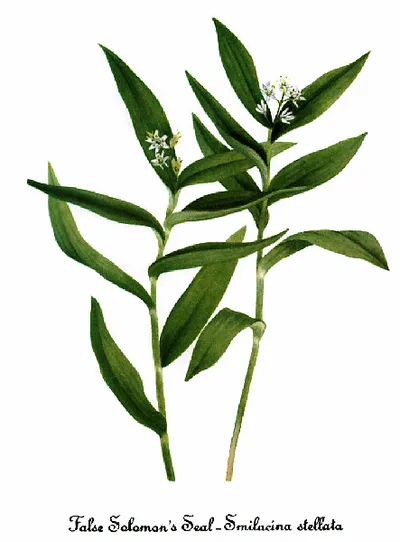
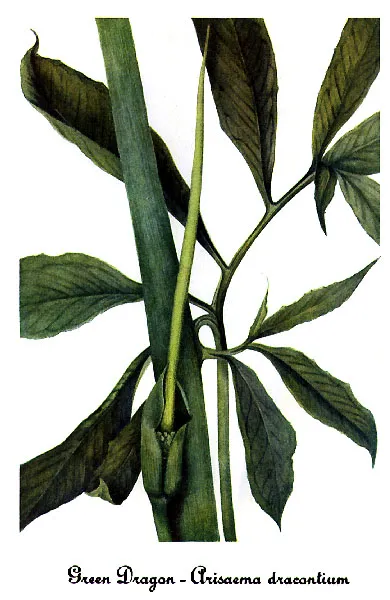
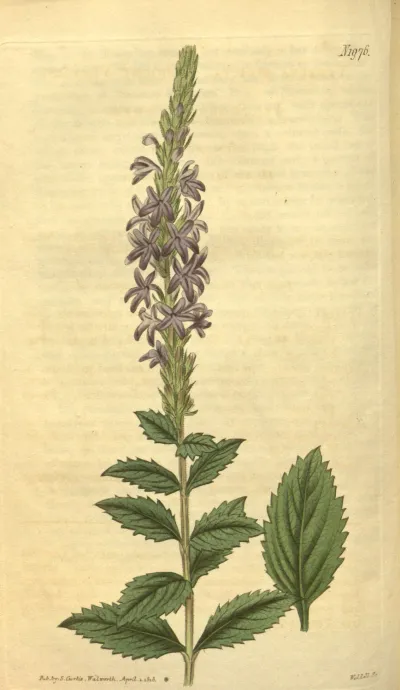
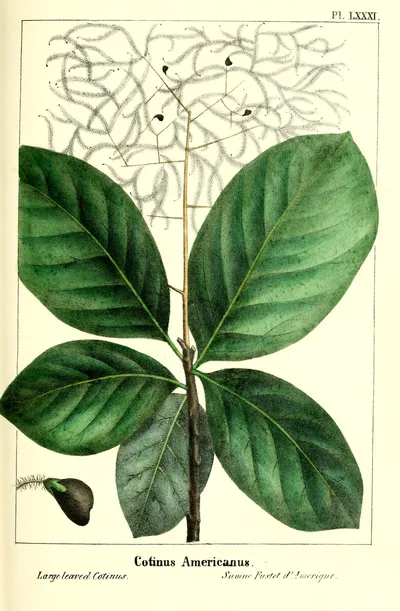
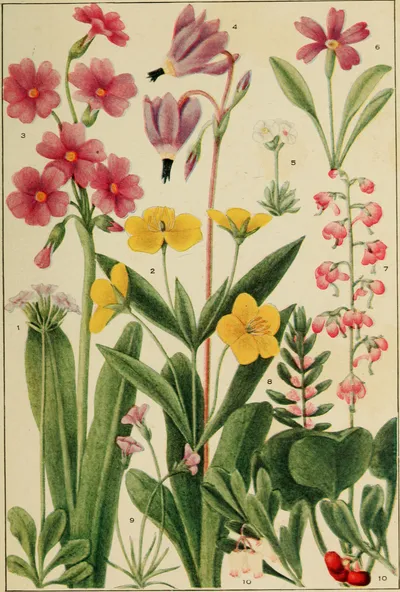
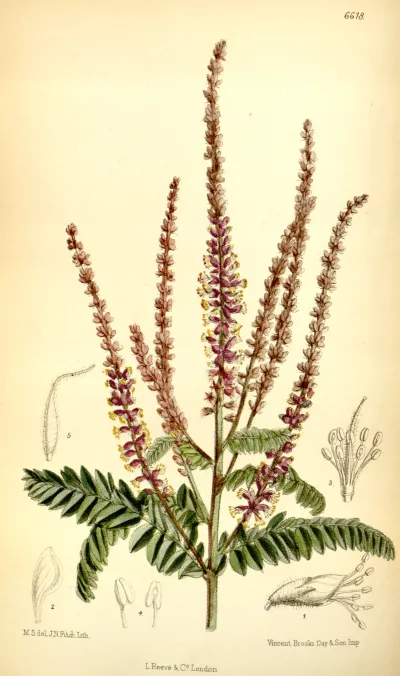
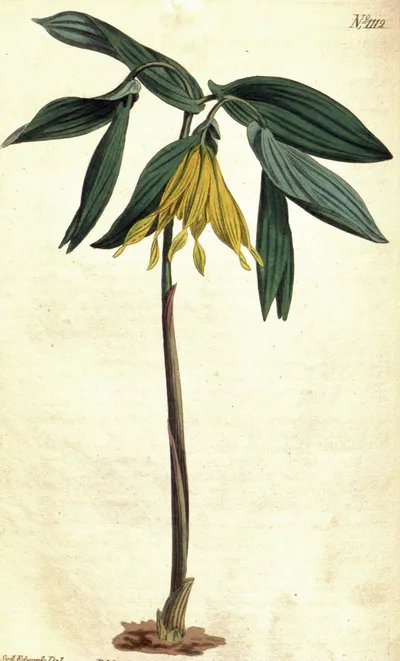
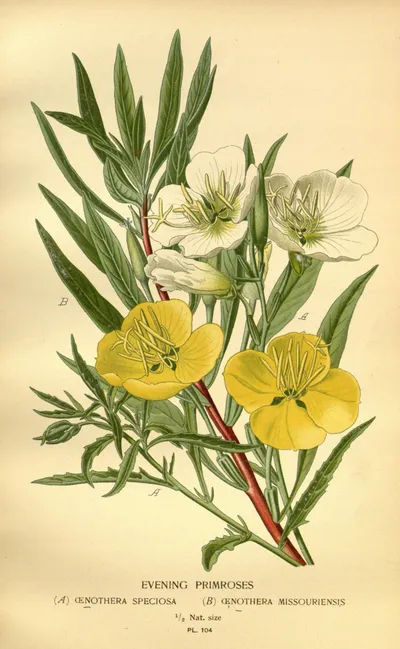
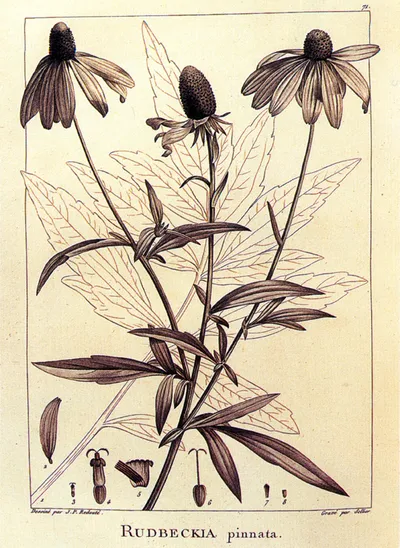
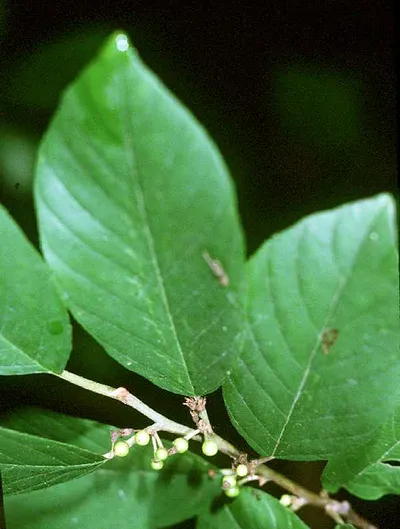
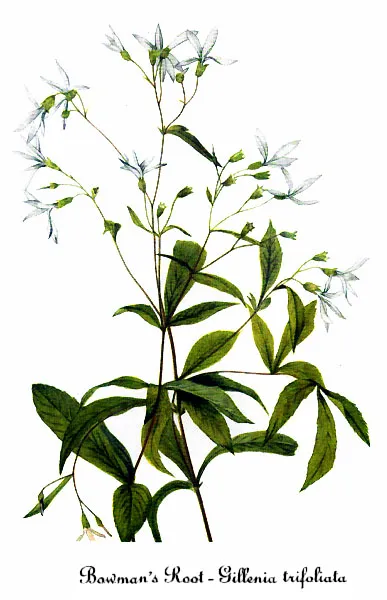
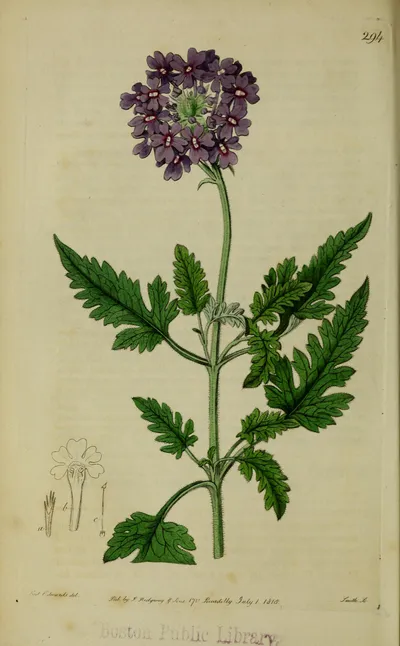
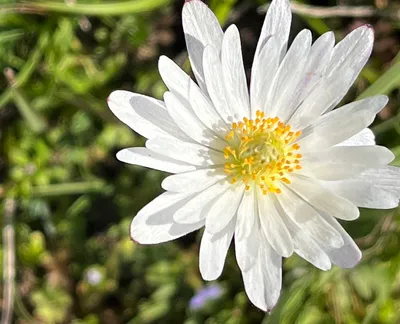
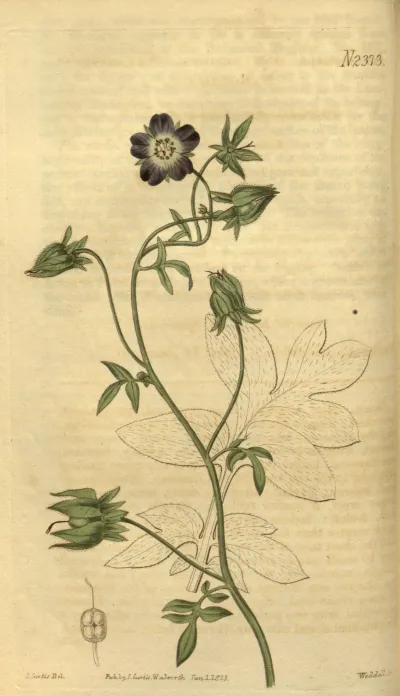
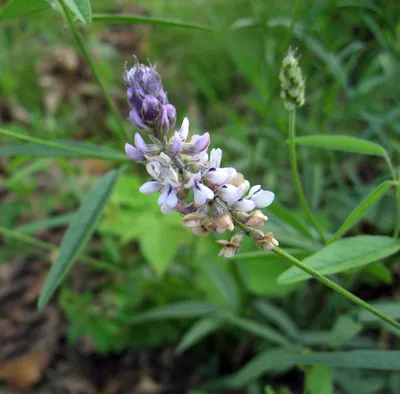
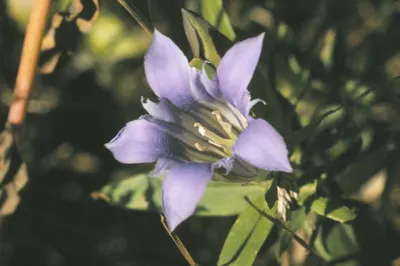
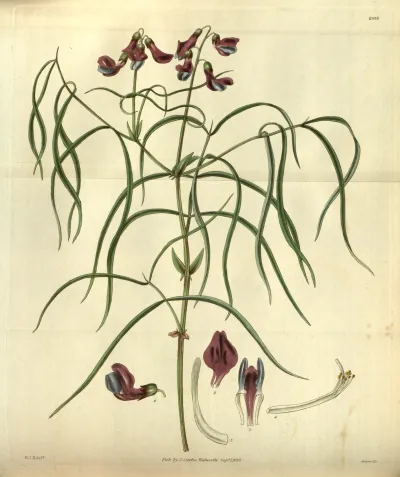
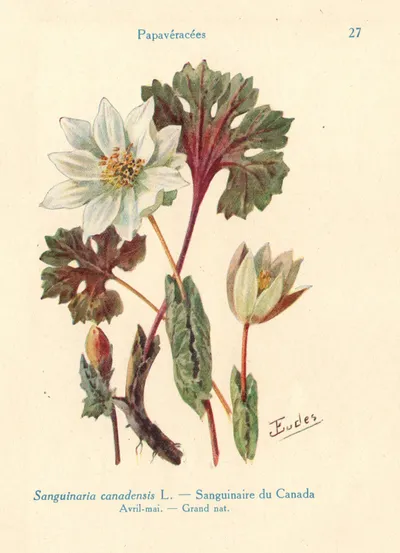
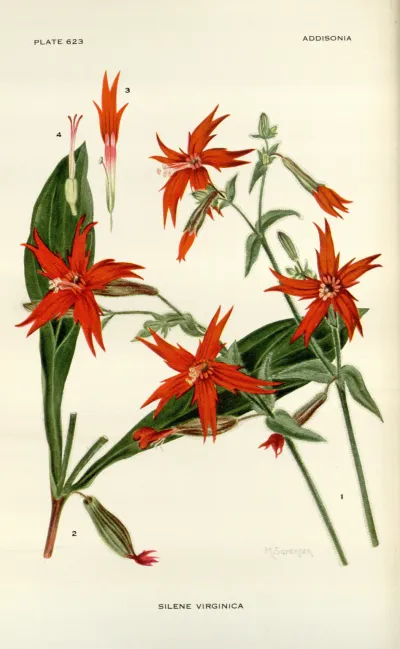
216 native plants grow wild in Arkansas, each shown in historical botanical art or a photograph. They bloom from March through October, and 205 have documented pollinator visitors. Gardens across the state fall roughly in USDA hardiness zones 6b–8a. Choosing plants native to Arkansas means they are adapted to the local climate and soils and support the region's bees, butterflies, and birds.
- Native species featured
- 216
- USDA hardiness
- Zones 6b–8a
- Bloom season
- March–October
- Light
- 129 sun · 160 part shade · 84 shade
- Soil moisture
- 91 dry · 150 moist · 36 wet
- Habitats
- woodland (117) · prairie (54) · wetland (45)
- Documented pollinator plants
- 205 (up to 447 visitor species each)
Explore the plants
216 plants
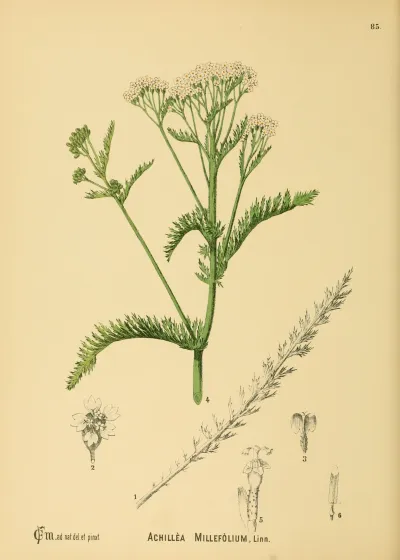 1 of 2
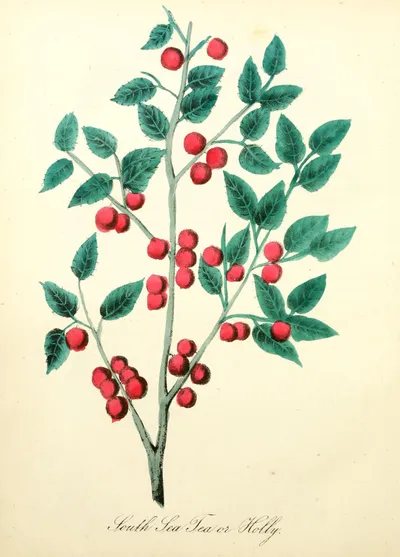 1 of 2
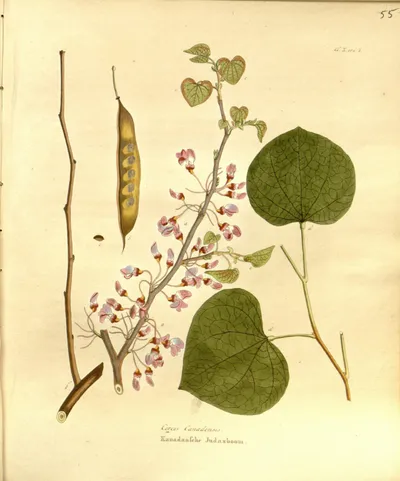 1 of 3
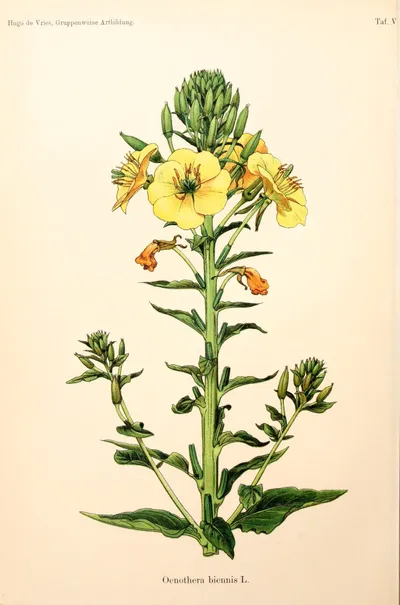 1 of 3
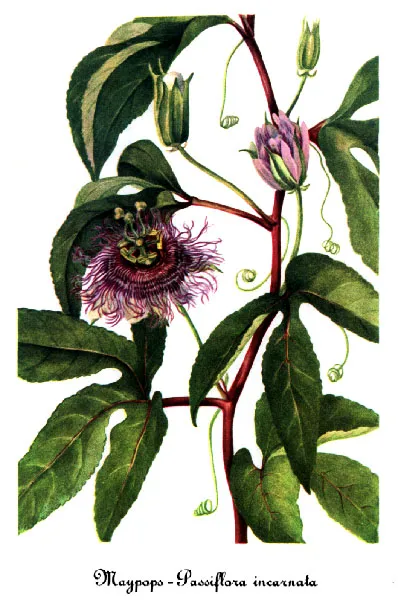 1 of 2
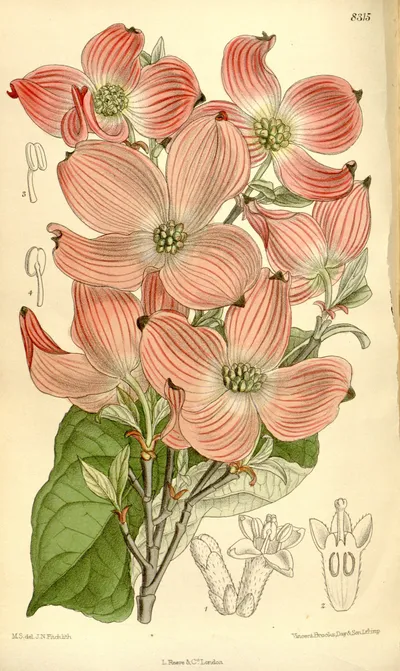 1 of 3
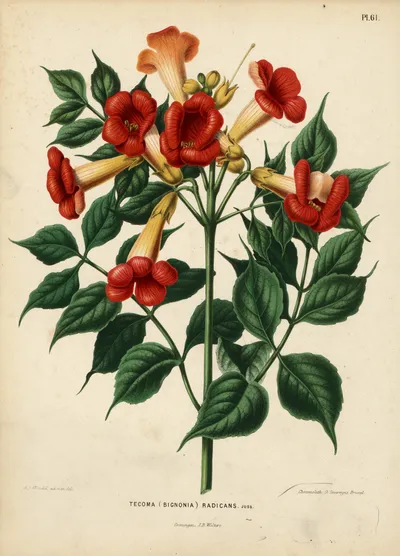 1 of 2
 1 of 2
 1 of 2
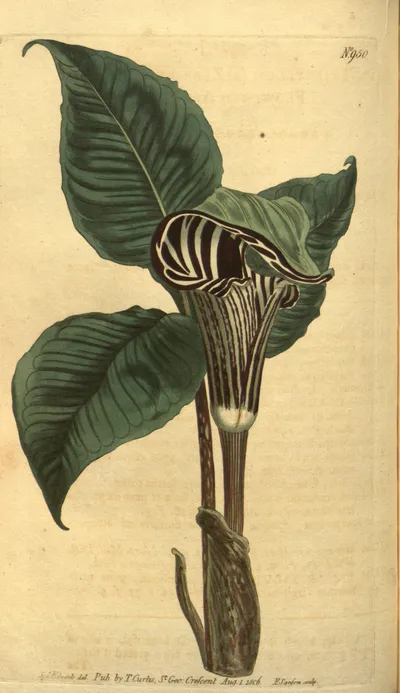 1 of 3
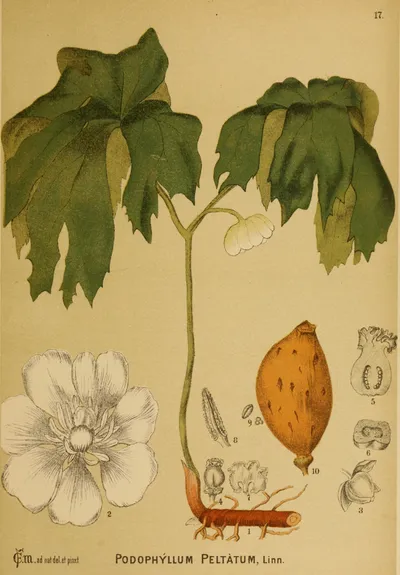 1 of 2
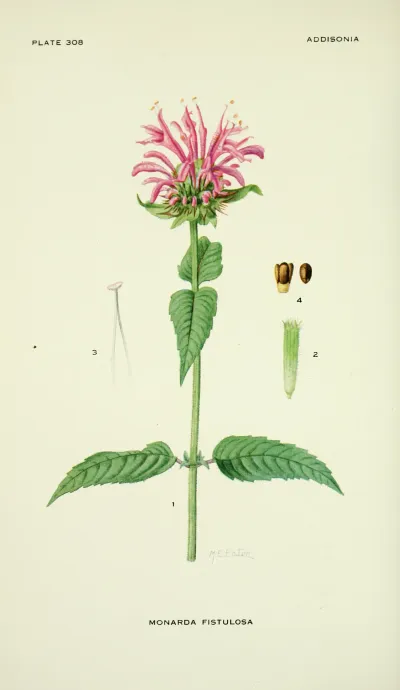 1 of 3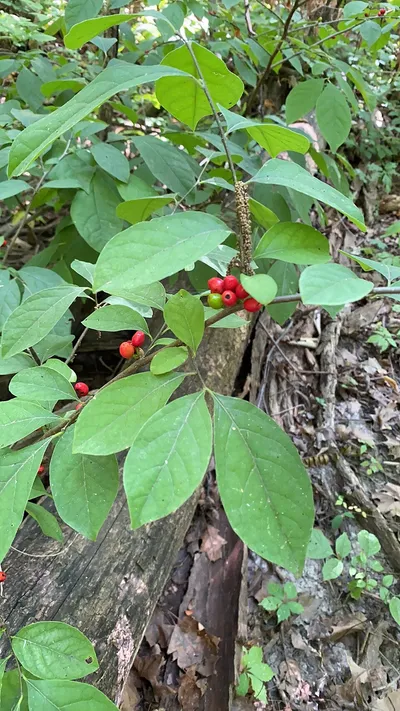
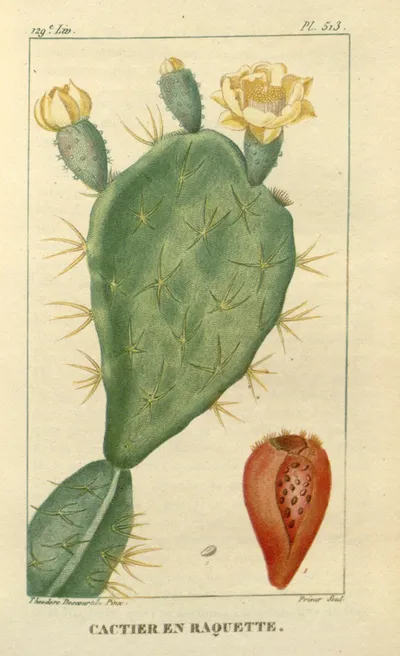
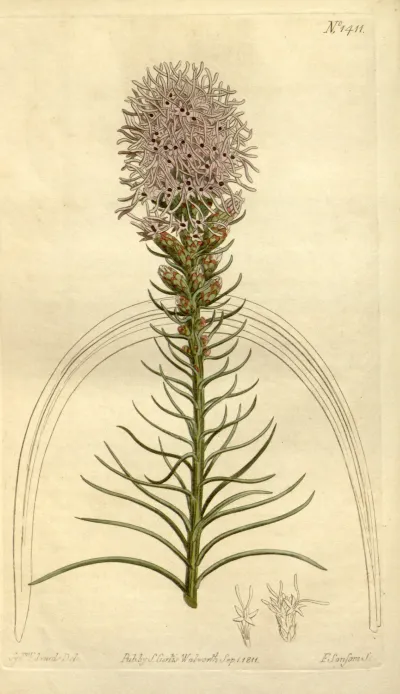 1 of 2
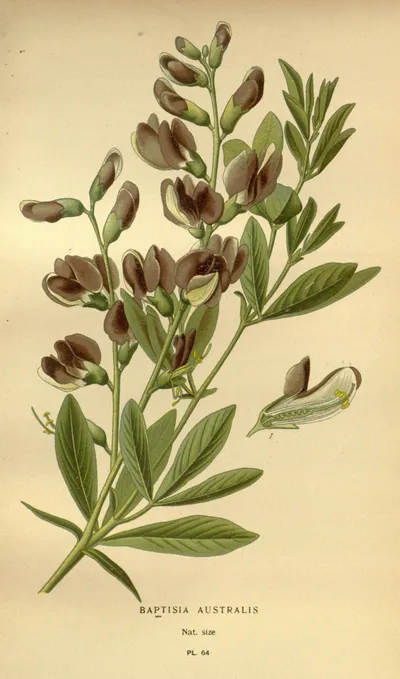 1 of 3
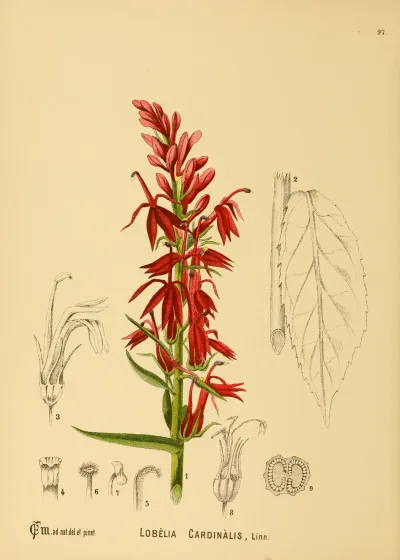 1 of 2
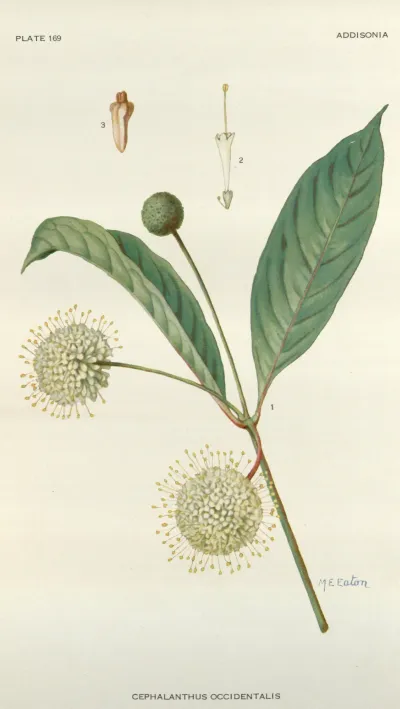 1 of 2
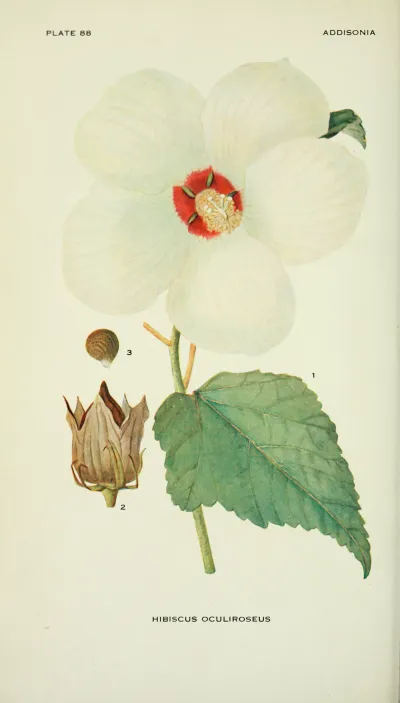 1 of 2
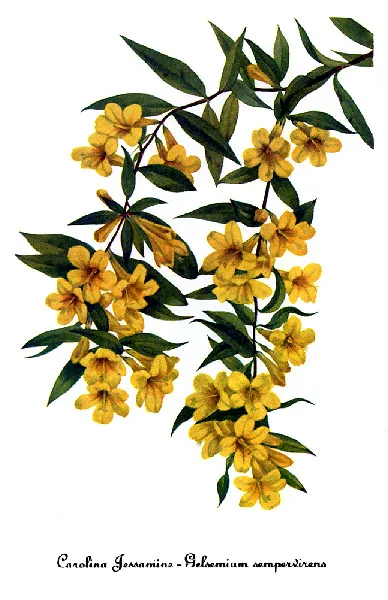 1 of 2
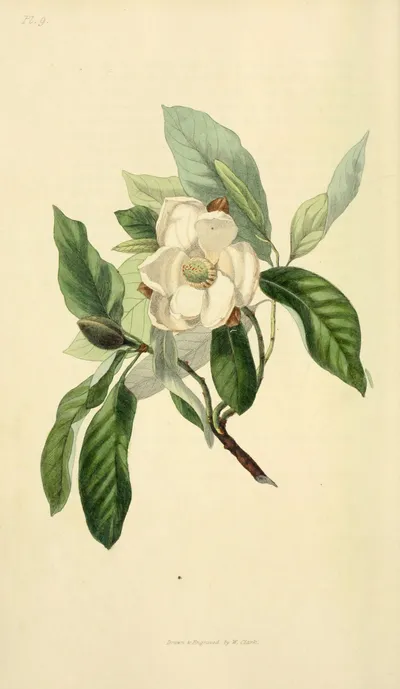 1 of 3
 1 of 3
 1 of 3
 1 of 2
 1 of 3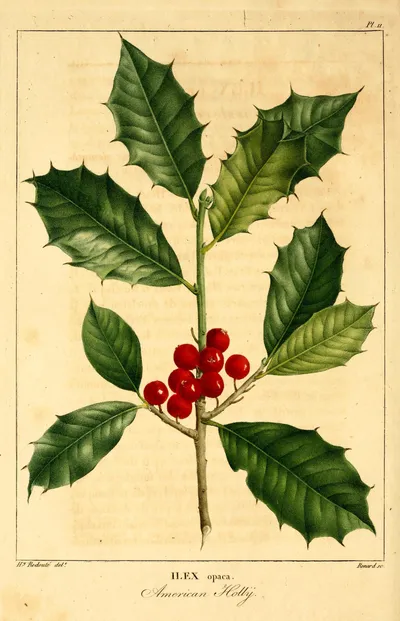
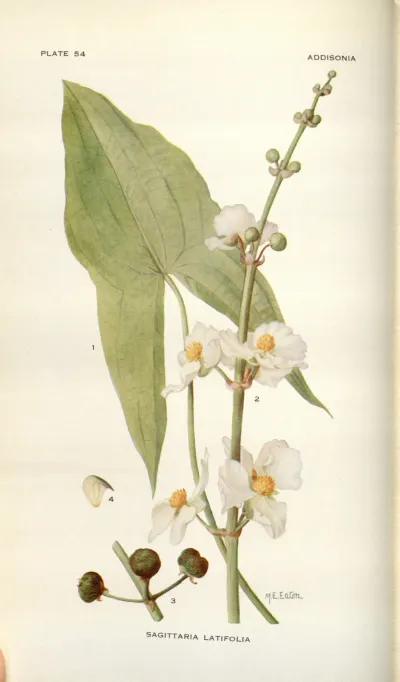 1 of 2
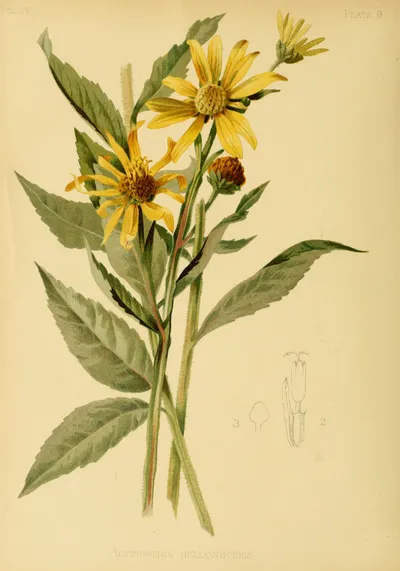 1 of 3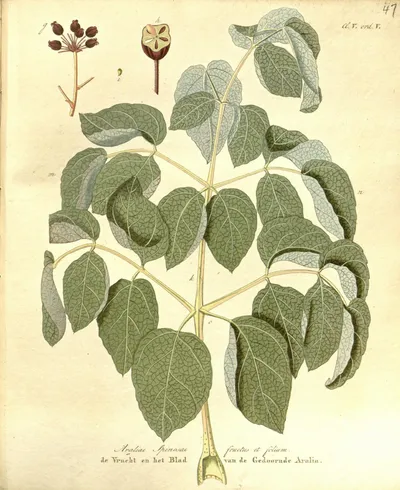
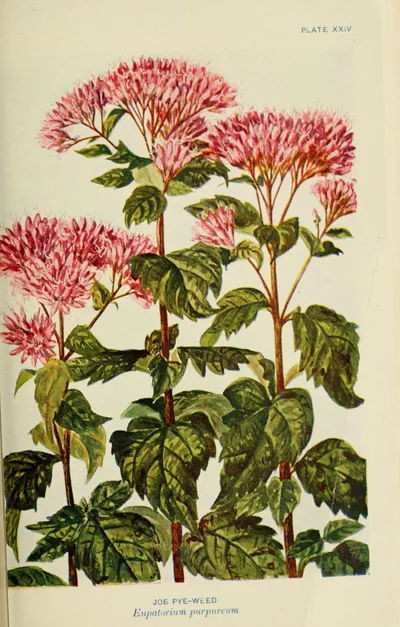 1 of 3
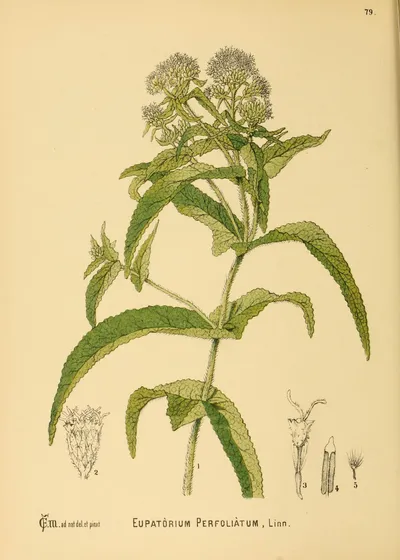 1 of 2
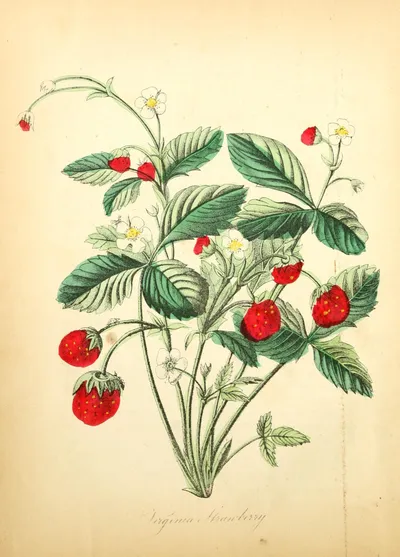 1 of 2
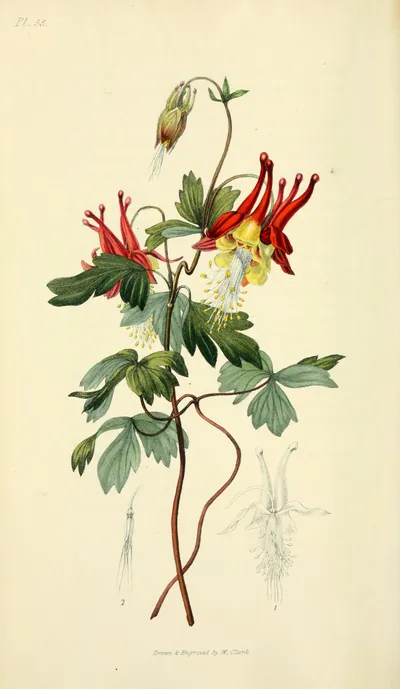 1 of 2
 1 of 3
 1 of 2
 1 of 2
 1 of 2
 1 of 2
 1 of 2
 1 of 2
 1 of 2
 1 of 2
 1 of 2
 1 of 2
 1 of 3
 1 of 2
 1 of 3
 1 of 3
 1 of 2
 1 of 2
 1 of 2
 1 of 2
 1 of 2
 1 of 2
 1 of 2
 1 of 3
 1 of 2
 1 of 2
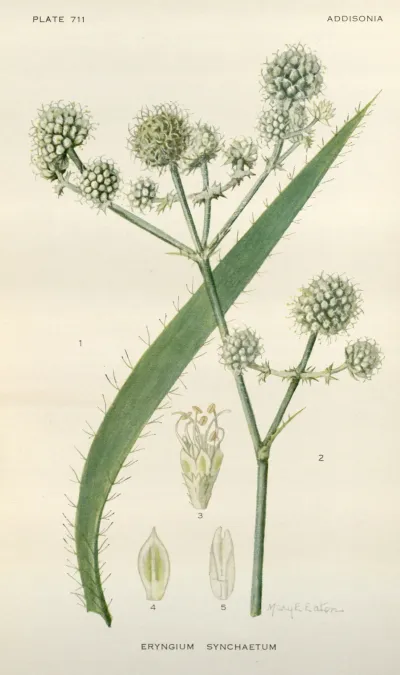 1 of 2
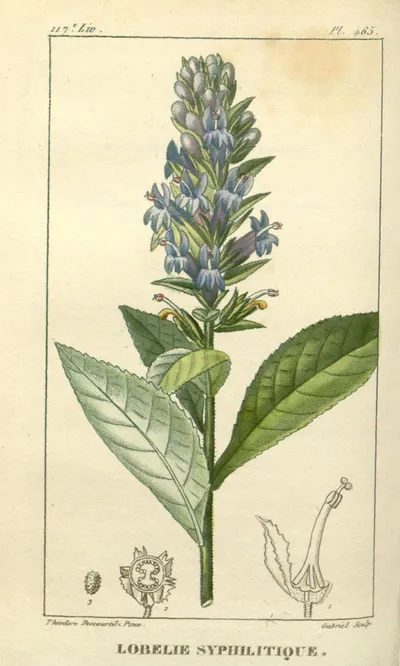 1 of 2
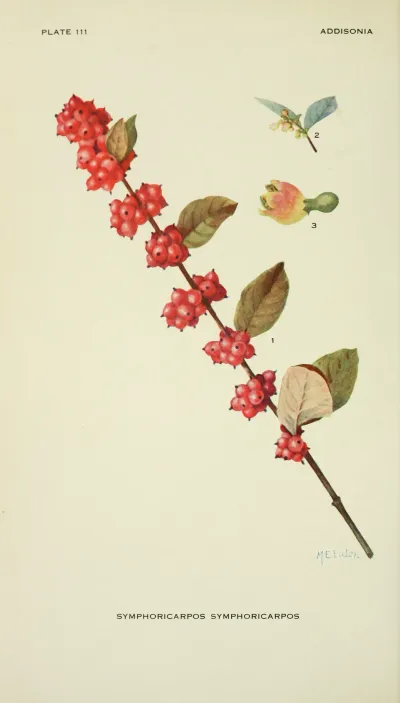 1 of 2
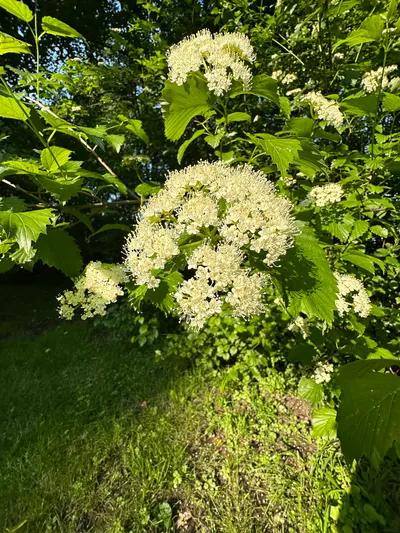 1 of 2
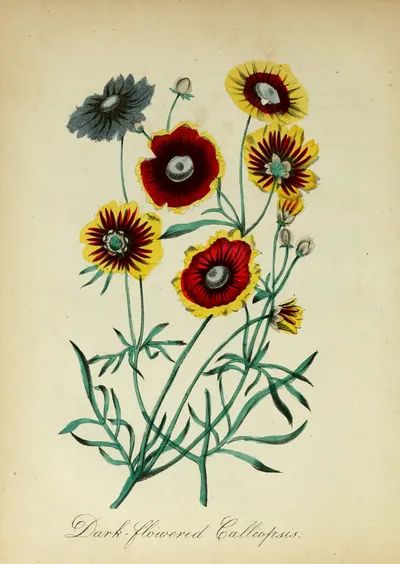 1 of 3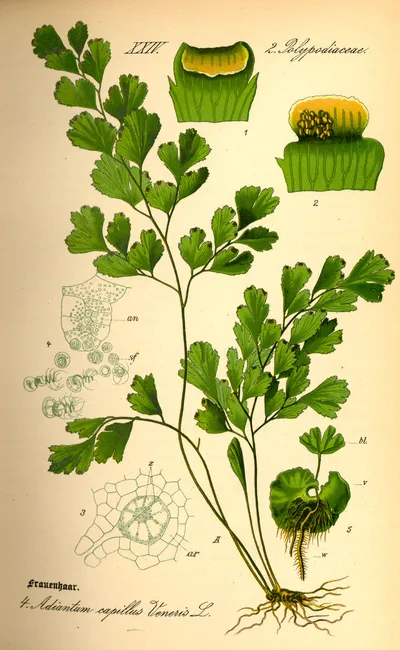
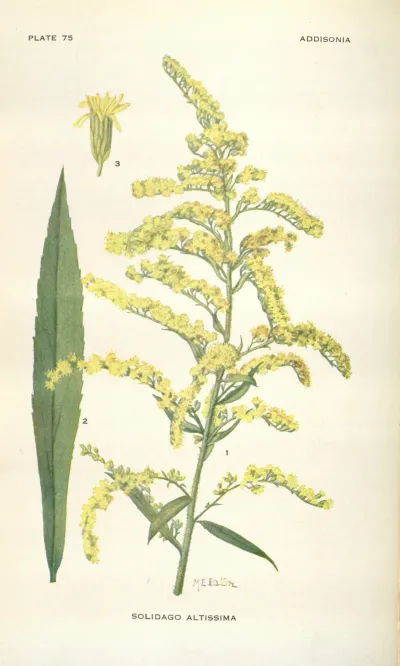 1 of 2
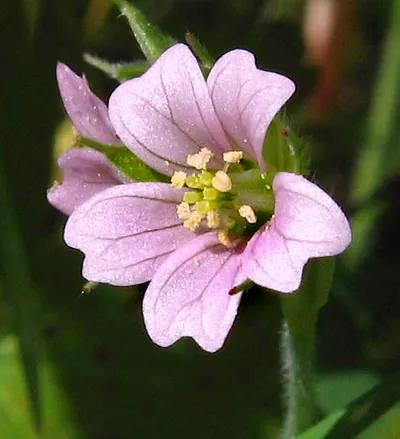 1 of 3
 1 of 2
 1 of 3
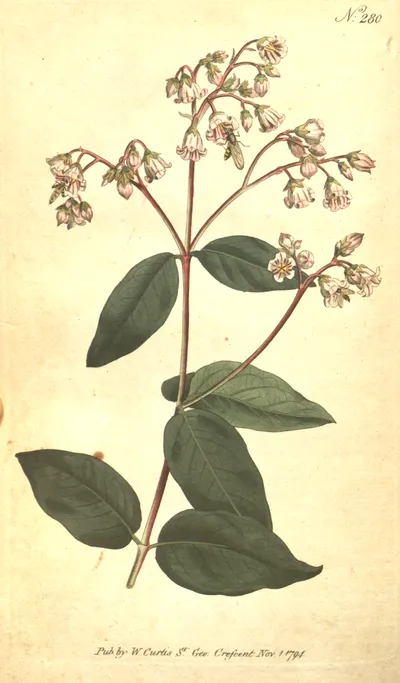 1 of 2
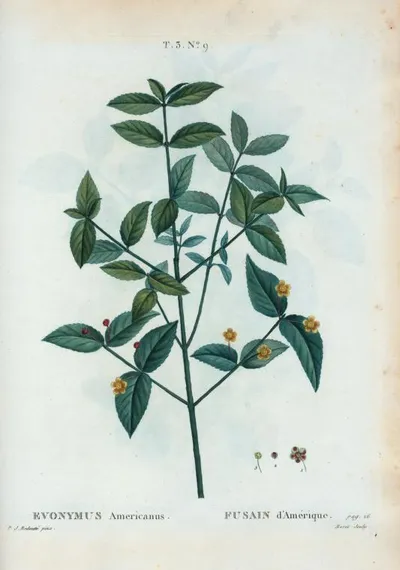 1 of 2
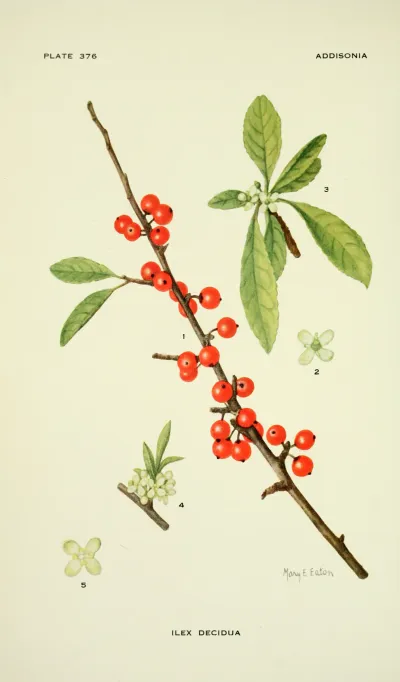 1 of 3
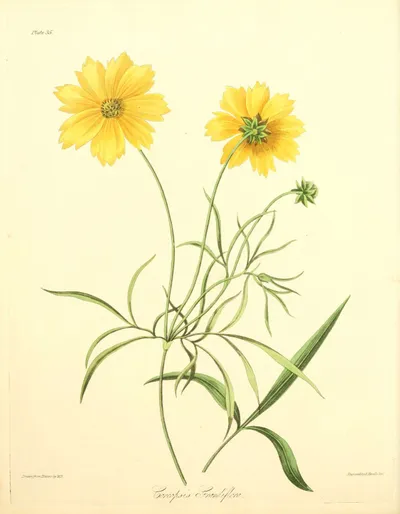 1 of 3
 1 of 2
 1 of 2
 1 of 2
 1 of 2
 1 of 3
 1 of 2
 1 of 3
 1 of 3
 1 of 2
 1 of 2
 1 of 3
 1 of 2
 1 of 2
 1 of 2
 1 of 2
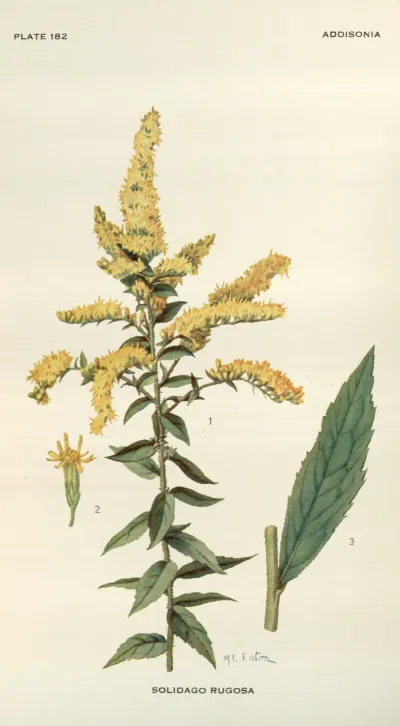 1 of 2
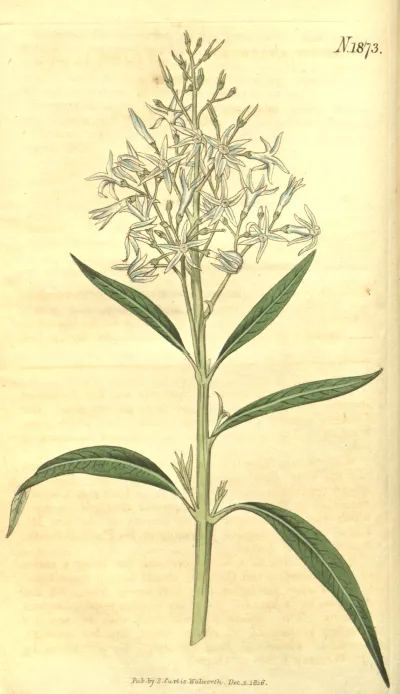 1 of 2
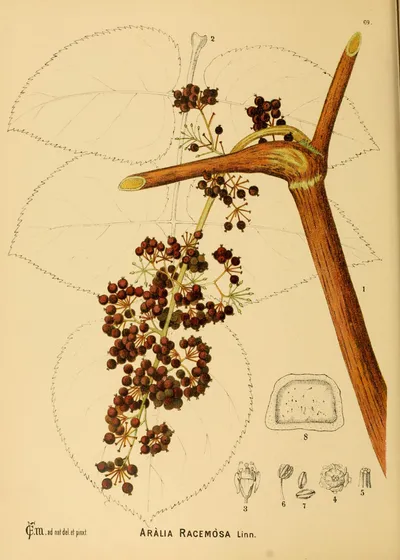 1 of 2
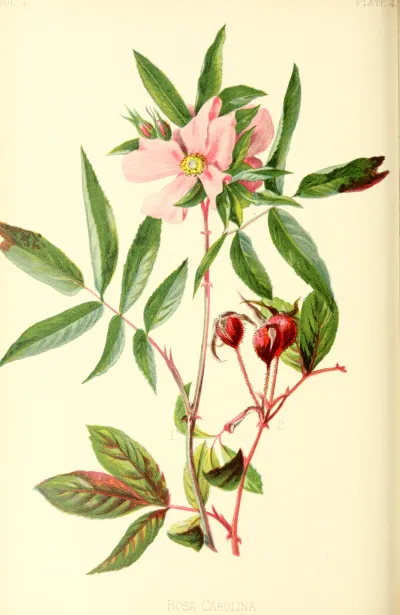 1 of 2
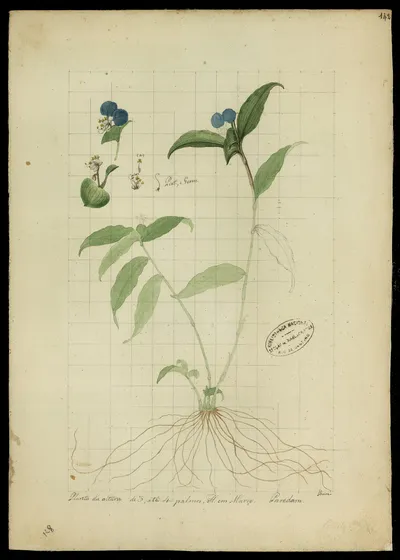 1 of 2
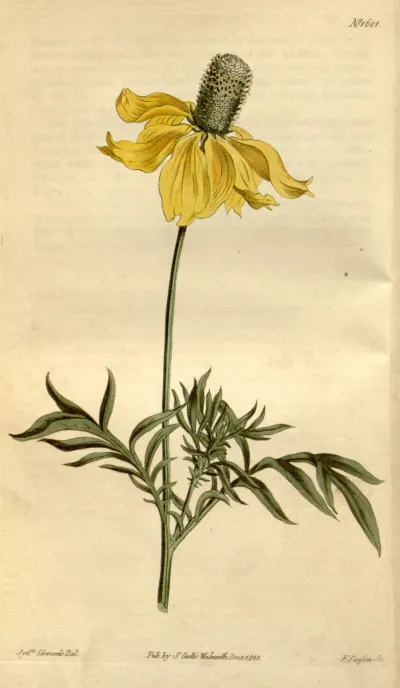 1 of 3
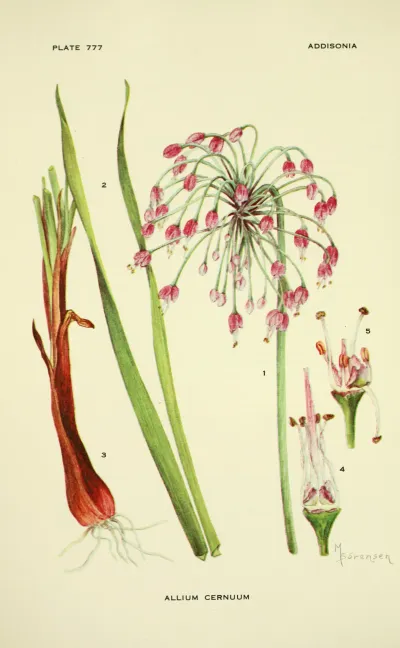 1 of 4
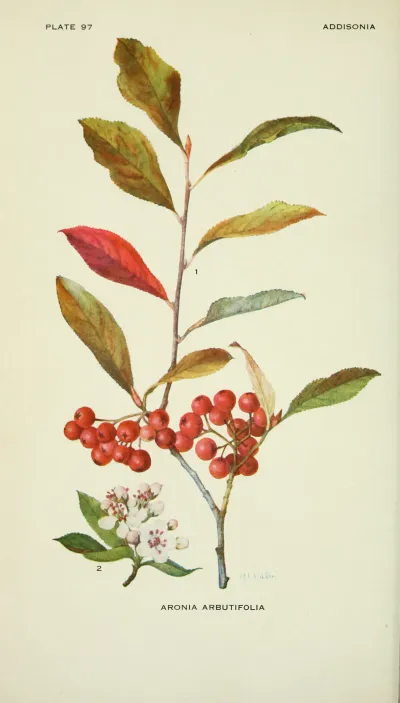 1 of 2
 1 of 3
 1 of 3
 1 of 2
 1 of 2
 1 of 2
 1 of 3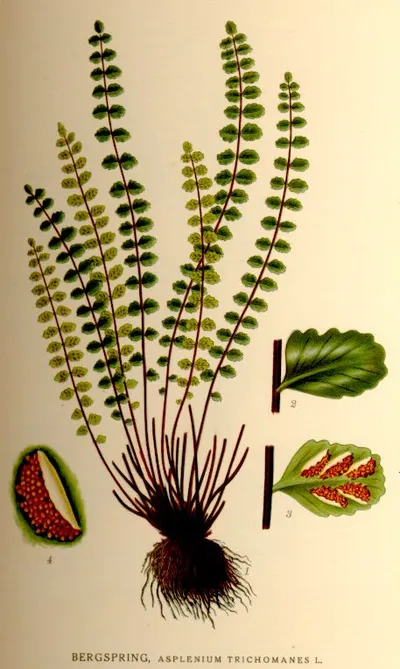
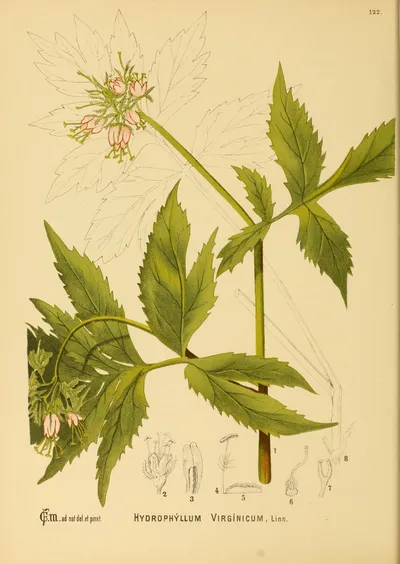 1 of 2
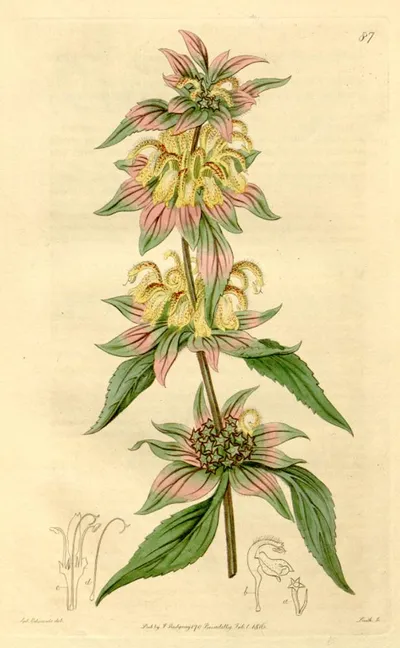 1 of 3
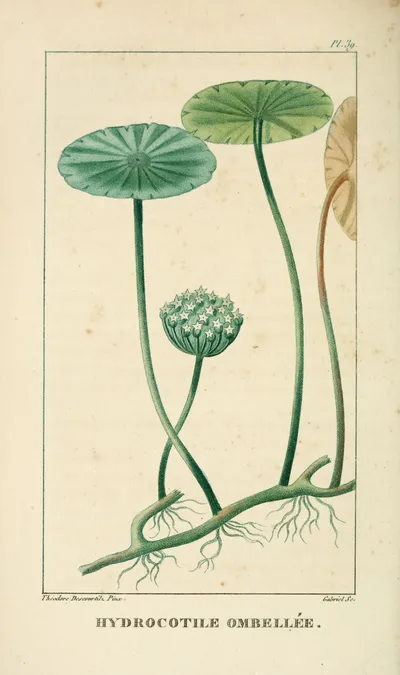 1 of 2
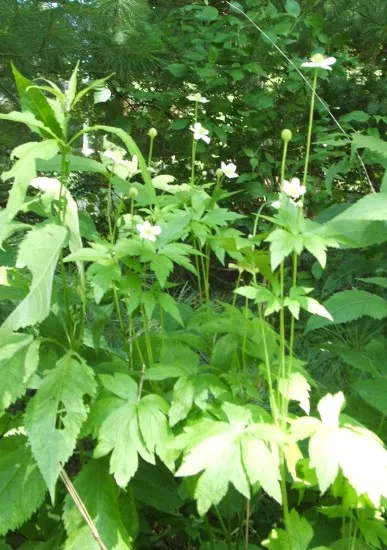 1 of 3
 1 of 2
 1 of 3
 1 of 2
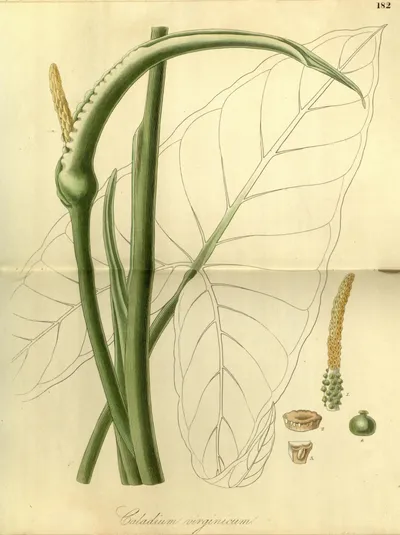 1 of 2
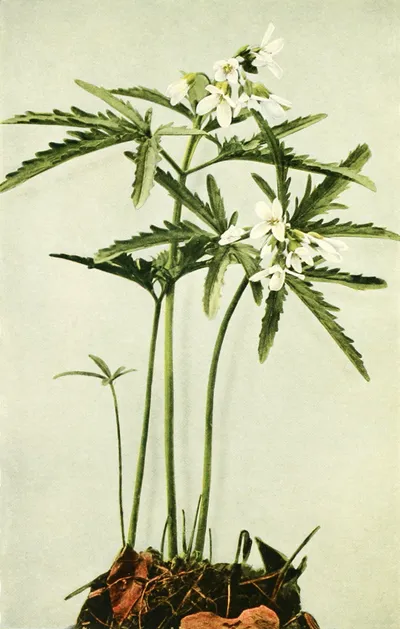 1 of 2
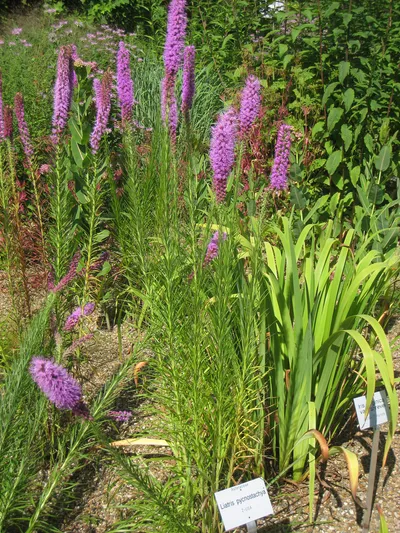 1 of 2
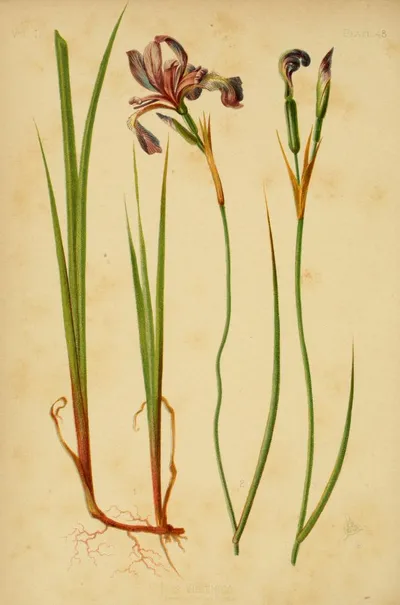 1 of 2
 1 of 3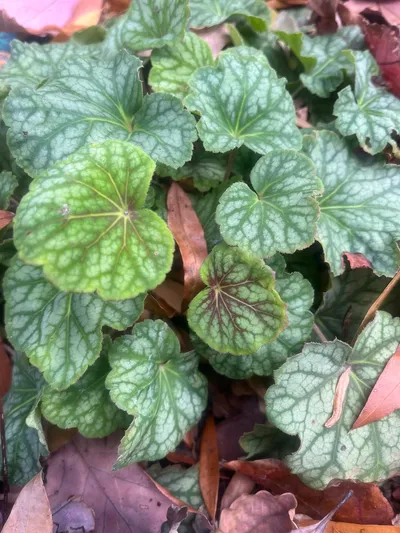
 1 of 2
 1 of 2
 1 of 2
 1 of 3
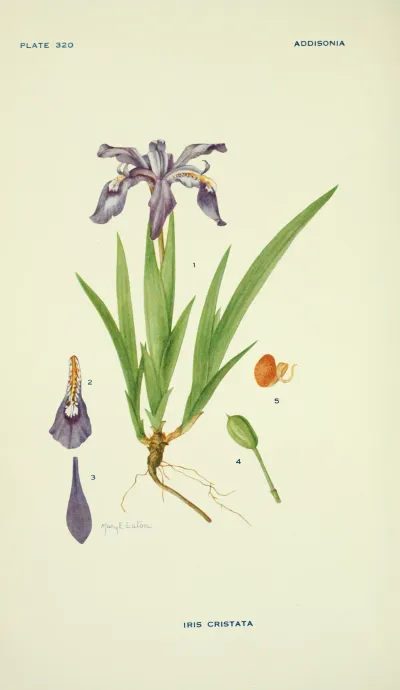 1 of 2
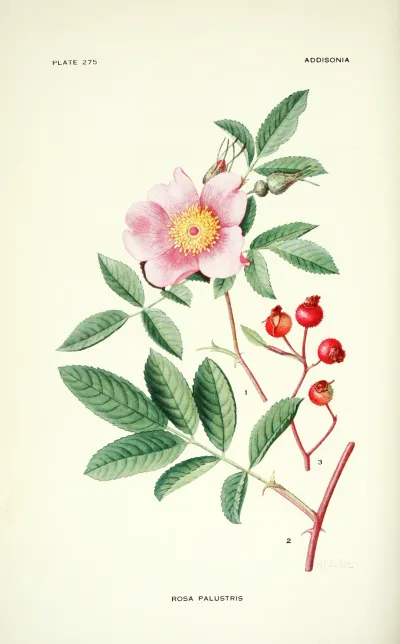 1 of 2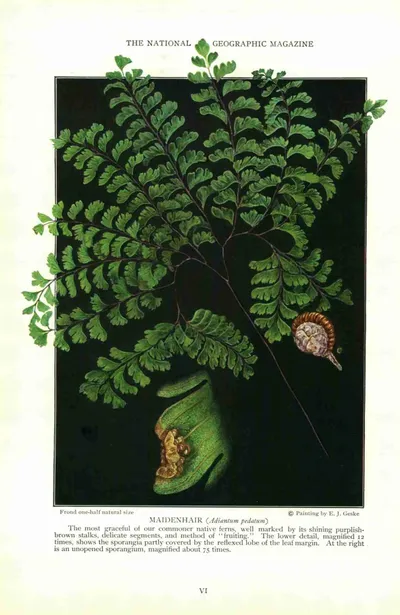
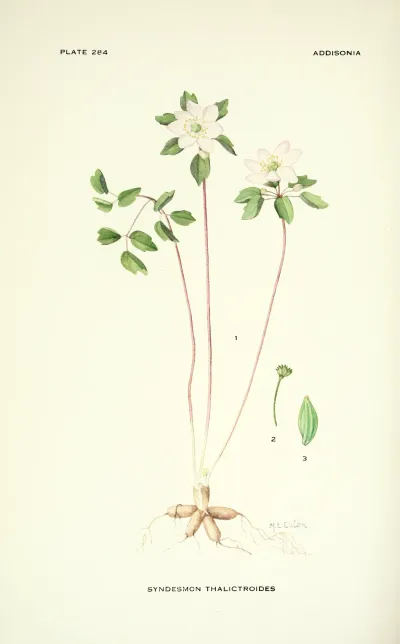 1 of 2
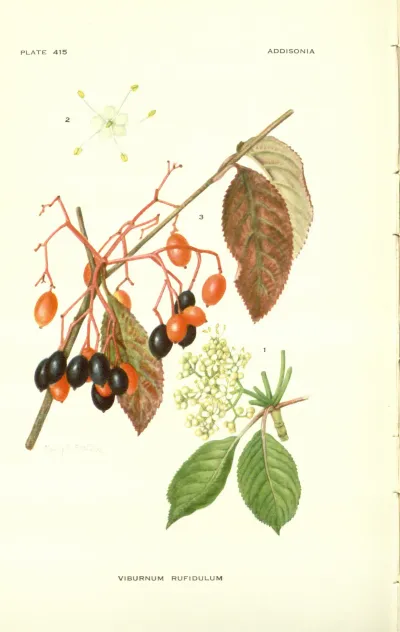 1 of 2
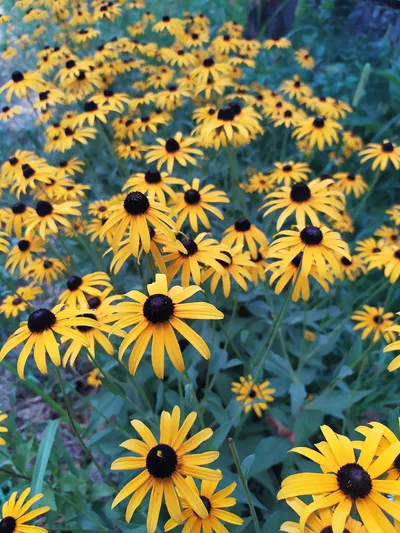 1 of 2
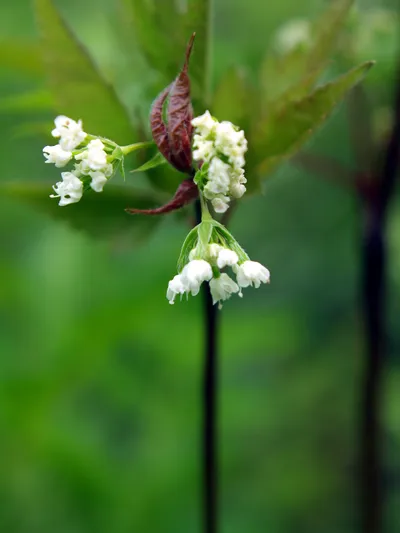 1 of 3
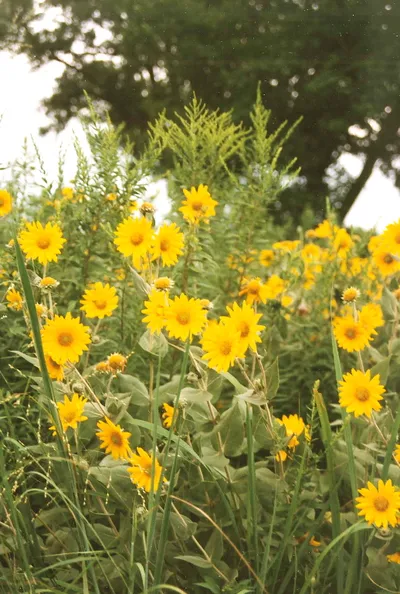 1 of 2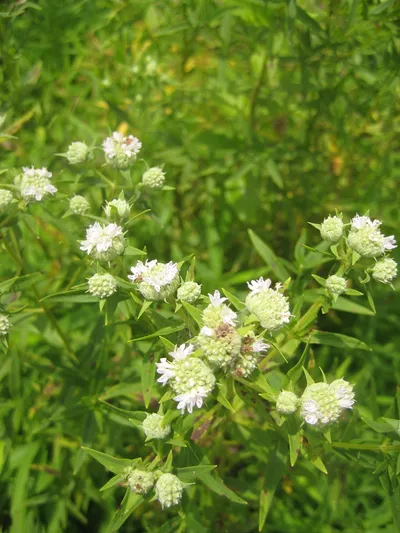
 1 of 2
 1 of 2
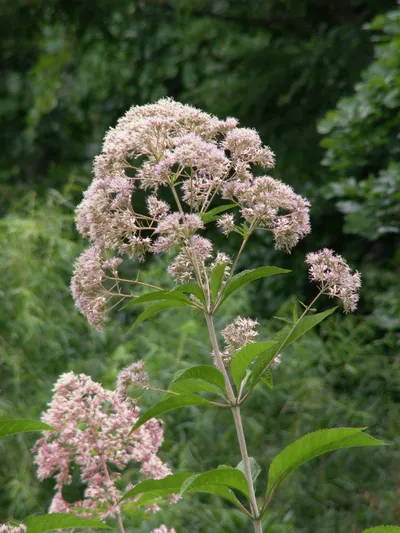 1 of 2
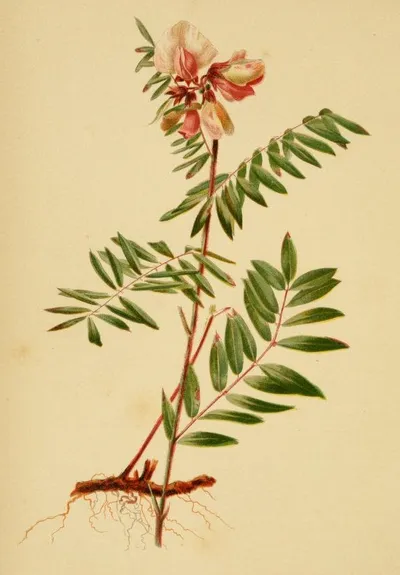 1 of 3
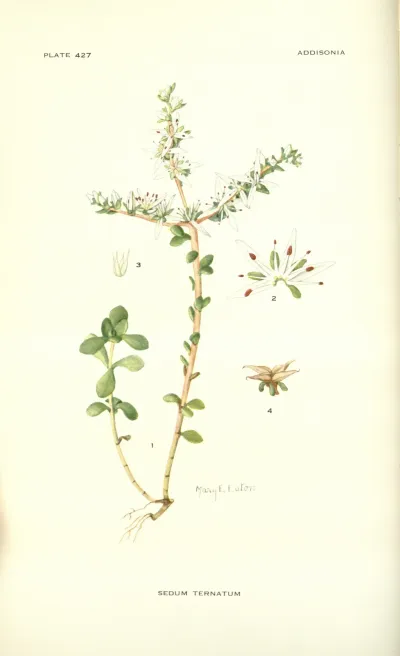 1 of 2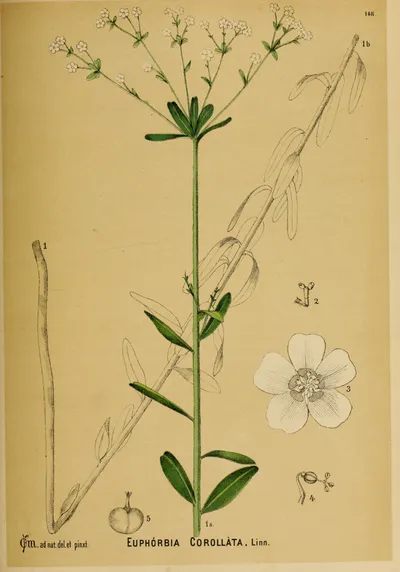
 1 of 2
 1 of 2
 1 of 3
 1 of 2
 1 of 3
 1 of 2
 1 of 2
 1 of 2
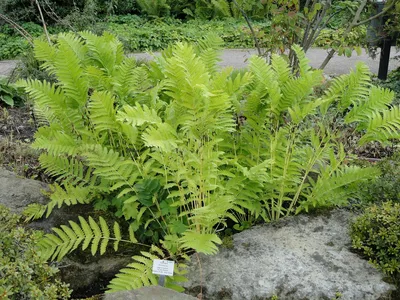 1 of 2
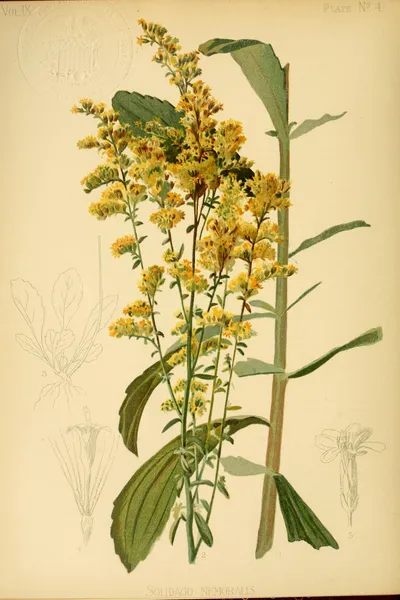 1 of 2
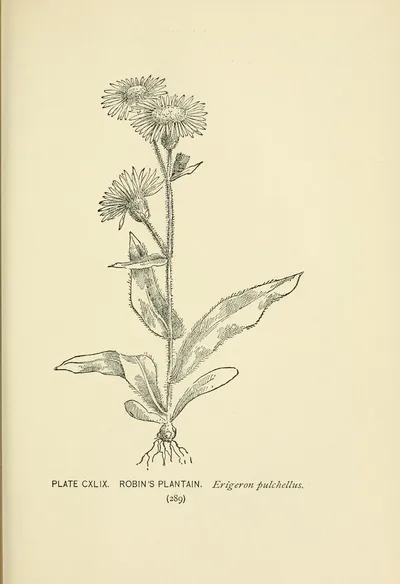 1 of 2
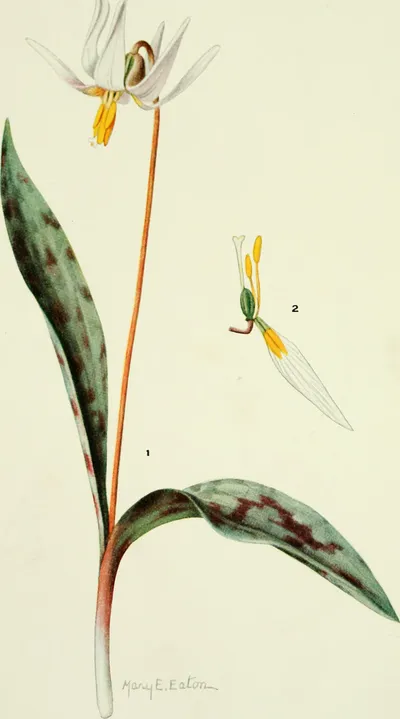 1 of 2
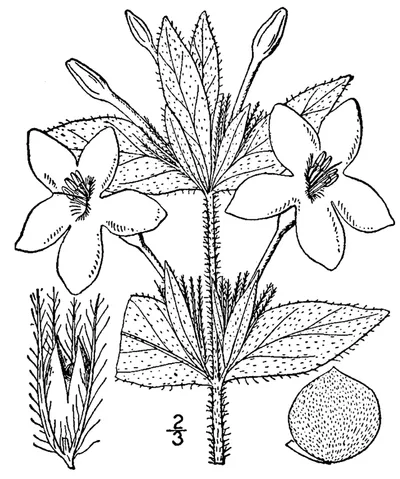 1 of 2
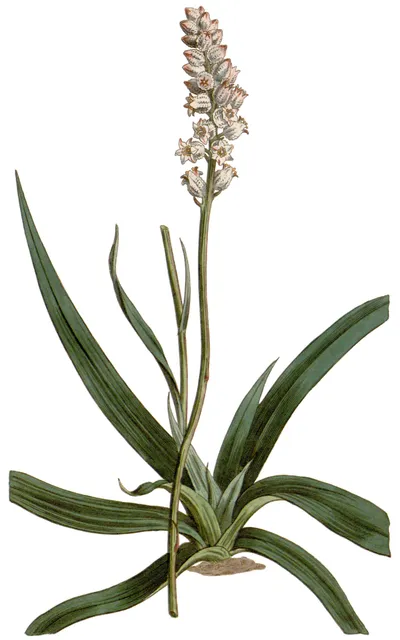 1 of 2
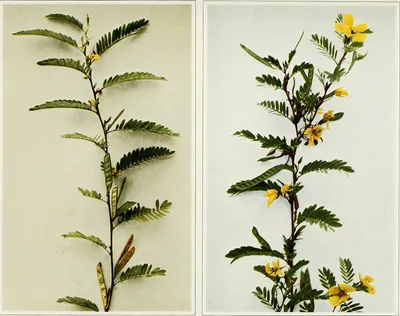 1 of 2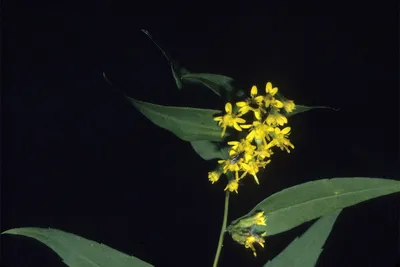
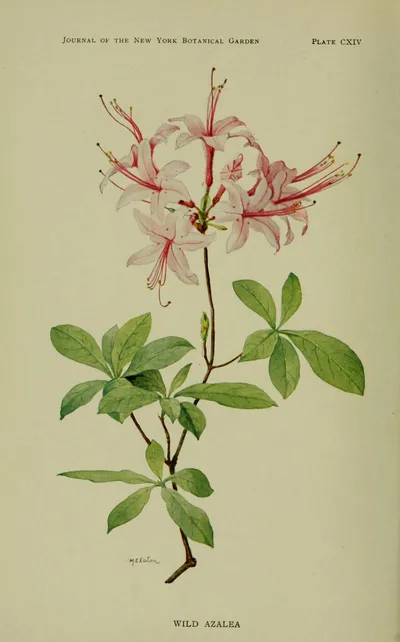 1 of 3
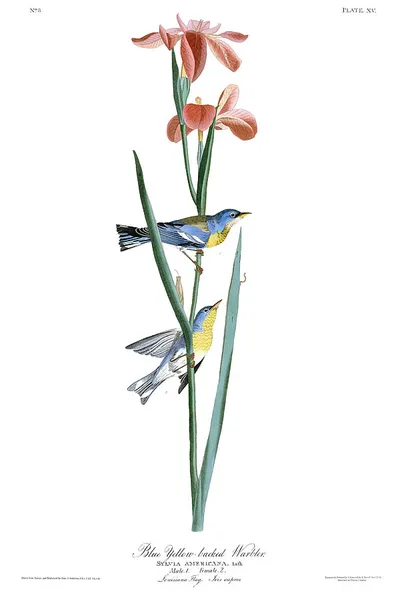 1 of 2
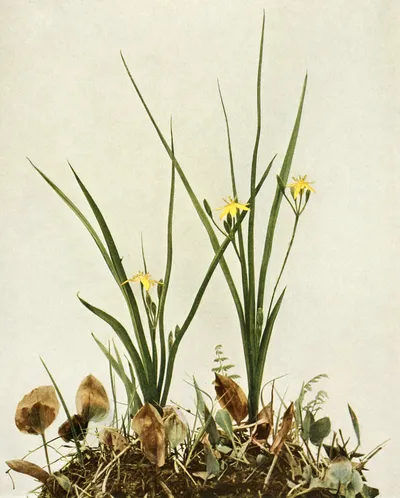 1 of 3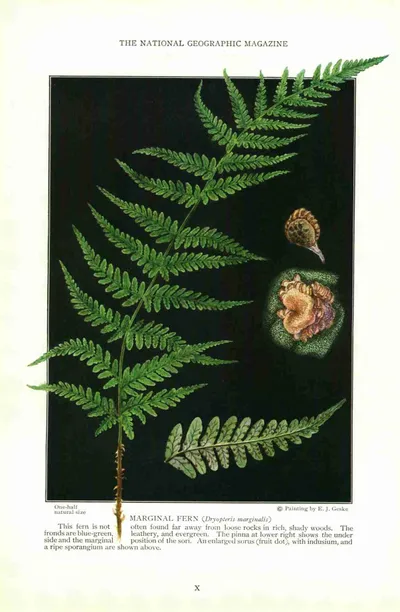
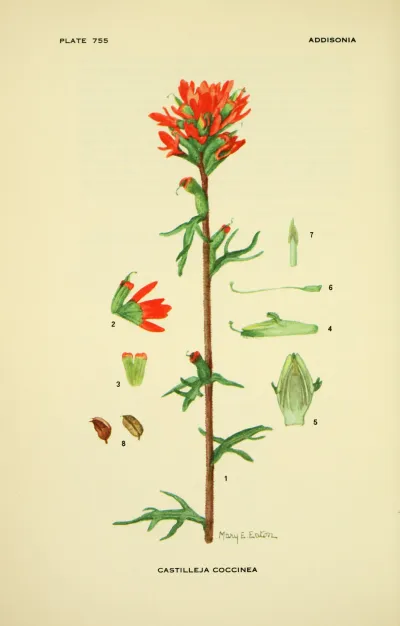 1 of 2
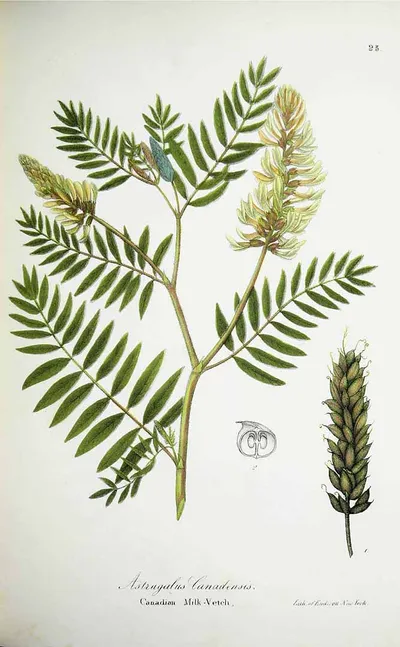 1 of 3
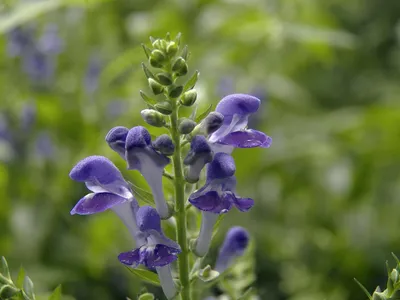 1 of 2
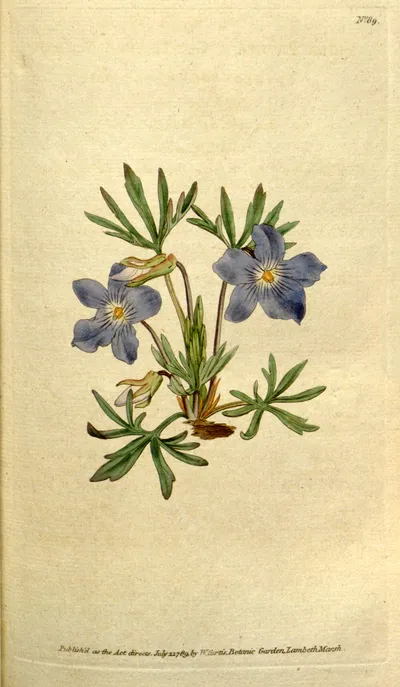 1 of 2
 1 of 3
 1 of 2
 1 of 2
 1 of 2
 1 of 2
 1 of 2
 1 of 3
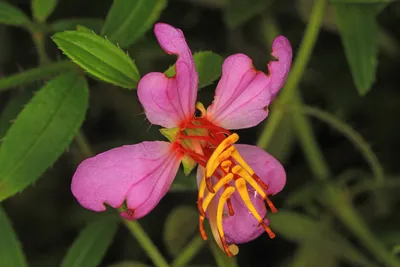 1 of 2
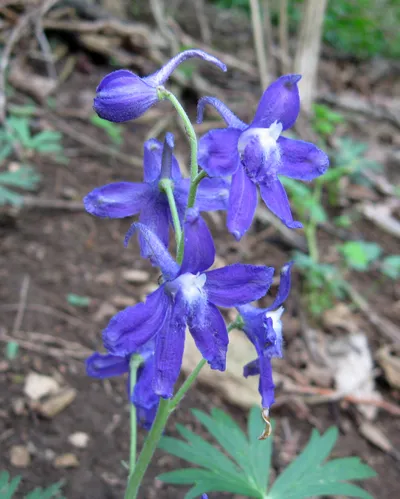 1 of 2
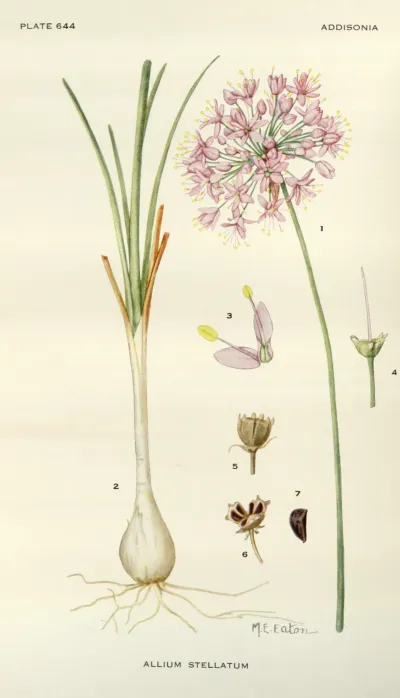 1 of 2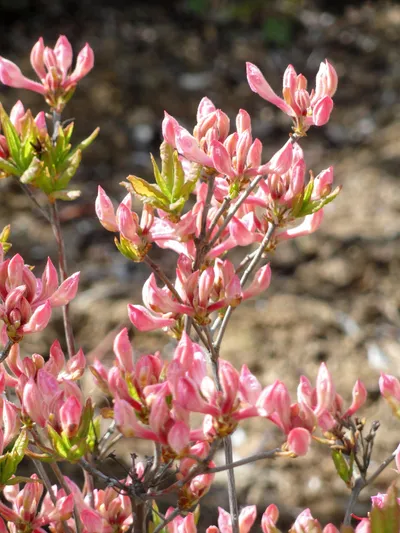
 1 of 3
 1 of 2
 1 of 2
 1 of 3
 1 of 3
 1 of 2
 1 of 2
 1 of 2
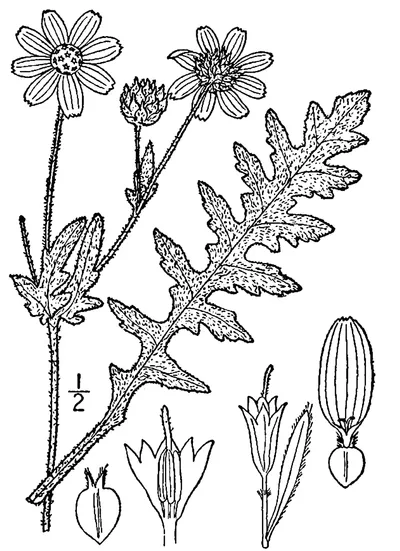 1 of 2
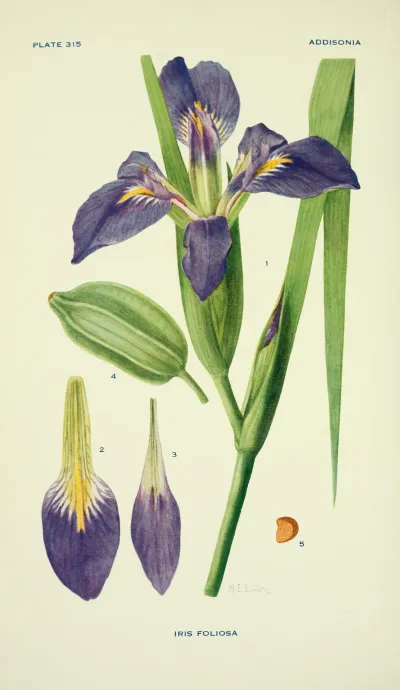 1 of 2
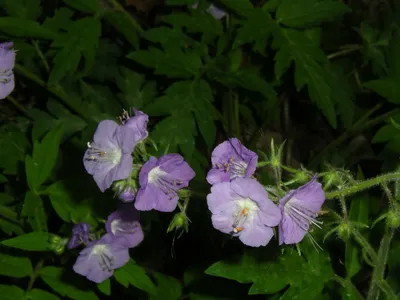 1 of 2
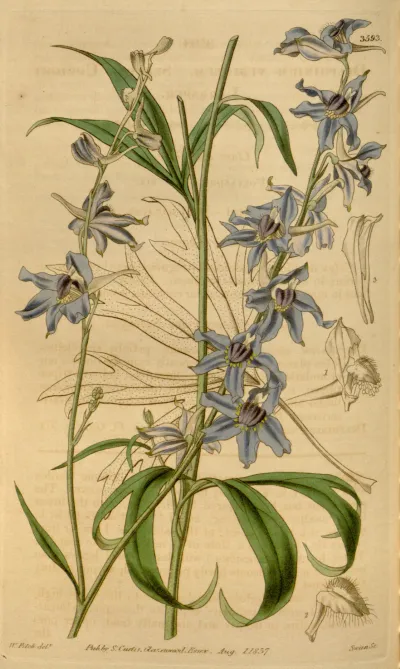 1 of 3
 1 of 3
 1 of 3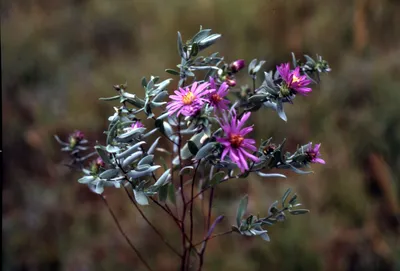
 1 of 2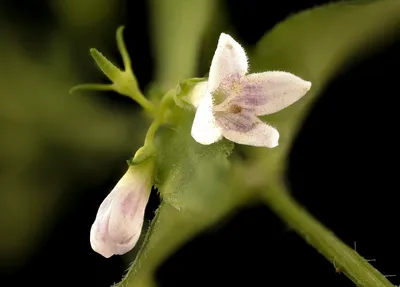
 1 of 2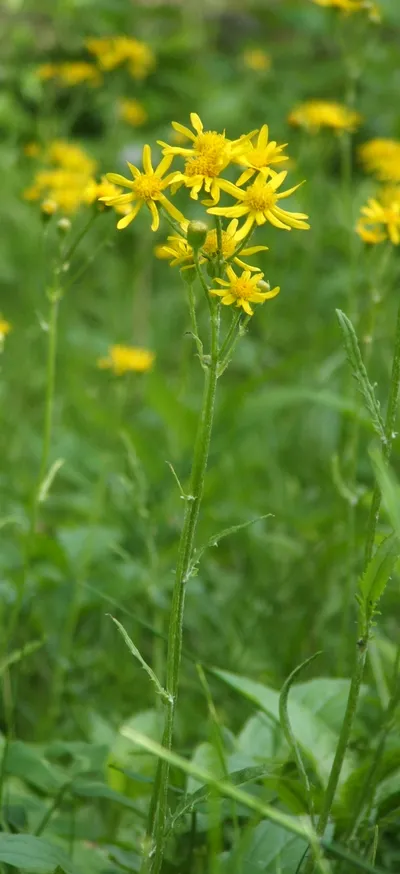
 1 of 2
 1 of 2
 1 of 2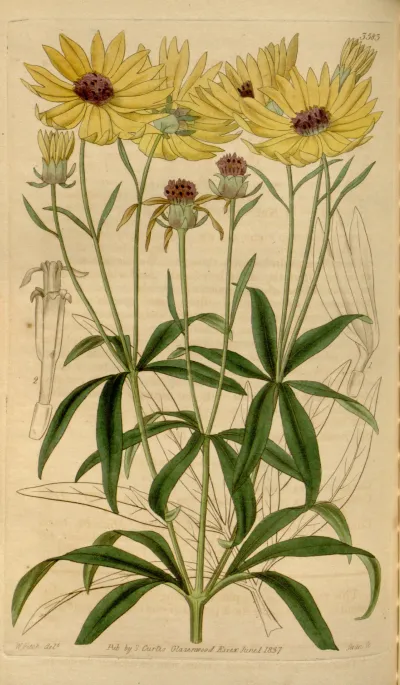
 1 of 2
 1 of 3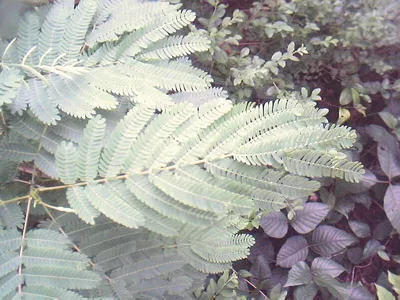
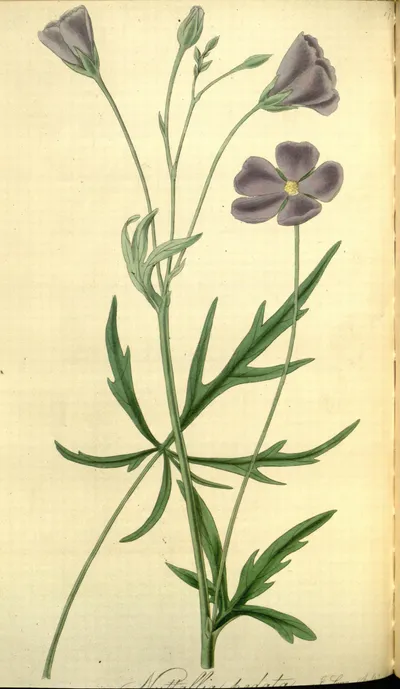 1 of 2
No plants match those filters.
Why plant natives
Native plants evolved with the local insects, birds, and soils, so once established they need little water, no fertilizer, and no coddling, while providing the nectar, pollen, seeds, and host foliage that non-native ornamentals cannot. A native bed is lower-maintenance and higher-value for wildlife than a conventional one.
Starting a native garden in Arkansas
Start by matching plant to place: note how much sun each spot gets and whether the soil runs dry, moist, or wet, then choose species whose needs match; the filters above sort by exactly these. In Arkansas (roughly USDA zones 6b–8a), fall and early spring are the prime planting windows. Buy nursery-propagated, local-genotype plants rather than wild-collected stock, plant in groups of three or more so pollinators can find them, and mulch lightly the first year while roots establish.
Keep it blooming
The species here bloom from March through October. Pick at least one plant for each part of that window (spring, summer, and fall) so something is always in flower and pollinators always have forage.
Frequently asked
- How many native plants are native to Arkansas?
- This guide features 216 native plants documented as native to Arkansas, including wildflowers, ferns, and shrubs. Many hundreds more native species also grow wild in the state.
- What hardiness zone is Arkansas in?
- Arkansas spans roughly USDA hardiness zones 6b–8a. Check your exact zone before buying, since the state covers more than one.
- When do Arkansas wildflowers bloom?
- Across these species, bloom runs from March through October. Planting a mix of spring, summer, and fall bloomers keeps color and pollinator forage going all season.
- What are the best native plants for pollinators in Arkansas?
- 205 of these Arkansas natives have documented bee, butterfly, or hummingbird visitors. Use the "For pollinators" filter above to rank them by pollinator value.
- Where can I buy native plants in Arkansas?
- Look for a nursery that sells nursery-propagated (not wild-collected) local-genotype plants. Your state native plant society and regional native-plant sales are the best starting points; see Resources below.